
 EN
EN
 AR
AR BG
BG HR
HR CS
CS FR
FR DE
DE EL
EL HI
HI IT
IT JA
JA KO
KO RO
RO RU
RU ES
ES TL
TL ID
ID LT
LT SK
SK SL
SL UK
UK VI
VI ET
ET TH
TH TR
TR FA
FA AF
AF MS
MS HY
HY AZ
AZ KA
KA BN
BN LO
LO LA
LA MN
MN NE
NE MY
MY KK
KK UZ
UZ KY
KY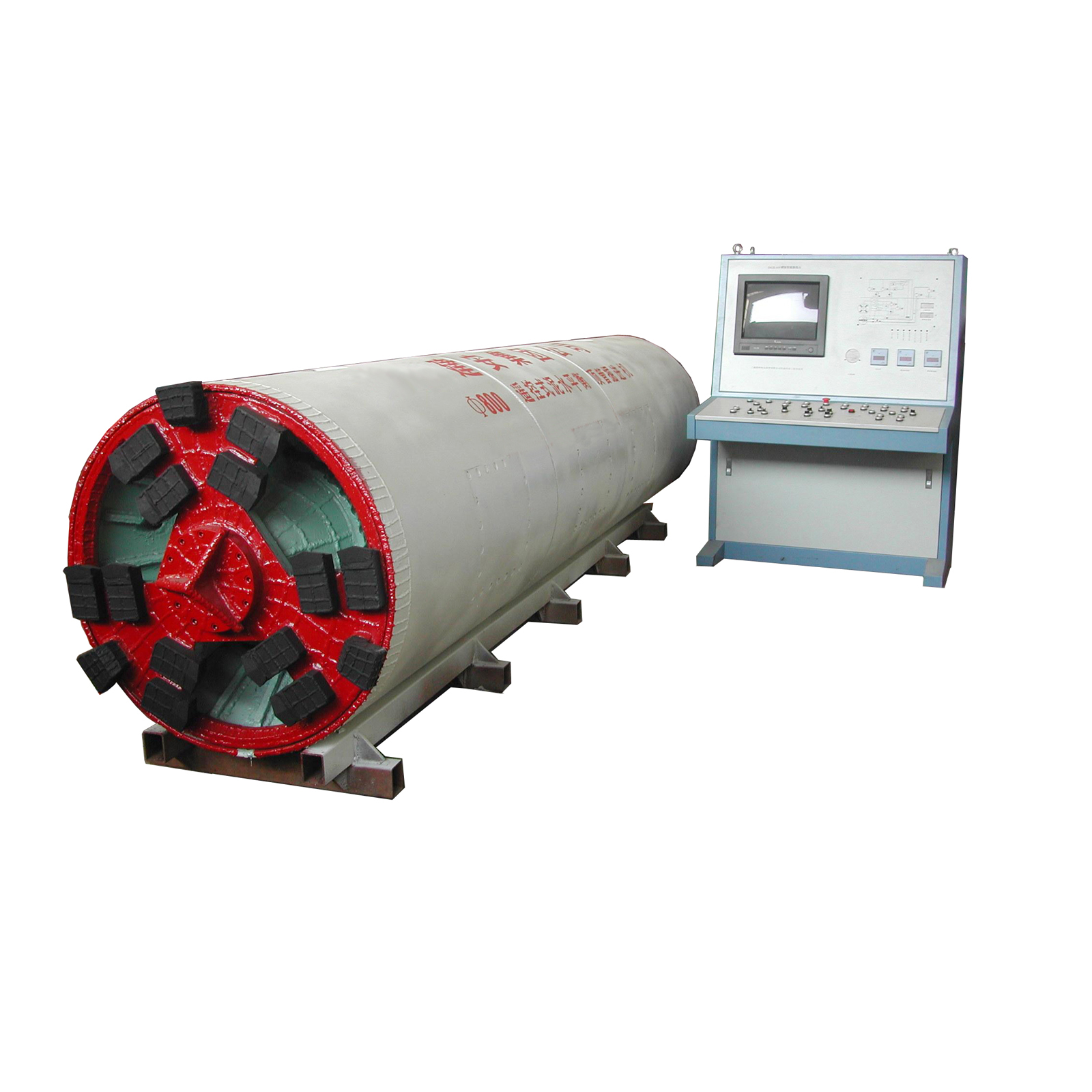
Selecting the appropriate jacking speed for pipe jacking construction is one of the most critical decisions in modern trenchless technology projects. The speed at which pipe jacking construction proceeds directly impacts project timeline, cost efficiency, equipment stress, and soil stability. In clay soils specifically, where soil behavior is highly predictable yet demanding, the jacking speed becomes even more pivotal to success. Contractors and engineers must balance productivity ambitions with the physical and geological constraints that clay presents during pipe jacking construction operations.
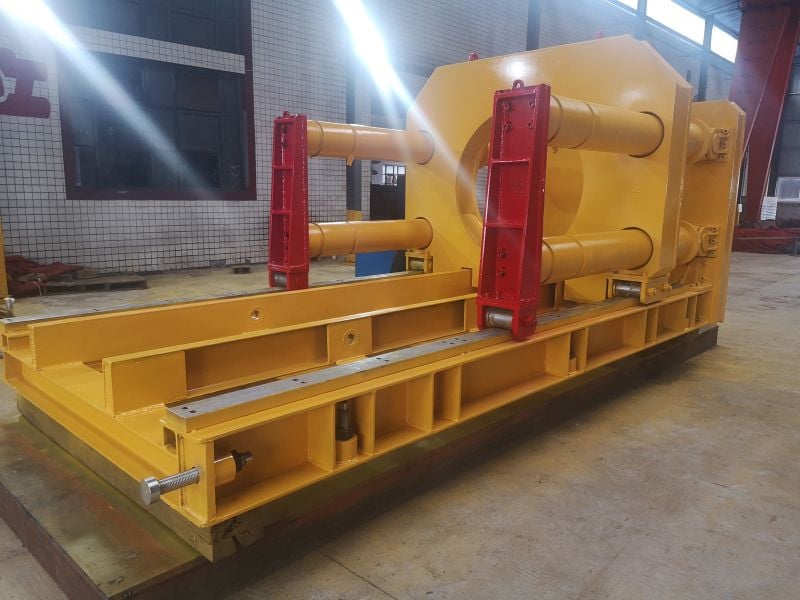
Clay soil presents unique challenges and opportunities for pipe jacking construction because of its cohesive nature and resistance to deformation. Unlike granular soils that can shift and settle unpredictably, clay maintains structural integrity when jacking pressures are applied methodically. However, this same cohesion means that excessive jacking speed can generate dangerous pore water pressures, face instability, and excessive friction along the pipe exterior. Understanding how to calibrate jacking speed within clay conditions ensures that pipe jacking construction remains safe, economical, and on schedule.
Understanding Soil-Speed Interaction in Pipe Jacking Construction
How Clay Behavior Influences Jacking Speed
Clay soil responds distinctly to the pressures and movement rates inherent in pipe jacking construction. When jacking speed accelerates, the undrained shear strength of clay must provide adequate support against the advancing pipe and cutting face. Rapid advancement in pipe jacking construction can trigger excess pore water pressure buildup, which reduces effective stress and weakens the soil's load-bearing capacity. Conversely, slower pipe jacking construction speeds allow pore water to dissipate gradually, maintaining soil stability and predictable ground behavior throughout the drive.
Consolidation and Pore Water Pressure in Pipe Jacking Construction
The rate of pore water pressure generation during pipe jacking construction is directly proportional to jacking speed. In soft to medium clay, advancing the pipe too quickly prevents water from escaping around the jacking pipe. This excess pore water pressure can destabilize the face ahead of the pipe, cause ground heave behind the pipe, and increase surface settlements. Effective pipe jacking construction in clay demands that jacking speed be slow enough to permit partial pore water dissipation, yet fast enough to maintain project momentum and minimize long-term equipment wear.
Key Factors for Selecting Jacking Speed in Clay
Soil Strength and Stiffness Parameters
The undrained shear strength of the clay and its stiffness index are fundamental inputs for pipe jacking construction speed selection. Stiffer clays with higher shear strength values can tolerate faster jacking speeds because they develop less excess pore pressure during rapid deformation. Conversely, softer clays require slower pipe jacking construction speeds to prevent face instability and excessive ground movement. Geotechnical investigation reports provide laboratory and field test data, including undrained shear strength and clay classification, that directly inform the safe jacking speed envelope for pipe jacking construction work.
Friction Angle and Adhesion Properties
Clay-pipe interaction friction is a dominant factor in determining the jacking forces needed and the sustainable jacking speed for pipe jacking construction. Higher friction between clay and the pipe external surface increases jacking forces exponentially, limiting practical jacking speeds. Pipe jacking construction in very sticky clays may require slower advancement to control friction-induced forces and prevent overload on the jacking equipment. Lubrication systems and pipe coatings can reduce this friction, but the inherent soil adhesion still constrains how aggressively pipe jacking construction can proceed.
Practical Speed Selection Methodology for Pipe Jacking Construction
Standard Speed Ranges for Clay Conditions
Industry standards and experience indicate typical jacking speeds for pipe jacking construction in clay environments. For soft clay with undrained shear strength below 20 kPa, recommended jacking speed typically ranges from 20 to 50 mm per minute. Medium clay (20–50 kPa) can sustain 50 to 100 mm per minute during pipe jacking construction. Stiff clay (50–100 kPa) may tolerate 100 to 200 mm per minute, and very stiff clay can support speeds up to 300 mm per minute in pipe jacking construction applications. These ranges remain indicative; site-specific conditions, pipe diameter, and equipment capability all modify the optimal jacking speed for pipe jacking construction.
Real-Time Monitoring and Speed Adjustment
Modern pipe jacking construction projects employ continuous monitoring of thrust forces, pore pressure, surface settlement, and face stability to validate and adjust jacking speed in real time. If excessive pore pressure develops during pipe jacking construction, speed is reduced immediately to allow dissipation and restore stability. Conversely, if ground behavior remains stable and pressures remain within acceptable limits, pipe jacking construction speed can be cautiously increased to improve productivity. This adaptive approach ensures that the chosen jacking speed for pipe jacking construction remains optimal throughout the drive, responding to actual soil conditions rather than relying solely on pre-drive estimates.
FAQ
What is the minimum safe jacking speed for pipe jacking construction in clay?
There is no universal minimum jacking speed; it depends on clay strength and site conditions. For soft clay, pipe jacking construction speeds of 20–30 mm per minute are often conservative and safe. However, very soft clay near surface deposits might require even slower advancement. The minimum safe speed is determined by the balance between pore water dissipation capability and project schedule constraints. Geotechnical engineers calculate this threshold based on consolidation rates and the specific clay properties confirmed during site investigation, ensuring that pipe jacking construction does not accelerate beyond what the soil can safely accommodate.
How does pipe diameter affect jacking speed selection in clay?
Larger diameter pipes generate higher jacking forces and contact greater clay surface area during pipe jacking construction. Consequently, larger pipes typically require slower jacking speeds to manage friction and pore pressure generation. Small-diameter pipe jacking construction can sometimes sustain faster speeds because the lower contact area and reduced force requirements limit excess pore pressure buildup. Pipe diameter, combined with clay strength, jointly determines the upper bound of practical jacking speed for pipe jacking construction in any given project.
Can pipe jacking construction speed be increased if lubrication systems are used?
Lubrication systems reduce friction between the pipe and clay, lowering jacking forces required to advance the pipe. This friction reduction allows faster jacking speeds for pipe jacking construction compared to unlubricated scenarios. However, lubrication does not eliminate pore water pressure generation or change the clay's fundamental strength properties. Therefore, while pipe jacking construction speed can increase with lubrication, it remains constrained by soil consolidation rates and stability limits. Lubrication improves feasibility and productivity but does not override the geotechnical limits governing safe jacking speed for pipe jacking construction.