
 EN
 AR
 BG
 HR
 CS
 FR
 DE
 EL
 HI
 IT
 JA
 KO
 RO
 RU
 ES
 TL
 ID
 LT
 SK
 SL
 UK
 VI
 ET
 TH
 TR
 FA
 AF
 MS
 HY
 AZ
 KA
 BN
 LO
 LA
 MN
 NE
 MY
 KK
 UZ
 KY
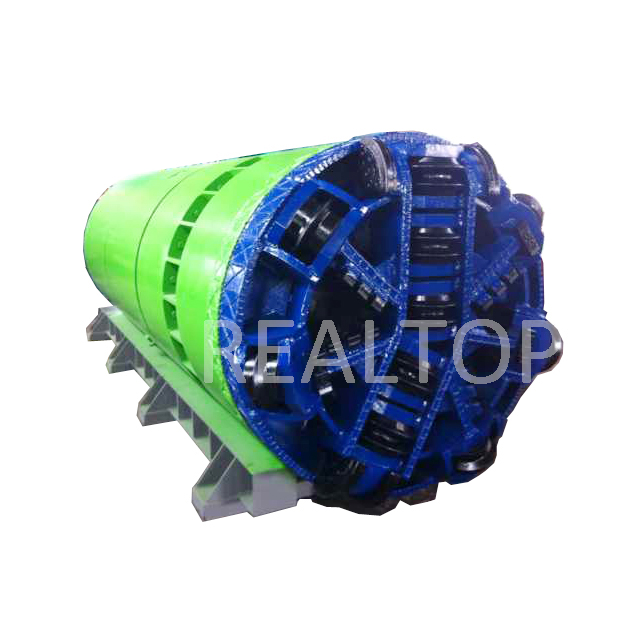
A comprehensive technical request for quotation (RFQ) for a custom pipe jacking machine is the cornerstone of successful underground construction projects. When you submit a technical RFQ, you are establishing the precise performance parameters, design constraints, and operational requirements that will govern the entire project lifecycle. Without a well-structured technical specification, contractors risk receiving quotes for equipment that does not align with actual site conditions, soil characteristics, or project timelines. The pipe jacking machine you select must integrate seamlessly with your ground conditions, and your technical RFQ is the primary mechanism for communicating those demands to suppliers.

The technical RFQ serves as the binding document that translates engineering requirements into actionable procurement specifications. A pipe jacking machine designed without reference to your geological survey data, tunnel length, pipe diameter, and anticipated soil pressures will inevitably underperform or exceed budget constraints. Your RFQ must specify not only the machine's thrust capacity but also its steering accuracy, segment rings, mucking systems, and surface settlement tolerance thresholds. This detailed technical approach ensures that suppliers can accurately price the equipment and that your project achieves the desired outcomes within schedule and budget.
Geological and Soil Parameter Specifications
Soil Classification and Ground Conditions
The foundation of any technical RFQ for a pipe jacking machine begins with precise soil classification data. Your RFQ must include bore logs, SPT values, laboratory soil test results, and groundwater conditions along the entire drive alignment. A pipe jacking machine must be specifically sized and selected based on whether you are boring through clay, sand, gravel, or mixed strata. Different soil types demand different cutting head designs and shield configurations. Include in your RFQ the anticipated soil pressure ranges, water table elevation, and any anomalies such as cobbles, boulders, or previously buried utilities. Soil parameters directly influence the pipe jacking machine's power requirements, mucking system capacity, and steering performance.
Overburden and Depth Analysis
Your technical RFQ must clearly state the drive depth and overburden pressure at various chainages along the drive. A pipe jacking machine operating at shallow depth requires different lining pressure and mucking protocols than one working at greater depth. Include maximum overburden depth, minimum overburden depth, and the profile of elevation changes throughout the drive. Suppliers need this information to calculate hydraulic thrust requirements and to design the mucking system appropriately. Specify also the expected pore water pressure and any artesian conditions that might affect machine stability. The pipe jacking machine you procure must be rated for the maximum anticipated overburden and pressure conditions.
Machine Configuration and Performance Requirements
Thrust Capacity and Steering Specifications
Your technical RFQ must state the required thrust capacity in tonnes and specify the maximum acceptable steering radius and steering speed. A pipe jacking machine's thrust system must overcome not only soil resistance but also friction between the machine tail and the pipe segments. Include the required accuracy of line and grade, typically expressed as maximum deviation per 100 metres and total allowable settlement at surface. Specify the steering mechanism type preferred: laser guidance, inclinometers, or real-time kinematic GPS. Your pipe jacking machine's steering performance directly impacts segment ring damage, tunnel alignment, and utility protection. State whether the machine must be capable of course correction and, if so, the maximum correction angle per drive segment.
Cutting Head and Mucking System Design
The technical RFQ must specify the cutting head type suited to your soil conditions: open face for stable ground, shield design for cohesive soils, or pressure-balanced for variable ground. Describe the expected muck volume per day and the maximum acceptable muck moisture content at discharge. Your pipe jacking machine's mucking system capacity must match the excavation rate, or delays and backup will occur. Include the disposal location and any constraints on muck characteristics for reuse or landfill compliance. Specify whether you require a closed-face mucking system or whether open-face discharge is acceptable. The pipe jacking machine's cutting head and mucking configuration are interdependent design decisions that must be clearly stated in your RFQ to avoid mismatched equipment.
Operational and Contractual Specification Items
Drive Length, Pipe Diameter, and Segment Ring Specifications
Your technical RFQ must clearly specify the total drive length in metres, the pipe outer diameter, pipe wall thickness, and pipe material (concrete, steel, or ductile iron). State the weight of each segment ring and whether the pipe jacking machine must accommodate standard or non-standard segment configurations. Include the bolt pattern, gasket type, and any special corrosion protection requirements. Specify the allowable segment ring tolerances and the maximum allowable defects. A pipe jacking machine designed for 800 mm diameter pipe cannot be easily adapted for 1200 mm pipe, so this specification is critical. Include also the anticipated number of pipe segments per day and any constraints on segment delivery or storage at the launch shaft.
Contingency, Maintenance, and Spare Parts Provisions
Your technical RFQ must outline the required spare parts package, recommending that suppliers specify which components they consider wear items requiring regular replacement. State the anticipated maintenance intervals for the pipe jacking machine and specify whether the supplier will provide on-site spare parts during the drive. Include contingency specifications for ground conditions that deviate from predicted parameters: rock, unexpected clay layers, or high groundwater. Your RFQ should specify whether the pipe jacking machine contract will require the supplier to provide standby equipment in case of major breakdown. Detail the performance guarantees expected, such as minimum daily footage targets and maximum allowed downtime per week. These operational specifications protect your project timeline and prevent cost overruns caused by inadequate machine capability or support.
FAQ
What is the most critical specification to include in a technical RFQ for a pipe jacking machine?
The most critical specification is the complete soil profile including bore logs, SPT values, and groundwater conditions along the entire drive alignment. Without accurate soil data, suppliers cannot correctly size the pipe jacking machine's cutting head, thrust capacity, or mucking system. A pipe jacking machine designed for the wrong soil type will experience excessive wear, poor steering, or inadequate mucking capacity, leading to project delays and budget overruns.
How does pipe jacking machine thrust capacity relate to technical RFQ specifications?
Thrust capacity must be calculated based on soil overburden pressure, friction between the machine tail and pipe segments, and the total drive length. Your technical RFQ must specify the maximum anticipated overburden and the expected coefficient of friction for your soil type so suppliers can design the pipe jacking machine with adequate hydraulic power. Undersizing thrust capacity is a common RFQ error that forces costly equipment modifications or project stoppages.
Should a technical RFQ for a pipe jacking machine include steering accuracy requirements?
Yes, absolutely. Your RFQ must specify the maximum allowable line and grade deviation, typically expressed as millimetres per 100 metres of drive, and the acceptable surface settlement tolerance. These steering specifications guide the pipe jacking machine's guidance system selection and directly affect the costs of utility protection and segment ring performance. Include also whether real-time steering adjustments are required or if alignment verification at predefined intervals is sufficient for your project conditions.