
 EN
EN
 AR
AR BG
BG HR
HR CS
CS FR
FR DE
DE EL
EL HI
HI IT
IT JA
JA KO
KO RO
RO RU
RU ES
ES TL
TL ID
ID LT
LT SK
SK SL
SL UK
UK VI
VI ET
ET TH
TH TR
TR FA
FA AF
AF MS
MS HY
HY AZ
AZ KA
KA BN
BN LO
LO LA
LA MN
MN NE
NE MY
MY KK
KK UZ
UZ KY
KY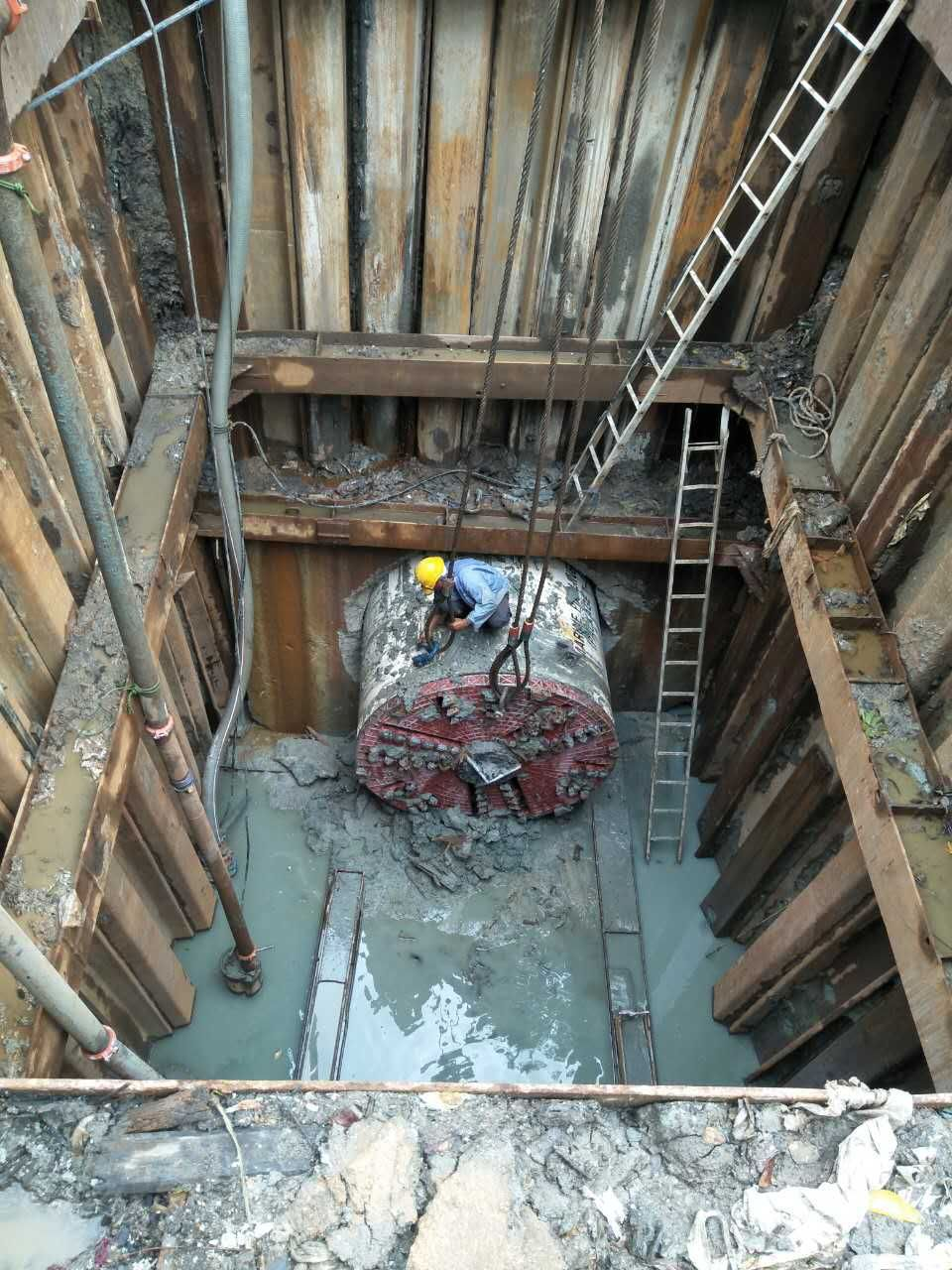
Კი, მილების ჩასაყენებლად გამოყენებული მანქანა შეიძლება ეფექტურად მუშაობდეს მაღალი საწყლო დონის ქვეშ, როცა იგი სწორად არის დიზაინირებული და შესაბამისი საწყლო მენეჯმენტის სისტემებით არის აღჭურვილი. თანამედროვე მილების ჩასაყენებლად გამოყენებული მანქანის ტექნოლოგია მოიცავს სრულყოფილ მიწის წნევის ბალანსირების სისტემებს, დახურულ ჭრის კომპარტიმენტებს და განვითარებულ წყლის გამოცხრობის შესაძლებლობებს, რაც საშუალებას აძლევს წარმატებით განხორციელდეს გამოქვეყნების მშენებლობა საერთოდ რთულ ჰიდროგეოლოგიურ პირობებშიც. გასაღები მდებარეობს სწორი აღჭურვილობის კონფიგურაციის არჩევაში და გამოქვეყნების პროცესის განმავლობაში საწყლო კონტროლის შესაბამისი ღონისძიებების გატარებაში.
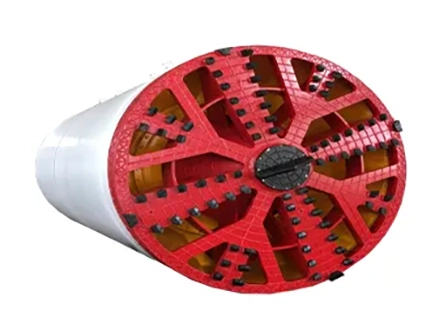
Მაღალი სარეცხი წყლის პირობები წარმოადგენს უნიკალურ ინჟინერულ გამოწვევებს, რომლებიც მოითხოვს ჰიდროსტატიკური წნევის, ნიადაგის სტაბილურობის და აღჭურვილობის დაზერეკების სისტემების სწორად შეფასებას. მიწის წნევის ბალანსის ტექნოლოგიით აღჭურვილი, კარგად კონფიგურირებული მილების ჩასაყრელი მანქანა შეძლებს გამონაკვეთის სტაბილურობის შენარჩუნებას ერთდროულად სარეცხი წყლის შეღწევის მართვას. სხვადასხვა ტიპის მილების ჩასაყრელი მანქანების ექსპლუატაციური შესაძლებლობებისა და შეზღუდვების გაგება გახდება გადამწყვეტი მნიშვნელობის ფაქტორი პროექტის წარმატებისთვის წყლით დასავსებული ნიადაგის პირობებში.
Მილების ჩასაყრელი ოპერაციებში სარეცხი წყლის მართვის სისტემები
Მიწის წნევის ბალანსის ტექნოლოგია
Დედამიწის წნევის ბალანსირების სისტემები წარმოადგენენ ძირეულ ტექნოლოგიას, რომელიც საშუალებას აძლევს მილების ჩასაყენებლად მოწყობილობას ეფექტურად მუშაობის უზრუნველყოფას მაღალი გრუნტის წყლის გარემოში. ეს ტექნოლოგია ამყოფებს წნევის ბალანსს გრუნტის წყლის ჰიდროსტატიკური წნევასა და მანქანის ჭრის კამერას მიერ გამოყენებული მხარდაჭერის წნევას შორის. სისტემა უწყვეტად აკონტროლებს და არეგულირებს გამოკვეთის კამერაში არსებულ წნევას იმის თავიდან ასაცილებლად, რომ არ მოხდეს წყლის შემოსვლა და გრუნტის ჩამოვარდნა.
Დედამიწის წნევის ბალანსირების მილების ჩასაყენებლად მოწყობილობის ჭრის კამერა მუშაობს როგორც დახურული გარემო, სადაც გამოკვეთილი ნიადაგი პირობითი დამატებებთან ერთად იქმნება პლასტიკური, წყალგაუმტარი ბარიერი. ეს ბარიერი არ აძლევს გრუნტის წყლს შესვლის საშუალებას გამონაკვეთში და ამავე დროს არ აძლევს გამონაკვეთის წინა მხარეს საკმარის წნევას მის მხარდაჭერად. საერთაშორისო სტანდარტების შესაბამად შემუშავებული წნევის სენსორები და ავტომატიზებული მარეგულირებელი სისტემები უზრუნველყოფენ რეალურ დროში ხდება მოწყობილობის პარამეტრების მუდმივ არეგულირებას და ამ გზით უზრუნველყოფენ სამუშაო პირობების ოპტიმალურ შენარჩუნებას მთელი გამონაკვეთის პროცესის განმავლობაში.
Საჭიროებს საკმარისად მნიშვნელოვან საკითხს სათანადო ნიადაგის მომზადება მილების ჩასაყვანად მანქანის მუშაობის დროს მაღალი წყლის დონის ქვეშ. საყაროს, ბენტონიტის ან პოლიმერული ხსნარების დამატება გამოკვეთილ ნიადაგს აქცევს სტაბილურ და მუშაობად საშუალებად, რომელიც ეფექტურად იცავს წყლის შეღწევას. ეს მომზადების პროცესი ასევე ამარტივებს ნიადაგის ამოღებას სახრახნის კონვეიერის სისტემით და ამავე დროს არ არღვევს საჭიროებულ წნევის ბალანსს.
Დახურული ჭრის კამერის დიზაინი
Თანამედროვე მილების ჩასაყვანად მანქანის ჭრის კამერის დიზაინი მოიცავს რამდენიმე დამახსოვრების სისტემას, რათა გამორიცხოს მიწისქვეშა წყლის შეღწევა გამოქვეყნების დროს. ჭრის თავის გარშემო მთავარი დამახსოვრების სისტემები ქმნის პირველად ბარიერს წყლის შეღწევის წინააღმდეგ, ხოლო მეორადი დამახსოვრების სისტემები მთავარი დამახსოვრების სისტემის მოწყდების შემთხვევაში უზრუნველყოფს დამატებით დაცვას. ეს რეზერვული დამახსოვრების სისტემები უზრუნველყოფს უწყვეტ მუშაობას მიუხედავად მიწისქვეშა წყლის წნევის ცვალებადობის.
Ჭრის კომპარტმენტის წნევის მონიტორინგის სისტემები უწყვეტად აკონტროლებს საწყლის წნევასა და კომპარტმენტის წნევას შორის ბალანსს, რათა შეინარჩუნოს ოპტიმალური გამოქვეყნების პირობები. როცა მილების ჩასაყენებლად გამოყენებადი მანქანა მოქმედებს მაღალი საწყლის პირობებში, კომპარტმენტის წნევას უნდა უდრებდეს ან მცირედ აღემატებოდეს მიწის და წყლის ერთობლივ წნევას, რათა თავიდან აიცილოს წყლის შემოსვლა და არ გამოიწვიოს ძალზე მაღალი წნევის გამო მიწის აწევა ან მოწყობილობის დაზიანება.
Ჭრის კომპარტმენტში მასალის ამოღების სისტემებს ასევე უნდა შეეძლოს მაღალი საწყლის პირობებში ტიპურად მაღალი ტენიანობის მქონე მასალების მოვლა. ცვლადი ფართობის მქონე გაუმჯობესებული სახრახის კონვეიერები ეხმარება გამოყენებული ნიადაგის გაზრდილ პლასტიკურობის მართვაში, ხოლო ერთდროულად არ აფერხებს ეფექტურ გამოქვეყნების ტემპს. კომპარტმენტის სწორი დიზაინი უზრუნველყოფს იმას, რომ მილების ჩასმის მანქანა შეძლებს მუდმივი წინსვლის ტემპის შენარჩუნებას გამოქვეყნების სტაბილურობის დაუზიანებლად.
Მაღალი საწყლის პირობებში ექსპლუატაციის განსაკუთრებული ასპექტები
Მშენებლობამდელი საწყლის შეფასება
Სადგურის მშენებლობის დაწყებამდე მილების ჩასახველი მანქანის წარმატებული ექსპლუატაციისთვის მაღალი სარეცხი წყლის პირობებში საჭიროებს სრულფასოვან ჰიდროგეოლოგიურ კვლევას. სარეცხი წყლის დონის მონიტორინგი, შეღებავობის ტესტირება და სეზონური ცვალებადობის ანალიზი აძლევს არსებით მონაცემებს აღჭურვილობის არჩევანისა და ექსპლუატაციის გეგმის შედგენისთვის. სარეცხი წყლის მოძრაობის შესახებ ცოდნა საშუალებას აძლევს ინჟინერებს განსაზღვრონ კონკრეტული სამშენებლო მოედნის პირობების მიხედვით შესაბამო წნევის პარამეტრები და გარემოს მოსაწყობარებლად მოსამზადებლად სტრატეგიები.
Მილების ჩასახველი მანქანის შესაფასებლად მაღალი სარეცხი წყლის პროექტების შემთხვევაში ნიადაგის კლასიფიკაცია განსაკუთრებით მნიშვნელოვანი ხდება. კოეზიური ნიადაგები საერთოდ უკეთ იძლევიან მიწის წნევის ბალანსის სისტემებს, ხოლო გრანულური ნიადაგების შემთხვევაში შეიძლება დამატებითი სტაბილიზაციის ღონისძიებების გატარება მოუწამოდეს. ნიადაგის ტიპსა და სარეცხი წყალს შორის ურთიერთქმედება ქმნის სხვადასხვა გამოწვევას, რომელსაც საჭიროებს შესაბამო აღჭურვილობის კონფიგურაცია და ექსპლუატაციის პროცედურები.
Სეზონური გრუნტქვეშა წყლის რყევები შეიძლება მნიშვნელოვნად იმოქმედოს მილების ჩასახველი მანქანების მუშაობაზე, რაც მოითხოვს მოქნილ ექსპლუატაციურ სტრატეგიებს, რომლებიც შეძლებენ ცვალებადი პირობების მიღებას. გასასვლელი გამოყენების მიმართულებით დაყენებული კონტროლის ჭურვები საშუალებას აძლევენ რეალურ დროში გრუნტქვეშა წყლის მონაცემების მიღებას, რაც მანქანის პარამეტრების პირობების ცვლილების შემთხვევაში მოწყობილობის ოპერატორებს შესაძლებლობას აძლევს მათ შეამოწმონ. ეს პროაქტიული მიდგომა საშუალებას აძლევს პროექტის მთელი ხანგრძლივობის განმავლობაში საუკეთესო სამუშაო შედეგების მიღებას.
Წინსვლის სიჩქარე და წარმოების ოპტიმიზაცია
Მაღალი გრუნტქვეშა წყლის დონის ქვეშ მილების ჩასახველი მანქანის ექსპლუატაცია ჩვეულებრივ მოითხოვს შუშველი წინსვლის სიჩქარეს მშრალი მიწის პირობებთან შედარებით. საკმარისი ნაკლები სიჩქარის მიღება და წნევის მართვა საჭიროებს დამატებით დროს, რაც ზემოქმედებს საერთო წარმოების გრაფიკზე, მაგრამ უზრუნველყოფს გასასვლელის უსაფრთხო და წარმატებულ დასრულებას. ოპერატორებს უნდა შეადარონ წარმოების მიზნები და გასასვლელის სტაბილურობის დასამყარებლად საჭიროებული ტექნიკური მოთხოვნები რთული მიწის პირობებში.
Გამოკვეთის პარამეტრების უწყვეტი მონიტორინგი მნიშვნელოვნად ამაღლებს მილების ჩასმის მანქანების ეფექტურობას მაღალი გრუნტის წყლის გარემოში. ძირევანი პარამეტრები მოიცავს ჭრის კამერის წნევას, ტორქის მაჩვენებლებს, წინსვლის ძალას და ნიადაგის მომზადების სიჩქარეს. რეალური დროის მონაცემების ანალიზი საშუალებას აძლევს ოპერატორებს მიმდინარე მუშაობის პირობების მაქსიმალურად ოპტიმალურად შესანარჩუნებლად და მოწყობილობის პრობლემების ან გამოკვეთის არასტაბილურობის თავიდან ასაცილებლად მიმდინარე კორექტირებების ჩატარებას.
Მასალების მოძრავების სისტემები უნდა შეძლოს მაღალი გრუნტის წყლის არეებში მომზადებული ნიადაგის გაზრდილი მოცულობისა და შეცვლილი მახასიათებლების მოსახლეობა. გაუმჯობესებული კონვეიერული სისტემები და დამუშავების საშუალებები ხელს უწყობს მაღალი ტენიანობის მართვას და მიწის მოხსნის ეფექტური სიჩქარის შენარჩუნებას. გაზრდილი მიწის მოცულობის და დამუშავების მოთხოვნილებების სათანადო განაკვეთი უზრუნველყოფს მილების ჩასმის მანქანების უწყვეტ მუშაობას.
Მოწყობილობის არჩევანი და კონფიგურაციის მოთხოვნილებები
Მანქანის ზომა და სიმძლავრის სპეციფიკაციები
Საჭიროებს ფრთხილ შეფასებას მიწისქვეშ მაღალი გრუნტის წყლის დონის პირობებში შესატანად შესაბამისი მილის ჩასაყენებლად მანქანის არჩევა, რათა განსაკუთრებით შეიძლება შეფასდეს მისი ტექნიკური მახასიათებლები და შესაძლებლობები. დიდი დიამეტრის მანქანები საერთოდ უფრო მაღალ სტაბილურობას და წნევის მართვის შესაძლებლობას აძლევენ მიწისქვეშ მაღალი გრუნტის წყლის დონის პირობებში მუშაობის დროს. გაზრდილი კვეთის კამერის მოცულობა საშუალებას აძლევს უფრო ეფექტურად განხორციელდეს ნიადაგის მომზადება და წნევის კონტროლი, რაც მიიყვანებს მუშაობის სიმდგრადობის გაუმჯობესებას.
Მილის ჩასაყენებლად მანქანის საჭიროების ელექტროენერგია მიწისქვეშ მაღალი გრუნტის წყლის დონის პირობებში ჩვეულებრივ აღემატება სტანდარტული გამოყენების შემთხვევებში საჭიროებულ ენერგიას, რადგან დამატებითი ენერგია სჭირდება წნევის მართვის და ნიადაგის მომზადების დასამუშავებლად. გაუმჯობესებული ჰიდრავლიკური სისტემები, უფრო ძლიერი კვეთის ძრავები და განახლებული მასალის მოძრავე აღჭურვილობა ყველა ერთად ამატებს ენერგიის საჭიროებას. საკმარისი ელექტროენერგიის მიწოდების უზრუნველყოფა უზრუნველყოფს უწყვეტი მუშაობის საჭიროებებს.
Ჯეკირების ძალის გამოთვლებს უნდა შეიტანოს დამატებითი წინააღმდეგობა, რომელიც არის მისაღები მილის ჯეკირების მანქანის ექსპლუატაციის დროს სავსე წყლით დასრულებულ გრუნტში. მილსა და გარშემომყოფ გრუნტს შორის მაღალი ხახუნის ძალები, ასევე ნელი წინსვლის სიჩქარის საჭიროება, მოითხოვს გაზრდილ ჯეკირების შესაძლებლობას. დამატებითი ჯეკირების სისტემები საშუალებას აძლევენ გრძელი გამონაკვეთების მიღების დროს განსაკუთრებული წყლის დონის პირობებში დამატებითი უსაფრთხოების უზრუნველყოფას.
Სპეციალიზებული კომპონენტების მოთხოვნები
Მაღალი წნევის დასრეცხვის სისტემები წარმოადგენენ არსებით კომპონენტებს მილის ჯეკირების მანქანების მუშაობის დროს მაღალი წყლის დონის ქვეშ. პირველადი და მეორადი დასრეცხვის შეკრებები უნდა გამძლეობდნენ გასაგრძელებელ ჰიდროსტატიკურ წნევას, ხოლო ერთდროულად უნდა უზრუნველყოფდნენ სანდო მუშაობას გრძელი პერიოდის განმავლობაში. წყლის შეღწევის თავიდან აცილების და ექსპლუატაციური ეფექტურობის შენარჩუნების მიზნით რეგულარული დასრეცხვის შემოწმებისა და მოვლის პროტოკოლები ხდება განსაკუთრებულად მნიშვნელოვანი.
Გაუმჯობესებული ნიადაგის მოვლის სისტემები საშუალებას აძლევს სადგანზე მოთავსებულ მილების ჩასაყვანი მანქანას ეფექტურად მართოს მაღალი წყლის დონის გარემოში დამახინჯებული ნიადაგის პირობები. ცვალებადი საყინულის შეყვანის სიჩქარე, პოლიმერების დამატების სისტემები და ბენტონიტის შერევის შესაძლებლობა მომხმარებლებს სთავაზობს რამდენიმე ვარიანტს ნიადაგის ოპტიმალური პლასტიკობის მისაღებად. ამ სისტემებს უნდა ჰქონდეს საკმარისი სიმტკიცე იმ მოთხოვნით სავსე პირობებში უწყვეტად მუშაობის უნარი.
Როდესაც სადგანზე მოთავსებული მილების ჩასაყვანი მანქანა მუშაობს მაღალი წყლის დონის პირობებში, რომლებშიც მოწყობილობის გამო შეიძლება მნიშვნელოვანი სირთულეები წარმოიქმნას, დამატებითი და რეზერვული სისტემები უფრო მნიშვნელოვანი ხდება. დუბლირებული წნევის მონიტორინგის სისტემები, რეზერვული ელექტრომომარაგების წყაროები და ავარიული დახურვის პროცედურები სამუშაო შეწყვეტების წინააღმდეგ რამდენიმე დაცვის დონეს უზრუნველყოფს. ეს სასინამდვილო სისტემები დაგეგმილი სამუშაოების დასრულებას უზრუნველყოფს, მაშინაც კი, როდესაც გაუთავებელი სირთულეები წარმოიქმნება.
Რისკების მართვა და უსაფრთხოების პროტოკოლები
Საწყლის მონიტორინგი და კონტროლი
Საერთო მიწისქვეშა წყლის მონიტორინგი ქმნის უსაფრთხო მილების ჯეკინგის მანქანების ოპერაციების საფუძველს მაღალი წყლის დონის პირობებში. გამარშვების მიმართულებაში განლაგებული მრავალდონიანი მონიტორინგის კლადები აძლევს რეალურ დროში მიწისქვეშა წყლის დონეების, წნევის ცვლილებების და გამარშვების დროს შესაძლო ნაკადების ცვლილებების შესახებ მონაცემებს. ეს მონიტორინგის სისტემა საშუალებას აძლევს ოპერატორებს წინასწარ გამოირკვიონ და შეესაბამებინ ცვლილებებს მანამ, სანამ ისინი არ აისახებიან მანქანების მუშაობაზე ან გამარშვების სტაბილურობაზე.
Უნდა დამტკიცდეს ავარიული რეაგირების პროცედურები იმ შემთხვევებში, როდესაც მიწისქვეშა წყლის პირობები აღემატებიან მილების ჯეკინგის მანქანების ექსპლუატაციურ შესაძლებლობებს. ამ პროცედურებში შედის დამატებითი წნევის მორგების პროტოკოლები, ავარიული დასახურების ზომები და პერსონალისა და მანქანების დაცვის მიზნით შემუშავებული მოწყობილობის გამორთვის თანმიმდევრობები. რეგულარული სწავლება უზრუნველყოფს იმ ფაქტს, რომ ოპერატორები შეძლებენ სწრაფად და ეფექტურად რეაგირებას მიწისქვეშა წყლის გარეგნულად გამოჩენილ სიტუაციებზე.
Წყლის გადასხევას შეიძლება გამოყენებულ იქნას მილების ჩასაყენებლად მოწყობილობების ოპერაციებთან ერთად, რათა შემცირდეს მიწისქვეშა წყლის წნევა და გაუმჯობესდეს სამუშაო პირობები. მიუხედავად იმისა, რომ თანამედროვე მიწის წნევის ბალანსირების სისტემების შემთხვევაში ეს არ არის ყოველთვის აუცილებელი, სტრატეგიული წყლის გადასხევა შეიძლება დაამატოს დამატებითი უსაფრთხოების ზღვარი და გააუმჯობესოს მთლიანი პროექტის ეფექტურობა. წყლის გადასხევის განხორციელების გადაწყვეტილების მიღებისას უნდა განხილულ იქნას გარემოზე მოქმედება და მიწისქვეშა წყლის მართვის მიმართ ადგილობრივი რეგულაციები.
Ხარისხის კონტროლი და შესრულების ვერიფიკაცია
Რეგულარული შესრულების ვერიფიკაცია უზრუნველყოფს მილების ჩასაყენებლად მოწყობილობის ეფექტური მუშაობის განმავლობას მაღალი მიწისქვეშა წყლის მქონე პროექტების განმავლობაში. ყოველდღიური მოწყობილობის შემოწმება, წნევის სისტემის ტესტირება და სილიკონის სიმკვრივის შემოწმება ეხმარება პოტენციური პრობლემების ადრეულ აღმოჩენაში, სანამ ისინი შეიძლება შეაფერხონ ექსპლუატაციის უსაფრთხოება ან ეფექტურობა. მომსახურების განრიგები უნდა შეიცვალოს მიწისქვეშა წყლის მაღალი დონის გარემოში განპირობებული უფრო მოთხოვნადი ექსპლუატაციური პირობების გათვალისწინებით.
Ტუნელის გასწორების სიზუსტის შენარჩუნება უფრო რთულდება მილის ჯეკინგის მანქანის მუშაობის დროს მაღალი გრუნტში არსებული წყლის დონის ქვეშ, რადგან შესაძლებელია გრუნტის მოძრაობა და მოწყობილობის გადახრა. გაუმჯობესებული მიმართვის სისტემები და უფრო ხშირად ჩატარებული გეოდეზიური შემოწმებები ეხმარება ტუნელის ზუსტი გასწორების შენარჩუნებას მიუხედავად რთული ექსპლუატაციური პირობების.
Ტუნელირების პროცესის მანძილაზე ექსპლუატაციური პარამეტრების დოკუმენტირება აძლევს მნიშვნელოვან მონაცემებს პროექტის ოპტიმიზაციისა და მომავალში სასარგებლო საბუთების მიზნით. წნევის პარამეტრების, წინსვლის სიჩქარის, ნიადაგის კონდიციონირების პარამეტრების და გრუნტში არსებული წყლის პირობების დეტალური ჩანაწერები ეხმარება წარმატებული ექსპლუატაციური სტრატეგიების და გასაუმჯობესებლად დასატოვებლად მონაცემების იდენტიფიცირებაში. ეს დოკუმენტაცია განსაკუთრებით მნიშვნელოვანი ხდება მსგავსი პროექტების შემთხვევაში, რომლებიც მსგავსი გრუნტის პირობებში ხორციელდება.
Ხშირად დასმული კითხვები
Რა არის მილის ჯეკინგის მანქანის მიერ შესაძლებელი მაქსიმალური გრუნტში არსებული წყლის წნევა?
Უმეტესობა თანამედროვე წყლის წნევის ბალანსირების მიხედვით მოქმედებადი მილების ჯეკინგის მანქანები შეძლებს ეფექტურად მუშაობას წყლის წნევის 6–8 ბარ და მის შესაბამისად 60–80 მეტრი წყლის სვეტის მაღალი წნევის პირობებში. თუმცა, ფაქტობრივი მუშაობის ზღვარი დამოკიდებულია კონკრეტული მანქანის დიზაინზე, სიგელის სისტემის შესაძლებლობებზე და გრუნტის პირობებზე. სპეციალიზებული მანქანები, რომლებიც შეიძლება გამოყენებულ იქნას ექსტრემალური პირობებში, შეძლებენ კიდევე უფრო მაღალი წნევის მორგებას შესაბამისი მოდიფიკაციებისა და უსაფრთხოების სისტემების გამოყენებით.
Როგორ აისახება მაღალი წყლის დონე გამონაკვეთის მშენებლობის გრაფიკზე?
Მაღალი წყლის დონის პირობებში გამონაკვეთის მშენებლობის გრაფიკი ჩვეულებრივ გასტანდება 15–25%-ით შუშველი მიწის პირობებში მშენებლობასთან შედარებით, რადგან გამონაკვეთის წინსვლის სიჩქარე მცირდება და მეტი დრო სჭირდება ნიადაგის მომზადებასა და წნევის მართვას. დამატებითი დრო უნდა გამოყოფილ იქნას წყლის დონის მონიტორინგის, მოწყობილობის მოვლის და შესაძლო საკონტინგენტო ღონისძიებების განხორციელების მიზნით. საკმარისად სწორი პროექტის განხორციელების დროს ამ ფაქტორების გათვალისწინება აუცილებელია რეალისტული დასრულების გრაფიკის შესადგენად.
Შეიძლება თუ არა მილების ჩასაყენებლად გამოყენებული მანქანების მუშაობა არტეზიანი წყლის პირობებში?
Კი, მილების ჩასაყენებლად გამოყენებული მანქანები, რომლებიც აღჭურვილია სრულყოფილი მიწის წნევის ბალანსირების სისტემებით, შეძლებენ წარმატებულად მუშაობას არტეზიანი წყლის პირობებში, სადაც წყლის წნევა აღემატება ატმოსფერულ წნევას. თუმცა, ამ პირობებში სჭირდება გაძლიერებული დასახურველი სისტემები, გაზრდილი კამერის წნევის შესაძლებლობები და სპეციალიზებული ექსპლუატაციური პროცედურები. წნევის სხვაობების მონიტორინგი ხდება განსაკუთრებით მნიშვნელოვანი იმისთვის, რომ გამოირიცხოს როგორც წყლის შეღწევა, ასევე მიწის არასტაბილურობა გამოქვაბულების დროს.
Რომელი სარეზერვო სისტემებია აუცილებელი მაღალი მიწისქვეშა წყლის დონის პირობებში მილების ჩასაყენებლად გამოყენებული პროექტებისთვის?
Მაღალი მიწისქვეშა წყლის დონის პირობებში მილების გადატანის პროექტებისთვის საჭიროებული საერგო სისტემები მოიცავს რეზერვულ წნევის მონიტორინგის მოწყობილობებს, ავარიული დახურვის მასალებს, კრიტიკული სისტემებისთვის რეზერვულ ელექტრომომარაგებას და ალტერნატიულ ნიადაგის კონდიციონირების შესაძლებლობებს. ამასთან, უნდა იყოს ხელმისაწვდომი ავარიული გრუტირების სისტემები და სწრაფი რეაგირების პროტოკოლები, რათა გადაჭრას ან მოწყობილობის გამო წარმოშობილი არასასურველი სიტუაციები მოერგოს. ეს საერგო სისტემები უზრუნველყოფს რამდენიმე დაცვის დონეს, რაც უზრუნველყოფს პროექტის უსაფრთხო დასრულებას.
Სარჩევი
- Მილების ჩასაყრელი ოპერაციებში სარეცხი წყლის მართვის სისტემები
- Მაღალი საწყლის პირობებში ექსპლუატაციის განსაკუთრებული ასპექტები
- Მოწყობილობის არჩევანი და კონფიგურაციის მოთხოვნილებები
- Რისკების მართვა და უსაფრთხოების პროტოკოლები
-
Ხშირად დასმული კითხვები
- Რა არის მილის ჯეკინგის მანქანის მიერ შესაძლებელი მაქსიმალური გრუნტში არსებული წყლის წნევა?
- Როგორ აისახება მაღალი წყლის დონე გამონაკვეთის მშენებლობის გრაფიკზე?
- Შეიძლება თუ არა მილების ჩასაყენებლად გამოყენებული მანქანების მუშაობა არტეზიანი წყლის პირობებში?
- Რომელი სარეზერვო სისტემებია აუცილებელი მაღალი მიწისქვეშა წყლის დონის პირობებში მილების ჩასაყენებლად გამოყენებული პროექტებისთვის?