
 EN
EN
 AR
AR BG
BG HR
HR CS
CS FR
FR DE
DE EL
EL HI
HI IT
IT JA
JA KO
KO RO
RO RU
RU ES
ES TL
TL ID
ID LT
LT SK
SK SL
SL UK
UK VI
VI ET
ET TH
TH TR
TR FA
FA AF
AF MS
MS HY
HY AZ
AZ KA
KA BN
BN LO
LO LA
LA MN
MN NE
NE MY
MY KK
KK UZ
UZ KY
KY
A slurry balance pipe jacking machine represents one of the most effective solutions for underground pipe installation in challenging sandy gravel environments. The combination of slurry-based excavation and precision pressure balance makes this equipment uniquely suited to handle the complex soil conditions and groundwater pressures that define sandy gravel deposits. Understanding how a slurry balance pipe jacking machine operates and what makes it perform exceptionally in these soils is essential for project managers, engineers, and contractors planning subsurface infrastructure development.
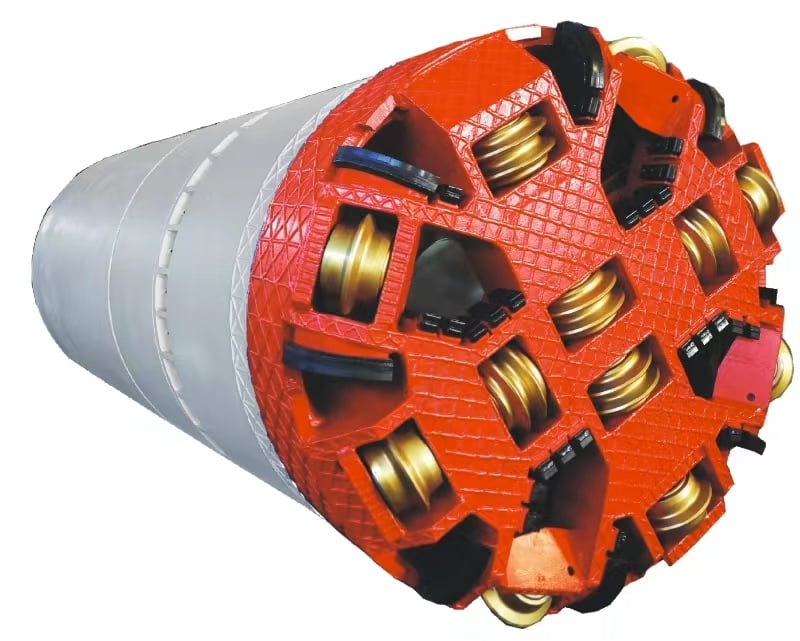
Sandy gravel presents distinct technical challenges that require specialized equipment and methodology. The unstable nature of loose sand particles combined with gravel fragments creates subsidence risk, water infiltration concerns, and tunnel wall collapse potential. A slurry balance pipe jacking machine addresses these challenges through its unique pressure compensation system and fluid excavation approach. The slurry balance pipe jacking machine maintains equilibrium between excavation pressure and ground stress, preventing sudden collapses while enabling consistent advancement through variable soil strata.
Core Technology Behind Slurry Balance Pipe Jacking Machine Performance
Slurry-Based Excavation and Soil Conditioning
The slurry balance pipe jacking machine utilizes pressurized slurry as both an excavation medium and soil conditioning agent. In sandy gravel formations, slurry serves multiple critical functions. First, the slurry balance pipe jacking machine creates a controlled support at the tunnel face, counteracting the destabilizing effect of loose sand and gravel particles. Second, the slurry condition improves with bentonite and polymer additives that coat fine sand grains, reducing permeability and enhancing cohesion. Third, the slurry balance pipe jacking machine enables spoil evacuation without allowing sand migration into the machine, maintaining face stability throughout the jacking process.
Sandy gravel's permeability makes conventional open-face excavation impractical. The slurry balance pipe jacking machine overcomes this limitation by maintaining continuous slurry pressure at the excavation face. This pressure-driven approach prevents groundwater ingress and sand-face flow-in, conditions that would otherwise compromise tunnel geometry and machine safety. The slurry balance pipe jacking machine's excavation chamber remains flooded with conditioned slurry, creating a stable working environment regardless of groundwater table depth.
Pressure Balance and Face Control
The defining characteristic of a slurry balance pipe jacking machine is its ability to independently control face pressure and tail pressure. In sandy gravel, face pressure must overcome water pressure, earth pressure, and friction resistance simultaneously. The slurry balance pipe jacking machine achieves precision through a closed-loop pressure monitoring system that adjusts slurry pressure in real time based on ground response signals. This dynamic adjustment capability makes the slurry balance pipe jacking machine superior to fixed-pressure systems in heterogeneous sandy gravel strata where soil density and water saturation vary significantly.
When a slurry balance pipe jacking machine encounters variable sandy gravel layers, its pressure compensation system responds instantaneously to prevent overpressure-induced ground heave or underpressure-induced face collapse. Sandy gravel's loose particle structure amplifies the consequences of pressure imbalance, making the slurry balance pipe jacking machine's closed-loop control essential for predictable, safe excavation. The slurry balance pipe jacking machine maintains stable working conditions that conventional open-face or compressed air alternatives cannot achieve.
Sandy Gravel Characteristics and Machine Adaptation
Soil Composition Challenges and Equipment Response
Sandy gravel deposits typically consist of poorly sorted particles ranging from sand-size (0.1–2 mm) to larger gravel fragments (larger than 4 mm), often with interstitial fines. This heterogeneous composition requires adaptive excavation strategies. A slurry balance pipe jacking machine handles this variability through scalable cutter head design and adjustable slurry properties. The slurry balance pipe jacking machine's cutter head features robust disc cutters and scrapers optimized for fractured gravel while remaining efficient in softer sand zones. Different slurry balance pipe jacking machine configurations allow contractors to optimize equipment specifications for specific sandy gravel geology before project mobilization.
Permeability in sandy gravel formations often exceeds 10 meters per day, meaning water moves rapidly through void spaces. The slurry balance pipe jacking machine counters this high permeability by maintaining positive slurry pressure that exceeds hydrostatic pressure plus earth stress. This overpressure prevents water ingress and keeps excavation conditions stable. The slurry balance pipe jacking machine's spoil separation system then efficiently removes slurry and returns conditioning agents for recirculation, an economical necessity in long-distance sandy gravel drives where slurry volume can reach thousands of cubic meters per project.
Groundwater Management in Sandy Gravel Environments
Many sandy gravel deposits lie beneath or near water tables, making groundwater control critical. Traditional dewatering approaches become impractical over extended project durations, but a slurry balance pipe jacking machine eliminates this concern through its enclosed excavation approach. The slurry balance pipe jacking machine's pressure maintenance keeps groundwater outside the tunnel, protecting the working environment and preventing dewatering-induced ground settlement that can damage nearby structures. For large-diameter pipeline projects traversing sandy gravel, the slurry balance pipe jacking machine offers both technical superiority and reduced environmental impact compared to dewatering-dependent methods.
Operational Advantages and Project Efficiency
Advance Rate and Production Consistency
The slurry balance pipe jacking machine delivers higher advance rates in sandy gravel than alternative trenchless technologies. By maintaining optimal face pressure and soil conditioning through slurry additives, the slurry balance pipe jacking machine achieves consistent daily production even in problematic sandy gravel strata. Project schedules for long-distance utility corridors become predictable when deploying a slurry balance pipe jacking machine, reducing contingency duration and associated costs. Average advance rates with a slurry balance pipe jacking machine in sandy gravel range from 40 to 100 meters per week, depending on geology, pipe diameter, and machine specifications, compared to significantly slower rates with alternative methods.
Consistency matters in underground infrastructure projects because delays trigger cascading impacts on subsequent stages and related construction activities. A slurry balance pipe jacking machine minimizes unplanned stoppages by automatically compensating for ground variability. When a slurry balance pipe jacking machine encounters transition zones between sandy gravel and clay or sandy gravel and dense rock, its pressure adjustment system maintains excavation rhythm without manual intervention delays. This autonomous face control capability directly translates to improved project economics and reduced overall construction duration.
Safety and Environmental Compliance
Safety advantages of a slurry balance pipe jacking machine include elimination of confined space entry into unstable sandy gravel tunnels. Conventional tunnel mining methods require personnel to work inside soft ground environments where collapse risk is significant, but a slurry balance pipe jacking machine operates remotely from a surface control station. The slurry balance pipe jacking machine's closed system also prevents uncontrolled ground heave that might damage surface infrastructure or disrupt utilities. Environmental compliance becomes straightforward with a slurry balance pipe jacking machine because slurry treatment occurs in controlled facilities where solids separation, water recycling, and waste disposal follow regulatory standards without fugitive emissions or unconditioned discharge concerns.
FAQ
Why is slurry balance pipe jacking machine technology preferred over shield tunneling in sandy gravel?
A slurry balance pipe jacking machine provides superior face support in sandy gravel through its pressurized slurry system, which maintains contact with all tunnel face surfaces regardless of grain size distribution. Shield tunneling often requires high-pressure compressed air to stabilize sandy faces, creating decompression hazard exposure for workers and increasing safety complexity. The slurry balance pipe jacking machine eliminates this hazard while delivering comparable or better face stability through independent pressure control. Additionally, a slurry balance pipe jacking machine efficiently handles large individual gravel particles that might jam compressed air systems, making sandy gravel projects substantially more manageable.
How does a slurry balance pipe jacking machine prevent sand and gravel loss during excavation?
The slurry balance pipe jacking machine maintains constant positive pressure in its excavation chamber that exceeds pore water pressure and earth stress combined. This pressure prevents sand particles from flowing toward the machine, keeping excavation material contained until the slurry balance pipe jacking machine transports it to surface separation equipment. Slurry additives condition sand grains by coating them with bentonite layers that increase effective cohesion, further preventing particle migration. The slurry balance pipe jacking machine's spoil handling system uses cyclones and hydrocyclones to separate excavated material from slurry, enabling material tracking and waste management while recirculating conditioned slurry for reuse.
What maintenance requirements does a slurry balance pipe jacking machine demand during sandy gravel operations?
Regular maintenance of a slurry balance pipe jacking machine during sandy gravel projects includes disc cutter inspection and replacement every 150 to 300 meters of advance, depending on gravel hardness and fragmentation patterns. Slurry system maintenance involves daily viscosity and density monitoring to ensure proper conditioning; cutter head and scrapers require periodic cleaning to prevent buildup from sticky sand or clay interbeds. The slurry balance pipe jacking machine's pressure sensors and control systems need calibration checks weekly to maintain accuracy. Proper maintenance discipline ensures a slurry balance pipe jacking machine operates at design efficiency and prevents equipment downtime that could disrupt project schedules or compromise ground safety.
Table of Contents
- Core Technology Behind Slurry Balance Pipe Jacking Machine Performance
- Sandy Gravel Characteristics and Machine Adaptation
- Operational Advantages and Project Efficiency
-
FAQ
- Why is slurry balance pipe jacking machine technology preferred over shield tunneling in sandy gravel?
- How does a slurry balance pipe jacking machine prevent sand and gravel loss during excavation?
- What maintenance requirements does a slurry balance pipe jacking machine demand during sandy gravel operations?