
 EN
EN
 AR
AR BG
BG HR
HR CS
CS FR
FR DE
DE EL
EL HI
HI IT
IT JA
JA KO
KO RO
RO RU
RU ES
ES TL
TL ID
ID LT
LT SK
SK SL
SL UK
UK VI
VI ET
ET TH
TH TR
TR FA
FA AF
AF MS
MS HY
HY AZ
AZ KA
KA BN
BN LO
LO LA
LA MN
MN NE
NE MY
MY KK
KK UZ
UZ KY
KY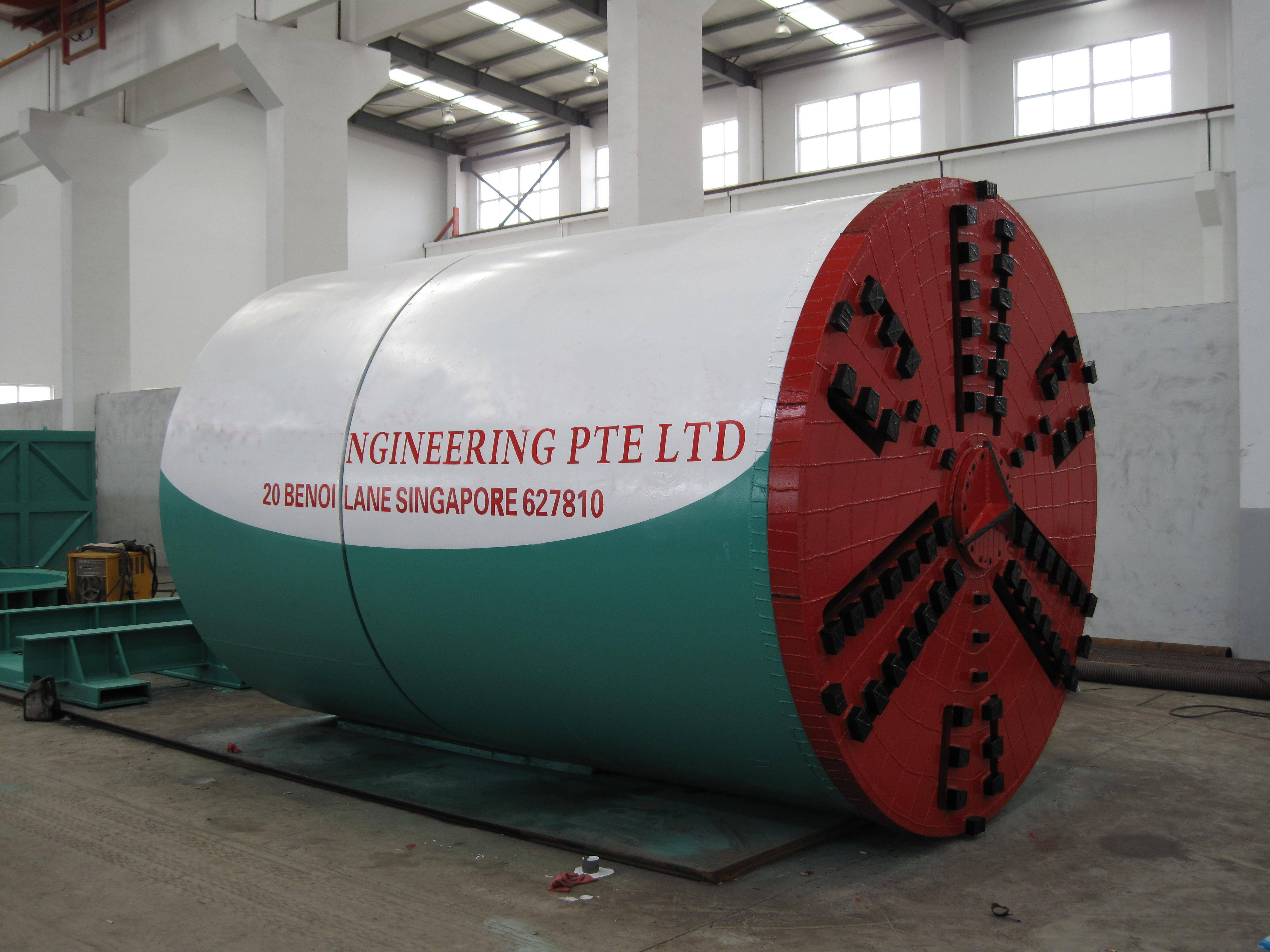
Selectarea mașinii adecvate de împingere a conductelor pentru proiectul dumneavoastră de construcții subterane necesită o analiză atentă a mai multor factori tehnici care influențează direct succesul proiectului, siguranța și eficiența costurilor. Cele două parametri cei mai critici care determină selecția mașinii sunt condițiile de sol de la locul de instalare și diametrul conductelor care urmează să fie montate, deoarece acești factori influențează cerințele de împingere, concepția capului de tăiere și specificațiile generale ale mașinii.

Înțelegerea modului în care caracteristicile solului și dimensiunile conductelor interacționează cu diferitele tipuri de mașini de împingere a conductelor permite managerilor de proiect și inginerilor să ia decizii informate, care optimizează performanța, reducând în același timp riscurile. Această analiză cuprinzătoare examinează relația tehnică dintre acești parametri cheie și oferă orientări practice privind selecția celei mai potrivite configurații de echipament pentru cerințele specifice ale proiectului.
Înțelegerea condițiilor de sol și a impactului acestora asupra selecției mașinii
Medii cu sol argilos și coeziv
Solurile argiloase și coezive prezintă provocări unice pentru operațiunile de împingere a conductelor, datorită tendinței lor de a adera la suprafețele de tăiere și de a crea fețe de săpare instabile. La alegerea unei mașini de împingere a conductelor pentru aceste condiții, sistemele de echilibrare a presiunii terenului se dovedesc cele mai eficiente, deoarece mențin stabilitatea feței de săpare prin aplicarea controlată a presiunii. Proiectarea roții de tăiere a mașinii trebuie să includă raclete specializate și sisteme de spălare pentru a preveni acumularea de argilă, care ar putea împiedica înaintarea.
Cerințele de cuplu cresc semnificativ în solurile coezive, necesitând sisteme de antrenare cu putere mai mare, capabile să depășească forțele de adeziune. Procesul de selecție a mașinii de împingere a tuburilor trebuie să țină cont de aceste cerințe sporite de putere, în special în proiectele care implică montarea unor tuburi de diametru mai mare, unde suprafața de contact cu argila crește exponențial. Agentele adecvate de condiționare și sistemele de injecție a spumei devin componente esențiale pentru menținerea eficienței tăierii.
Controlul tasărilor terenului dobândește o importanță critică în medii argiloase, deoarece aceste soluri prezintă un comportament de consolidare întârziată. Mașina de împingere a tuburilor aleasă trebuie să includă mecanisme precise de control al presiunii la fața de lucru, pentru a preveni excavarea excesivă, păstrând în același timp o susținere adecvată. Această cerință favorizează adesea sistemele cu față închisă în comparație cu variantele cu față deschisă în aplicațiile din soluri coezive.
Considerente legate de solurile nisipoase și granulare
Solurile nisipoase și granulare necesită caracteristici specifice ale mașinilor de forare subterană prin împingere, datorită naturii lor bine drenante și tendinței de instabilitate a feței de excavare în absența unui sprijin adecvat. Mașinile cu echilibrare a presiunii pământului se disting în aceste condiții, menținând o presiune pozitivă la fața de excavare, în timp ce permit extragerea controlată a materialului prin sistemul de transportor elicoidal. Configurația capului de tăiere trebuie să faciliteze un flux eficient al materialului, prevenind în același timp colapsul feței de excavare.
Considerentele legate de nivelul freatic devin esențiale în solurile nisipoase, deoarece curgerea apelor subterane poate destabiliza fața de excavare și poate cauza tasări la suprafață. Mașina de forare subterană prin împingere selectată trebuie să includă capacități eficiente de drenare sau sisteme etanșe rezistente la presiune, pentru a menține condiții de lucru controlate. Sistemele cu față închisă, echipate cu perete de etanșare sub presiune, oferă o performanță superioară în nisipurile cu apă comparativ cu variantele cu față deschisă.
Uzura abrazivă reprezintă o preocupare semnificativă în condiții nisipoase, necesitând componente pentru mașinile de forare prin împingere a tuburilor, cu rezistență îmbunătățită la uzură. Uneltele de tăiere, racletele și sistemele de transport trebuie să reziste expunerii prelungite particulelor abrazive fără a compromite performanța sau a necesita înlocuiri frecvente. Această considerentă influențează atât selecția inițială a echipamentului, cât și costurile operaționale pe termen lung.
Teren mixt și condiții variabile ale solului
Proiectele care întâlnesc condiții variabile ale solului de-a lungul traseului de forare necesită configurații versatilie ale mașinilor de forare prin împingere a tuburilor, capabile să se adapteze caracteristicilor variabile ale terenului. Sistemele multimodale, care pot comuta între regimul de echilibru al presiunii de pământ și cel de foraj cu noroi, oferă flexibilitatea optimă pentru aplicațiile în teren mixt. Selecția mașinii trebuie să acorde prioritate adaptabilității, nu specializării pentru un singur tip de sol.
Întâlnirea cu pietre și bolovani în condiții de teren mixt impune proiectarea mașinilor de forare subterană cu capacitate de zdrobire sau tăiere. Cutiile disc sau uneltele de tăiere a rocilor integrate în capul de forare permit continuarea avansării prin incluziunile dure, fără a fi necesară tratarea costisitoare a terenului sau modificarea traseului de forare. Capacitatea de împingere trebuie să acopere sarcinile suplimentare asociate operațiunilor de tăiere a rocilor.
Sistemele de monitorizare a solului și sistemele de control adaptativ devin caracteristici esențiale pentru aplicațiile în teren mixt, permițând operatorilor să ajusteze parametrii mașinii în funcție de condițiile care se schimbă. Mașina de forare subterană trebuie să integreze sisteme de feedback în timp real care să permită optimizarea vitezei de tăiere, a presiunii pe fața de lucru și a ratelor de extracție a materialului, în funcție de caracteristicile solului întâlnit.
Cerințe privind diametrul țevilor și dimensionarea mașinii
Considerente legate de instalarea țevilor de diametru mic
Aplicațiile de împingere a conductelor de diametru mic, de obicei în intervalul 300 mm – 1000 mm, necesită proiecte compacte de mașini pentru împingerea conductelor, care să echilibreze performanța cu constrângerile spațiale. Diametrul capului de tăiere al mașinii trebuie să asigure un joc adecvat în jurul conductei, reducând în același timp supraexcavarea, care ar putea duce la tasarea terenului. Capacitățile precise de ghidare devin din ce în ce mai importante, deoarece toleranțele mai mici lasă un spațiu redus pentru corecțiile de aliniere.
Cerințele de forță de împingere pentru instalațiile de diametru mic rămân, în general, moderate, dar mașina pentru împingerea conductelor trebuie totuși să furnizeze o forță suficientă pentru a depăși rezistența solului și frecarea conductei. Raportul dintre forța de împingere și diametru crește adesea pentru conductele mai mici, datorită frecării superficiale proporțional mai mari în raport cu aria secțiunii transversale a conductei. Această relație influențează proiectarea stației de împingere și necesitatea utilizării unor stații intermediare de împingere pentru trasee mai lungi.
Considerentele de acces influențează în mod semnificativ selecția mașinilor de forare prin împingere pentru proiectele cu diametru mic, deoarece spațiul de lucru limitat restricționează dimensiunea și opțiunile de configurare ale echipamentului. Proiectele modulare, care permit asamblarea în interiorul puțurilor de lansare restricționate, oferă avantaje față de unitățile mai mari, preasamblate. Sistemele de susținere ale mașinii, inclusiv unitățile de alimentare cu energie și cabinele de comandă, trebuie să se adapteze condițiilor strânse de pe șantier fără a compromite capacitatea operațională.
Aplicații de forare prin împingere pentru conducte de diametru mediu
Instalarea conductelor de diametru mediu, cuprins între 1000 mm și 2500 mm, oferă condiții optime pentru mașină de foraj cu țeavă performanță datorită raporturilor favorabile de împingere la diametru și constrângerilor rezonabile de spațiu. Proiectarea mașinii poate include sisteme complete de condiționare a solului, tehnologii avansate de ghidare și capacități robuste de manipulare a materialelor, fără penalizări excesive legate de dimensiune.
Configurațiile capului de tăiere pentru aplicații cu diametru mediu permit integrarea mai multor moduri de tăiere și sisteme de manipulare a materialelor. Proiectările cu echilibrare a presiunii terenului se dovedesc deosebit de eficiente în această gamă de dimensiuni, oferind o stabilitate excelentă a frontului de lucru, păstrând în același timp rate de excavare rezonabile. Capacitatea sistemului de transportor poate prelua volume mai mari de material fără a necesita componente supradimensionate.
Cerințele de precizie la ghidare sunt moderate pentru conducte de diametru mediu, deoarece spațiul de lucru mai mare oferă o toleranță mai mare pentru ajustările de aliniere. Totuși, mașina de împingere a conductelor trebuie să mențină totuși o ghidare precisă pentru a preveni deteriorarea conductelor și pentru a asigura conexiunile corecte ale îmbinărilor. Sistemele de ghidare cu laser și comenzile automate de ghidare devin caracteristici standard pentru menținerea alinierii pe lungimi extinse de foraj.
Diametru mare și aplicații speciale
Proiectele de forare cu tuburi de diametru mare, cu diametrul depășind 2500 mm, necesită proiecte specializate de mașini de forare cu tuburi, dotate cu capacitate sporită de împingere, sisteme sofisticate de manipulare a materialelor și capacități cuprinzătoare de control al terenului. Dimensiunea fizică a mașinii permite integrarea unor caracteristici avansate, cum ar fi camere de lucru sub presiune, aranjamente complexe de scule de tăiere și sisteme de transport a materialelor cu capacitate ridicată.
Cerințele de împingere cresc dramatic odată cu diametrul tubului, datorită suprafețelor de contact cu solul care se măresc exponențial și a greutății crescente a tuburilor. Mașina de forare cu tuburi trebuie să integreze sisteme de împingere de înaltă capacitate, capabile să genereze forțe care, în cazul celor mai mari instalații, depășesc frecvent 10.000 de tone. Stațiile intermediare de împingere devin esențiale pentru gestionarea acestor sarcini extreme și pentru prevenirea deteriorării tuburilor.
Controlul tasării terenului are o importanță critică pentru instalațiile de diametru mare, deoarece potențialul de perturbare a suprafeței crește odată cu mărimea săpăturii. Mașina de împingere a tuburilor trebuie să includă sisteme sofisticate de monitorizare și control al presiunii pentru a menține stabilitatea optimă a frontului de lucru, evitând în același timp suprapresiunea care ar putea cauza umflarea terenului. Sistemele de monitorizare în timp real și cele de control automat devin caracteristici esențiale de siguranță.
Specificații tehnice și parametri de performanță
Capacitatea de împingere și cerințele de putere
Capacitatea de împingere reprezintă parametrul fundamental de performanță care determină capacitatea unei mașini de împingere a tuburilor de a avansa tuburi prin diverse condiții de sol. Calculul împingerii necesare trebuie să țină cont de rezistența solului, frecarea tuburilor, sarcinile de direcționare și factorii de siguranță specifici condițiilor proiectului. Sistemul de împingere al mașinii trebuie să ofere rezerve suficiente de forță pentru a face față creșterilor neașteptate ale rezistenței, menținând în același timp rate controlate de avansare.
Cerințele de putere pentru operațiunile mașinii de forare prin împingere a tuburilor includ antrenarea capului de tăiere, sistemele de manipulare a materialelor, pompele hidraulice și sistemele de comandă. Cerința totală de putere variază semnificativ în funcție de condițiile solului, diametrul tuburilor și viteza de avans necesară. Solurile dure și aplicațiile cu tuburi de diametru mare necesită, în general, instalații de putere mai mari pentru a menține rate productive de tăiere și o evacuare eficientă a materialelor.
Sistemele de distribuție a forței de împingere asigură aplicarea uniformă a încărcării pe secțiunea transversală a tuburilor, prevenind în același timp concentrațiile locale de efort care ar putea provoca deteriorarea tuburilor. Proiectarea mașinii de forare prin împingere a tuburilor trebuie să includă inele de împingere, plăci de distribuție a încărcării și sisteme de monitorizare care verifică transferul corect al încărcării. Dispunerea cilindrilor hidraulici trebuie să asigure aplicarea uniformă a presiunii, adaptându-se în același timp unor mici variații de aliniere.
Sisteme de tăiere și capacități de tratare a terenului
Proiectarea sistemului de tăiere influențează direct performanța mașinii de forare subterană pentru montarea conductelor în diferite tipuri de sol și reprezintă un criteriu esențial de selecție. Roțile de tăiere de tip spic se dovedesc eficiente în solurile moi până la cele medii, în timp ce designurile cu față completă echipate cu scule de tăiere disc sunt potrivite pentru solurile dure și pentru întâlnirea cu stânci. Dispunerea sculelor de tăiere trebuie să corespundă condițiilor de sol anticipate, asigurând în același timp flexibilitatea necesară pentru variațiile neașteptate ale terenului.
Capacitățile de tratare a terenului permit adaptarea mașinii de forare subterană pentru montarea conductelor la condiții dificile ale solului prin condiționare chimică, injectare de spumă sau modificare a presiunii. Sistemele de condiționare a solului reduc cuplul de tăiere în solurile argiloase, în timp ce injectarea de spumă îmbunătățește curgerea materialului în condiții nisipoase. Proiectarea mașinii trebuie să includă sisteme de tratare adecvate, în funcție de caracteristicile specifice ale solului și de cerințele de mediu ale proiectului.
Sistemele de excavare și transport al materialelor trebuie să gestioneze eficient tipurile variate de sol, menținând în același timp stabilitatea frontului de lucru și prevenind tasarea terenului.
Tehnologia de ghidare și control
Instalările moderne de mașini de împingere a tuburilor necesită sisteme sofisticate de ghidare pentru a menține o aliniere precisă pe lungimi mari de foraj. Tehnologia de ghidare cu laser oferă feedback în timp real privind poziția, cu o precizie de milimetri, permițând corecții precise ale direcției înainte ca abaterile semnificative să apară. Sistemul de ghidare trebuie să fie integrat cu comenzile automate de direcționare pentru a minimiza intervenția operatorului și a asigura o performanță constantă.
Mecanismele de direcție trebuie să ofere o capacitate adecvată de corecție, în timp ce minimizează perturbarea terenului și mențin stabilitatea frontului. Capetele de tăiere articulate oferă o manevrabilitate superioară comparativ cu cele rigide, ceea ce este deosebit de important pentru trasee curbe sau corecții de aliniament. Sistemul de direcție al mașinii de împingere a tuburilor trebuie să echilibreze răspunsul rapid cu stabilitatea, pentru a preveni corecțiile excesive și tasările asociate ale terenului.
Integrarea sistemului de comandă cuprinde toate funcțiile mașinii, inclusiv aplicarea forței de împingere, viteza de tăiere, transportul materialului și corecțiile de ghidare. Sistemele automate de comandă optimizează parametrii de performanță în funcție de modificările condițiilor de sol, păstrând în același timp limitele de siguranță. Tehnologia de comandă a mașinii de împingere a tuburilor trebuie să ofere capacități complete de monitorizare și înregistrare a datelor, pentru asigurarea calității și optimizarea performanței.
Metodologie de selecție și cadru decizional
Studiul solului și evaluarea amplasamentului
Investigația completă a solului constituie baza pentru o selecție corectă a mașinii de forare prin împingere, necesitând o analiză detaliată a condițiilor de teren de-a lungul întregii alinieri de forare. Investigațiile geotehnice trebuie să depășească studiile standard privind capacitatea portantă și să includă parametri specifici operațiunilor de tunelare, cum ar fi timpul de stabilitate liberă, condițiile hidrogeologice și potențialul necesar de tratament al terenului.
Testarea în laborator a probelor de sol trebuie să se concentreze asupra caracteristicilor direct relevante pentru operațiunile de forare prin împingere, inclusiv rezistența la compresiune neconfinată, indicii de abrazivitate și măsurătorile de permeabilitate. Investigația trebuie să identifice eventualele pericole, cum ar fi solul contaminat, rețelele de utilități sau zonele instabile, care ar putea influența selecția mașinii de forare prin împingere și procedurile operaționale.
Evaluarea variabilității terenului ajută la determinarea faptului dacă un singur tip de mașină pentru forarea tuburilor poate gestiona toate condițiile întâlnite sau dacă este necesară echipamentul specializat sau mai multe configurații ale mașinii. Profilarea geologică detaliată permite optimizarea parametrilor mașinii pentru tipurile dominante de sol, asigurând în același timp capacitatea de a gestiona condițiile mai puțin frecvente întâlnite pe traseul de forare.
Specificații privind tuburi și cerințe de instalare
Caracteristicile tuburilor influențează în mod semnificativ selecția mașinii pentru forarea tuburilor, în special în ceea ce privește cerințele de capacitate de împingere, precizia de ghidare și toleranțele de instalare. Tuburile din beton necesită, de obicei, forțe de împingere mai mari datorită greutății și frecării de suprafață mai mari comparativ cu alternativele polimerice. Sistemul de împingere al mașinii trebuie să suporte sarcinile maxime ale tuburilor, menținând în același timp rate controlate de avans.
Cerințele privind proiectarea și conectarea îmbinărilor influențează procedurile operaționale ale mașinii de forare cu împingere și pot afecta selecția echipamentelor. Țevile cu sisteme complexe de îmbinare pot necesita metode modificate de aplicare a forței de împingere sau echipamente specializate pentru manipulare. Proiectarea mașinii trebuie să asigure o angrenare corectă a îmbinărilor, prevenind în același timp deteriorarea acestora în timpul operațiunilor de instalare.
Cerințele privind toleranțele de instalare determină precizia sistemului de ghidare și necesitățile de capacitate de direcționare ale mașinii de forare cu împingere. Aplicațiile critice, cum ar fi canalizările gravitaționale sau conductele sub presiune, pot impune toleranțe mai strânse de aliniere comparativ cu conductele pentru utilități. Sistemele de ghidare și control ale mașinii trebuie să ofere precizia necesară pentru a îndeplini specificațiile proiectului, menținând în același timp eficiența operațională.
Restricții și optimizare specifice proiectului
Limitările de acces la site adesea restrâng selecția mașinilor de forare subterană prin împingere, indiferent de specificațiile tehnice optime pentru condițiile de sol și ale conductelor. Dimensiunile reduse ale puțurilor de lansare, accesul limitat al macaralelor sau aglomerația urbană pot impune soluții de compromis care echilibrează performanța cu considerentele practice legate de implementare. Modularitatea mașinii și flexibilitatea asamblării devin factori critici de selecție în condiții restrictive.
Restricțiile de mediu, inclusiv limitele privind zgomotul, controlul vibrațiilor sau procedurile aplicabile terenurilor contaminate, pot influența în mod semnificativ selecția mașinilor de forare subterană prin împingere și procedurile operaționale. Sistemele închise de tăiere pot fi obligatorii în zone sensibile, în timp ce capacitățile specializate de tratare a terenului devin esențiale pentru siturile contaminate. Configurația mașinii trebuie să respecte toate cerințele de mediu, păstrând în același timp eficiența operațională.
Restricțiile de program și cerințele privind rata de producție stabilesc praguri minime de performanță pe care mașina de forare subterană (pipe jacking) trebuie să le atingă pentru a respecta termenele proiectului. Cerințele ridicate de producție pot favoriza mașini mai mari și mai puternice, chiar dacă acestea implică costuri mai mari, în timp ce un program prelungit ar putea permite utilizarea unor echipamente mai mici, cu rate zilnice mai scăzute de avansare. Procesul de selecție trebuie să echilibreze capacitatea de producție cu considerentele economice și cerințele tehnice.
Întrebări frecvente
Care parametri ai investigației solului sunt cei mai critici pentru selecția mașinii de forare subterană (pipe jacking)?
Parametrii solului cei mai importanți pentru selecția mașinii de forare subterană prin împingere includ rezistența la compresiune neconfinată, clasificarea solului, nivelul apelor subterane și caracteristicile de abrazivitate. Rezultatele încercării standard de penetrare, proprietățile de consolidare și compoziția chimică influențează, de asemenea, în mod semnificativ selecția echipamentului. Acești parametri determină necesarul de forță de împingere, concepția sistemului de tăiere și capacitățile de susținere a terenului necesare pentru desfășurarea cu succes a operațiunilor.
Cum influențează diametrul țevii alegerea între diferitele tipuri de mașini de forare subterană prin împingere?
Diametrul conductei influențează direct dimensiunea mașinii, capacitatea de împingere și cerințele de complexitate operațională. Conductele de diametru mic utilizează în mod obișnuit mașini compacte cu o capacitate moderată de împingere, în timp ce instalările de diametru mare necesită echipamente sofisticate, cu o capacitate ridicată de împingere și sisteme avansate de control al terenului. Aplicațiile de diametru mediu oferă cel mai bun echilibru între performanță și flexibilitate operațională pentru cele mai multe configurații ale mașinilor de împingere a conductelor.
Poate o singură mașină de împingere a conductelor gestiona condiții variabile ale solului de-a lungul unei singure trasee?
Proiectarea modernă a mașinilor de împingere a conductelor poate adapta funcționarea la condiții variabile ale solului prin parametri operaționali reglabili, mai multe moduri de tăiere și sisteme de condiționare a solului. Mașinile cu echilibrare a presiunii pământului, dotate cu control variabil al presiunii și cu capacități de tratare a solului, funcționează bine în condiții de teren mixt. Totuși, variațiile extreme între rocă și soluri moi pot necesita mașini specializate cu mai multe moduri de funcționare sau tratarea prealabilă a terenului.
Care sunt principalele considerente de siguranță la alegerea echipamentului pentru mașina de împingere tubulară?
Principalele considerente de siguranță includ controlul stabilității terenului, sistemele de protecție a lucrătorilor, procedurile de urgență și fiabilitatea echipamentului în condiții dificile. Mașina de împingere tubulară trebuie să integreze monitorizarea presiunii la fața de lucru, controalele de tasare a terenului și funcționalitatea de oprire de urgență. Alegerea corectă a mașinii asigură margini adecvate de siguranță pentru capacitatea de împingere, sistemele de presiune și sprijinul terenului, pentru a preveni accidentele și defecțiunile echipamentului în timpul operațiunilor.
Cuprins
- Înțelegerea condițiilor de sol și a impactului acestora asupra selecției mașinii
- Cerințe privind diametrul țevilor și dimensionarea mașinii
- Specificații tehnice și parametri de performanță
- Metodologie de selecție și cadru decizional
-
Întrebări frecvente
- Care parametri ai investigației solului sunt cei mai critici pentru selecția mașinii de forare subterană (pipe jacking)?
- Cum influențează diametrul țevii alegerea între diferitele tipuri de mașini de forare subterană prin împingere?
- Poate o singură mașină de împingere a conductelor gestiona condiții variabile ale solului de-a lungul unei singure trasee?
- Care sunt principalele considerente de siguranță la alegerea echipamentului pentru mașina de împingere tubulară?