
 EN
EN
 AR
AR BG
BG HR
HR CS
CS FR
FR DE
DE EL
EL HI
HI IT
IT JA
JA KO
KO RO
RO RU
RU ES
ES TL
TL ID
ID LT
LT SK
SK SL
SL UK
UK VI
VI ET
ET TH
TH TR
TR FA
FA AF
AF MS
MS HY
HY AZ
AZ KA
KA BN
BN LO
LO LA
LA MN
MN NE
NE MY
MY KK
KK UZ
UZ KY
KY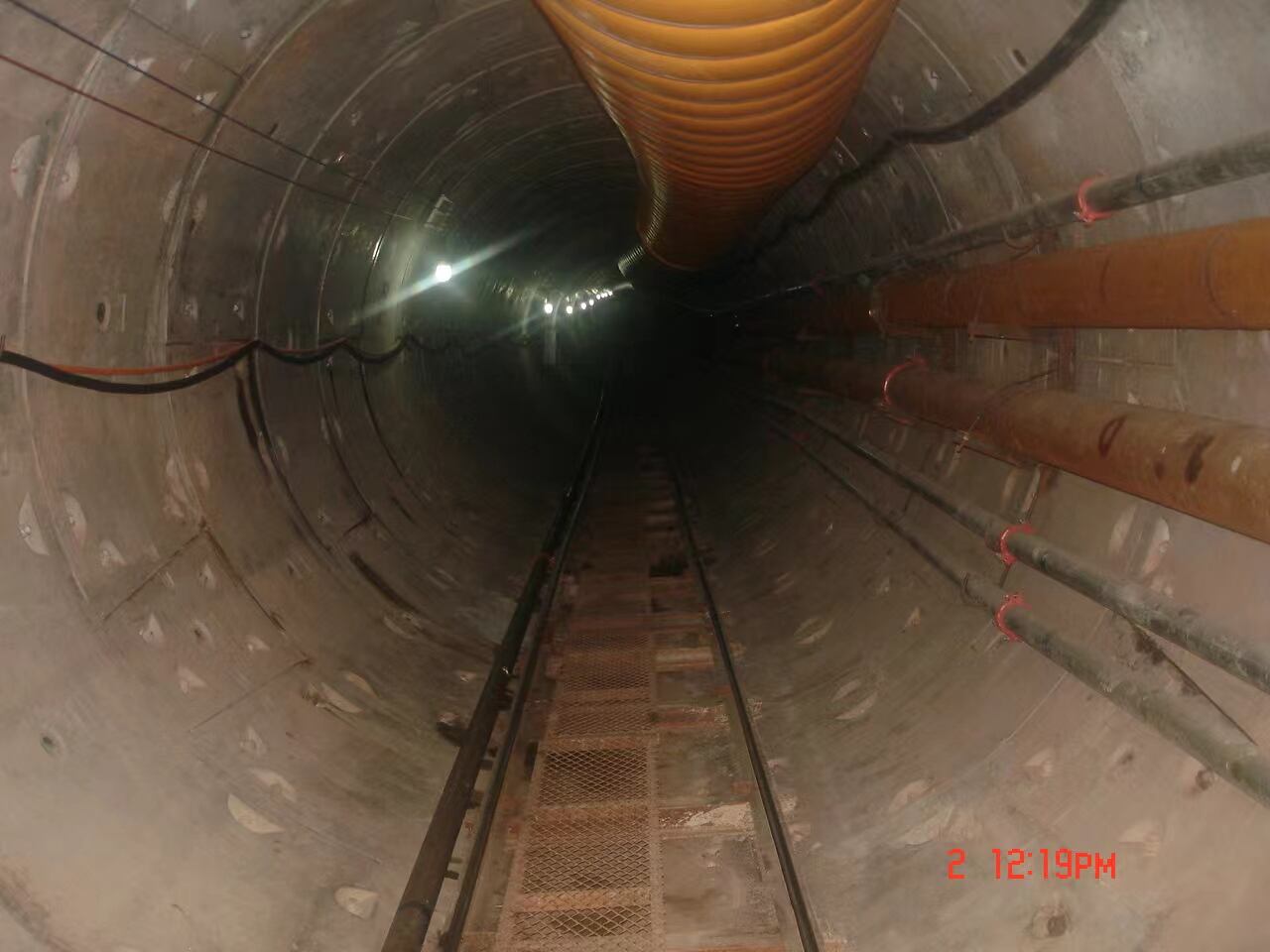
У проектах підземного будівництва, де міліметрова точність визначає успіх проекту, точність керування машини для протягування труб стає критичним фактором, що розділяє успішні монтажні роботи від дорогих коригувальних заходів. Сучасні тунельні роботи вимагають абсолютної контролю над напрямком проходження, особливо під час прокладання комунальних трубопроводів під оживленими міськими інфраструктурними об’єктами або чутливими екологічними зонами. Інтеграція лазерних систем керування кардинально змінила підхід підрядників до точного протягування труб, перетворивши колись процес, заснований на ручних навичках та орієнтовних розрахунках, на науково обґрунтовану операцію.
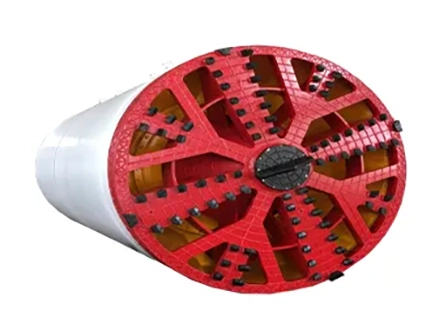
Основна проблема при виконанні робіт з протягування труб полягає у підтримці точного керування напрямком одночасно з контролем умов ґрунту, гідравлічних тисків і механічних сил, які постійно намагаються відхилити бурильну головку від запланованої траєкторії. Без складних систем наведення навіть досвідчені оператори майже не в змозі досягти жорстких допусків, необхідних для сучасних установок комунальних мереж. Керування за допомогою лазерного наведення вирішує ці проблеми, забезпечуючи поточну інформацію про положення, що дозволяє вносити негайну корекцію курсу й гарантує, що кожен метр прокладання трубопроводу відповідає точним технічним вимогам незалежно від умов підземного середовища чи складності експлуатації.
Проблеми точності при підземній прокладці труб
Екологічні чинники, що впливають на керування напрямком
Умови підземного середовища постійно створюють виклики, які безпосередньо впливають на курсову стійкість машини для проходження труб у процесі експлуатації. Зміни складу ґрунту — від рихлих піщаних матеріалів до щільних глинистих утворень — призводять до нерівномірних схем опору, що природним чином спричиняє відхилення бурового обладнання від запланованих траєкторій. Патерни руху ґрунтових вод додають ще один рівень складності, оскільки гідростатичний тиск та ефекти змащення ґрунту можуть несподівано відхиляти головку машини від заданого курсу. Гірські породи, закладені комунікації та неочікувані підземні перешкоди ще більше ускладнюють навігацію, роблячи ручні корекції керування недостатніми для забезпечення необхідної точності.
Коливання температури в підземних середовищах впливають як на механічні компоненти машини для протягування труб, так і на точність вимірювань традиційних систем наведення. Теплове розширення сталевих компонентів у поєднанні з різними температурами ґрунту протягом різних пор року призводить до виникнення похибок вимірювань, які накопичуються на великих відстанях проходження. Ці екологічні чинники створюють динамічне робоче середовище, в якому підтримання прямої лінії стає все складнішим із заглибленням установки в підземних умовах.
Вимоги до допусків у сучасному будівництві
Сучасні інфраструктурні проекти вимагають точності допусків, яка значно перевищує можливості традиційних методів керування, що застосовуються разом із машинами для протягування труб. Муніципальні каналізаційні системи вимагають точності ухилу в межах ±3 мм на відстані сотень метрів, щоб забезпечити належні характеристики потоку й запобігти осіданню або заторам. Монтаж трубопроводів для телекомунікаційних мереж має забезпечувати точне позиціонування, щоб уникнути перешкод у роботі існуючих комунальних мереж і сприяти плануванню майбутнього розширення. Монтаж газових та водопровідних магістралей вимагає ще суворіших допусків, щоб забезпечити надійні з’єднання й запобігти ризикам витоку, які можуть загрожувати безпеці населення.
Фінансові наслідки порушень допусків простягаються набагато далі, ніж просто витрати на повторну обробку, оскільки усунення відхилень часто вимагає земляних робіт, призводить до перерв у рухові транспорту та потребує координації дій із кількома компаніями, що забезпечують комунальні послуги. Вимоги до страхування та стандарти відповідності регуляторним вимогам встановлюють все більш жорсткі вимоги щодо точності, через що лазерне керування рульовим управлінням стає не просто перевагою, а й обов’язковою умовою для забезпечення життєздатності проекту та захисту підрядника від відповідальності.
Інтеграція технології лазерного керування
Системи моніторингу поточної позиції в реальному часі
Сучасні лазерні системи наведення трансформують експлуатаційні можливості машини для протягування труб, забезпечуючи безперервну тривимірну інформацію про положення з точністю до частин міліметра. Ці системи використовують лазерні передавачі, розташовані як у точці входу, так і в точці виходу під час буріння, що створює точний опорний промінь, який визначає саме заданий маршрут. Лазерні приймачі, встановлені безпосередньо на буровій головці, постійно вимірюють відхилення від цієї опорної лінії в горизонтальній та вертикальній площинах, надаючи операторам негайну інформацію про точність положення.
Процес інтеграції включає складні алгоритми обробки даних, які враховують характеристики лазерного променя, атмосферні умови та механічні вібрації, що можуть впливати на точність вимірювань. Сучасні системи використовують кілька лазерних довжин хвиль і фільтрувальні методи для збереження чіткості сигналу навіть у складних підземних умовах, де пил, волога та електромагнітні перешкоди можуть порушити роботу звичайних систем наведення. Ця здатність до моніторингу в реальному часі дозволяє операторам вносити корективи в керування до того, як виникнуть значні відхилення, забезпечуючи високу точність протягом усього процесу монтажу.
Автоматизовані механізми корекції
Сучасні конструкції машин для протягування труб усе частіше включають автоматизовані системи керування, які безпосередньо реагують на сигнали лазерного наведення без необхідності ручного втручання оператора. Ці системи використовують сервокеровані гідравлічні циліндри та шарнірні з’єднання, що дозволяють регулювати орієнтацію бурової головки в режимі реального часу на основі позиційних даних, отриманих від систем лазерного наведення. Автоматизація усуває затримки, пов’язані з людською реакцією, і зменшує ймовірність помилок оператора під час критичних коригувань курсу.
Прогностичні алгоритми аналізують тенденції в позиційних даних, щоб передбачити необхідні корекції до того, як відхилення перевищать припустимі межі. Такий проактивний підхід дозволяє машина для прокладки труб забезпечити плавніші траєкторії руху й зменшити механічне навантаження, пов’язане з частими змінами напрямку. Інтеграція автоматизованих систем також дозволяє безперервну роботу під час зміни змін і зменшує залежність від висококваліфікованих операторів для підтримки точного керування.
Експлуатаційні переваги та покращення продуктивності
Покращена точність монтажу
Застосування лазерного керування кермуванням значно підвищує точність монтажу при роботі машин для протягування труб у всіх типах ґрунтів та за будь-якої складності проекту. Статистичний аналіз проектів із використанням лазерного керування показує зменшення відхилень на 80–90 % порівняно з традиційними методами керування, а типові показники точності становлять ±5 мм на відстанях понад 200 метрів. Таке підвищення точності дає підрядникам змогу подавати пропозиції на проекти з жорсткішими допусками та зменшує ризик дорогостоячих коригувальних робіт під час монтажу.
Постійна точність виконання також покращує якість з’єднань труб, оскільки точне вирівнювання зменшує концентрацію напружень, що може призвести до структурних проблем у довгостроковій перспективі. Покращена точність дозволяє використовувати більш ефективні конструкції з’єднань труб і зменшує необхідність у гнучких з’єднаннях, призначених для компенсації відхилень у вирівнюванні. Забезпечення якості проекту стає передбачуванішим, оскільки монтаж із застосуванням лазерного наведення постійно відповідає проектним специфікаціям без потреби в ретельних післямонтажних обстеженнях та корекціях.
Поліпшення операційної ефективності
Системи лазерного наведення значно підвищують експлуатаційну ефективність установок для протягування труб за допомогою машин для проходження тунелів, скорочуючи час, необхідний для коригування керування та коригування курсу. Традиційні методи керування часто вимагають зупинки бурових робіт для проведення ручних геодезичних вимірювань і внесення корективів, тоді як системи лазерного наведення дозволяють безперервну роботу з коригуванням у реальному часі. Ця безперервність роботи скорочує терміни реалізації проектів на 15–25 % та усуває втрати продуктивності, пов’язані з частими зупинками обладнання.
Підвищена точність також зменшує необхідність надмірного виїмки ґрунту та засипання, які зазвичай потрібні для компенсації невизначеностей у керуванні. Підрядники можуть точно планувати обсяги виїмки ґрунту й усунути резерви безпеки, що додають до проектів непотрібні витрати. Передбачувана ефективність роботи машин для протягування труб за лазерним керуванням дозволяє створювати більш агресивні графіки виконання робіт і покращує загальну координацію проекту з іншими спеціалістами та монтажем комунальних мереж.
Зниження ризиків та аспекти безпеки
Запобігання конфліктам із комунальними мережами
Системи керування рухом за допомогою лазера забезпечують критичний захист від конфліктів із комунальними мережами, дозволяючи операторам машин для протягування труб підтримувати точні відстані від існуючої підземної інфраструктури. Традиційні методи керування часто вимагають обережних запасів безпеки, що обмежують варіанти прокладання й збільшують витрати на проєкт, тоді як лазерне керування забезпечує точну навігацію всередині проектованих зон безпечної відстані. Ця можливість досягнення високої точності є особливо цінною в густонаселених міських умовах, де кілька комунальних мереж розташовані в обмеженому підземному просторі.
Здатність точно слідувати заздалегідь визначеними траєкторіями також зменшує ризик зустрічі з непозначеними комунікаціями або інфраструктурою, що може спричинити серйозні загрози безпеці й затримки в реалізації проекту. Протоколи реагування на надзвичайні ситуації виграють від передбачуваного контролю траєкторії, оскільки аварійно-рятувальні підрозділи можуть точно визначити положення бурової головки у разі неочікуваних умов, що вимагають негайного втручання. Страхові компанії все частіше визнають переваги зниження ризиків, пов’язані з експлуатацією лазерно-керованих машин для протягування труб, і часто надають знижені страхові премії для проектів, у яких застосовуються ці точні технології.
Захист конструктивної цілісності
Точне керування напрямком захищає існуючі споруди від осідання та пошкоджень, спричинених вібрацією, які можуть виникнути, коли робота машини для протягування труб відхиляється від запланованих траєкторій. Неконтрольовані відхилення часто вимагають збільшення прикладеної сили й можуть порушити стан ґрунту поза межами запланованої зони буріння, що потенційно впливає на фундаменти будівель, стійкість дорожнього полотна та іншу чутливу інфраструктуру. Лазерне наведення забезпечує контроль параметрів буріння, що мінімізує порушення ґрунту й зберігає структурну стабільність у навколишніх зонах.
Постійний контроль траєкторії також зменшує механічне навантаження на саму машину для протягування труб, що збільшує термін її служби та знижує потребу в технічному обслуговуванні. Плавні й контрольовані операції усувають ударні навантаження та умови заклинювання, які можуть пошкодити дороге бурильне обладнання й призвести до витратного простою під час критичних етапів проекту. Цей аспект захисту обладнання забезпечує додаткові фінансові переваги, що сприяють обґрунтуванню інвестицій у технологію лазерного наведення.
Часті запитання
Як лазерне наведення підвищує точність порівняно з традиційними методами керування машиною для протягування труб?
Лазерні системи наведення забезпечують безперервну позиційну зворотний зв’язок у реальному часі з точністю менше одного міліметра порівняно з традиційними методами, що ґрунтуються на періодичних ручних замірах із типовою точністю ±25 мм. Лазерні системи дозволяють вносити негайну корекцію курсу до того, як виникнуть значні відхилення, що забезпечує на 80–90 % кращу точність роботи й усуває накопичувані похибки, характерні для звичайних методів керування.
Що відбувається, якщо лазерний промінь переривається під час роботи машини для протягування труб?
Сучасні лазерні системи наведення оснащені резервними опорними системами та прогнозуючими алгоритмами, які здатні підтримувати точність керування протягом короткого часу у разі переривання основного лазерного променя. Системи також включають протоколи сповіщення, що негайно повідомляють операторів про втрату сигналу, що дозволяє швидко вжити коригувальних заходів. Більшість систем може відновити нормальне функціонування протягом кількох секунд після відновлення траєкторії променя.
Чи можуть системи лазерного наведення ефективно працювати за всіх умов ґрунту, з якими стикаються машини для протягування труб?
Системи лазерного наведення розроблені так, щоб ефективно функціонувати за всіх типових умов ґрунту — від м’яких глин до щільних скельних порід. Точність наведення не залежить від типу ґрунту, оскільки лазерна система відліку працює незалежно від механіки буріння. Однак умови ґрунту впливають на характеристики механічної реакції машини для протягування труб, що вимагає застосування різних стратегій керування напрямком; систему наведення це враховує за допомогою програмованих параметрів реакції.
Який типовий вплив на вартість проекту з використанням машини для протягування труб має додавання системи лазерного наведення?
Вартість обладнання та налаштування для лазерного наведення зазвичай становить 3–5 % від загальної вартості проекту, однак система, як правило, забезпечує чистий економічний ефект за рахунок зменшення обсягів робіт з виправлення помилок, скорочення термінів монтажу та усунення необхідності надлишкового розроблення ґрунту. Проекти з жорсткими вимогами до точності часто демонструють загальне зниження витрат на 10–15 % завдяки усуненню робіт з коригування та підвищенню експлуатаційної ефективності, яку забезпечують операції з проходження труб за допомогою лазерно-наведених прохідниць.
Зміст
- Проблеми точності при підземній прокладці труб
- Інтеграція технології лазерного керування
- Експлуатаційні переваги та покращення продуктивності
- Зниження ризиків та аспекти безпеки
-
Часті запитання
- Як лазерне наведення підвищує точність порівняно з традиційними методами керування машиною для протягування труб?
- Що відбувається, якщо лазерний промінь переривається під час роботи машини для протягування труб?
- Чи можуть системи лазерного наведення ефективно працювати за всіх умов ґрунту, з якими стикаються машини для протягування труб?
- Який типовий вплив на вартість проекту з використанням машини для протягування труб має додавання системи лазерного наведення?