
 EN
EN
 AR
AR BG
BG HR
HR CS
CS FR
FR DE
DE EL
EL HI
HI IT
IT JA
JA KO
KO RO
RO RU
RU ES
ES TL
TL ID
ID LT
LT SK
SK SL
SL UK
UK VI
VI ET
ET TH
TH TR
TR FA
FA AF
AF MS
MS HY
HY AZ
AZ KA
KA BN
BN LO
LO LA
LA MN
MN NE
NE MY
MY KK
KK UZ
UZ KY
KY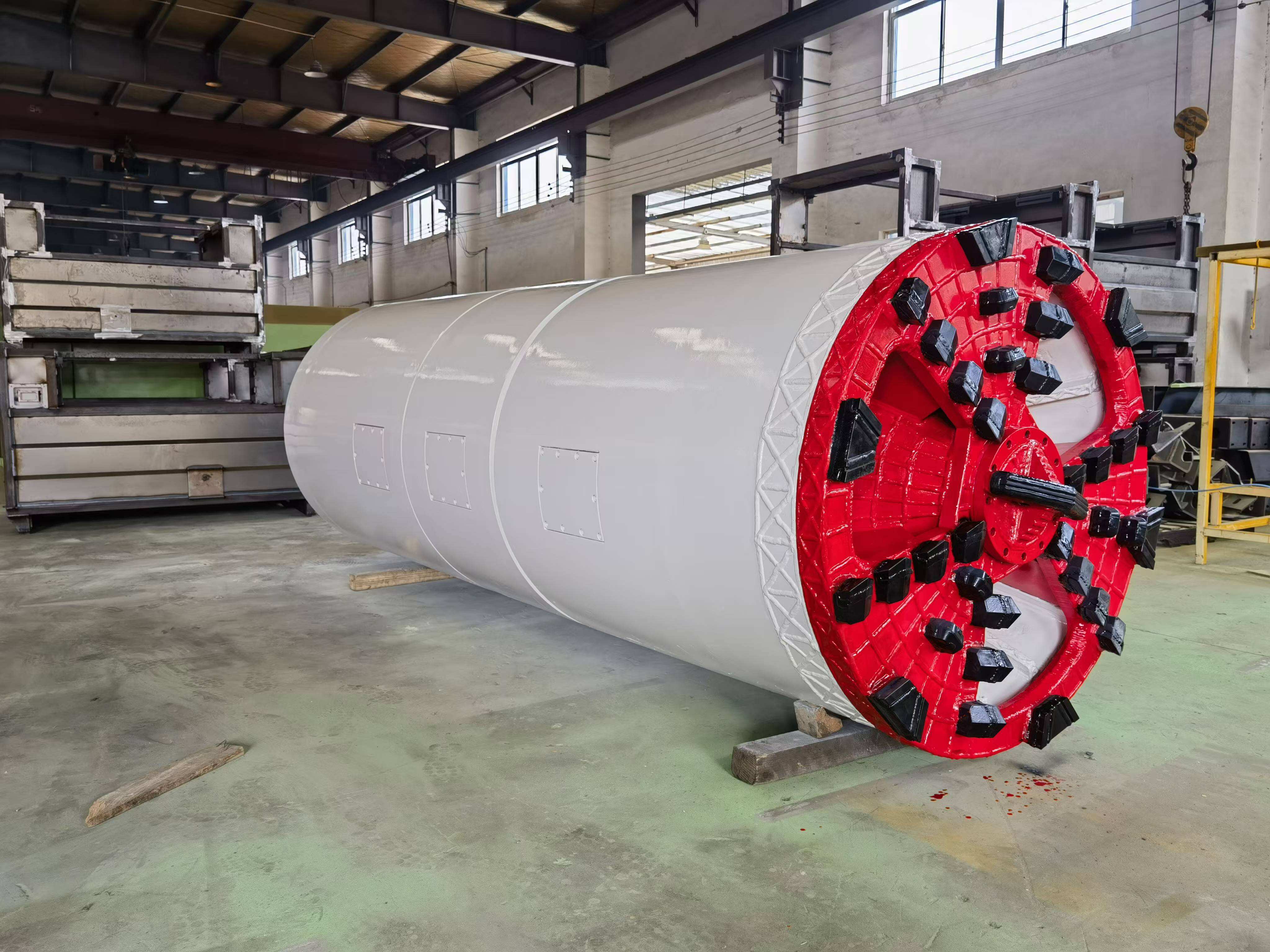
Rock pipe jacking projects represent some of the most challenging undertakings in modern underground construction, requiring specialized equipment capable of navigating through solid rock formations while maintaining precise tunnel alignment. The selection between slurry balance and earth pressure balance technologies for a rock pipe jacking machine fundamentally determines project success, excavation efficiency, and overall construction costs. Understanding the geological conditions, project requirements, and technical capabilities of each system enables engineers to make informed decisions that optimize both performance and safety outcomes in demanding subsurface environments.
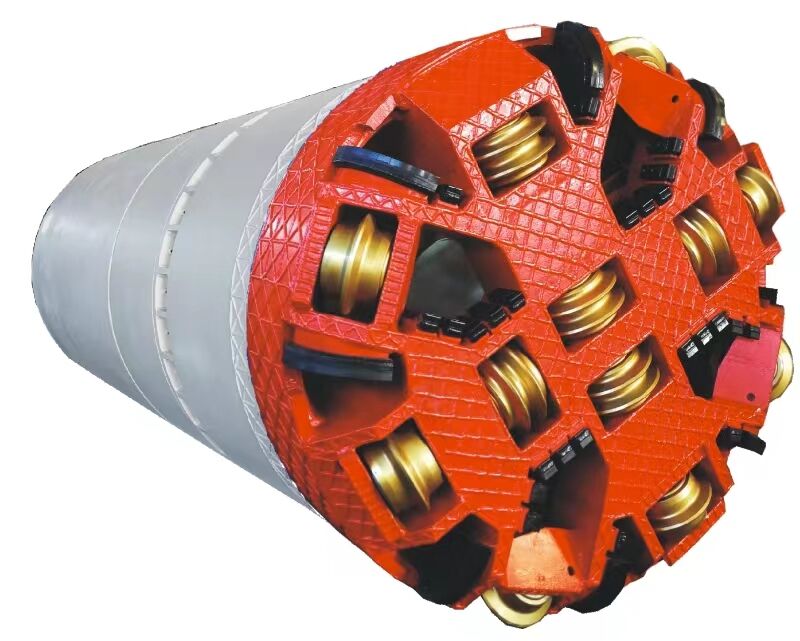
Modern pipe jacking technology has evolved significantly to address the complexities of rock excavation, with manufacturers developing sophisticated systems that combine hydraulic power, advanced cutting mechanisms, and real-time monitoring capabilities. The choice between slurry balance and earth pressure balance methodologies depends heavily on rock hardness, groundwater conditions, soil stability, and the specific diameter requirements of the tunnel being constructed. Each approach offers distinct advantages and limitations that must be carefully evaluated against project parameters and site-specific geological characteristics.
Understanding Slurry Balance Technology in Rock Applications
Operational Principles of Slurry Systems
Slurry balance technology operates through a closed-circuit system that maintains face stability by applying fluid pressure against the excavation front while simultaneously removing excavated material through a continuous slurry transportation process. The rock pipe jacking machine equipped with slurry balance capabilities utilizes bentonite-based drilling fluid that creates a stabilizing membrane against the tunnel face, preventing collapse and controlling groundwater infiltration during the excavation process. This methodology proves particularly effective in fractured rock conditions where maintaining face stability becomes critical for safe advancement.
The slurry circuit consists of separation plants, storage tanks, pumping systems, and distribution networks that work together to maintain optimal fluid properties throughout the excavation cycle. Advanced monitoring systems continuously track slurry density, viscosity, and pressure parameters to ensure consistent performance and immediate response to changing geological conditions. The cutting head design incorporates specialized rock cutting tools, often including roller cutters or drag bits, that work in conjunction with the slurry system to efficiently break and transport rock debris through the pipeline system.
Advantages in Rocky Terrain Applications
Slurry balance systems excel in heterogeneous rock formations where varying hardness levels and fracture patterns create unpredictable excavation conditions that require adaptive response capabilities. The continuous flushing action of the slurry effectively removes fine rock particles and prevents cutter head clogging, which commonly occurs in sticky or abrasive rock types that can compromise excavation efficiency. This technology also provides superior capability for maintaining precise tunnel alignment through varying geological strata, as the pressurized slurry maintains consistent support against the tunnel face regardless of rock hardness variations.
The versatility of slurry systems allows for real-time adjustment of cutting parameters, advance rates, and support pressures based on encountered rock conditions, providing operators with greater control over the excavation process. Additionally, slurry balance technology demonstrates excellent performance in water-bearing rock formations, where the pressurized fluid system effectively manages groundwater ingress while maintaining structural stability of the excavated tunnel. The enclosed nature of the slurry circuit also minimizes environmental impact by containing all excavated materials and preventing surface disruption during the jacking operation.
Earth Pressure Balance Systems for Rock Excavation
Mechanical Principles and Design Features
Earth pressure balance technology relies on mechanical pressure application through a variable-density chamber that maintains equilibrium between ground pressure and internal machine pressure during the excavation process. The rock pipe jacking machine utilizing earth pressure balance incorporates a sealed excavation chamber equipped with pressure sensors and automated control systems that continuously adjust internal pressure to match external ground conditions. This mechanical approach eliminates the need for slurry handling systems while providing precise control over excavation face stability through direct pressure management.
The cutting mechanism typically features robust disc cutters or pneumatic hammers designed specifically for rock breaking applications, with torque and thrust capabilities significantly higher than those required for soft ground conditions. Material removal occurs through screw conveyors or belt systems that transport excavated rock debris directly to surface disposal points, eliminating the complexity of slurry separation and treatment processes. The simplicity of this approach reduces operational overhead while providing reliable performance in consistent rock conditions where geological variability remains minimal.
Performance Characteristics in Hard Rock Conditions
Earth pressure balance systems demonstrate exceptional efficiency in uniform hard rock formations where consistent cutting forces and predictable excavation rates enable optimized machine performance and project scheduling. The direct mechanical cutting action provides superior penetration rates in competent rock, often exceeding the advancement speeds achievable with slurry systems in similar geological conditions. This technology proves particularly advantageous in dry rock conditions where water management becomes unnecessary, simplifying site logistics and reducing environmental compliance requirements.
The robust construction of earth pressure balance systems typically results in lower maintenance requirements and reduced operational downtime compared to more complex slurry-based alternatives. The elimination of slurry handling infrastructure also reduces project footprint and simplifies site setup procedures, particularly important in urban environments where space constraints limit equipment placement options. However, the effectiveness of earth pressure balance technology diminishes significantly in highly fractured or water-bearing rock formations where maintaining pressure equilibrium becomes challenging without fluid support systems.
Geological Assessment and System Selection Criteria
Rock Characterization and Classification Methods
Comprehensive geological investigation forms the foundation for selecting appropriate rock pipe jacking machine technology, requiring detailed analysis of rock strength, fracture patterns, groundwater conditions, and geological structure variations along the proposed tunnel alignment. Rock quality designation measurements, unconfined compressive strength testing, and fracture frequency assessment provide quantitative data necessary for evaluating the suitability of different excavation technologies. Additionally, groundwater monitoring and permeability testing reveal critical information about water management requirements that significantly influence technology selection decisions.
Geotechnical engineers must also consider the presence of mixed face conditions, where varying rock types or soil-rock interfaces create challenging excavation environments that require adaptive machine capabilities. The identification of potentially problematic geological features, such as fault zones, weathered rock layers, or high-pressure groundwater zones, directly impacts the selection criteria for excavation technology. Advanced geophysical survey techniques, including ground-penetrating radar and seismic reflection surveys, provide additional subsurface information that enhances the accuracy of geological models used in system selection processes.
Project-Specific Evaluation Parameters
Tunnel diameter, length, and alignment requirements significantly influence the choice between slurry balance and earth pressure balance technologies for rock excavation applications. Larger diameter tunnels generally favor slurry balance systems due to their superior ability to manage increased excavation volumes and maintain face stability across wider tunnel faces. Conversely, smaller diameter projects may benefit from the simplicity and lower infrastructure requirements of earth pressure balance systems, particularly in favorable rock conditions where complex support systems prove unnecessary.
Environmental considerations, including noise restrictions, vibration limitations, and groundwater protection requirements, often dictate technology selection in urban or environmentally sensitive areas. The availability of slurry treatment facilities, disposal sites for excavated materials, and access routes for equipment delivery also influence the practical feasibility of different excavation approaches. Project timeline constraints and budget limitations may favor simpler earth pressure balance systems in suitable geological conditions, while complex or high-risk projects often justify the additional investment in more versatile slurry balance technology.
Operational Efficiency and Performance Optimization
Advance Rate and Productivity Factors
The achievable advance rates for rock pipe jacking operations depend heavily on the interaction between machine capabilities, geological conditions, and operational procedures, with both slurry balance and earth pressure balance systems demonstrating distinct performance characteristics under different circumstances. Slurry balance systems typically achieve more consistent advance rates in variable geological conditions due to their ability to adapt cutting parameters and maintain face stability regardless of rock hardness variations. However, earth pressure balance systems often demonstrate superior peak performance in uniform hard rock conditions where mechanical cutting efficiency reaches optimal levels.
Cutter head design, cutting tool selection, and maintenance schedules significantly impact overall productivity regardless of the chosen excavation technology. Regular inspection and replacement of worn cutting tools prevents efficiency degradation and ensures consistent excavation performance throughout the project duration. The integration of real-time monitoring systems enables operators to optimize cutting parameters, thrust forces, and advance rates based on encountered rock conditions, maximizing productivity while minimizing equipment stress and maintenance requirements.
Maintenance and Reliability Considerations
Maintenance complexity varies significantly between slurry balance and earth pressure balance systems, with slurry-based technology requiring specialized equipment and trained personnel for slurry plant operation, separation system maintenance, and fluid quality control. The rock pipe jacking machine equipped with earth pressure balance technology generally requires less specialized maintenance support, focusing primarily on mechanical components such as cutting tools, drive systems, and pressure control mechanisms. However, both systems demand rigorous preventive maintenance programs to ensure reliable operation in the demanding conditions typical of rock excavation projects.
Component accessibility for maintenance and repair operations represents a critical factor in system selection, particularly for long-distance tunneling projects where equipment downtime directly impacts project schedules and costs. Slurry systems may require more frequent maintenance interventions due to the complexity of fluid handling systems and the abrasive nature of rock debris processed through separation equipment. Conversely, earth pressure balance systems typically experience wear concentrated in cutting tools and mechanical drive components, which often prove more accessible for field maintenance and replacement procedures.
Economic Analysis and Cost Considerations
Capital Investment and Equipment Costs
Initial capital investment requirements differ substantially between slurry balance and earth pressure balance technologies, with slurry systems typically demanding higher upfront costs due to the complexity of fluid handling infrastructure, separation plants, and specialized support equipment. The rock pipe jacking machine purchase price represents only a portion of total project costs, as supporting infrastructure, site preparation, and operational equipment significantly impact overall investment requirements. Earth pressure balance systems generally offer lower initial capital requirements but may require additional investment in cutting tools and mechanical support systems depending on rock hardness and project duration.
Equipment rental versus purchase decisions depend on project duration, contractor capabilities, and regional equipment availability, with rental options often providing cost advantages for shorter projects or contractors lacking specialized operational experience. The availability of technical support, spare parts, and service personnel in the project location also influences the total cost of ownership and operational risk associated with different excavation technologies. Long-term maintenance costs, equipment depreciation, and resale value considerations factor into comprehensive economic analysis of technology alternatives.
Operational Cost Analysis
Daily operational costs vary significantly between excavation technologies due to differences in personnel requirements, consumable materials, energy consumption, and waste management procedures. Slurry balance systems typically require larger crew sizes to operate separation plants, manage fluid quality, and handle excavated materials, while earth pressure balance systems often operate with smaller crews focused primarily on machine operation and cutting tool maintenance. Energy consumption patterns also differ, with slurry systems requiring continuous pumping and separation equipment operation compared to the intermittent high-power demands of mechanical earth pressure balance systems.
Material costs include cutting tool replacement, slurry additives, fuel consumption, and waste disposal fees, with each technology demonstrating different cost profiles depending on geological conditions and project requirements. Environmental compliance costs may favor one technology over another depending on local regulations regarding groundwater management, noise control, and waste material handling. The potential for cost overruns due to unexpected geological conditions often influences risk-adjusted economic analysis, with more adaptable technologies commanding premium pricing despite higher operational complexity.
FAQ
What are the main factors that determine whether to use slurry balance or earth pressure balance for rock pipe jacking projects
The selection depends primarily on geological conditions including rock hardness, fracture patterns, groundwater presence, and soil stability characteristics. Slurry balance systems work better in fractured or water-bearing rocks, while earth pressure balance systems excel in uniform, competent rock formations. Additional factors include tunnel diameter, project duration, environmental restrictions, available infrastructure, and budget constraints. Site-specific geological investigation and comprehensive risk assessment guide the final technology selection decision.
How do advance rates compare between slurry balance and earth pressure balance systems in rock conditions
Advance rates vary significantly based on rock hardness and geological consistency, with earth pressure balance systems often achieving higher peak rates in uniform hard rock due to superior mechanical cutting efficiency. Slurry balance systems provide more consistent rates across variable geological conditions but may achieve lower maximum speeds in competent rock. Typical advance rates range from 5-20 meters per day depending on rock strength, tunnel diameter, and operational parameters, with both technologies capable of meeting most project schedule requirements when properly matched to geological conditions.
What maintenance requirements differ between the two excavation technologies
Slurry balance systems require specialized maintenance for fluid handling equipment, separation plants, pumps, and slurry quality control systems, demanding trained personnel and specific technical expertise. Earth pressure balance systems focus maintenance on mechanical components including cutting tools, drive systems, and pressure control mechanisms, typically requiring less specialized support. Both systems need regular cutting tool inspection and replacement, but slurry systems additionally require ongoing fluid management, filter maintenance, and separation equipment servicing throughout the project duration.
How do environmental considerations influence the choice between these excavation methods
Environmental factors significantly impact technology selection, with slurry systems offering better groundwater protection and contamination control through enclosed fluid circuits. However, slurry systems require treatment facilities and may generate more complex waste streams requiring specialized disposal methods. Earth pressure balance systems typically produce less operational noise and require smaller site footprints, making them preferable in urban environments with space limitations. Groundwater protection requirements, noise restrictions, and waste management regulations often determine the environmentally acceptable excavation technology for specific project locations.
Table of Contents
- Understanding Slurry Balance Technology in Rock Applications
- Earth Pressure Balance Systems for Rock Excavation
- Geological Assessment and System Selection Criteria
- Operational Efficiency and Performance Optimization
- Economic Analysis and Cost Considerations
-
FAQ
- What are the main factors that determine whether to use slurry balance or earth pressure balance for rock pipe jacking projects
- How do advance rates compare between slurry balance and earth pressure balance systems in rock conditions
- What maintenance requirements differ between the two excavation technologies
- How do environmental considerations influence the choice between these excavation methods