
 EN
EN
 AR
AR BG
BG HR
HR CS
CS FR
FR DE
DE EL
EL HI
HI IT
IT JA
JA KO
KO RO
RO RU
RU ES
ES TL
TL ID
ID LT
LT SK
SK SL
SL UK
UK VI
VI ET
ET TH
TH TR
TR FA
FA AF
AF MS
MS HY
HY AZ
AZ KA
KA BN
BN LO
LO LA
LA MN
MN NE
NE MY
MY KK
KK UZ
UZ KY
KY
Underground construction projects in challenging geological conditions require specialized equipment capable of handling dense rock formations with precision and reliability. The rock pipe jacking machine represents a critical advancement in trenchless technology, enabling contractors to install underground pipelines through solid rock without extensive excavation. Understanding the power and torque specifications of these sophisticated machines is essential for project success, equipment selection, and operational efficiency in demanding subsurface environments.
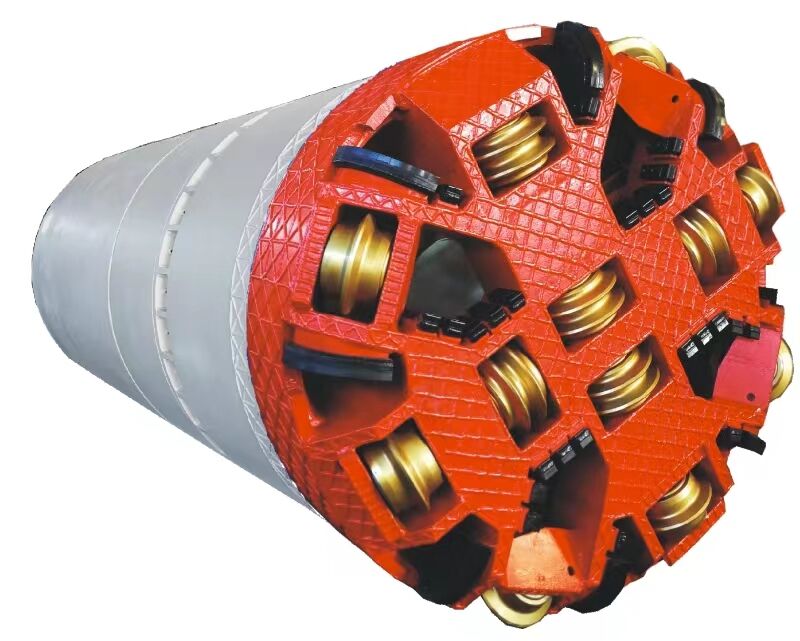
Power specifications in rock pipe jacking machine applications directly influence the equipment's ability to penetrate hard geological formations while maintaining consistent advance rates. These machines typically require substantial hydraulic power systems ranging from 200 to 800 kilowatts, depending on the diameter of pipes being installed and the hardness of rock conditions encountered during construction. The power output determines not only the cutting force available at the tunnel boring head but also influences the slurry circulation capacity essential for debris removal and face stability in rock formations.
Modern rock pipe jacking machine designs incorporate variable power distribution systems that automatically adjust output based on real-time geological conditions and operational requirements. This adaptive power management ensures optimal performance across varying rock hardness levels while preventing equipment overload and minimizing energy consumption throughout the jacking process. The integration of intelligent power control systems represents a significant advancement in trenchless construction technology, offering contractors enhanced operational flexibility and improved project outcomes.
Hydraulic Power Systems in Rock Jacking Applications
Primary Power Generation Components
The hydraulic power system forms the backbone of every rock pipe jacking machine, converting electrical or diesel engine power into the hydraulic force necessary for rock excavation and pipe advancement. These systems typically feature high-pressure pumps capable of generating pressures exceeding 350 bar, providing the substantial force required to drive cutting tools through consolidated rock formations. The power generation components must maintain consistent output under varying load conditions while ensuring reliable operation in challenging underground environments.
Advanced rock pipe jacking machine hydraulic systems incorporate multiple pump configurations, including main jacking pumps, auxiliary systems for slurry circulation, and emergency backup units. This redundant power architecture ensures continuous operation even if primary components experience maintenance issues, significantly reducing project delays and associated costs. The selection of appropriate pump configurations depends on project specifications, geological conditions, and required advance rates for successful completion.
Power Distribution and Control Mechanisms
Sophisticated power distribution systems in modern rock pipe jacking machine designs enable precise control over multiple operational functions simultaneously. These systems manage power allocation between jacking rams, cutting head rotation, slurry pumping, and auxiliary functions through computerized control interfaces that optimize performance based on real-time operational data. The intelligent power management ensures maximum efficiency while preventing system overload during demanding rock excavation phases.
The integration of variable frequency drives and proportional control valves allows operators to fine-tune power delivery for specific geological conditions encountered during construction. This precise power control capability enables the rock pipe jacking machine to adapt to changing rock hardness, joint patterns, and other geological variations while maintaining optimal advance rates and minimizing equipment wear.
Torque Requirements for Rock Penetration
Cutting Head Torque Specifications
Torque specifications for rock pipe jacking machine cutting heads represent one of the most critical performance parameters, directly affecting the equipment's ability to excavate through various rock types and geological formations. Typical torque requirements range from 50,000 to 300,000 Newton-meters, with specific values determined by rock strength, cutting tool configuration, and desired penetration rates. The torque capacity must exceed the maximum resistance expected from the hardest geological conditions anticipated during construction.
The relationship between torque output and cutting efficiency becomes particularly important when evaluating rock pipe jacking machine performance in heterogeneous geological conditions. Machines operating in mixed face conditions, where both hard rock and softer materials are encountered simultaneously, require variable torque control systems capable of adapting to changing excavation requirements without compromising stability or advance rates.
Torque Distribution Systems
Modern rock pipe jacking machine designs incorporate sophisticated torque distribution systems that deliver rotational force to cutting tools through multiple drive mechanisms. These systems typically feature planetary gear reducers that multiply motor torque while reducing rotational speed to optimal levels for rock cutting applications. The gear reduction ratios commonly range from 100:1 to 500:1, depending on motor specifications and required cutting head performance characteristics.
Variable torque control systems enable operators to adjust cutting parameters based on encountered geological conditions, optimizing excavation efficiency while minimizing tool wear and energy consumption. This adaptive torque management capability allows rock pipe jacking machine operators to maintain consistent advance rates across varying rock formations while extending equipment service life and reducing maintenance requirements throughout project duration.
Performance Optimization Through Power Management
Energy Efficiency Considerations
Energy efficiency in rock pipe jacking machine operations significantly impacts project economics and environmental sustainability. Modern equipment designs incorporate advanced power management systems that monitor energy consumption patterns and automatically optimize power distribution for maximum efficiency. These systems can reduce overall energy consumption by 15-25% compared to conventional fixed-output designs while maintaining equivalent or superior excavation performance.
The implementation of regenerative hydraulic systems in rock pipe jacking machine designs allows for energy recovery during specific operational phases, further improving overall efficiency. These systems capture and reuse hydraulic energy that would otherwise be dissipated as heat, contributing to reduced operating costs and improved environmental performance in trenchless construction projects.
Real-Time Performance Monitoring
Advanced monitoring systems in modern rock pipe jacking machine designs provide continuous feedback on power consumption, torque output, and operational efficiency parameters. This real-time data enables operators to make informed decisions regarding power settings, cutting parameters, and advance rates based on actual performance metrics rather than theoretical specifications. The integration of data logging capabilities allows for detailed analysis of equipment performance trends and optimization opportunities.
Predictive maintenance capabilities built into rock pipe jacking machine monitoring systems analyze power and torque patterns to identify potential equipment issues before they result in operational failures. This proactive maintenance approach minimizes unplanned downtime while ensuring optimal performance throughout project duration, significantly improving overall project economics and schedule reliability.
Geological Factors Affecting Power Requirements
Rock Strength and Abrasiveness Impact
The geological characteristics of rock formations directly influence power and torque requirements for effective rock pipe jacking machine operation. Unconfined compressive strength values ranging from 25 MPa for weak sedimentary rocks to over 200 MPa for strong igneous formations require corresponding increases in power output and torque capacity. The abrasiveness of rock formations, measured using the Cerchar Abrasivity Index, affects cutting tool wear rates and influences required power reserves for maintaining consistent performance.
Rock discontinuities, including joints, fractures, and bedding planes, create variable loading conditions that require rock pipe jacking machine power systems capable of handling sudden load changes without compromising operational stability. The presence of groundwater in fractured rock formations adds additional complexity, requiring increased power allocation for slurry circulation and face pressure management systems.
Mixed Face Conditions and Variable Loading
Mixed geological conditions present unique challenges for rock pipe jacking machine power management, requiring equipment capable of adapting to rapidly changing excavation requirements. Transitions between hard rock and softer materials can create significant torque variations that must be managed through sophisticated control systems to prevent equipment damage and maintain advance rates.
The ability of rock pipe jacking machine systems to handle variable loading conditions directly affects project feasibility and construction schedules. Equipment specifications must account for worst-case geological scenarios while providing sufficient operational flexibility to optimize performance in more favorable conditions encountered during construction.
Equipment Selection and Specification Guidelines
Matching Power Requirements to Project Conditions
Proper selection of rock pipe jacking machine power specifications requires comprehensive analysis of geological conditions, project requirements, and operational constraints. This evaluation process typically involves detailed geotechnical investigation results, including rock strength testing, groundwater conditions, and structural geology assessment. The power requirements must accommodate not only average operating conditions but also peak demands during challenging excavation phases.
Safety factors in rock pipe jacking machine power specification typically range from 1.5 to 2.0 times calculated maximum requirements, ensuring adequate reserve capacity for unexpected geological conditions or operational challenges. This conservative approach to power specification minimizes the risk of equipment limitations affecting project schedules while providing operational flexibility for varying construction conditions.
Future-Proofing Power Systems
Modern rock pipe jacking machine designs increasingly incorporate modular power systems that allow for field upgrades and modifications based on evolving project requirements. This flexibility enables contractors to optimize equipment specifications for specific geological conditions while maintaining the ability to adapt to changing project parameters or unexpected subsurface conditions.
The integration of digital control systems in rock pipe jacking machine power management enables remote monitoring and optimization capabilities that extend equipment capabilities beyond original specifications. These advanced systems provide opportunities for performance enhancement through software updates and parameter optimization based on accumulated operational experience and data analysis.
FAQ
What is the typical power range for rock pipe jacking machines?
Rock pipe jacking machines typically require power systems ranging from 200 to 800 kilowatts, depending on the pipe diameter, geological conditions, and required advance rates. Smaller diameter applications in softer rock formations may operate effectively with lower power requirements, while large diameter installations in hard rock conditions require maximum power specifications for optimal performance.
How does rock hardness affect torque requirements?
Rock hardness directly correlates with torque requirements, with harder formations requiring significantly higher torque values for effective cutting. Torque specifications typically range from 50,000 Newton-meters for soft rock conditions to over 300,000 Newton-meters for extremely hard geological formations, with specific requirements determined through geological analysis and cutting tool selection.
Can power specifications be modified for different geological conditions?
Modern rock pipe jacking machine designs incorporate variable power management systems that automatically adjust output based on real-time geological conditions. While the maximum power capacity is determined by equipment specifications, the operational power can be optimized for specific conditions, improving efficiency and reducing unnecessary energy consumption during construction.
What safety factors should be considered in power specification?
Safety factors for rock pipe jacking machine power specifications typically range from 1.5 to 2.0 times calculated maximum requirements, ensuring adequate reserve capacity for unexpected geological conditions, equipment wear, or operational challenges. This conservative approach minimizes the risk of power limitations affecting project schedules while providing operational flexibility for varying construction conditions encountered during tunneling operations.