
 EN
EN
 AR
AR BG
BG HR
HR CS
CS FR
FR DE
DE EL
EL HI
HI IT
IT JA
JA KO
KO RO
RO RU
RU ES
ES TL
TL ID
ID LT
LT SK
SK SL
SL UK
UK VI
VI ET
ET TH
TH TR
TR FA
FA AF
AF MS
MS HY
HY AZ
AZ KA
KA BN
BN LO
LO LA
LA MN
MN NE
NE MY
MY KK
KK UZ
UZ KY
KY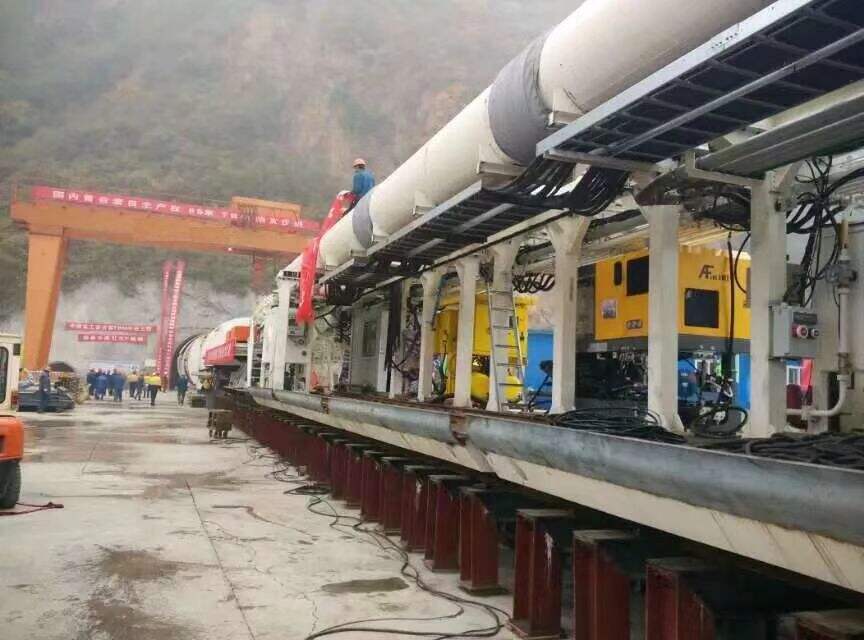
Selecting the appropriate pipe jacking machine for construction projects requires careful consideration of soil conditions, project specifications, and operational requirements. The success of underground pipeline installations largely depends on matching the right equipment to specific geological environments. Understanding how different soil types interact with various pipe jacking machine configurations ensures optimal performance, reduced operational costs, and successful project completion within scheduled timeframes.
Understanding Soil Classification for Equipment Selection
Clay and Cohesive Soil Characteristics
Clay soils present unique challenges for pipe jacking operations due to their cohesive properties and tendency to stick to cutting tools. These soil conditions require specialized equipment features including enhanced torque capabilities and advanced cutting head designs. The pipe jacking machine selected for clay environments must incorporate effective soil conditioning systems to prevent clogging and maintain consistent excavation rates. Operators working in clay-rich environments typically choose machines with higher thrust capacities to overcome increased friction resistance.
Professional contractors understand that clay soils can create significant adhesion issues with standard cutting tools. The moisture content in clay directly affects its behavior during excavation, making it essential to select equipment with appropriate soil conditioning capabilities. Modern pipe jacking machine designs incorporate specialized foam injection systems that help reduce soil adhesion and improve cutting efficiency in cohesive ground conditions.
Sandy Soil Considerations
Sandy soils offer different operational challenges compared to cohesive materials, requiring careful attention to ground stability and water management. The loose nature of sandy soils demands pipe jacking machine configurations that provide excellent face pressure control to prevent ground collapse. These soil conditions typically allow for faster excavation rates but require enhanced ground support systems to maintain tunnel stability during the installation process.
Water-bearing sandy soils present additional complications that influence equipment selection decisions. The permeability of sandy materials can lead to significant water ingress, requiring pipe jacking machine designs with robust dewatering capabilities. Contractors working in these conditions often specify equipment with advanced pressure monitoring systems to maintain proper face stability throughout the excavation process.
Machine Configuration Options for Various Ground Conditions
Earth Pressure Balance Systems
Earth pressure balance pipe jacking machine designs excel in mixed ground conditions where soil consistency varies throughout the excavation alignment. These systems automatically adjust face pressure to match ground conditions, providing consistent performance across diverse soil types. The closed-face design prevents ground loss while maintaining precise control over excavation parameters, making them ideal for urban environments with sensitive surface infrastructure.
The sophisticated control systems integrated into modern earth pressure balance machines allow operators to fine-tune performance parameters in real-time. This adaptability makes them particularly suitable for projects crossing multiple soil layers or encountering unexpected ground conditions. Professional installation teams prefer these versatile machines for complex projects where soil conditions cannot be precisely predicted throughout the entire alignment.
Slurry Shield Technology
Slurry shield pipe jacking machine configurations provide superior performance in water-bearing soils and unstable ground conditions. The bentonite slurry system creates a protective barrier that stabilizes the excavation face while facilitating efficient soil removal. This technology proves especially valuable in sandy soils with high water tables or in mixed ground conditions with significant permeability variations.
The closed-loop slurry circulation system maintains consistent pressure while removing excavated material through a pipeline system. This approach minimizes surface disturbance and provides excellent control over ground settlements. Contractors select slurry shield machines for projects requiring precise control over ground movements, particularly in sensitive urban environments or near existing infrastructure.
Technical Specifications and Performance Parameters
Thrust Force Requirements
Determining appropriate thrust force requirements involves analyzing soil properties, pipe specifications, and alignment characteristics. Dense soils and longer pipe runs require pipe jacking machine configurations with higher thrust capabilities to overcome friction resistance. Professional engineers calculate thrust requirements based on soil parameters including cohesion, friction angle, and unit weight to ensure adequate power reserves for challenging conditions.
The relationship between soil conditions and thrust requirements becomes more complex in mixed ground environments where resistance can vary significantly along the installation alignment. Modern machines incorporate variable thrust control systems that allow operators to adjust force application based on real-time ground conditions. This flexibility ensures optimal performance while preventing pipe damage from excessive thrust forces in weaker soil sections.
Cutting Head Design Selection
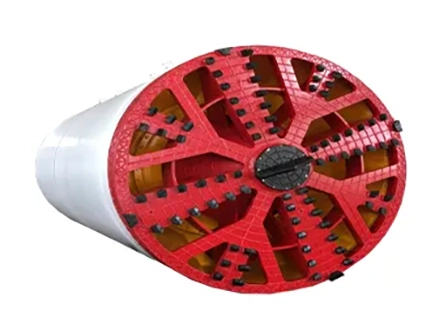
Cutting head configuration directly impacts excavation efficiency and tool wear rates across different soil conditions. Soft ground applications typically utilize open-spoke cutting heads with widely spaced cutting tools to prevent clogging in cohesive soils. Rocky or mixed ground conditions require closed-face cutting heads with robust cutting tool arrangements designed to handle abrasive materials and varying hardness levels.
The selection of appropriate cutting tools and wear-resistant materials significantly affects operational costs and project timelines. Professional contractors evaluate soil abrasiveness, expected tool wear rates, and replacement accessibility when specifying cutting head configurations. Advanced designs incorporate quick-change tool systems that minimize downtime during tool replacement operations in challenging ground conditions.
Site Investigation and Soil Analysis
Geotechnical Investigation Requirements
Comprehensive geotechnical investigations provide essential data for optimal pipe jacking machine selection and operational planning. Soil boring programs should extend below the proposed installation depth to identify potential obstacles, groundwater conditions, and bearing capacity variations. Professional geotechnical engineers recommend investigation spacing based on project complexity, with closer intervals required in areas with known geological variations or sensitive surface structures.
Laboratory testing of soil samples provides critical parameters including shear strength, permeability, and chemical composition that influence equipment selection decisions. These test results help predict potential challenges such as soil conditioning requirements, expected advance rates, and ground support needs. Contractors rely on detailed soil analysis to optimize pipe jacking machine specifications and develop appropriate construction methodologies.
Groundwater Assessment
Groundwater conditions significantly influence pipe jacking machine selection and operational procedures, particularly in permeable soil formations. High water tables require equipment with enhanced pressure control capabilities to prevent ground instability and excessive water ingress. Professional contractors evaluate seasonal water level variations and potential dewatering requirements when selecting appropriate equipment configurations.
The presence of artesian conditions or confined aquifers creates additional challenges that may require specialized pipe jacking machine features such as enhanced pressure monitoring and emergency response systems. Understanding groundwater chemistry helps predict potential corrosion issues and equipment material requirements. Proper groundwater assessment ensures selection of machines with appropriate sealing systems and corrosion-resistant components.
Operational Considerations and Performance Optimization
Advance Rate Planning
Expected advance rates vary significantly based on soil conditions, equipment selection, and operational procedures, directly impacting project scheduling and cost estimation. Cohesive soils typically result in slower advance rates due to increased cutting resistance and potential tool clogging issues. Sandy soils generally allow faster excavation but may require frequent stops for ground support or water management activities.
Professional project managers develop realistic advance rate expectations based on similar projects in comparable soil conditions and selected pipe jacking machine capabilities. Factors such as pipe diameter, alignment accuracy requirements, and surface access limitations can significantly affect daily production rates. Accurate advance rate planning ensures adequate resource allocation and realistic project timeline development.
Quality Control and Monitoring
Continuous monitoring of excavation parameters ensures optimal pipe jacking machine performance while maintaining safety standards throughout the installation process. Modern equipment incorporates sophisticated data logging systems that track thrust forces, face pressures, advance rates, and cutting tool performance in real-time. This information helps operators optimize performance parameters and identify potential issues before they impact project progress.
Professional installation teams establish comprehensive quality control procedures that include regular alignment surveys, ground settlement monitoring, and equipment performance evaluation. These monitoring systems provide early warning of potential problems and enable proactive adjustments to maintain project specifications. Detailed performance records also contribute to improved equipment selection for future projects in similar soil conditions.
Cost Analysis and Equipment Economics
Initial Investment Considerations
The initial cost of pipe jacking machine acquisition or rental represents a significant portion of project budgets, making careful selection essential for economic success. Specialized equipment designed for challenging soil conditions typically commands higher prices but can provide substantial savings through improved performance and reduced operational delays. Professional contractors evaluate total project costs including equipment, labor, and schedule considerations when making equipment selection decisions.
Equipment utilization rates and expected project duration significantly impact the economic analysis of purchase versus rental decisions. Contractors with multiple projects in similar soil conditions may benefit from equipment ownership, while specialized applications may favor rental arrangements. The availability of maintenance support and technical expertise also influences long-term cost considerations for pipe jacking machine ownership.
Operational Cost Factors
Daily operational costs for pipe jacking machine operations include fuel consumption, cutting tool replacement, maintenance requirements, and crew expenses that vary significantly based on soil conditions and equipment selection. Abrasive soils increase cutting tool wear rates and maintenance frequencies, while cohesive soils may require additional soil conditioning materials and cleaning procedures.
Professional cost estimation includes contingency allowances for unexpected soil conditions and equipment performance variations that commonly occur during underground construction projects. Accurate operational cost forecasting requires detailed understanding of equipment capabilities, expected soil conditions, and potential risk factors that could impact productivity and resource requirements throughout the project duration.
FAQ
What factors determine the appropriate pipe jacking machine size for different soil conditions
Machine size selection depends primarily on pipe diameter requirements, soil density, and thrust force calculations based on friction resistance. Dense clay soils require larger machines with higher thrust capabilities, while sandy soils may allow smaller equipment with adequate face pressure control. Professional engineers calculate size requirements based on soil parameters, pipe specifications, and alignment characteristics to ensure adequate performance reserves for challenging conditions.
How do groundwater conditions affect pipe jacking machine selection
High groundwater levels require machines with enhanced pressure control systems and robust sealing capabilities to prevent water ingress and ground instability. Slurry shield systems excel in water-bearing soils, while earth pressure balance machines provide good performance in moderate groundwater conditions. Professional contractors evaluate seasonal water variations and potential dewatering requirements when specifying appropriate equipment configurations for wet ground conditions.
What maintenance requirements vary between different soil types
Abrasive soils increase cutting tool wear rates and require more frequent tool replacement and machine inspection procedures. Clay soils create additional cleaning and maintenance requirements due to material adhesion on cutting components and conveyor systems. Professional maintenance programs adjust service intervals and procedures based on expected soil conditions to minimize unexpected downtime and maintain optimal equipment performance throughout the project duration.
How do mixed ground conditions impact equipment selection decisions
Mixed ground conditions require versatile pipe jacking machine configurations capable of adapting to varying soil properties along the installation alignment. Earth pressure balance systems provide excellent adaptability for mixed conditions, while slurry systems offer superior performance in highly variable ground with significant permeability differences. Professional contractors specify equipment with flexible control systems and robust cutting head designs to handle unexpected ground condition changes during excavation operations.
Table of Contents
- Understanding Soil Classification for Equipment Selection
- Machine Configuration Options for Various Ground Conditions
- Technical Specifications and Performance Parameters
- Site Investigation and Soil Analysis
- Operational Considerations and Performance Optimization
- Cost Analysis and Equipment Economics
- FAQ