
 EN
EN
 AR
AR BG
BG HR
HR CS
CS FR
FR DE
DE EL
EL HI
HI IT
IT JA
JA KO
KO RO
RO RU
RU ES
ES TL
TL ID
ID LT
LT SK
SK SL
SL UK
UK VI
VI ET
ET TH
TH TR
TR FA
FA AF
AF MS
MS HY
HY AZ
AZ KA
KA BN
BN LO
LO LA
LA MN
MN NE
NE MY
MY KK
KK UZ
UZ KY
KY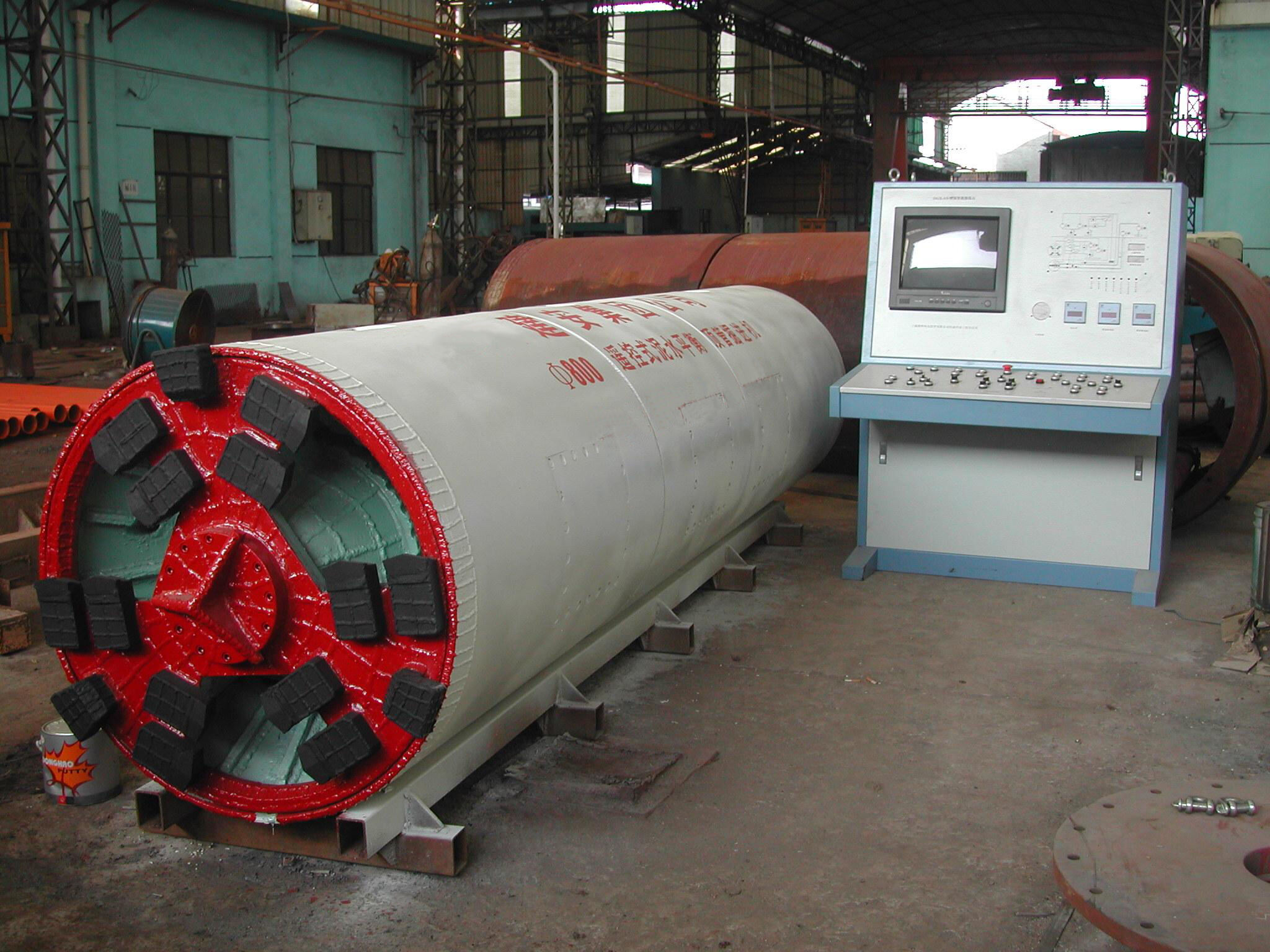
Modern underground construction projects rely heavily on specialized tunneling equipment to create precise pathways for utility installations and infrastructure development. A pipe jacking machine represents one of the most critical pieces of equipment in trenchless construction, capable of installing pipes beneath roads, railways, and other structures without causing surface disruption. The performance and longevity of these sophisticated machines depend entirely on comprehensive maintenance protocols that address every component from hydraulic systems to cutting tools.
Regular maintenance scheduling becomes even more crucial when considering the harsh operating environments where these machines perform their duties. Underground conditions present unique challenges including abrasive soil conditions, groundwater infiltration, and varying geological formations that can accelerate wear patterns on critical components. Without proper maintenance protocols, operators risk costly downtime, reduced productivity, and potentially dangerous equipment failures that can jeopardize entire project timelines.
Hydraulic System Maintenance Protocols
Fluid Quality Management and Replacement Schedules
The hydraulic system serves as the powerhouse of any pipe jacking machine, providing the tremendous force required to push pipes through challenging underground conditions. Maintaining optimal hydraulic fluid quality requires regular sampling and analysis to detect contamination, moisture content, and viscosity changes that could compromise system performance. Established maintenance schedules typically recommend fluid analysis every 500 operating hours, with complete fluid replacement occurring based on contamination levels rather than arbitrary time intervals.
Temperature monitoring plays an equally important role in hydraulic system maintenance, as excessive heat can break down fluid properties and damage seals throughout the system. Installing temperature sensors at key points allows operators to identify potential problems before they escalate into major failures. When hydraulic fluid temperatures consistently exceed manufacturer specifications, immediate investigation of cooling system efficiency, filter conditions, and pump performance becomes necessary to prevent cascade failures.
Filter Replacement and System Cleanliness
Filter maintenance represents one of the most cost-effective ways to extend hydraulic system life and maintain peak performance in pipe jacking machine operations. Return line filters, suction strainers, and pressure line filters each serve specific functions in removing contaminants that could damage precision components like servo valves and proportional controls. Replacement intervals depend on operating conditions, but visual inspection of filter elements should occur during every pre-shift check to identify premature loading or bypass conditions.
System cleanliness extends beyond filter maintenance to include reservoir cleaning, hose inspection, and connection point servicing. Contamination introduced during maintenance activities often causes more damage than normal operational wear, making proper procedures essential for long-term reliability. Using clean tools, filtered fluids, and proper assembly techniques prevents introducing particles that could circulate throughout the system and cause premature component wear.
Cutting Head and Tool Maintenance
Wear Pattern Analysis and Replacement Criteria
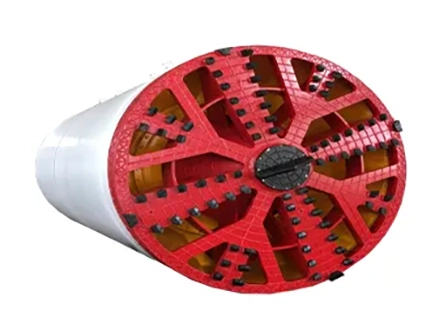
The cutting head represents the business end of the pipe jacking machine, directly interfacing with soil conditions and determining excavation efficiency. Regular inspection of cutting tools reveals wear patterns that indicate soil conditions, machine alignment, and operational parameters that may require adjustment. Documenting tool wear patterns helps predict replacement needs and optimize cutting tool selection for specific geological conditions encountered during different project phases.
Establishing clear replacement criteria prevents excessive wear that could damage the cutting head structure or reduce excavation efficiency. Tools should be replaced when wear indicators reach predetermined limits, typically measured by remaining tooth length or face wear depth. Waiting until complete tool failure occurs often results in secondary damage to mounting systems and increased replacement costs that far exceed the price of timely tool replacement.
Bearing and Rotation System Servicing
Cutting head rotation systems endure tremendous loads while operating in contaminated environments, making bearing maintenance critical for reliable operation. Sealed bearing systems require periodic inspection for seal integrity, proper lubrication levels, and smooth rotation without excessive play or noise. When working in abrasive soils, bearing inspection frequency should increase to catch potential problems before complete failure occurs.
Lubrication systems feeding rotation bearings must be monitored for proper pressure, flow rates, and grease consistency. Automatic lubrication systems require regular calibration to ensure adequate lubrication reaches all bearing points, while manual systems need scheduled servicing based on operating hours and environmental conditions. Using the correct lubricant specification becomes crucial when operating temperatures vary significantly or when chemical contamination from soil conditions could affect lubricant properties.
Earth Pressure Balance System Maintenance
Pressure Sensor Calibration and Monitoring
Earth pressure balance systems rely on accurate sensor readings to maintain optimal excavation face stability during pipe jacking machine operations. Sensor calibration should occur according to manufacturer specifications, typically every 1000 operating hours or whenever readings appear inconsistent with observed conditions. Pressure sensor accuracy directly affects the machine's ability to maintain proper face pressure, preventing ground settlement or face collapse that could compromise project success.
Environmental factors including temperature fluctuations, moisture exposure, and vibration can affect sensor performance over time. Regular inspection of sensor mounting, cable connections, and protective housings helps identify potential problems before they result in inaccurate readings. Backup sensors or redundant measurement systems provide additional reliability in critical applications where face stability cannot be compromised.
Screw Conveyor and Material Handling Systems
The screw conveyor system removes excavated material from the cutting chamber, requiring regular maintenance to prevent jamming, excessive wear, or drive system overload. Conveyor flights must be inspected for wear, damage, or material buildup that could reduce efficiency or cause system overload. Drive chain tension, bearing lubrication, and motor performance all contribute to reliable material handling throughout extended operating periods.
Material handling system maintenance becomes more critical when dealing with sticky clays, rocky soils, or mixed ground conditions that can cause premature wear or system jamming. Regular cleaning procedures remove accumulated material that could harden and interfere with normal operation. Drive system alignment, coupling condition, and vibration monitoring help identify developing problems before they result in costly breakdowns during critical project phases.
Guidance System Accuracy and Calibration
Laser Target Alignment Procedures
Precise guidance systems ensure that pipe jacking machine operations maintain accurate alignment throughout the entire drive length, preventing costly corrections or pipe damage. Laser guidance systems require daily calibration checks to verify target alignment, beam stability, and receiver sensitivity. Environmental factors including temperature changes, vibration, and atmospheric conditions can affect laser performance, making regular calibration essential for maintaining accuracy specifications.
Target system maintenance includes cleaning optical surfaces, checking mounting stability, and verifying communication links between guidance components. Protective measures prevent dust, moisture, or debris from affecting laser beam quality or receiver sensitivity. Battery backup systems require testing and replacement schedules to ensure continuous operation during power interruptions or electrical system problems.
Theodolite and Survey Equipment Maintenance
Survey equipment supporting pipe jacking machine guidance requires careful handling, storage, and calibration to maintain accuracy throughout project duration. Theodolites, levels, and prisms must be protected from shock, temperature extremes, and moisture that could affect measurement precision. Regular calibration by qualified technicians ensures that survey measurements maintain required accuracy standards for successful pipe installation.
Environmental protection for survey equipment includes proper storage cases, climate-controlled storage areas, and handling procedures that prevent damage during transport or setup. Battery systems powering electronic survey equipment need regular testing and replacement schedules to prevent measurement interruptions during critical alignment procedures. Documentation of calibration dates, adjustment records, and accuracy verification provides traceability for quality control purposes.
Power System and Electrical Component Care
Motor and Drive System Servicing
Electric motors powering various pipe jacking machine systems require regular inspection, cleaning, and lubrication to maintain reliable operation in demanding underground environments. Motor windings, bearing systems, and cooling fans accumulate dust and debris that can cause overheating or premature failure. Scheduled cleaning procedures remove contamination while inspection routines identify developing problems before they result in motor failure.
Variable frequency drives and motor controllers require specific maintenance procedures including capacitor testing, connection tightening, and heat sink cleaning. Operating environment factors including humidity, temperature variations, and electrical interference can affect drive performance and longevity. Proper ventilation, contamination protection, and surge suppression help extend drive system life while maintaining precise motor control throughout all operating conditions.
Control System and Instrumentation Maintenance
Modern pipe jacking machine control systems rely on sophisticated electronic components that require protection from moisture, vibration, and electrical interference. Control panel maintenance includes cleaning air filters, checking connection tightness, and testing backup power systems that maintain memory and critical functions during power interruptions. Regular software updates and parameter backup procedures protect against data loss and ensure optimal system performance.
Instrumentation calibration schedules maintain accuracy of pressure sensors, position indicators, and monitoring systems that provide operators with critical performance data. Cable inspection routines identify potential problems with signal transmission, power supply, or communication links between system components. Environmental sealing maintenance prevents moisture intrusion that could cause corrosion or electrical failures in harsh underground operating conditions.
Preventive Maintenance Scheduling and Documentation
Hour-Based and Calendar-Based Maintenance Intervals
Effective maintenance scheduling combines operating hour tracking with calendar-based intervals to address different types of wear and deterioration affecting pipe jacking machine components. High-wear items like cutting tools and hydraulic filters require hour-based replacement schedules that account for actual usage intensity, while environmental factors like seal deterioration and electrical component aging follow calendar-based intervals regardless of operating hours.
Maintenance scheduling software helps track multiple interval types, component histories, and upcoming service requirements to prevent missed maintenance opportunities. Integration with operating hour meters, calendar systems, and inventory management ensures that required parts and supplies are available when scheduled maintenance occurs. Advanced planning prevents maintenance delays that could interrupt critical project schedules or compromise equipment reliability.
Record Keeping and Performance Tracking
Comprehensive maintenance records provide valuable data for optimizing service intervals, predicting component life, and identifying recurring problems that may indicate design issues or operational factors affecting equipment longevity. Digital record systems allow easy access to maintenance histories, parts usage patterns, and performance trends that guide future maintenance decisions and equipment modifications.
Performance tracking metrics including fuel consumption, production rates, and unscheduled downtime incidents help evaluate maintenance program effectiveness and identify opportunities for improvement. Trending analysis reveals developing problems before they result in failures, while cost tracking ensures that maintenance investments provide appropriate returns through improved reliability and extended equipment life. Regular review of maintenance data guides continuous improvement efforts that enhance overall pipe jacking machine performance and project profitability.
FAQ
How often should hydraulic fluid be changed in a pipe jacking machine
Hydraulic fluid replacement intervals depend on contamination levels and operating conditions rather than fixed time schedules. Regular fluid analysis every 500 operating hours determines actual condition and remaining service life. Severe operating conditions including high temperatures, dusty environments, or frequent system cycling may require more frequent fluid changes to maintain optimal performance and prevent component damage.
What are the most critical components requiring daily inspection
Daily inspection priorities include hydraulic fluid levels and temperature, cutting tool condition and wear patterns, guidance system alignment accuracy, and all safety systems operation. Additionally, checking lubrication levels, detecting unusual noises or vibrations, and verifying proper operation of all control functions helps identify developing problems before they result in equipment failures or safety hazards.
How can operators extend cutting tool life during pipe jacking operations
Cutting tool life extends through proper operating parameters including appropriate advance rates, optimal rotation speeds, and maintaining correct earth pressure balance. Regular tool rotation distributes wear evenly across all cutting surfaces, while prompt replacement of severely worn tools prevents damage to adjacent tools or cutting head structure. Soil conditioning and lubrication systems also help reduce tool wear in abrasive conditions.
What maintenance procedures are most cost-effective for preventing major breakdowns
The most cost-effective maintenance procedures include regular filter changes, proper lubrication schedules, and systematic inspection routines that identify problems early. Maintaining clean hydraulic systems, replacing wear items before complete failure, and following manufacturer-recommended service intervals prevent cascade failures that result in expensive repairs and extended downtime periods affecting project schedules and profitability.