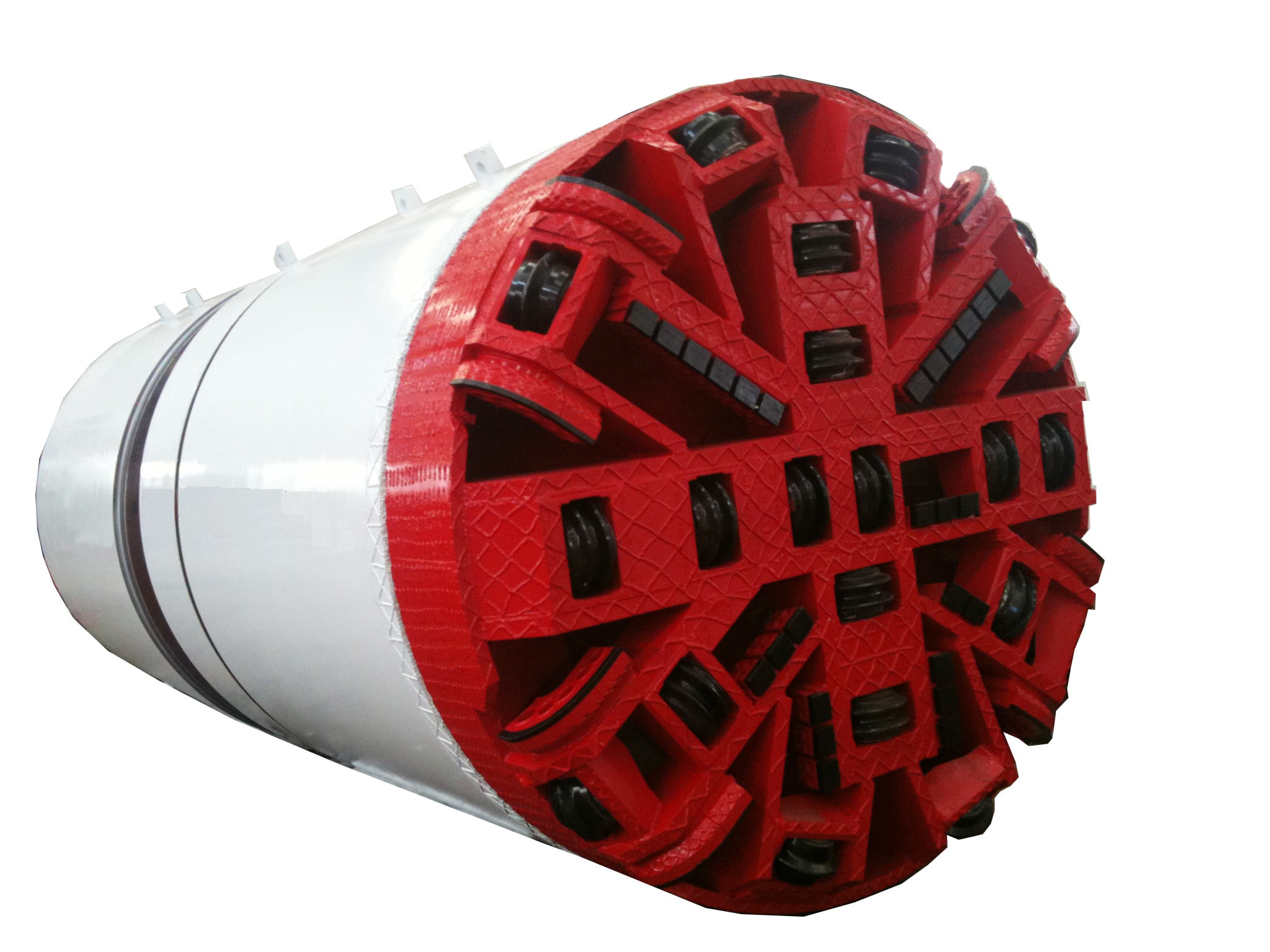
In silt formations, managing slurry density is one of the most critical operational challenges in pipe jacking. Unlike rock or sandy soils, silt exhibits unique rheological behavior — it swells when disturbed, absorbs water readily, and can cause face collapse or excessive settlement if the support pressure is not precisely calibrated. When running a slurry balance pipe jacking machine through silt, the ability to continuously monitor and adjust slurry density is not simply a best practice — it is a fundamental requirement for maintaining face stability and achieving consistent advance rates.

This article provides a detailed, technically grounded guide to adjusting slurry density during slurry balance pipe jacking operations in silt. It covers the governing principles behind slurry pressure, the direct connection between slurry density and silt behavior, the practical steps operators and engineers use to make real-time adjustments, and the role of the mud treatment system in keeping slurry parameters within safe operating ranges. Whether you are planning a new drive or troubleshooting an active project, understanding how to systematically control slurry density in silt will improve both safety outcomes and project efficiency.
Understanding the Role of Slurry Density in Silt Conditions
Why Silt Behaves Differently from Other Soils
Silt sits in a challenging middle ground between cohesive clay and granular sand. Its particle size — typically between 0.002 mm and 0.063 mm — means it has relatively low inter-particle friction but also limited cohesion. When a pipe jacking machine excavates through silt, the disturbed face has a strong tendency to slump or flow unless it is actively supported by pressurized slurry. The problem is compounded by silt's high sensitivity to water content; even a slight reduction in effective support pressure can trigger localized face instability or ground loss at the surface.
The slurry in a slurry balance system works by forming a filter cake on the excavation face and maintaining a hydrostatic pressure that counteracts the earth and groundwater pressures acting on that face. In silt, the permeability is low enough that a bentonite-based slurry can form a relatively stable cake, but the balance is delicate. If slurry density is too low, support pressure drops and the face becomes unstable. If it is too high, the slurry becomes difficult to pump, the face receives excessive pressure, and ground heave can occur ahead of the machine.
This means that adjusting slurry density in silt is not a one-time setup task — it is an ongoing process that responds to changing ground conditions, excavation rate, and inflow of groundwater. Engineers must treat slurry density as a dynamic variable, not a fixed parameter.
The Physical Meaning of Slurry Density in Pipe Jacking
Slurry density is expressed in grams per cubic centimeter (g/cm³) or as a specific gravity relative to water. Clean water has a density of 1.0 g/cm³. A fresh bentonite slurry used for face support typically starts in the range of 1.05 to 1.15 g/cm³ depending on the bentonite concentration and the specific ground conditions. As the machine excavates silt, the cuttings are carried into the slurry circuit, increasing the solids content and raising slurry density progressively.
The relationship between slurry density and face support pressure is direct. Face support pressure equals the slurry density multiplied by gravitational acceleration multiplied by the slurry column height above the measurement point. This means that even small increases in slurry density translate into measurable increases in face pressure, and vice versa. In silt, where the target face pressure window may be relatively narrow — often just a few kilopascals wide — maintaining precise slurry density control is essential.
Operators must understand that slurry density alone does not define face stability. Viscosity, yield point, and gel strength all contribute to the slurry's ability to hold cuttings in suspension and form an effective filter cake. However, slurry density is the parameter most directly linked to support pressure, which makes it the primary adjustment lever in real-time operations through silt.
How Slurry Density Changes During Excavation in Silt
Sources of Density Increase During a Drive
As the cutterhead excavates silt, soil particles are continuously entrained in the circulating slurry. Fine silt particles, being very small, stay suspended in the slurry fluid rather than settling quickly. This means the slurry picks up solids faster in silt than in coarser soils, and slurry density climbs more rapidly during continuous excavation. If the mud treatment system does not remove solids at an adequate rate, slurry density will exceed the target range within a relatively short operational period.
In addition to excavated soil, groundwater inflow can dilute the slurry and reduce its density. In silt formations above the water table, this may be a minor concern. Below the water table, however, groundwater infiltration through the face or around the machine seals can significantly affect the slurry circuit's water balance, requiring either fresh bentonite addition to restore density or increased solids removal to prevent dilution-related instability. Operators must monitor inflow conditions as part of their overall slurry density management strategy.
Temperature also plays a subtle role. In deeper tunnels or during summer operations, elevated temperatures can affect bentonite hydration and reduce the effective viscosity of the slurry, which in turn affects how efficiently cuttings are transported and how stable the filter cake remains. While temperature-related effects are secondary to solids content in driving slurry density changes, they should not be entirely disregarded on long or deep drives through silt.
Reading the Warning Signs of Incorrect Density
One of the most important skills for a pipe jacking crew working in silt is recognizing the early warning signs of slurry density being outside the target range. When density rises too high, the first indicators are typically increased pump pressures in the slurry feed line, slower advance rates despite consistent jacking force, and a thickening of the return slurry that makes it sluggish and difficult to process through the mud treatment system. If left uncorrected, excessive density can lead to pipe jacking resistance spikes, equipment wear, and potential face overpressure.
When slurry density drops too low — often due to dilution from groundwater or from adding too much fresh water to thin an overly dense slurry — the most visible sign is face instability. In silt, this can manifest as unexpected ground loss detected by surface settlement monitoring, erratic face pressure readings, or material surge in the return slurry that suggests localized face collapse. Operators should treat any unusual spike in return flow volume as a potential sign of reduced face support caused by insufficient slurry density.
Establishing a clear, project-specific density alarm threshold — both upper and lower — before starting the drive is good engineering practice. These thresholds should be based on geotechnical data, the depth of cover, groundwater pressure, and the sensitivity of any surface structures above the alignment. Once those thresholds are defined, real-time monitoring of slurry density at both feed and return lines becomes a structured response system rather than a reactive guessing exercise.
Step-by-Step Process for Adjusting Slurry Density in Silt
Establishing the Target Density Range Before the Drive
The adjustment process begins before any excavation starts. Based on the geotechnical report, the project engineer should calculate the theoretical earth pressure and groundwater pressure at the tunnel face. The target slurry density range should be set so that the resulting face support pressure comfortably counteracts the combined earth and water pressure while remaining below the passive failure pressure of the silt. In practice, this typically means setting a feed slurry density in the range of 1.05 to 1.20 g/cm³ for silt, with a maximum acceptable return density of around 1.25 to 1.30 g/cm³ before solids removal must be initiated.
These values are not universal — they must be calculated specifically for each project. The depth of cover, the plasticity of the silt, the groundwater table elevation, and the diameter of the pipe being jacked all influence the correct target range. The geotechnical engineer and the pipe jacking specialist should agree on these parameters before mobilization, and the agreed values should be clearly communicated to the machine operator and the mud plant supervisor so that slurry density adjustments are made consistently according to the project plan.
It is also good practice to conduct a pre-drive slurry mixing test. This involves preparing batches of bentonite slurry at different concentrations, measuring their density, viscosity, and filtration characteristics, and selecting the mix design that best meets the project's face support requirements. Having a tested, documented mix design on hand means that any necessary adjustments during the drive can be made by following a known protocol rather than improvising under time pressure.
Real-Time Density Monitoring and Adjustment Techniques
During active excavation, slurry density should be measured continuously using inline density meters — typically Coriolis-type or gamma-ray-based densitometers — installed on both the feed and return slurry lines. These instruments provide real-time data that operators can use to track the rate of solids pickup and determine when the mud treatment system needs to increase its processing capacity. Density readings should be logged at regular intervals, ideally every few minutes, and compared against the target range.
When return density climbs toward the upper threshold, the first response should be to increase the throughput of the slurry density management circuit — specifically by routing more return slurry through hydrocyclones and shaker screens to strip out fine silt particles. If the mud treatment system is already operating at full capacity and return density continues to rise, the advance rate of the machine should be reduced to give the treatment system time to catch up with solids removal. Reducing advance rate is a more conservative approach, but it protects face stability and prevents equipment overload.
When return density drops below the lower threshold — indicating either groundwater dilution or loss of bentonite from the circuit — the correct response is to add concentrated bentonite slurry to the feed side of the circuit to raise the overall solids content and restore face support pressure. Pre-mixed concentrated bentonite at 1.20 to 1.25 g/cm³ can be held in a dedicated holding tank within the mud plant and introduced into the circuit on demand. This approach is faster and more controllable than adding dry bentonite powder directly to the active circuit, which can cause lumping and inconsistent mixing.
Coordinating Between the Machine Operator and the Mud Plant
Effective slurry density adjustment in silt requires tight coordination between two operational teams: the machine operator underground and the mud plant supervisor on the surface. The machine operator controls advance rate, cutterhead speed, and jacking pressure, all of which directly influence how quickly solids are introduced into the slurry circuit. The mud plant supervisor controls the separation equipment, the makeup water supply, and the concentrated bentonite dosing system.
A clear communication protocol should be in place so that density alerts trigger coordinated responses rather than unilateral decisions. For example, if the return density alarm activates, the mud plant supervisor should immediately increase separation capacity and simultaneously notify the machine operator to reduce advance rate by a predefined amount. If the machine operator observes unexpected face pressure fluctuations that suggest changing ground conditions, this information should be relayed to the mud plant so that the target slurry density range can be re-evaluated and adjusted accordingly.
Many modern slurry balance systems include a control interface that displays both feed and return slurry density values in real time, along with face pressure, jacking force, and advance rate, on a single operator screen. This integrated monitoring approach makes coordination easier and reduces the response time between detecting a density deviation and taking corrective action. Even without full automation, a simple phone or radio communication protocol between the machine operator and the mud plant can achieve effective coordination if the density thresholds and response procedures are clearly defined in advance.
The Mud Treatment System's Role in Density Control
How the Mud Treatment System Controls Slurry Density
The mud treatment system is the central piece of equipment responsible for maintaining slurry density within the target range throughout a pipe jacking drive. Its primary function is to receive the return slurry — which carries excavated silt particles — strip out the unwanted solids, and return clean, reconstituted slurry to the feed side of the circuit. The efficiency of this process directly determines how consistently slurry density can be controlled.
A properly configured mud treatment system for silt work typically includes a coarse shaker screen to remove large particles, a bank of hydrocyclones (desanders and desilters) to remove fine silt particles, and a centrifuge for ultra-fine solids recovery. The separated solids are discharged for disposal, while the cleaned slurry — along with any added makeup water or fresh bentonite — is returned to the feed circuit. The processing capacity of the system must be matched to the excavation rate so that the rate of solids removal equals or exceeds the rate of solids introduction, keeping slurry density stable.
Undersized or poorly maintained mud treatment systems are one of the most common causes of uncontrolled slurry density drift on pipe jacking sites. When the system cannot process return slurry fast enough, the circuit accumulates solids, density rises beyond the target range, and the project team is forced to either slow down the drive or bypass solids removal, neither of which is a good outcome. Investing in an adequately sized and well-maintained mud treatment system is therefore a direct investment in slurry density control capability.
Maintaining System Efficiency in Fine Silt
Fine silt particles present a particular challenge for mud treatment systems because they are small enough to pass through coarser separation stages but large enough to significantly contribute to slurry density if they accumulate in the circuit. Hydrocyclone cut points and screen mesh sizes must be selected to capture the dominant particle size of the silt being excavated. If the cut point is too coarse, fine particles will recirculate continuously, gradually raising slurry density in what appears to be an uncontrolled manner even when the separation equipment is running.
Regular maintenance of separation equipment — including checking and replacing worn hydrocyclone liners, inspecting screen panels for blinding or damage, and monitoring centrifuge performance — is essential to maintaining consistent slurry density control in silt. Operators should perform daily checks on all separation stages and record the underflow density from hydrocyclones as an indicator of whether they are effectively capturing silt-sized particles. A hydrocyclone producing dilute underflow is not separating efficiently and will allow fine solids to build up in the circuit.
Flocculant addition can be used to assist separation of fine silt particles that would otherwise be too small for mechanical separation. By causing fine particles to aggregate into larger flocs, flocculants effectively shift the particle size distribution toward a range that hydrocyclones and centrifuges can capture more efficiently. However, flocculant dosing must be carefully controlled — excessive dosing can change the rheological properties of the slurry, affecting its filter cake formation ability and potentially compromising face support. Any flocculant trial should be evaluated with slurry density monitoring in place to confirm that the treatment is achieving the intended result without adverse side effects.
Common Mistakes and Practical Guidelines for Silt Operations
Mistakes That Lead to Density Loss of Control
One of the most common mistakes in silt pipe jacking is treating slurry density management as a reactive task rather than a proactive one. Operators who only measure density when a problem is already apparent are always behind the curve, making corrections after face instability or equipment stress has already begun to develop. Proactive management — with defined alarm levels, pre-agreed response procedures, and continuous monitoring — consistently outperforms reactive approaches in maintaining face stability and project schedule.
Another frequent mistake is adding water to dilute an overly dense slurry without accounting for the resulting loss of bentonite concentration. When water is added to reduce slurry density, it dilutes not just the solids content but also the bentonite that provides the slurry's filter cake-forming ability. The result can be a slurry that has an acceptable density reading on the densitometer but lacks the rheological quality needed to maintain an effective barrier at the tunnel face. The correct approach is to remove solids through the mud treatment system, which reduces density without diluting the beneficial bentonite fraction.
A third mistake is failing to account for the lag time between a change in excavation rate and the corresponding change in return slurry density. The slurry circuit has a finite volume, and changes at the face take time to propagate through the system and appear at the return density meter. Operators who respond immediately to a density reading without considering this lag may over-correct, creating oscillations in slurry density that are harder to manage than a steady drift. Understanding the hydraulic transit time of the specific circuit — calculated from circuit volume divided by flow rate — helps operators time their adjustments correctly.
Practical Benchmarks for Silt Operations
Based on established practice in slurry balance pipe jacking through silt, several practical benchmarks can guide density management. The feed slurry entering the machine should typically be maintained in the range of 1.05 to 1.15 g/cm³ for face support in most silt conditions. The maximum acceptable return slurry density before solids removal must be actively increased is generally taken as 1.25 g/cm³, though project-specific geotechnical conditions may adjust this boundary. These benchmarks are not substitutes for project-specific calculations, but they provide a useful starting framework for teams new to silt jacking.
The ratio of feed density to return density — sometimes called the density uplift ratio — gives a useful indication of the solids pickup rate per unit advance. If this ratio climbs sharply, it indicates either that the silt is more friable than expected, that the advance rate is too high for the mud treatment capacity, or that the slurry is not forming an effective filter cake and is instead penetrating the face excessively. Tracking this ratio over time helps engineers identify trends before they become problems and adjust slurry density management protocols accordingly.
Keeping detailed records of slurry density readings, advance rates, jacking pressures, and mud treatment system parameters throughout the drive is invaluable not just for managing the current project but for improving future projects in similar ground conditions. These records allow engineers to develop accurate models of how slurry density evolves in silt at different advance rates, which supports better planning and more precise target-setting on subsequent drives.
FAQ
What is the typical target slurry density range for pipe jacking in silt?
For slurry balance pipe jacking in silt, the feed slurry density is typically targeted between 1.05 and 1.15 g/cm³ to provide adequate face support without causing overpressure. The return slurry density is generally kept below 1.25 to 1.30 g/cm³ before active solids removal is required. These values should be confirmed by project-specific geotechnical calculations accounting for depth of cover, groundwater pressure, and silt characteristics.
How quickly should slurry density be adjusted when it goes out of range?
Adjustments should begin as soon as the density reading exceeds or drops below the predefined alarm threshold. However, operators must account for the hydraulic lag time in the slurry circuit — the time it takes for changes at the face to reach the return density meter. Overcorrecting without considering this lag can create density oscillations. A steady, measured response — reducing advance rate and increasing separation capacity when density is high, or adding concentrated bentonite when density is low — is more effective than rapid, large-scale interventions.
Why does slurry density rise faster in silt than in sandy ground?
Silt particles are very fine and remain in suspension in the slurry for much longer than coarser sand particles, which tend to settle out more readily. This sustained suspension means that the effective solids content of the circulating slurry accumulates faster in silt, causing slurry density to climb more rapidly during continuous excavation. The mud treatment system must be configured with appropriately fine separation stages — such as desilter cyclones and centrifuges — to remove these fine particles efficiently and prevent uncontrolled density buildup.
Can slurry density alone guarantee face stability in silt?
Slurry density is the primary driver of face support pressure and is therefore the most important parameter to control, but it does not act alone. The viscosity, yield point, and filter cake quality of the slurry also contribute to face stability in silt. A slurry that has the correct density but poor filter cake formation — for example, due to bentonite dilution from excessive water addition — may not maintain a stable face despite registering an acceptable density reading. Comprehensive slurry management in silt requires monitoring all key rheological parameters, not just density.
EN
AR
BG
HR
CS
FR
DE
EL
HI
IT
JA
KO
RO
RU
ES
TL
ID
LT
SK
SL
UK
VI
ET
TH
TR
FA
AF
MS
HY
AZ
KA
BN
LO
LA
MN
NE
MY
KK
UZ
KY