
 EN
EN
 AR
AR BG
BG HR
HR CS
CS FR
FR DE
DE EL
EL HI
HI IT
IT JA
JA KO
KO RO
RO RU
RU ES
ES TL
TL ID
ID LT
LT SK
SK SL
SL UK
UK VI
VI ET
ET TH
TH TR
TR FA
FA AF
AF MS
MS HY
HY AZ
AZ KA
KA BN
BN LO
LO LA
LA MN
MN NE
NE MY
MY KK
KK UZ
UZ KY
KY
In pipe jacking projects, overheating rarely starts as a sudden failure. It usually begins with small daily misses inside the hydraulic circuit, then escalates under continuous load. The single most effective daily check is to confirm correct oil level and unobstructed cooling flow in the hydraulic pump station before startup, then verify stable temperature rise during initial operation. This check directly addresses the two most common heat triggers: insufficient oil volume and reduced heat rejection.
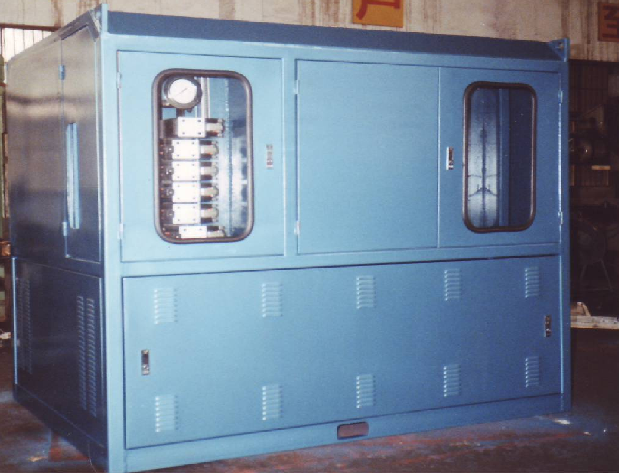
For maintenance and operations teams, this is not just a routine checkbox. In a pipe jacking machine hydraulic system, oil is both power medium and heat carrier, so temperature control depends on the condition of the hydraulic pump station every shift. A disciplined daily check prevents viscosity breakdown, seal wear, pressure instability, and unplanned stoppages that can disrupt alignment and advance rate in tunneling operations.
The Critical Daily Check for Overheating Prevention
Oil volume and cooling path are one integrated control point
The daily check that prevents overheating is not only checking a tank gauge. It is a combined verification of oil level, oil condition, and cooling path openness in the hydraulic pump station. When oil level is low, the system has less thermal mass and heats faster during thrust and steering cycles. At the same time, any airflow or water-side restriction in the cooler reduces heat transfer, which causes temperature to rise even when pressure values appear acceptable.
In practical terms, field crews should treat the hydraulic pump station as a thermal system, not just a pressure source. A normal pressure reading can hide developing overheating if the cooler is partially blocked or the return flow is aerated. By checking both oil availability and heat rejection pathway together, teams catch the main overheating mechanism before the machine enters sustained boring load.
What must be confirmed before first startup
Before startup, verify the oil level in the hydraulic pump station at the specified cold-state mark. Then inspect breather condition, return filter differential indication, and cooler surface cleanliness. If the unit uses forced-air cooling, ensure fan operation and unobstructed intake. If it uses water cooling, confirm flow and temperature differential across the cooler loop.
This pre-start check should also include a short idle circulation period. During idle, the hydraulic pump station should show smooth return flow with no foaming and no abnormal noise. Foaming often indicates air ingress or low level, both of which accelerate heating through compressibility loss and micro-dieseling effects in high-pressure sections.
How the Check Interrupts the Overheating Mechanism in Pipe Jacking
Heat generation rises quickly under thrust demand
Pipe jacking machines impose long-duration hydraulic load, especially during high-friction drives and steering corrections. In these conditions, internal leakage and pressure drop convert input power into heat continuously. The hydraulic pump station therefore needs enough oil volume and efficient cooling to keep equilibrium temperature below the fluid degradation zone.
If daily checks are skipped, the hydraulic pump station can operate at marginal conditions that look acceptable in the first minutes but drift upward later. As oil temperature climbs, viscosity falls, leakage increases, and more heat is generated for the same work output. This feedback loop is exactly why one disciplined daily check is so effective: it prevents the loop from starting.
Thermal stability protects machine accuracy and uptime
Overheated oil affects more than component life. Cylinder response becomes less predictable, valve behavior shifts, and control smoothness degrades. In pipe jacking, those changes can influence line and grade correction quality, especially when frequent micro-adjustments are required. A stable hydraulic pump station keeps hydraulic behavior repeatable throughout the shift.
Consistent temperature control also protects production cadence. When the hydraulic pump station remains in its intended thermal window, teams avoid forced cooldown pauses and emergency maintenance interruptions. That reliability is often the difference between meeting advance targets and losing days to avoidable troubleshooting.
Daily Execution Standard for Site Teams
Pre-shift verification sequence
A reliable sequence starts with visual and instrument checks before load is applied. Confirm oil level, inspect around hoses and manifolds for seepage, review filter indicators, and clean the cooler face. The hydraulic pump station should then run briefly at no-load so operators can observe baseline temperature and return behavior.
Documentation matters. Record starting oil temperature, ambient conditions, and any minor abnormalities in the hydraulic pump station log. Small day-to-day deviations, when trended, often reveal a developing overheating risk earlier than a single high alarm event.
First-cycle validation under real load
After boring begins, recheck the hydraulic pump station during the first 20 to 30 minutes. Compare observed temperature rise against the site’s normal profile for similar ground and thrust levels. A faster-than-usual rise indicates that pre-start cooling capacity or oil condition may be insufficient.
This is the right moment to confirm that the hydraulic pump station is maintaining stable operation rather than drifting. Early detection allows non-disruptive corrections, such as cleaning airflow paths, restoring oil level, or reducing peak load spikes before heat accumulation becomes critical.
Conditions That Require Stricter Daily Attention
High ambient temperature and restricted ventilation
Summer operation, enclosed shafts, and dusty work zones reduce cooling efficiency even when the equipment is mechanically healthy. Under these conditions, the hydraulic pump station has less temperature margin, so the same load produces higher steady-state oil temperature. Daily checks should therefore include closer inspection of fan performance, cooler cleanliness, and intake clearance.
When ambient heat is elevated, teams should adjust operating rhythm and monitor thermal trend frequency. A hydraulic pump station that was stable in mild weather may need tighter intervention thresholds during hot periods to avoid crossing into rapid degradation conditions.
Changing geology and duty-cycle intensity
Ground transitions can sharply change resistance and required thrust. As duty cycle intensifies, power conversion losses rise and the hydraulic pump station thermal burden increases. Daily checks should account for expected geology and planned advance rate, not only yesterday’s operating pattern.
In practical site management, this means pairing hydraulic pump station inspection with production planning. If higher jacking force is anticipated, verify cooling readiness and oil reserve condition before the shift starts. This proactive link between planning and maintenance is a proven overheating prevention habit.
Corrective Response When Early Heat Signs Appear
Immediate actions that reduce thermal escalation
When temperature climbs faster than baseline, respond at once with low-disruption measures. Reconfirm hydraulic pump station oil level, inspect for foaming, clean cooler blockage, and verify fan or water flow operation. Check return filter condition because rising differential can increase backpressure and heat generation.
At the same time, moderate load transients by smoothing control inputs and avoiding unnecessary pressure spikes. This gives the hydraulic pump station time to recover thermal balance while root causes are addressed. Waiting for alarm-level temperature before action usually leads to longer downtime and deeper fluid stress.
Follow-up controls to prevent repeat overheating
After stabilization, perform a short cause review. Determine whether the issue came from maintenance lapse, environmental shift, or operating profile change. Update the hydraulic pump station daily checklist to include the specific trigger that was missed, such as cooler dust loading rate or abnormal oil consumption pattern.
Long-term prevention depends on consistency. A hydraulic pump station that is checked the same way every shift produces predictable thermal behavior, which supports both equipment life and project schedule confidence. In pipe jacking, repeatable discipline is more valuable than occasional emergency fixes.
FAQ
What is the single daily check that most directly prevents overheating?
The most direct daily check is confirming proper oil level and unobstructed cooling flow in the hydraulic pump station before startup, then validating normal temperature rise during early load. This combined check prevents the most common overheating chain from starting.
Why is checking only pressure not enough?
Pressure can remain within target while the hydraulic pump station is already losing cooling effectiveness. Overheating is a thermal balance issue, so oil volume, cooler performance, and return condition must be checked alongside pressure values.
How often should temperature be reviewed during a shift?
At minimum, review baseline at startup, again during the first 20 to 30 minutes under load, and then at defined intervals based on site conditions. In high ambient heat or heavy thrust phases, hydraulic pump station temperature checks should be more frequent.
What early warning signs usually appear before a serious overheating event?
Common early signs include faster-than-normal temperature rise, foamy return oil, higher filter differential, unstable actuator response, and frequent small pressure corrections. These indicators suggest the hydraulic pump station is moving away from stable thermal operation and needs immediate attention.