
 EN
EN
 AR
AR BG
BG HR
HR CS
CS FR
FR DE
DE EL
EL HI
HI IT
IT JA
JA KO
KO RO
RO RU
RU ES
ES TL
TL ID
ID LT
LT SK
SK SL
SL UK
UK VI
VI ET
ET TH
TH TR
TR FA
FA AF
AF MS
MS HY
HY AZ
AZ KA
KA BN
BN LO
LO LA
LA MN
MN NE
NE MY
MY KK
KK UZ
UZ KY
KY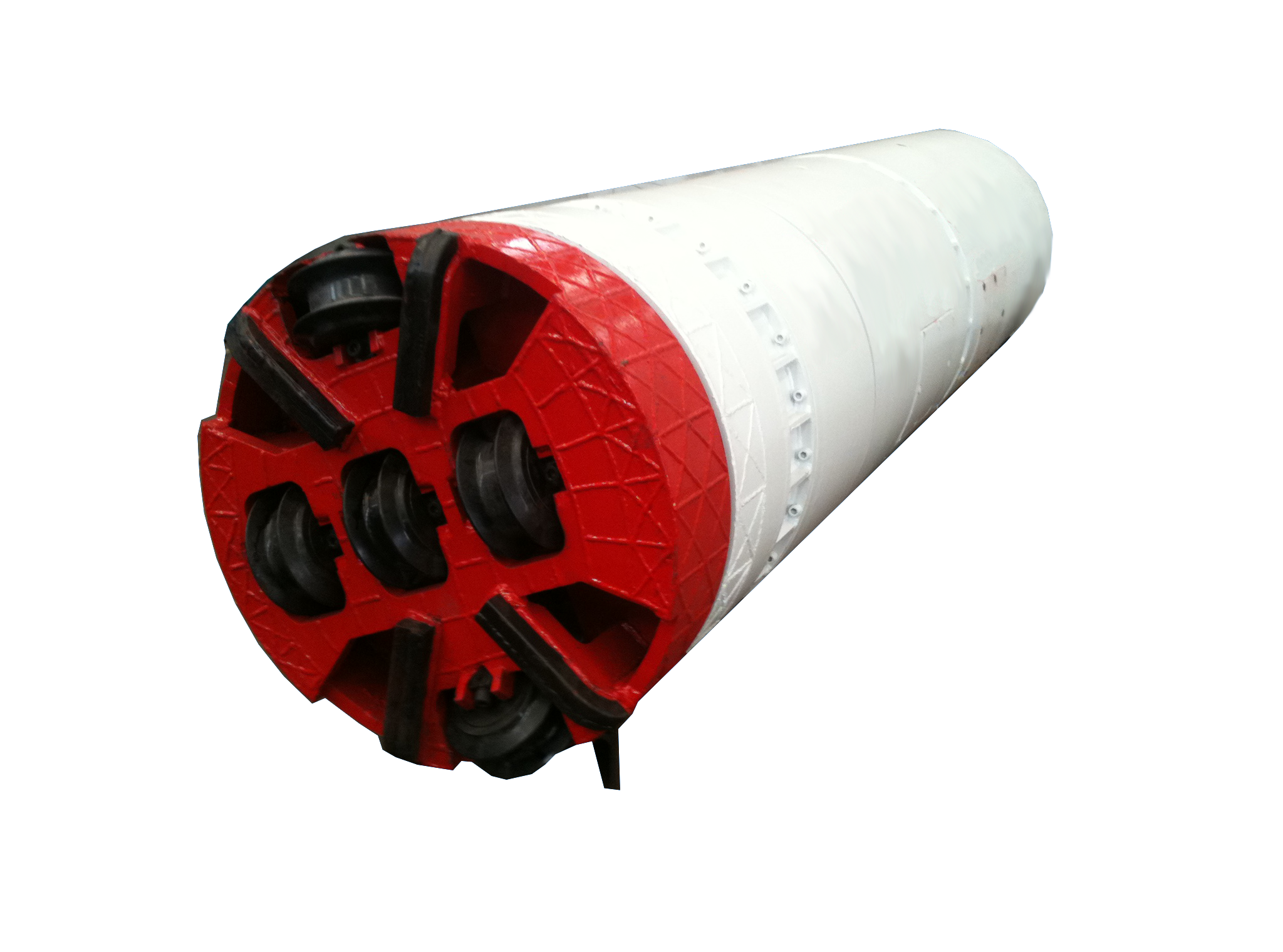
Selecting the right equipment for a trenchless tunneling project is never a simple decision, and when it comes to choosing a pipe jacking machine, procurement teams face an added layer of complexity: should they invest in a brand-new unit or consider a used one from the secondary market? This choice sits at the intersection of budget constraints, project specifications, risk tolerance, and long-term operational strategy. Making the wrong call can result in costly delays, unexpected maintenance expenses, or a machine that simply does not meet the technical demands of the job site.
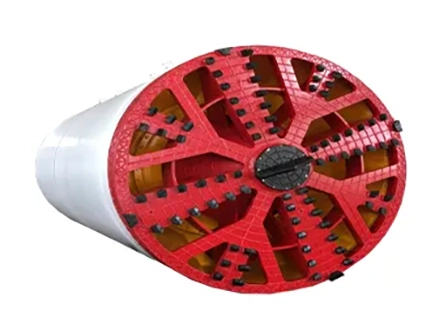
The pipe jacking machine market today offers a wide range of options for both new and used equipment, each with distinct advantages and trade-offs. Understanding how to evaluate these options based on your specific project context, financial model, and operational capabilities is the foundation of a smart procurement decision. This article walks through the key dimensions of that decision so that project engineers, procurement managers, and contractors can approach the market with clarity and confidence.
Understanding the Core Differences Between New and Used Equipment
What You Get With a New Pipe Jacking Machine
A new pipe jacking machine comes with the full manufacturer warranty, the latest technological specifications, and a known service history that begins the moment it leaves the factory. For complex urban infrastructure projects or those involving unstable soil conditions such as sandy aquifers, mixed-face ground, or high groundwater environments, having a machine engineered to current standards reduces technical uncertainty significantly. The operational parameters are predictable, the wear components are fresh, and the control systems are up to date.
New units also tend to offer better compatibility with modern supervisory systems and data logging tools, which are increasingly required on government-monitored infrastructure projects. When a project demands precise face pressure management, real-time torque monitoring, or automated slurry circulation, a new pipe jacking machine provides these capabilities in a factory-calibrated state. The upfront capital cost is higher, but the risk of unplanned downtime is substantially lower during the early operational period.
Beyond technical readiness, purchasing new equipment often comes with after-sales support packages, spare parts availability guarantees, and training programs. These elements are critical when your team is deploying a pipe jacking machine in a region where third-party service infrastructure is limited.
What You Get With a Used Pipe Jacking Machine
A used pipe jacking machine offers the primary advantage of a significantly reduced acquisition cost. In markets where project margins are tight or where equipment utilization rates are seasonal, the ability to deploy a capable machine at a fraction of the new price can directly impact bid competitiveness. Contractors who manage multiple simultaneous projects sometimes rely on used units to supplement their fleets without committing to full capital expenditure cycles.
However, the value of a used pipe jacking machine depends entirely on its condition, its maintenance history, and the accuracy of the seller's documentation. A well-maintained unit with comprehensive service records and a low operational hour count can perform comparably to a new machine on straightforward projects. Conversely, a unit that has been pushed hard in abrasive ground without adequate maintenance may carry hidden wear that only becomes apparent under load.
Used equipment in the pipe jacking machine market also varies widely in terms of available replacement parts, especially for older models or discontinued product lines. This is a practical risk factor that buyers must investigate thoroughly before committing to a purchase.
Key Evaluation Criteria When Comparing New and Used Units
Assessing Project-Specific Technical Requirements
The first filter in your decision should always be the technical specification of the project itself. A pipe jacking machine selected for a municipal sewer installation in cohesive clay soil has very different requirements from one deployed for a utility crossing through coarse gravel or weathered rock. New machines allow for specification customization during the ordering process, meaning you can configure cutter head geometry, jacking force capacity, and pipe diameter range to match your exact project demands.
Used pipe jacking machines, by contrast, come with fixed configurations that may or may not align with your project needs. A mismatch between available machine specifications and project soil conditions is one of the most common causes of underperformance when using secondary-market equipment. Procurement teams should begin the evaluation by preparing a detailed technical requirement sheet and then cross-referencing it against what the used unit can actually deliver.
Pipe diameter is another critical dimension. If your project requires a machine capable of handling large-diameter concrete pipes, but the available used pipe jacking machine is configured for smaller utility tunnels, the mismatch will create delays or force costly field modifications. Starting with a clear specification matrix prevents this type of misalignment.
Financial Modeling: Total Cost of Ownership vs. Acquisition Price
One of the most important shifts in thinking for procurement teams is moving from acquisition price comparison to total cost of ownership analysis. A used pipe jacking machine may appear to offer savings of 30 to 50 percent over a comparable new unit at the point of purchase. But if that machine requires significant overhaul work before deployment, generates higher fuel consumption due to aging hydraulic systems, or causes three weeks of downtime due to part sourcing delays, the financial picture changes dramatically.
Total cost of ownership for a pipe jacking machine should account for procurement cost, pre-deployment inspection and refurbishment expenses, anticipated maintenance frequency, spare parts pricing and lead times, operator training requirements, and estimated resale value at end of project. When these factors are properly modeled, some used units remain genuinely cost-effective while others reveal hidden liabilities that erode their apparent advantage.
New pipe jacking machines generally carry predictable operating cost profiles for the first few years, making financial planning more straightforward. This predictability has real value in fixed-price contracting environments where cost overruns must be absorbed by the contractor rather than passed to the client.
Evaluating Machine Condition and Maintenance History
For any used pipe jacking machine under serious consideration, a thorough technical inspection is non-negotiable. This inspection should cover the cutter head and cutting tools for wear patterns, the main bearing seal integrity, the condition of the hydraulic power pack and drive motors, the jacking cylinder seals, the control panel and sensor systems, and the screw conveyor or slurry circuit depending on machine type.
Maintenance logs are equally important. A pipe jacking machine that has been serviced on schedule with genuine replacement parts and operated by experienced crews presents a fundamentally different risk profile from one that has been run under minimal maintenance on a low-margin project. Request documentation, verify service intervals against the manufacturer's recommended schedule, and if possible, speak directly with the previous operating crew about any recurring issues they encountered.
Where physical inspection is not immediately possible, video inspection reports, hydraulic system pressure test results, and wear measurement data on key components can provide useful preliminary insight before committing to a site visit.
Market Context: When Each Option Makes Practical Sense
Scenarios Where New Equipment Is the Stronger Choice
Certain project and business contexts clearly favor purchasing a new pipe jacking machine. Large-scale infrastructure programs with multi-year timelines justify the capital investment because the machine will generate revenue across multiple contracts. Projects in technically demanding ground conditions where precision control and reliability are paramount also benefit from the performance certainty that a new unit provides. Government infrastructure contracts that require documented equipment specifications and certifications typically favor new or recently refurbished equipment to satisfy compliance requirements.
Companies building out their permanent equipment fleet for long-term market positioning in trenchless construction also typically choose new pipe jacking machines because asset quality supports both operational performance and balance sheet value. If your business model includes reselling or leasing equipment between projects, a new machine retains higher residual value than an older used unit under comparable operating conditions.
Scenarios Where Used Equipment Offers Genuine Value
Used pipe jacking machines offer genuine value in several well-defined scenarios. Contractors bidding on short-duration projects with straightforward ground conditions and limited technical complexity can deploy a reliable used unit to protect project margins without committing to a new machine purchase. For organizations that need to expand fleet capacity rapidly to meet a contract deadline, sourcing a well-maintained used pipe jacking machine through a trusted supplier can be faster than waiting for a new unit to be manufactured and delivered.
Emerging market contractors building their initial equipment base sometimes find that starting with used equipment allows them to develop operational expertise and generate revenue before committing to full-price new equipment purchases. In these contexts, the key is selecting a used pipe jacking machine that is mechanically sound, well-documented, and supported by an accessible spare parts supply chain.
Rental and leasing operations in the pipe jacking machine market also frequently rely on used equipment to manage acquisition costs while keeping their daily rates competitive. The economic logic holds as long as maintenance is proactive and the equipment does not become a source of client liability due to unreliability.
Risk Management and Due Diligence in Procurement
Structuring the Buying Process to Reduce Exposure
Whether you are purchasing a new or used pipe jacking machine, structuring the procurement process with clear risk management steps protects your organization from avoidable losses. For new equipment, this means verifying manufacturer credentials, understanding warranty terms in detail, confirming parts and service availability in your operating region, and reviewing delivery lead times against your project schedule. A pipe jacking machine that arrives three months after your project has started is not a useful asset.
For used pipe jacking machines, due diligence must be more intensive. Engage an independent third-party inspector who has specific experience with tunneling equipment. Verify ownership documentation and check for outstanding liens or financing encumbrances on the machine. Confirm that the machine configuration matches the seller's description by reviewing the original factory specification sheet. Negotiate a pre-purchase inspection window into the purchase agreement before funds are committed.
Contractual protections such as inspection contingencies, warranty clauses on key components, and defined return provisions in case of misrepresentation are worth negotiating, especially in cross-border transactions where recourse options may be limited. A pipe jacking machine purchase is a significant capital event and should be treated with the same structured diligence applied to any major asset acquisition.
After-Sales Support and Parts Availability as Decision Factors
One dimension of the new versus used decision that procurement teams often underweight is after-sales support infrastructure. A new pipe jacking machine purchased from a manufacturer or authorized distributor typically includes access to a formal support network with responsive technical assistance, genuine spare parts supply, and software update capability. This support significantly reduces the operational risk during the machine's early life in your fleet.
For used pipe jacking machines, particularly older models, the availability of genuine replacement parts may be limited or dependent on specialized aftermarket suppliers. Before finalizing a used machine purchase, conduct a parts availability audit covering wear components such as cutter bits, main bearing seals, hydraulic fittings, and control system modules. If critical parts have long lead times or are no longer manufactured, factor that risk explicitly into your decision.
The quality of technical support available to your field crew is also worth considering. Operators working with an unfamiliar pipe jacking machine benefit from manufacturer-provided documentation and training. Some used equipment sellers offer limited technical briefings as part of the sale, but this is rarely as comprehensive as the support that accompanies new equipment purchases.
FAQ
What is the typical cost difference between a new and used pipe jacking machine?
The cost difference varies based on machine size, age, condition, and configuration, but used pipe jacking machines in the secondary market are generally priced between 30 and 60 percent below the equivalent new unit. However, buyers must account for pre-deployment inspection costs, potential refurbishment expenses, and the absence of manufacturer warranty coverage when calculating the true financial advantage of a used machine over a new one.
How can I verify the condition of a used pipe jacking machine before purchasing?
Commission an independent technical inspection from an engineer or specialist with direct experience in trenchless tunneling equipment. The inspection should cover mechanical systems, hydraulic components, control electronics, cutting head wear, and seal integrity. Request full maintenance records from the seller and cross-check service intervals against the manufacturer's recommended schedule. Where possible, observe the machine operating under load before finalizing the purchase.
Are there project types where a used pipe jacking machine should not be used?
Projects involving technically demanding ground conditions such as high groundwater pressure, mixed-face geology, or urban environments with strict surface settlement tolerances generally favor new equipment. Similarly, projects with strict government certification requirements or those where downtime risk carries significant financial penalties are better served by new pipe jacking machines with active warranty coverage and manufacturer support.
What factors most affect the resale value of a pipe jacking machine?
Resale value is primarily driven by the machine's operational hours, the quality and completeness of its maintenance documentation, the availability of spare parts for its model, and the overall condition of its main structural and mechanical components. Machines that have been consistently maintained, operated within specified parameters, and kept in clean working condition retain significantly higher resale value than those with incomplete service histories or evidence of heavy wear on critical systems.
Table of Contents
- Understanding the Core Differences Between New and Used Equipment
- Key Evaluation Criteria When Comparing New and Used Units
- Market Context: When Each Option Makes Practical Sense
- Risk Management and Due Diligence in Procurement
-
FAQ
- What is the typical cost difference between a new and used pipe jacking machine?
- How can I verify the condition of a used pipe jacking machine before purchasing?
- Are there project types where a used pipe jacking machine should not be used?
- What factors most affect the resale value of a pipe jacking machine?