
 EN
EN
 AR
AR BG
BG HR
HR CS
CS FR
FR DE
DE EL
EL HI
HI IT
IT JA
JA KO
KO RO
RO RU
RU ES
ES TL
TL ID
ID LT
LT SK
SK SL
SL UK
UK VI
VI ET
ET TH
TH TR
TR FA
FA AF
AF MS
MS HY
HY AZ
AZ KA
KA BN
BN LO
LO LA
LA MN
MN NE
NE MY
MY KK
KK UZ
UZ KY
KY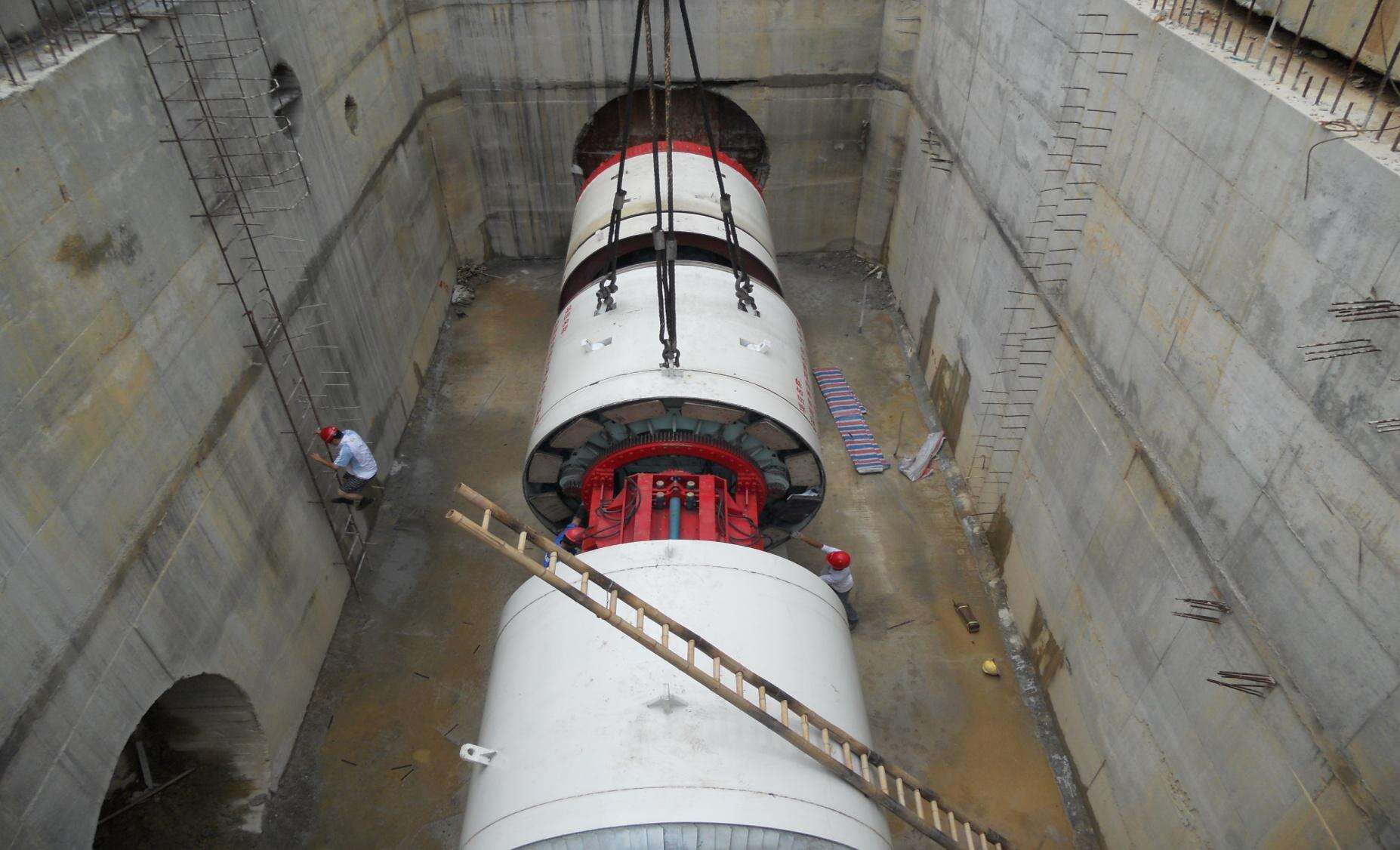
Asia is experiencing one of the most significant periods of underground infrastructure expansion in modern history. From megacities extending their metro networks to rural regions upgrading their water and sewer systems, the demand for advanced trenchless construction equipment has surged dramatically. At the center of this transformation is the pipe jacking machine, a precision tunneling system that allows contractors to install underground pipelines without the disruption, cost, and environmental impact of open-cut excavation. Understanding what fuels this growth requires a closer look at the economic, regulatory, and infrastructural forces reshaping the region.
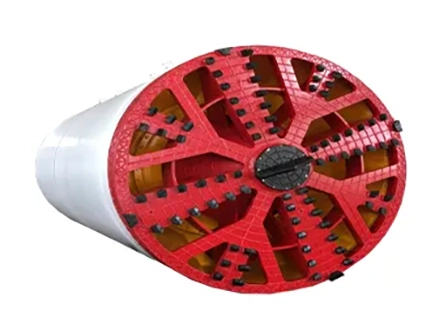
The pipe jacking machine market in Asia is not growing by coincidence. It is being driven by a convergence of urbanization pressures, government infrastructure investment programs, environmental policy shifts, and technological advancements that collectively make trenchless construction the preferred method across dozens of national markets. This article examines each of these driving forces in depth, offering decision-makers, engineers, and procurement professionals a clearer picture of why the Asian market for pipe jacking equipment continues to expand at a pace that outstrips most other regions worldwide.
Urbanization and the Rising Demand for Underground Infrastructure
The Urban Population Surge Across Asia
Asia is home to the world's fastest-growing urban populations. Countries including China, India, Vietnam, Indonesia, and Bangladesh are seeing millions of residents relocate to cities every year, placing enormous strain on existing municipal infrastructure. Sewer networks, stormwater drains, gas pipelines, and utility conduits built decades ago were never designed to handle today's population densities. As a result, city governments and infrastructure agencies are commissioning large-scale rehabilitation and expansion projects that rely heavily on the pipe jacking machine to deliver pipelines beneath active roads, railways, and built-up neighborhoods.
Urban densification makes open-cut methods increasingly impractical. Excavating trenches through congested city centers disrupts traffic, damages adjacent structures, and generates significant public complaints. The pipe jacking machine solves this problem by enabling underground pipeline installation with minimal surface disturbance. This capability is not just convenient — in densely developed Asian cities, it is often the only viable engineering solution. Procurement teams working on municipal contracts are therefore specifying pipe jacking equipment as a default requirement rather than a premium option.
The scale of urban infrastructure backlogs in Asia is staggering. Engineering surveys in several Southeast Asian capitals have identified aging pipe networks where failure rates are climbing and replacement timelines are decades overdue. This backlog represents a sustained, multi-year demand driver for pipe jacking machine deployments across the continent, independent of short-term economic cycles.
New City Development and Greenfield Infrastructure Projects
Beyond rehabilitating existing cities, Asia is also building entirely new urban centers. Satellite cities, special economic zones, and planned industrial districts in countries such as Malaysia, Thailand, and the Philippines require comprehensive underground utility networks installed from the ground up. These greenfield projects often unfold in areas where soil conditions, water tables, or planned surface development make trenchless methods the engineering preference from the outset. A pipe jacking machine is frequently the primary tool specified for installing the foundational utility infrastructure of these new developments.
In China, the new urban cluster strategy continues to create demand for underground infrastructure connecting secondary cities with high-speed transit corridors, industrial parks, and logistics hubs. Each of these developments generates additional project scopes that require trenchless pipeline installation. The pipe jacking machine market benefits directly from this long-term urbanization planning, which is anchored in national policy rather than short-term market sentiment.
Government Infrastructure Investment Programs Driving Market Expansion
National Development Plans and Stimulus Spending
Many Asian governments have made infrastructure investment a centerpiece of their economic development strategies. China's ongoing infrastructure push, India's Smart Cities Mission, Southeast Asia's regional connectivity initiatives, and Japan's disaster-resilience infrastructure programs all include substantial allocations for underground utility systems. These programs translate directly into contracts that require pipe jacking machine operations on a significant scale. Government-backed financing reduces project risk and provides contractors with the budget certainty needed to invest in high-specification trenchless equipment.
The Asian Infrastructure Investment Bank and other multilateral development institutions have also funded major infrastructure projects across the region, many of which include underground pipeline components where the pipe jacking machine is the specified installation method. This multilateral funding layer adds another dimension of demand stability that has encouraged manufacturers and rental fleet operators to expand capacity in anticipation of continued project volumes.
Government procurement standards in several Asian countries have also been updated to mandate or strongly prefer trenchless construction methods in sensitive urban environments. These regulatory shifts effectively require contractors to use a pipe jacking machine on qualifying projects, converting regulatory compliance into a consistent market demand signal. Once these standards are embedded in procurement guidelines, they tend to persist across multiple project cycles.
Sponge City and Water Management Initiatives
China's Sponge City program, which aims to improve urban water management and reduce flood risk in over 30 designated cities, has been a particularly significant driver of pipe jacking machine deployments. The program requires extensive underground stormwater infrastructure, detention tanks, and drainage network upgrades — all of which are well-suited to trenchless installation methods. Contractors executing Sponge City projects have consistently specified the pipe jacking machine as the primary installation tool for large-diameter drainage pipes in urban settings.
Similar water management programs are emerging across other Asian countries dealing with the dual challenges of urban flooding and water supply security. Bangladesh, Vietnam, and several Indian states have launched urban drainage improvement programs that include significant underground pipe installation components. The technical requirements of these programs — often involving large-diameter pipes in soft, waterlogged soils — align closely with the capabilities of modern pipe jacking machine designs, particularly earth pressure balance variants that can handle difficult ground conditions.
Technological Advancements Expanding Application Capabilities
Earth Pressure Balance Technology and Difficult Ground Conditions
One of the most important reasons the pipe jacking machine market has grown in Asia is the evolution of machine technology itself. Earlier generations of pipe jacking equipment were limited in the soil types and diameter ranges they could handle effectively. Modern earth pressure balance pipe jacking machine systems can operate in soft clay, mixed-face conditions, high water table environments, and even cobble-bearing soils that previously required expensive ground improvement before trenchless construction could proceed. This technological maturation has opened entire new project categories across Asian markets where challenging ground conditions had previously limited trenchless adoption.
The ability to control face pressure precisely with an earth pressure balance pipe jacking machine has been particularly valuable in coastal Asian cities built on reclaimed land or deltaic soils. Cities like Shanghai, Ho Chi Minh City, Bangkok, and Manila all feature ground conditions that would have been problematic for earlier trenchless equipment. The reliability of modern earth pressure balance systems in these environments has given project owners and consultants the confidence to specify the pipe jacking machine even in geotechnically complex settings, broadening the addressable market substantially.
Automation, Remote Monitoring, and Precision Guidance Systems
Advances in laser guidance, automated steering control, and real-time monitoring technology have made the pipe jacking machine significantly more precise and easier to operate than earlier models. Modern systems can achieve line and grade tolerances that meet the stringent requirements of gravity sewer and process pipeline installations without relying entirely on highly skilled manual operators. This reduction in operator skill dependency is particularly relevant in Asian markets where the supply of experienced trenchless construction specialists has not kept pace with project demand growth.
Remote monitoring capabilities allow project managers and equipment manufacturers to track machine performance, diagnose operational issues, and optimize cutter head rotation and thrust force parameters from surface-level control stations. For contractors running multiple simultaneous pipe jacking machine drives on large urban infrastructure projects, this level of operational visibility translates into measurable productivity improvements and reduced risk of costly machine stoppages. The enhanced reliability of modern pipe jacking machine technology has therefore directly supported market expansion by improving project economics and reducing the risk premium that contractors previously attached to trenchless methods.
Environmental Regulations and Sustainability Pressures
Stricter Construction Noise and Disruption Standards
Environmental and social governance considerations have become more prominent in Asian construction markets over the past decade. Municipal authorities in Japan, South Korea, Singapore, and increasingly in China and India are enforcing stricter standards around construction noise, dust, traffic disruption, and community impact. Open-cut pipeline construction typically generates significant noise, vibration, dust, and traffic congestion. A pipe jacking machine operation, by contrast, confines most of its activity to launch and reception shafts, with minimal surface impact along the bore path. This environmental performance advantage has become a genuine commercial differentiator on projects in sensitive urban or environmentally protected areas.
Infrastructure projects near hospitals, schools, heritage sites, or residential zones are increasingly being awarded with explicit requirements for low-impact construction methods. Contractors who can demonstrate a pipe jacking machine capability are positioned to win these contracts over competitors relying on conventional open-cut approaches. The growing enforcement of environmental construction standards in Asian cities is therefore not just a regulatory trend — it is a structural market driver for the pipe jacking machine industry.
Carbon Footprint and Green Infrastructure Objectives
National commitments to carbon reduction targets and green infrastructure standards are also influencing construction method selection in Asia. Open-cut excavation requires significant material movement, site restoration, road surface reinstatement, and traffic management — all of which carry embedded carbon costs. The pipe jacking machine method reduces surface disturbance, minimizes spoil volume, and can often achieve a smaller overall carbon footprint for equivalent pipeline installation scope. In markets where project owners are beginning to evaluate and report on construction carbon intensity, this advantage is increasingly reflected in tender evaluation criteria.
Green building certification programs and sustainable infrastructure frameworks adopted in Singapore, South Korea, and parts of Southeast Asia are beginning to give credit for trenchless construction methods. As these frameworks become more widely applied to public infrastructure procurement, the pipe jacking machine gains an additional layer of market preference beyond its purely technical merits. The alignment between environmental policy objectives and trenchless construction capabilities represents a durable, policy-anchored demand driver for the Asian pipe jacking machine market.
Competitive Dynamics and Market Maturation
Local Manufacturing Capacity and Cost Competitiveness
The growth of the pipe jacking machine market in Asia has been supported by the development of substantial local manufacturing capacity, particularly in China. Domestic production has brought equipment costs down significantly compared to earlier periods when imported European or Japanese machines dominated the market. Lower capital costs have made the pipe jacking machine accessible to a broader range of contractors, including medium-sized regional construction firms that previously could not justify the investment. This democratization of access to trenchless equipment has expanded the contractor base and increased competitive bidding on pipe jacking projects, which in turn has encouraged more project owners to specify trenchless methods by reducing cost premiums.
Chinese-manufactured pipe jacking machine systems have also improved substantially in quality, reliability, and technical specification coverage. The combination of competitive pricing and improving performance has enabled Asian contractors to take on larger and more technically demanding projects, supporting market volume growth. Export of Asian-manufactured pipe jacking machine equipment to other emerging markets in Southeast Asia, South Asia, and the Middle East has further stimulated the regional manufacturing ecosystem, creating a virtuous cycle of investment, capability development, and market expansion.
Rental Markets and Contractor Investment Patterns
The emergence of specialized pipe jacking machine rental markets in China, Japan, and parts of Southeast Asia has reduced the capital barrier for contractors entering the trenchless sector. Project-based rental arrangements allow contractors to deploy a pipe jacking machine on specific contracts without carrying the full asset on their balance sheet between projects. This flexibility has encouraged more contractors to bid on pipe jacking contracts, increasing project competition and market liquidity. Equipment rental companies focused on trenchless technology have themselves become significant buyers of new pipe jacking machine units, sustaining manufacturer demand independent of direct contractor purchasing cycles.
The maturation of supporting services — including ground investigation specialists, pipe jacking machine maintenance providers, spoil management contractors, and trenchless engineering consultancies — has also reduced operational risk for contractors and project owners. A well-developed service ecosystem makes it easier and more predictable to execute pipe jacking projects, which encourages more project owners to consider trenchless methods even when their in-house engineering experience with the pipe jacking machine is limited. Market maturation is therefore self-reinforcing: growth creates the supporting ecosystem, and the supporting ecosystem enables further growth.
FAQ
What types of soil conditions are best suited for a pipe jacking machine in Asian urban environments?
Modern pipe jacking machine systems, particularly earth pressure balance variants, are designed to handle a wide range of soil conditions common in Asian cities, including soft clay, silty soils, sandy ground, and mixed-face conditions with high groundwater. The key is selecting the appropriate machine configuration, cutter head design, and face pressure management strategy for the specific ground profile. Ground investigation prior to project planning is essential to match the pipe jacking machine specification to actual site conditions and avoid unexpected operational challenges during the drive.
How does the pipe jacking machine compare to horizontal directional drilling for urban pipeline projects?
Both methods are trenchless, but they serve different project profiles. The pipe jacking machine is generally preferred for larger-diameter pipelines, gravity sewer installations requiring precise grade control, and drives through very soft or unstable ground where face support is critical. Horizontal directional drilling tends to be more competitive for smaller-diameter utility crossings and longer-distance bores in stable ground. For the municipal and industrial pipeline projects that dominate the Asian growth market, the pipe jacking machine's ability to install rigid concrete or steel pipes with high positional accuracy typically makes it the specified method of choice.
What diameter ranges can a modern pipe jacking machine handle?
Modern pipe jacking machine systems cover a broad range, from microtunneling units capable of installing pipes as small as 150mm in diameter up to large-bore machines handling pipes exceeding 3,000mm in diameter. The appropriate diameter selection depends on the pipeline function, required flow capacity, and site constraints. In the Asian market, medium-diameter drives in the 600mm to 1,800mm range are particularly common for municipal sewer and drainage projects, while large-diameter pipe jacking machine applications are increasingly used for combined utility tunnels and major stormwater infrastructure in metropolitan areas.
What are the main project risks associated with pipe jacking machine operations and how are they managed?
The primary risks in pipe jacking machine operations include face instability in unpredictable ground conditions, obstruction by buried utilities or natural boulders, excessive friction on long drives leading to pipe stress, and shaft construction challenges in confined urban sites. These risks are managed through thorough pre-construction ground investigation, careful machine selection and configuration, use of lubrication injection systems to reduce pipe-soil friction on longer drives, and experienced on-site engineering supervision. Modern pipe jacking machine systems with real-time monitoring capability also allow operators to detect and respond to developing problems before they escalate into costly stoppages or project delays.
Table of Contents
- Urbanization and the Rising Demand for Underground Infrastructure
- Government Infrastructure Investment Programs Driving Market Expansion
- Technological Advancements Expanding Application Capabilities
- Environmental Regulations and Sustainability Pressures
- Competitive Dynamics and Market Maturation
-
FAQ
- What types of soil conditions are best suited for a pipe jacking machine in Asian urban environments?
- How does the pipe jacking machine compare to horizontal directional drilling for urban pipeline projects?
- What diameter ranges can a modern pipe jacking machine handle?
- What are the main project risks associated with pipe jacking machine operations and how are they managed?