
 EN
EN
 AR
AR BG
BG HR
HR CS
CS FR
FR DE
DE EL
EL HI
HI IT
IT JA
JA KO
KO RO
RO RU
RU ES
ES TL
TL ID
ID LT
LT SK
SK SL
SL UK
UK VI
VI ET
ET TH
TH TR
TR FA
FA AF
AF MS
MS HY
HY AZ
AZ KA
KA BN
BN LO
LO LA
LA MN
MN NE
NE MY
MY KK
KK UZ
UZ KY
KY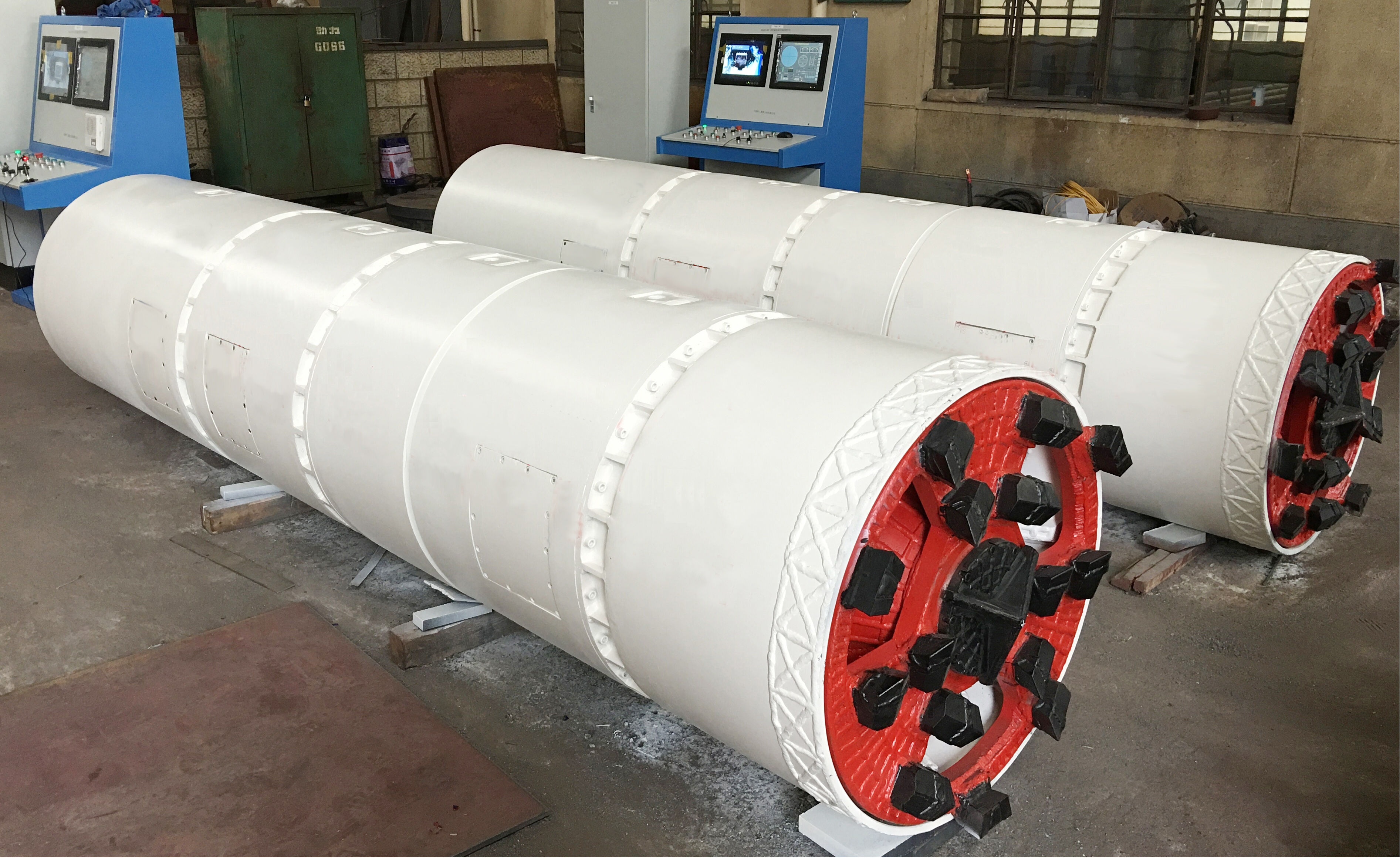
Selecting the right dust filtration system for a tunnel digging machine in dry rock is one of the most operationally critical decisions an engineer or project manager will face during underground construction. Dry rock environments generate extraordinary volumes of fine particulate matter the moment a cutting head contacts hard geological formations. Unlike soft-ground or slurry-based tunneling, dry rock excavation produces respirable silica dust, quartz particles, and airborne fines that can overwhelm inadequate filtration systems within hours. Getting the filter specification wrong is not simply a maintenance inconvenience — it directly impacts worker health, equipment lifespan, regulatory compliance, and overall project continuity.

This guide is specifically designed to help procurement engineers, site supervisors, and equipment managers make a well-informed dust filter selection when operating a tunnel digging machine in dry rock. We will walk through the key variables that govern filter selection — from dust particle characteristics and airflow volumes to filter media types, housing configurations, and maintenance cycles — giving you a decision-useful framework rather than a generic overview. Every recommendation here is grounded in the real-world demands of hard rock tunneling operations.
Understanding the Dust Environment Inside a Dry Rock Tunnel
What Makes Dry Rock Dust Uniquely Challenging
When a tunnel digging machine in dry rock advances through granite, limestone, sandstone, or other hard geological formations, the cutting mechanism — whether disc cutters, drag bits, or roller cutters — fractures the rock matrix at high energy. This fracturing process generates a very broad particle size distribution, ranging from coarse chips and gravel fragments down to sub-micron respirable particles. The finest particles, those below 10 microns and particularly those below 4 microns, are the most dangerous from both a health and equipment perspective.
Unlike wet tunneling environments where water suppression captures a significant portion of airborne dust at the source, a tunnel digging machine in dry rock relies almost entirely on the mechanical ventilation and filtration system to manage air quality. The absence of moisture means particles remain airborne far longer, travel greater distances through the tunnel bore, and accumulate rapidly on filtration media surfaces. Silica content in many hard rock formations often exceeds 60%, which means the dust generated is classified as a serious respiratory hazard under occupational health regulations in most jurisdictions.
Understanding this environment is the first step toward correct filter selection. A filter system sized or specified for softer geological conditions or wet environments will fail prematurely, create dangerous pressure differentials, and ultimately require emergency replacement under the worst possible operational circumstances. Engineers must begin with a thorough geological survey and dust characterization study before finalizing any filtration specification.
Dust Load Estimation and Airflow Calculations
Before selecting any filter component, the project team must establish a realistic dust load estimate for the specific tunnel drive. Dust generation rates from a tunnel digging machine in dry rock are influenced by rock hardness, cutting tool geometry, advance rate, and the diameter of the bore. As a general principle, harder rocks with higher compressive strength produce more fine particles per unit volume excavated than softer formations.
Airflow volume, measured in cubic meters per minute, must be calculated based on the tunnel cross-section, the number of personnel underground, equipment heat loads, and the required dilution velocity to transport dust away from the cutting face. Industry ventilation guidelines typically specify face velocities sufficient to prevent dust re-entrainment while keeping workers in clean air zones. The filter system must be capable of handling this full airflow volume at peak dust load without exceeding its rated pressure drop threshold.
Undersizing the filtration capacity relative to actual airflow and dust load is one of the most common errors made when specifying dust management for a tunnel digging machine in dry rock. The result is rapid filter saturation, sharply rising pressure differentials, reduced airflow delivery to the working face, and accelerated wear on the ventilation fans. Accurate pre-project dust load modeling is therefore not optional — it is a foundational engineering requirement.
Filter Media Types and Their Suitability for Dry Rock Applications
Fibrous and Cellulose-Based Filter Media
Traditional fibrous filter media, including cellulose and cellulose-polyester blends, are widely used in general industrial dust collection. However, their performance characteristics make them a questionable choice for a tunnel digging machine in dry rock operating in high-concentration silica environments. Cellulose media has a relatively high surface porosity, which means fine particles below 5 microns can penetrate into the filter depth and permanently reduce airflow capacity over time.
These media types also absorb moisture readily. In tunnels where humidity levels fluctuate due to groundwater ingress, mechanical spray suppression at the cutting head, or condensation from ventilation equipment, cellulose filters can become damp and lose structural integrity. In a purely dry rock environment with minimal moisture, cellulose media can perform adequately for short-duration or lower-intensity operations, but their service life will be significantly shorter than alternative media types and their pulse-cleaning response is generally inferior.
For any tunnel digging machine in dry rock operating at high advance rates or in formations with elevated silica content, fibrous cellulose filters should be considered a last-resort or temporary solution rather than a primary specification. The cost savings on filter procurement are typically erased by the higher frequency of replacement and the increased maintenance labor associated with shorter service intervals.
Polyester and Spunbond Synthetic Media
Polyester filter media, particularly needle-felt and spunbond polyester fabrics, offer substantially better performance for the aggressive dust conditions generated by a tunnel digging machine in dry rock. Polyester fibers are hydrophobic, dimensionally stable under temperature variation, and resistant to the abrasive qualities of silica-rich rock dust. The smoother surface finish of many spunbond polyester filters also facilitates more effective pulse-jet cleaning, allowing the filter to shed accumulated dust cake more completely with each cleaning cycle.
Surface-coated polyester media, which incorporates a fine membrane layer — typically expanded polytetrafluoroethylene (ePTFE) — over the base polyester substrate, represents the current performance benchmark for hard rock tunneling filtration. The membrane acts as a surface filtration barrier, capturing virtually all particles at the filter face rather than allowing depth loading within the media. This surface loading behavior makes membrane-coated polyester filters dramatically easier to clean, extends service life considerably, and maintains a more stable pressure drop profile throughout the filter's operational life.
When specifying a dust filter for a tunnel digging machine in dry rock, membrane-laminated polyester cartridge filters rated to capture at minimum 99.9% of particles at 0.5 microns should be considered the baseline specification. The incremental cost over standard polyester media is justified by the substantially improved total cost of ownership across a long tunnel drive.
Nano-Fiber and High-Efficiency Composite Media
Emerging nano-fiber filter technologies apply ultra-fine synthetic fibers to a substrate media, creating an exceptionally dense surface filtration layer with very low basis weight. These filters achieve HEPA-equivalent filtration efficiency while maintaining lower pressure drop than traditional deep-bed filter media of comparable efficiency. For operations involving a tunnel digging machine in dry rock in formations with very high crystalline silica concentrations, nano-fiber media can provide an additional margin of protection for personnel and sensitive equipment.
The key trade-off with nano-fiber media is mechanical fragility. The fine fiber coating can be damaged by high-velocity pulse cleaning if air pressures are not carefully calibrated. Operators must ensure that the cleaning system parameters — pulse pressure, pulse duration, and pulse frequency — are set within the media manufacturer's specified limits. Exceeding these limits will cause fiber stripping and catastrophic filtration performance degradation, a particularly serious outcome in the enclosed underground environment of a hard rock tunnel.
Filter Housing Design and Integration with Machine Architecture
Cartridge Versus Bag Filter Configurations
The physical configuration of the dust filter housing must be compatible with both the airflow requirements and the spatial constraints of the tunnel digging machine in dry rock and its associated trailing equipment train. The two dominant configurations in underground hard rock applications are pleated cartridge filters and cylindrical bag filters, each with distinct advantages and limitations.
Pleated cartridge filters pack a very high filtration surface area into a compact cylindrical form factor, making them well-suited to the space-constrained environment behind the cutterhead of a full-face tunnel digging machine in dry rock. Their modular design allows individual cartridges to be replaced without disassembling the entire filter housing, reducing maintenance downtime. Cartridge filter systems are typically configured with automated pulse-jet cleaning, enabling continuous operation without manual intervention during the tunnel drive.
Bag filter configurations use cylindrical fabric bags suspended in a larger housing. They offer very large total filtration areas and are well-established in surface industrial applications, but their physical length and the rigidity requirements for stable bag suspension can create installation challenges in the constrained geometry of trailing backup equipment in a tunneling operation. For very large-diameter tunnel projects where trailing equipment space is more generous, bag filter systems remain a viable and cost-competitive option.
Pulse-Jet Cleaning System Requirements
A reliable and properly calibrated pulse-jet cleaning system is not optional when operating a tunnel digging machine in dry rock — it is essential. Without effective in-service cleaning, even the highest-quality filter media will saturate rapidly under the continuous high dust loads typical of dry rock excavation, driving pressure drops to levels that reduce airflow delivery to the working face and strain the ventilation fans.
The pulse-jet system must be supplied with clean, dry compressed air at adequate pressure — typically between 5 and 7 bar for cartridge filter cleaning. Moisture in the compressed air supply is particularly damaging in dry rock operations because it can cause dust cake to wet and consolidate on the filter surface, becoming very difficult to dislodge in subsequent cleaning cycles. An appropriately sized refrigerant air dryer or desiccant dryer installed upstream of the pulse system is a highly recommended addition to any filtration installation on a tunnel digging machine in dry rock.
Cleaning cycle frequency and pulse duration should be set based on the measured pressure differential across the filter bank rather than fixed timer intervals alone. Differential pressure-triggered cleaning ensures that filter cleaning effort is responsive to actual dust load conditions, which vary throughout the shift as the machine advances, pauses, or transitions between geological formations of differing hardness and dust generation rates.
Regulatory Compliance and Health Protection Standards
Occupational Exposure Limits for Respirable Silica
Regulatory frameworks governing respirable crystalline silica (RCS) exposure in underground construction are increasingly stringent in most major markets. For operations involving a tunnel digging machine in dry rock in silica-bearing formations, the dust filtration system must be designed to maintain worker exposure below the applicable occupational exposure limit (OEL) — typically expressed as milligrams of respirable silica per cubic meter of air, averaged over a full work shift. Failure to meet these limits exposes the project owner and contractor to significant legal, financial, and reputational consequences.
The filter selection process cannot be divorced from a comprehensive risk assessment that maps the geological silica content of the formations to be excavated, models the expected airborne silica concentration at various positions within the tunnel, and then works backward to define the minimum filtration efficiency and airflow delivery required to achieve compliance. Engineers should engage industrial hygienists with specific underground hard rock experience during the filter specification phase rather than relying solely on equipment supplier recommendations.
Filter Efficiency Ratings and Certification Standards
When specifying filters for a tunnel digging machine in dry rock, engineers should reference recognized filter efficiency testing standards. ISO 16890, EN 779, and ASHRAE 52.2 are among the standards commonly referenced for industrial air filtration media efficiency characterization, though these are primarily developed for HVAC applications. For process filtration in dust collection systems, EN 60335-2-69 and ISO 5011 provide relevant test methodologies.
The key parameter to specify and verify is fractional efficiency at the most penetrating particle size (MPPS), which for fibrous and membrane filter media typically falls in the 0.1 to 0.3 micron range. For respirable silica protection in a hard rock tunneling application, filters rated at H13 HEPA performance or equivalent — capturing at minimum 99.95% of particles at MPPS — provide the strongest protection margin. Lower-rated filters may still achieve regulatory compliance in formations with moderate silica content but offer less margin against worst-case dust events such as sudden geological transitions to highly siliceous rock.
Maintenance Planning and Filter Lifecycle Management
Setting Realistic Filter Change Intervals
One of the most common operational failures in dust management for a tunnel digging machine in dry rock is the application of filter change intervals derived from lighter-duty or surface applications to the far more demanding underground hard rock environment. Manufacturers' nominal service life ratings are established under standardized test conditions that rarely reflect the actual dust concentrations encountered in active hard rock tunnel drives.
A pragmatic approach is to establish initial change intervals based on supplier guidance, then adjust them downward based on the monitored pressure differential rise rate observed during the first weeks of actual operation. Installing differential pressure gauges or electronic pressure transmitters with data logging capability on the filter housing allows the operations team to build a site-specific pressure rise model. This model can then be used to predict filter saturation timing with reasonable accuracy and schedule change-outs during planned maintenance windows rather than reacting to emergency filter failures mid-shift.
Maintaining a buffer stock of correctly specified replacement filters at the tunnel portal or in the surface storage facility is a fundamental logistical requirement. For a tunnel digging machine in dry rock on an active drive, the inability to change saturated filters due to stock-outs is operationally unacceptable and can force costly production stoppages or, worse, the continuation of drilling under compromised air quality conditions.
Inspection Protocols and Filter Integrity Verification
Replacing a filter cartridge or bag does not guarantee that the filtration system is performing as specified. Physical damage to filter media during transport, handling, and installation — including tears, punctures, or compromised seal gaskets — can create significant bypass pathways that allow unfiltered dust to pass directly into the cleaned air stream. For a tunnel digging machine in dry rock, even small bypass leaks can deliver clinically significant doses of respirable silica to the workers and sensitive electronic components downstream.
Filter integrity should be verified at each installation using an appropriate test method. For cartridge filters, visual inspection of the media surface and pleat structure, combined with a physical check of the sealing gasket condition and correct seating in the tube sheet, is the minimum acceptable inspection protocol. For critical installations, a downstream particle counter or photometer can be used to perform a challenge test — introducing a test aerosol upstream and measuring downstream penetration — to confirm that no bypass leakage is present before returning the system to service.
FAQ
What filter efficiency rating should I specify for a tunnel digging machine in dry rock in high-silica formations?
For operations where a tunnel digging machine in dry rock is advancing through formations with high crystalline silica content — generally above 40% — specifying filter media rated at H13 HEPA equivalent or better is strongly recommended. This provides filtration efficiency of at minimum 99.95% at the most penetrating particle size, offering the strongest available margin against respirable silica exposure. Lower efficiency ratings may still achieve regulatory compliance in moderate-silica environments but should only be selected after a site-specific risk assessment confirms the lower efficiency is sufficient to maintain worker exposures below the applicable occupational exposure limit.
How often should dust filters be replaced on a tunnel digging machine in dry rock?
There is no universal answer because filter service life on a tunnel digging machine in dry rock is highly dependent on the rock type being excavated, the advance rate, and the total airflow volume being processed. In practice, replacement intervals in active hard rock drives can be as short as two to four weeks under high-intensity operating conditions, compared to manufacturer nominal ratings that may suggest much longer intervals. The most reliable approach is to monitor differential pressure across the filter bank continuously and schedule change-outs when pressure drop reaches the maximum rated threshold, rather than relying on time-based intervals alone.
Can I use water-based dust suppression at the cutting head instead of relying solely on dry filtration?
In some geological and operational contexts, limited water spraying at the cutterhead of a tunnel digging machine in dry rock can reduce the concentration of airborne dust reaching the filtration system, potentially extending filter service life. However, introducing moisture into an otherwise dry rock environment creates its own complications — including wet dust caking on filter media that resists pulse cleaning, corrosion of equipment, and potential geological instability in water-sensitive formations. Any decision to use supplementary water suppression must be evaluated in the context of the specific geological and structural conditions of the tunnel drive, and the filtration system specification should still be capable of handling full dry-load conditions as a baseline.
What are the consequences of operating with an oversaturated dust filter on a tunnel digging machine in dry rock?
Operating a tunnel digging machine in dry rock with a saturated or near-saturated dust filter creates a cascade of serious operational and safety consequences. First, the elevated pressure drop across the clogged filter reduces the volumetric airflow delivered to the working face, degrading the dilution ventilation that keeps worker exposures within safe limits. Second, the increased resistance strains the ventilation fan, potentially causing overheating and mechanical failure. Third, as filter pressure drop continues to rise, the filter housing structure itself may be subjected to forces that exceed design limits, risking structural failure and the sudden release of accumulated dust into the tunnel atmosphere. Maintaining filters within their specified operating pressure range is therefore both a performance requirement and a safety-critical operational discipline.
Table of Contents
- Understanding the Dust Environment Inside a Dry Rock Tunnel
- Filter Media Types and Their Suitability for Dry Rock Applications
- Filter Housing Design and Integration with Machine Architecture
- Regulatory Compliance and Health Protection Standards
- Maintenance Planning and Filter Lifecycle Management
-
FAQ
- What filter efficiency rating should I specify for a tunnel digging machine in dry rock in high-silica formations?
- How often should dust filters be replaced on a tunnel digging machine in dry rock?
- Can I use water-based dust suppression at the cutting head instead of relying solely on dry filtration?
- What are the consequences of operating with an oversaturated dust filter on a tunnel digging machine in dry rock?