
 EN
EN
 AR
AR BG
BG HR
HR CS
CS FR
FR DE
DE EL
EL HI
HI IT
IT JA
JA KO
KO RO
RO RU
RU ES
ES TL
TL ID
ID LT
LT SK
SK SL
SL UK
UK VI
VI ET
ET TH
TH TR
TR FA
FA AF
AF MS
MS HY
HY AZ
AZ KA
KA BN
BN LO
LO LA
LA MN
MN NE
NE MY
MY KK
KK UZ
UZ KY
KY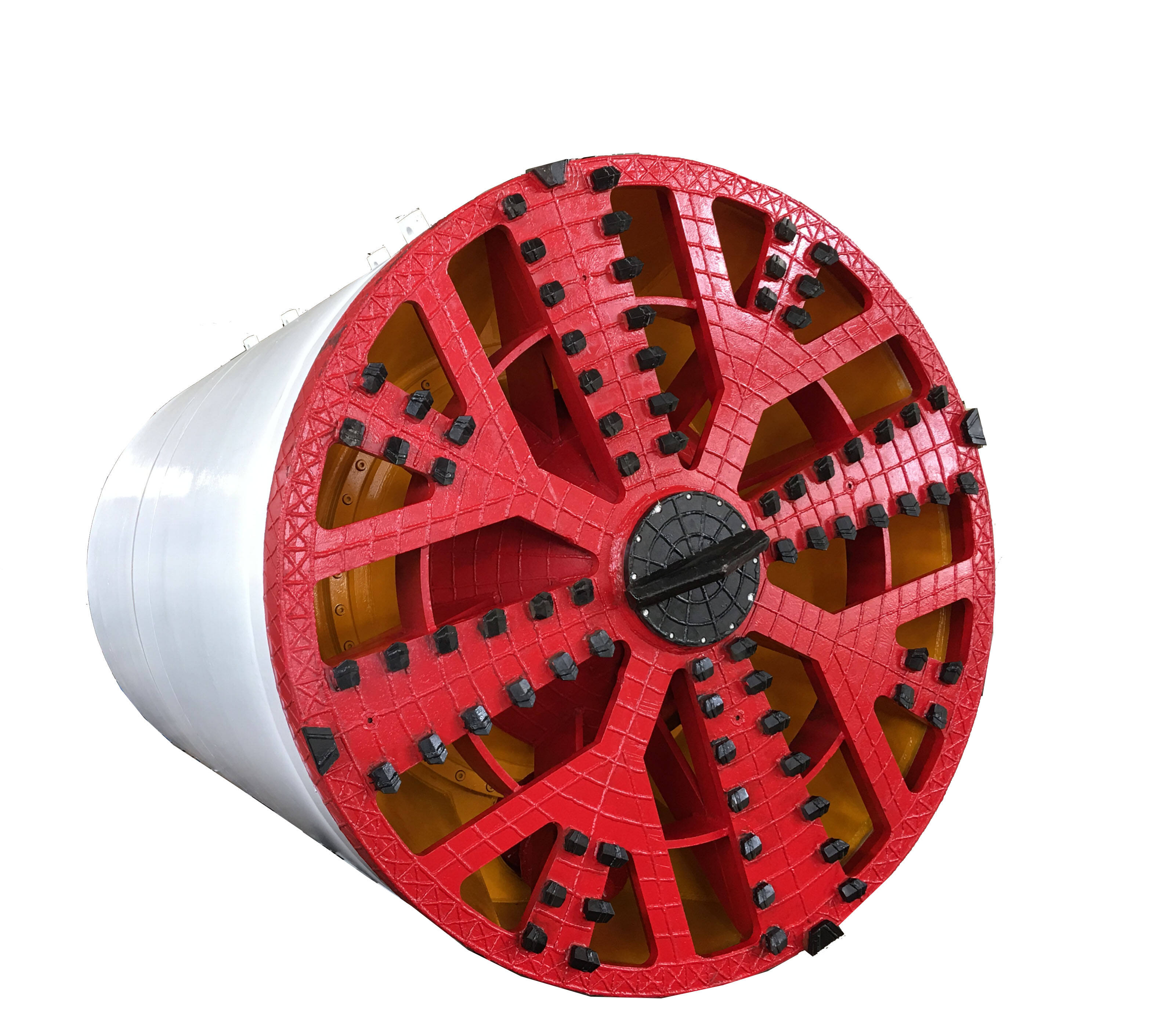
When engineers face the challenge of creating underground passages beneath roads, railways, rivers, or urban infrastructure, the choice of excavation equipment becomes one of the most consequential decisions on the project. A small tunnel boring machine has emerged as a highly practical and technically sound solution for short crossing projects where conventional open-cut methods are either prohibited or cost-prohibitive. Understanding what makes this equipment category specifically suited for short crossings requires a closer look at engineering constraints, site conditions, and operational economics.

A small tunnel boring machine is designed to mechanically excavate tunnels with precision, controlling ground disturbance and maintaining structural integrity in sensitive environments. Unlike large-diameter TBMs deployed for metro lines or highway tunnels, compact boring machines are purpose-built for diameters typically ranging from 1.0 to 4.0 meters, making them ideally scaled for utility crossings, drainage conduits, cable ducts, and pipeline installations. This article examines the defining characteristics that make a small tunnel boring machine the preferred tool for short-distance underground crossings.
The Engineering Logic Behind Compact Boring Machines for Short Crossings
Scale Compatibility With Short Drive Lengths
One of the most critical factors in selecting any tunnel boring machine is the relationship between machine size, mobilization cost, and drive length. For crossings that span between 20 and 300 meters, deploying a large TBM is economically and logistically unsound. A small tunnel boring machine is engineered with this reality in mind, offering lower mobilization requirements, faster setup times, and manageable launch pit dimensions that align with the physical constraints of short-crossing sites.
Short crossings rarely allow for extended surface disruption or massive staging areas. A small tunnel boring machine can be launched from a compact pit, often as narrow as three to five meters in width, enabling work in dense urban environments or near existing infrastructure without triggering large-scale excavation. This dimensional efficiency is not an accidental feature but a deliberate design outcome tailored to real-world project constraints.
The drive mechanics of a small tunnel boring machine are calibrated for shorter stroke cycles and quicker segment installation, which accelerates the overall boring rate per meter of tunnel. When project timelines are tight and crossing windows are narrow, this operational speed becomes a significant project advantage over alternative methods such as pipe jacking without mechanized cutterheads or conventional drill-and-blast techniques.
Ground Compatibility and Rock Cutting Capability
Short crossings frequently encounter variable geotechnical conditions, including soft soils, mixed ground, and hard rock formations. A small tunnel boring machine designed for rock conditions employs a full-face cutterhead fitted with disc cutters capable of penetrating rock with high compressive strength. This full-face cutting approach ensures consistent advance rates while minimizing the risk of face instability or ground collapse, which is especially critical when crossing beneath live roads or active utilities.
The cutterhead design in a small tunnel boring machine for rock applications is engineered to distribute cutting forces evenly across the face, reducing vibration transmission to surrounding structures. In short urban crossings, where neighboring buildings or buried services are in close proximity, this vibration control is not merely a performance metric but a project safety requirement. The precision of a small tunnel boring machine cutterhead in rock conditions sets it apart from alternative methods that rely on impact or blasting forces.
Rock strength classification, joint spacing, and abrasivity all influence cutterhead configuration in a small tunnel boring machine. Competent engineering teams assess these parameters during site investigation to ensure the selected machine is matched to the actual geology of the crossing corridor. When the machine is correctly specified, a small tunnel boring machine delivers reliable and predictable advance rates even through challenging rock formations that would otherwise require costly ground improvement programs.
Operational Advantages Specific to Short Crossing Projects
Reduced Surface Impact and Community Disruption
Short crossings are frequently located in areas where surface disruption is either contractually restricted or practically unacceptable. Road crossings in commercial districts, river crossings in environmentally sensitive zones, and rail crossings near passenger stations all impose strict limitations on above-ground activity. A small tunnel boring machine addresses these constraints directly by enabling trenchless construction methods that confine all excavation activity to the subsurface.
The trenchless nature of a small tunnel boring machine operation means that road surfaces, pedestrian pathways, and existing utility networks remain undisturbed throughout the boring process. This has profound commercial value for project owners who face liquidated damages for traffic disruption or who need to maintain uninterrupted service flows during construction. The compact footprint of the launch and reception pits required for a small tunnel boring machine further minimizes the zone of surface impact.
Community relations on infrastructure projects are increasingly recognized as a project risk in their own right. Using a small tunnel boring machine for short crossings demonstrates a commitment to minimizing disruption, which can strengthen stakeholder confidence and reduce the risk of project delays caused by public objection or regulatory intervention. The operational silence and low-vibration profile of modern small tunnel boring machines contribute meaningfully to this community compatibility.
Cost Efficiency Over the Full Project Lifecycle
The economic case for deploying a small tunnel boring machine on a short crossing project extends beyond the direct boring cost. When project owners calculate the total cost of a crossing, they must account for road reinstatement, traffic management, utility diversions, environmental permits, and schedule risk. A small tunnel boring machine eliminates or significantly reduces many of these cost components by avoiding open-cut excavation entirely.
Equipment mobilization and demobilization costs for a small tunnel boring machine are substantially lower than those associated with large-diameter TBMs. Launch pit construction, machine assembly, and commissioning can typically be completed within days rather than weeks, accelerating the project start date and compressing the overall construction program. For short crossings where the boring operation itself may last only a few weeks, this rapid deployment capability is a decisive commercial advantage.
Maintenance requirements during a short drive are also more manageable with a small tunnel boring machine than with larger equipment. Cutterhead inspection and tool change intervals are shorter in absolute terms, and the confined geometry of the machine simplifies access for maintenance crews. When lifecycle cost is assessed across a short-crossing project from mobilization through demobilization, a small tunnel boring machine consistently demonstrates competitive cost performance against alternative excavation approaches.
Technical Features That Favor Short Crossing Applications
Steering Precision and Alignment Control
Short crossings demand high alignment accuracy because the receiving structure, whether a thrust pit, a manhole, or a prefabricated reception shaft, has limited positional tolerance. A small tunnel boring machine is equipped with guidance systems that monitor and correct the boring trajectory continuously throughout the drive. Laser-based guidance and electronic survey instruments allow operators to maintain alignment within millimeters, ensuring that the machine arrives at the reception point within specified tolerances.
The steering mechanism of a small tunnel boring machine uses articulation joints or steering rams to make incremental course corrections during excavation. In hard rock conditions, where the cutterhead cannot deviate from its path as easily as in soft ground, the steering system must exert sufficient corrective force to maintain trajectory without damaging the machine or distressing the surrounding rock mass. Well-designed small tunnel boring machines for rock applications balance steering responsiveness with structural robustness to handle these demands.
Alignment errors in short crossings have proportionally greater consequences than in long tunnels, where small deviations can be corrected gradually over distance. The precision engineering of a small tunnel boring machine guidance system is therefore not a secondary consideration but a primary specification requirement for any short-crossing project. Project teams should evaluate guidance system specifications carefully when selecting a small tunnel boring machine for crossings with tight positional tolerances.
Segment Lining and Immediate Ground Support
A small tunnel boring machine operating in rock conditions typically installs precast concrete segments or pipe sections immediately behind the cutterhead as excavation progresses. This simultaneous excavation and lining process provides immediate ground support, which is critical for maintaining tunnel stability in fractured or jointed rock formations that may be encountered during a short crossing. The lining also forms the permanent structural shell of the completed tunnel, eliminating the need for secondary lining operations in many applications.
The segment erection system within a small tunnel boring machine is designed for efficient operation in confined spaces, with erector arm reach and rotation calibrated to handle the specific segment geometry used in that machine size range. Segment tolerances must be closely controlled to ensure watertight joints, particularly in crossings beneath watercourses or in areas with high groundwater pressure. The integration of lining installation into the boring cycle is one of the defining productivity advantages of a small tunnel boring machine over manual tunneling methods.
Grouting of the annular gap between the excavated profile and the outer face of the installed lining is performed continuously during the boring operation on most small tunnel boring machines. This backfill grouting prevents ground settlement above the tunnel and locks the lining into its final position. For short crossings in urban areas, the settlement control provided by this grouting process is often the deciding factor that makes a small tunnel boring machine the only technically acceptable solution under given ground conditions.
Selection Criteria for Matching a Small Tunnel Boring Machine to a Short Crossing
Geotechnical Assessment and Machine Specification
Selecting the right small tunnel boring machine for a specific short crossing begins with a thorough geotechnical investigation of the corridor. Borehole data, rock strength testing, groundwater monitoring, and geological mapping all inform the machine specification. A small tunnel boring machine intended for rock conditions must be matched to the actual unconfined compressive strength of the rock, the abrasivity index of the mineral content, and the degree of fracturing within the excavation zone.
Cutterhead design parameters, including cutter spacing, cutter diameter, and cutterhead torque capacity, must be derived from geotechnical data rather than generic assumptions. Undersizing the cutterhead torque on a small tunnel boring machine for a hard rock crossing will result in slow advance rates, excessive cutter wear, and potential machine damage. Oversizing increases capital cost unnecessarily. A disciplined specification process based on site-specific data produces the most cost-effective and technically reliable outcome.
Groundwater management is a key geotechnical consideration when specifying a small tunnel boring machine for rock crossings beneath rivers or in areas with high water table. The machine must incorporate adequate face pressure control or sealed cutterhead design to prevent water ingress during excavation. This requirement influences both the machine type selection and the operational protocol adopted for the crossing, making geotechnical assessment an inseparable part of machine selection for any short-crossing project.
Logistics, Site Layout, and Pit Design
The physical constraints of the crossing site directly influence the feasibility of deploying a small tunnel boring machine and the design of the support infrastructure needed for boring operations. Launch pit dimensions must accommodate the assembled machine length, the back-up trailing gear, and the thrust reaction frame. For a small tunnel boring machine, these requirements can usually be satisfied within a compact excavation, but site-specific dimensions should be confirmed during the planning phase to avoid late-stage design conflicts.
Spoil removal logistics must also be planned around the operational cycle of the small tunnel boring machine. In rock conditions, muck produced by the cutterhead is conveyed out of the tunnel via screw conveyor or vacuum extraction systems, and the disposal route must be confirmed before boring commences. Access for segment delivery trucks, grouting equipment, and maintenance personnel must be integrated into the site layout without interfering with the boring operation or adjacent traffic flows.
Reception pit design for a small tunnel boring machine crossing must provide adequate structural capacity to accept the machine breakthrough without compromising ground stability. The reception structure may be a prefabricated steel ring, a reinforced concrete shaft, or a purpose-built reception frame, depending on the site conditions and the machine arrival geometry. Careful coordination between the boring contractor and the civil engineering team ensures that the reception pit is ready to receive the small tunnel boring machine at the correct time and with the correct geometry.
FAQ
What diameter range does a small tunnel boring machine typically cover?
A small tunnel boring machine generally operates in the diameter range of 1.0 to 4.0 meters, though some classifications extend to 4.5 meters depending on project requirements and industry conventions. This size range makes the equipment well suited for utility tunnels, pipeline crossings, cable ducts, drainage conduits, and small service tunnels where large TBM equipment would be disproportionate to the project scale.
Can a small tunnel boring machine handle both rock and soft ground in the same crossing?
Many short crossings involve mixed ground conditions, including transitions between soft soil, weathered rock, and intact hard rock. Some small tunnel boring machines are designed with versatile cutterhead configurations that can handle mixed-face conditions, though performance efficiency is highest when the machine is matched to the dominant ground type. For crossings with highly variable geology, a detailed geotechnical assessment is essential to determine whether a single machine type can manage all anticipated conditions or whether ground treatment is needed in specific zones.
How long does it typically take to complete a short crossing with a small tunnel boring machine?
The duration of a short crossing using a small tunnel boring machine depends on several factors, including drive length, rock strength, machine diameter, and the efficiency of support operations such as segment installation and spoil removal. For crossings in the 50 to 200 meter range in moderate rock conditions, the boring phase itself may take between one and four weeks. Mobilization, pit construction, machine assembly, and commissioning can add additional weeks to the overall project timeline, which should be factored into program planning from the earliest stages.
What are the main ground settlement risks when using a small tunnel boring machine for an urban short crossing?
Ground settlement risks in urban short crossings are managed through a combination of machine design features and operational protocols. A small tunnel boring machine equipped with continuous backfill grouting, controlled face pressure, and precision steering systems significantly reduces the risk of surface settlement compared to manual tunneling methods. In rock conditions with competent, unfractured geology, settlement risk is generally low. In softer or more fractured rock near the surface, settlement monitoring programs and real-time response protocols should be established before boring commences to protect existing structures and utilities in the crossing corridor.
Table of Contents
- The Engineering Logic Behind Compact Boring Machines for Short Crossings
- Operational Advantages Specific to Short Crossing Projects
- Technical Features That Favor Short Crossing Applications
- Selection Criteria for Matching a Small Tunnel Boring Machine to a Short Crossing
-
FAQ
- What diameter range does a small tunnel boring machine typically cover?
- Can a small tunnel boring machine handle both rock and soft ground in the same crossing?
- How long does it typically take to complete a short crossing with a small tunnel boring machine?
- What are the main ground settlement risks when using a small tunnel boring machine for an urban short crossing?