
 EN
EN
 AR
AR BG
BG HR
HR CS
CS FR
FR DE
DE EL
EL HI
HI IT
IT JA
JA KO
KO RO
RO RU
RU ES
ES TL
TL ID
ID LT
LT SK
SK SL
SL UK
UK VI
VI ET
ET TH
TH TR
TR FA
FA AF
AF MS
MS HY
HY AZ
AZ KA
KA BN
BN LO
LO LA
LA MN
MN NE
NE MY
MY KK
KK UZ
UZ KY
KY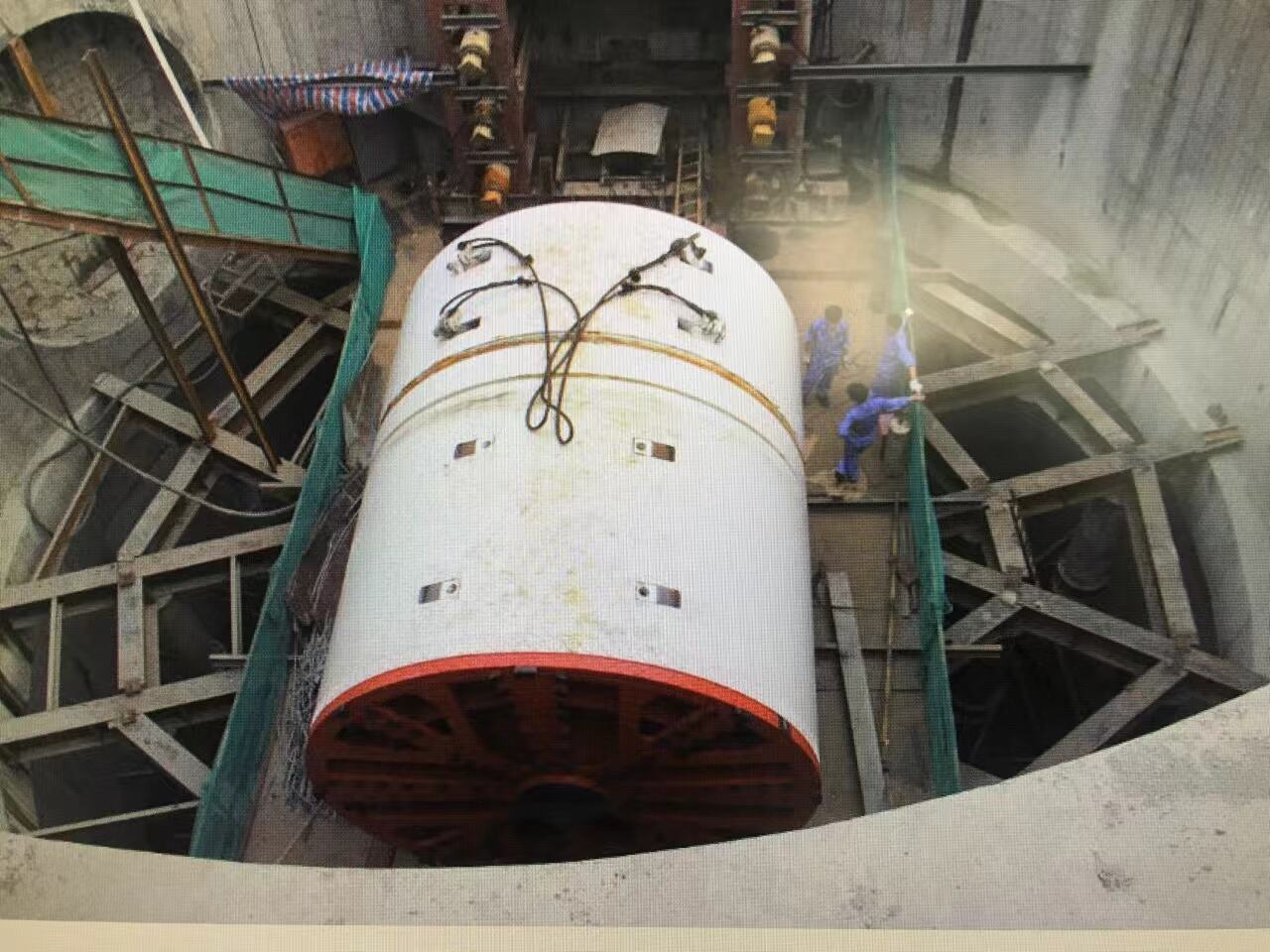
A microtunneling machine operates under some of the most demanding underground conditions imaginable, where soil, groundwater, and abrasive particles are constantly pushing the limits of every mechanical component. At the core of this operation, the slurry separation system plays a critical role in maintaining the balance between excavation efficiency and operational continuity. Without consistent daily attention, this system can degrade rapidly, leading to costly downtime, reduced separation performance, and accelerated wear across connected equipment. Understanding what daily maintenance tasks genuinely preserve the health of this system is essential for every project engineer, site supervisor, and equipment operator working in trenchless construction.
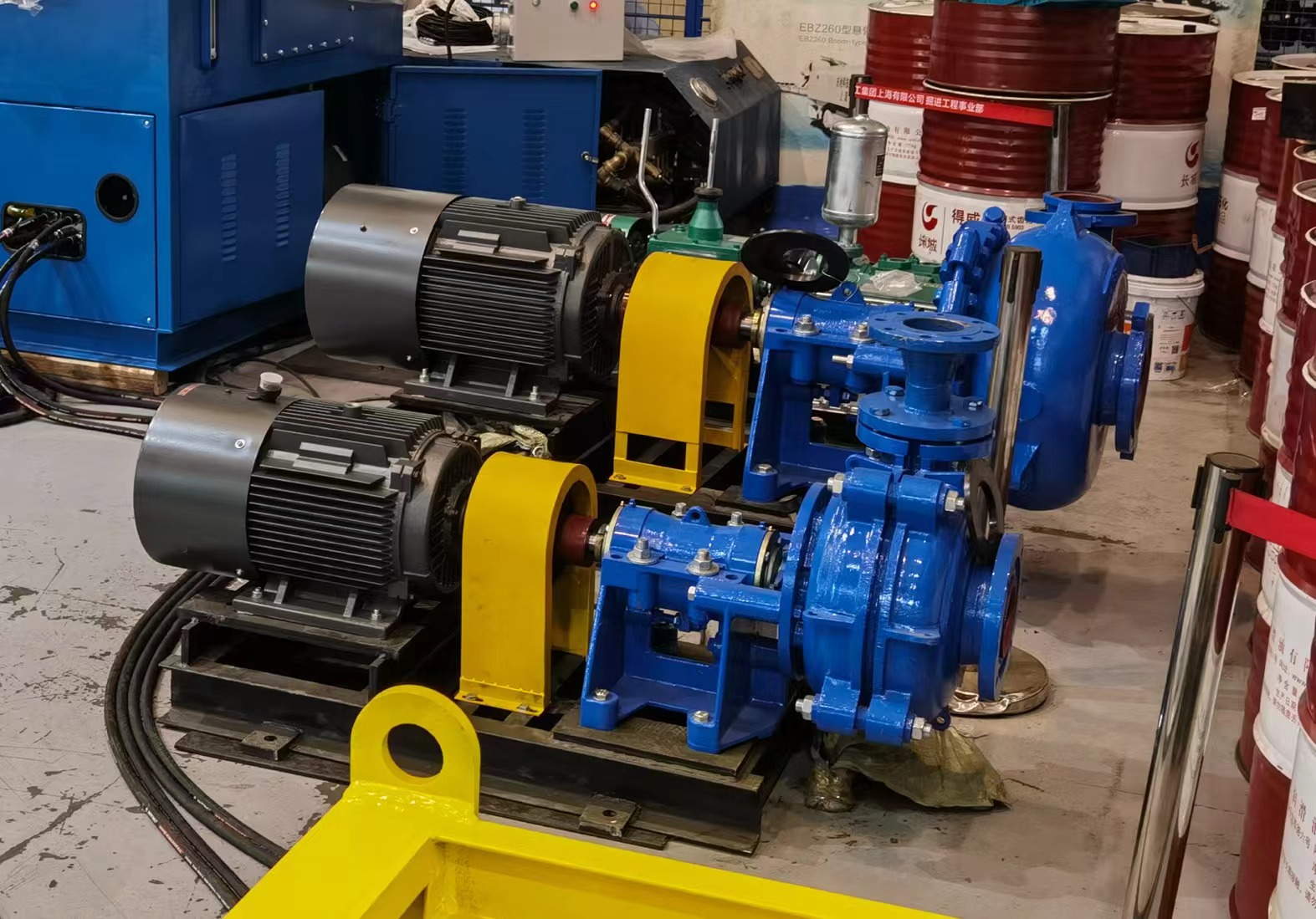
The slurry separation system in a microtunneling machine is responsible for processing the excavated spoil mixed with bentonite slurry, separating solid particles from the carrier fluid so that the cleaned slurry can be recirculated back to the cutting face. This continuous loop is what makes long-drive tunneling both feasible and efficient. However, the system is only as reliable as the daily maintenance discipline applied to it. This article breaks down every critical maintenance task that keeps the slurry separation system performing at its best, organized by function and explained with the practical reasoning that experienced operators rely on in the field.
Understanding the Functional Load on the Slurry Separation System During Operation
What the System Processes Each Shift
Every hour of active microtunneling pushes a significant volume of mixed slurry through the slurry separation system. This slurry carries fine silts, coarse sands, clay particles, gravel fragments, and sometimes organic material depending on the ground conditions being traversed. The sheer variety of particle sizes and densities means the system must continuously adapt its mechanical and hydraulic processes to maintain separation efficiency. Over the course of a full shift, the cumulative load on screens, pumps, cyclones, and tanks is substantial.
The abrasive nature of the solids passing through the slurry separation system also accelerates wear on components that might otherwise last for weeks under lighter-duty applications. Screens begin to blind, cyclone liners erode, pump impellers lose their profile, and tank interiors accumulate settled solids. These are not gradual background processes — in a high-output microtunneling operation, measurable degradation can occur within a single shift. Daily maintenance is therefore not a precaution but a necessity rooted in the physics of the process itself.
How Deferred Maintenance Affects Downstream Performance
When maintenance on the slurry separation system is deferred even by a single day, the consequences compound rapidly. A partially blinded screen forces more solids into the downstream hydrocyclone circuit, where they accumulate and reduce separation sharpness. Excess fine solids that bypass the hydrocyclones then enter the clean slurry tank, raising the density and viscosity of the recirculated fluid. This higher-density return slurry increases the load on the feed pump, raises hydraulic pressure requirements, and ultimately puts stress on the slurry pipework and couplings throughout the tunnel.
From an efficiency standpoint, a poorly maintained slurry separation system does not simply perform at a lower level — it actively undermines the excavation rate at the cutting face by reducing the carrying capacity of the slurry circuit. Operators may notice the tunnel drive slowing down without any apparent mechanical fault at the microtunneling machine head itself. The root cause, in many such cases, traces directly back to neglected daily maintenance routines on the separation equipment. Recognizing this causal chain is what motivates disciplined maintenance practice on every operational day.
Screen and Vibrating Unit Maintenance for Daily Efficiency
Inspection and Cleaning of Vibratory Screens
The vibratory shaker screen is typically the first separation stage in a slurry separation system, and it bears the greatest direct contact with raw excavated slurry. At the start and end of each operational shift, the screen panels should be thoroughly inspected for blinding, mesh damage, and frame wear. Blinding occurs when fine particles become lodged in the mesh apertures, effectively reducing open area and forcing material over the screen rather than through it. A visually clean-looking screen can still be significantly blinded, so physical tactile inspection and backwash testing are both required.
Washing the screen panels with a high-pressure water jet should be part of the daily close-down procedure for every slurry separation system. This removes surface buildup that would otherwise dry and harden overnight, making subsequent cleaning far more difficult and potentially damaging the mesh. Any torn or distorted screen panels must be replaced immediately because even a small breach allows oversize particles to pass into the hydrocyclone feed, causing accelerated liner wear and reduced separation efficiency. Keeping a stock of replacement screen panels on site is standard practice for well-managed microtunneling operations.
Checking Vibration Motor Mounts and Drive Components
The vibrating motor assemblies that drive the shaker deck require daily inspection of their mounting bolts, isolation springs, and eccentric weights. Loose mounting hardware on a vibratory screen generates secondary vibration patterns that stress the screen frame, reduce separation efficiency, and can cause fatigue cracking in the structure. Each morning before operation begins, a physical check of all accessible fasteners on the shaker unit should be completed as part of the standard pre-start procedure for the slurry separation system.
Bearing temperature checks on the vibration motors are equally important on a daily basis. Elevated bearing temperatures are an early warning sign of lubrication failure or alignment problems, both of which can lead to sudden motor failure if not addressed. Many modern slurry separation system configurations include thermal monitoring ports or infrared-accessible bearing housings precisely to support this kind of quick daily assessment. Recording temperature readings in a shift log allows maintenance teams to identify developing trends before they become failures.
Hydrocyclone Circuit Maintenance and Daily Inspection Protocols
Monitoring Cyclone Underflow and Overflow Quality
Hydrocyclones are the second stage of separation in a typical slurry separation system, responsible for removing the fine sand and silt fraction that passes through the shaker screens. Daily maintenance of the cyclone circuit begins with observation of the underflow discharge at the apex of each cyclone cone. A correctly operating cyclone produces a spray-pattern discharge that fans outward in a characteristic cone shape. If the underflow appears as a rope discharge — a tight, streaming jet — this indicates the cyclone is overloaded with solids, and the apex opening may need to be widened or the feed volume reduced.
The overflow quality from each cyclone should also be assessed daily as an indicator of the overall slurry separation system health. Excessively turbid or sand-laden overflow means solids are bypassing the cyclone and entering the clean fluid circuit. This can be caused by worn cyclone liners, incorrect feed pressure, or excessive feed solids content from the upstream screen circuit. Keeping simple density measurement equipment available at the separation unit allows operators to check overflow density with minimal effort and compare it against established baseline values for the project's ground conditions.
Liner Wear Assessment and Apex Replacement Frequency
Cyclone liners and apexes are consumable components within the slurry separation system, and their wear rate is directly related to the abrasivity of the ground being excavated. In sandy or gravelly formations, liner wear can be severe enough to require apex replacement within a single week of continuous operation. Daily visual inspection of accessible cyclone components, combined with monitoring of discharge pattern quality, provides the earliest possible warning of liner degradation before it causes significant separation performance loss.
When apex wear is detected during daily inspection of the slurry separation system, replacement should not be deferred to a scheduled maintenance window. Operating with a worn apex increases the internal bypass fraction, sends more fine solids into the clean tank, and accelerates wear on the liners above it. The cost of a replacement apex is trivial compared to the operational cost of elevated slurry density, increased pump wear, and reduced advance rate that result from operating with degraded cyclone components. Immediate replacement during scheduled breaks is the correct protocol.
Pump Maintenance, Tank Management, and Fluid Quality Control
Daily Checks on Slurry Feed and Transfer Pumps
The pumps that circulate slurry through the slurry separation system and back to the tunnel face are subject to continuous abrasive wear from the particles in the fluid. Daily maintenance begins with checking packing gland or mechanical seal condition on each pump, as leakage from these seals indicates wear that will progress to bearing contamination if ignored. Pump discharge pressure should be logged at regular intervals during each shift and compared to baseline values established at commissioning. A rising trend in discharge pressure without a corresponding change in flow rate suggests impeller wear and impending performance loss.
Suction strainers on the feed pumps serving the slurry separation system must be cleaned daily without exception. Even in well-performing separation circuits, fine debris accumulates on suction strainers and progressively restricts flow, causing the pump to cavitate and wear at an accelerated rate. Blocked strainers are also a common cause of intermittent flow problems that operators sometimes attribute incorrectly to pump or pipework faults. Establishing a daily strainer cleaning procedure as a named task in the maintenance checklist ensures this simple but critical item is never overlooked.
Tank Solids Accumulation and Fluid Property Management
The sump tanks and settling compartments within the slurry separation system accumulate fine solids over the course of each operational day. These accumulated solids gradually reduce the effective tank volume, increase the density of the recirculating slurry, and can create localized zones of very thick material that impede pump suction performance. At the end of each shift, the tank interiors should be inspected for solids buildup, and accumulated material should be removed either by flushing with clean water or by physical cleanout if the buildup is significant.
Slurry density and viscosity should be measured at least twice per shift as part of the fluid management protocol for the slurry separation system. When density rises above the project-specified maximum for the formation being excavated, it is a direct indicator that the separation circuit is not removing solids at the required rate. The corrective response may involve adjusting screen mesh size, increasing cyclone feed pressure, diluting the circuit with fresh water, or discarding a portion of the high-density fluid and replacing it with freshly mixed bentonite slurry. These decisions require accurate daily data, which is why consistent measurement is a maintenance task in its own right.
Documentation, Pre-Start Checklists, and Long-Term Maintenance Integration
The Role of Daily Shift Logs in Maintenance Strategy
Effective daily maintenance of a slurry separation system is not simply a matter of performing physical tasks — it also requires systematic documentation that supports long-term reliability planning. A well-designed shift log for the separation system should capture pump pressures, slurry density readings, screen inspection results, cyclone discharge patterns, and any component replacements or adjustments made during the shift. This data creates a continuous record that allows maintenance engineers to identify wear trends, predict component replacement intervals, and schedule planned maintenance without disrupting critical tunnel drive windows.
Documentation also provides accountability and training value for operational teams working on the slurry separation system. When operators know that their observations and actions are recorded and reviewed, the quality of daily inspections tends to improve. Shift logs also serve as a communication tool between crews on rotating shifts, ensuring that developing issues identified by one team are acted upon by the incoming team rather than overlooked. In projects where multiple shifts are operating around the clock, this handover documentation function is often what prevents minor daily issues from escalating into major failures.
Integrating Daily Tasks with Weekly and Scheduled Maintenance
Daily maintenance of the slurry separation system is most effective when it is structured as part of a tiered maintenance program that also includes weekly and project-milestone-based inspections. Daily tasks focus on observable performance indicators, consumable component condition, and fluid quality management. Weekly tasks extend to deeper inspections of structural components, bearing lubrication, alignment checks, and thorough internal cleaning of tanks and pipework. Project-milestone maintenance, conducted when ground conditions change or after a specified advance distance, covers comprehensive component measurement and replacement decisions.
When the daily maintenance program for the slurry separation system is properly integrated into this tiered structure, it serves both an immediate operational function and a predictive maintenance function. Each daily inspection contributes data that informs the weekly and milestone reviews. Components identified as showing early-stage wear during daily checks can be scheduled for replacement at the next convenient maintenance window rather than being changed reactively after failure. This integration is what distinguishes a professionally managed microtunneling operation from one that perpetually operates in reactive maintenance mode.
FAQ
How often should screen panels be replaced on a slurry separation system used in microtunneling?
Screen panel replacement frequency depends on the abrasivity of the formation and the daily processing volume, but as a general guideline, panels should be inspected for damage and blinding every shift and replaced immediately upon finding any tears or significant distortion. In abrasive sandy or gravelly ground, panels may need replacement every few days of continuous operation. Keeping spare panels on site and treating them as consumables rather than long-life components is the correct operational approach for any active slurry separation system.
What slurry density level should trigger corrective action in the separation circuit?
The acceptable slurry density range for the return circuit depends on the specific project design and ground conditions, but most microtunneling specifications set a maximum return slurry density that, when exceeded, requires immediate corrective action. Typically, a density reading more than 15–20% above the project baseline for the active formation is a clear signal that the slurry separation system is not performing adequately. Corrective actions include checking and cleaning screens, inspecting cyclone apexes, diluting the circuit, or discarding high-density material and replacing it with fresh bentonite mix.
Can daily maintenance tasks be safely reduced when the ground conditions are soft and particle loads are lower?
Even in soft cohesive soils with lower abrasive particle content, daily maintenance on the slurry separation system should not be reduced below the standard checklist. Soft ground often generates high volumes of fine clay and silt that blind screen meshes rapidly and create elevated viscosity in the recirculating slurry. The nature of the maintenance tasks may shift — with more emphasis on fluid viscosity management and less on liner wear — but the frequency and discipline of daily checks remains equally important regardless of formation type.
What is the most common cause of sudden performance loss in a slurry separation system during an active tunnel drive?
The most common sudden performance losses in a slurry separation system during active operation are typically caused by either a blocked suction strainer starving the feed pump, a blinded screen deck forcing bypass of the primary separation stage, or a worn cyclone apex producing rope discharge instead of fan discharge. All three of these failure modes are detectable through disciplined daily maintenance and observation routines. In most cases, what appears as sudden failure is actually a condition that developed progressively over several shifts but was not identified because daily inspection tasks were incomplete or undocumented.
Table of Contents
- Understanding the Functional Load on the Slurry Separation System During Operation
- Screen and Vibrating Unit Maintenance for Daily Efficiency
- Hydrocyclone Circuit Maintenance and Daily Inspection Protocols
- Pump Maintenance, Tank Management, and Fluid Quality Control
- Documentation, Pre-Start Checklists, and Long-Term Maintenance Integration
-
FAQ
- How often should screen panels be replaced on a slurry separation system used in microtunneling?
- What slurry density level should trigger corrective action in the separation circuit?
- Can daily maintenance tasks be safely reduced when the ground conditions are soft and particle loads are lower?
- What is the most common cause of sudden performance loss in a slurry separation system during an active tunnel drive?