
 EN
EN
 AR
AR BG
BG HR
HR CS
CS FR
FR DE
DE EL
EL HI
HI IT
IT JA
JA KO
KO RO
RO RU
RU ES
ES TL
TL ID
ID LT
LT SK
SK SL
SL UK
UK VI
VI ET
ET TH
TH TR
TR FA
FA AF
AF MS
MS HY
HY AZ
AZ KA
KA BN
BN LO
LO LA
LA MN
MN NE
NE MY
MY KK
KK UZ
UZ KY
KY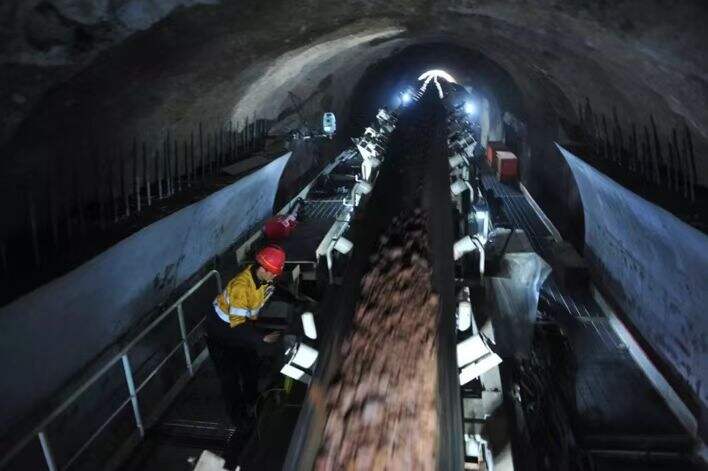
Wetlands are among the most ecologically sensitive environments on the planet, serving as critical habitats for wildlife, natural water filtration systems, and carbon sequestration zones. When underground utility infrastructure must pass through or beneath these protected areas, construction teams face an extraordinary challenge: how to install pipelines without triggering the ecological destruction that conventional open-cut trenching inevitably causes. Pipe jacking has emerged as the most viable answer to this challenge, offering a trenchless construction method that dramatically reduces surface disturbance and preserves the delicate balance of wetland ecosystems.
Understanding what makes pipe jacking environmentally friendly in wetland settings requires a careful look at how this trenchless technology works, how it compares to traditional excavation methods, and why its mechanical precision translates directly into ecological protection. From minimizing soil displacement to reducing hydrological disruption, the environmental advantages of pipe jacking in wetlands are both measurable and meaningful for engineers, project planners, and environmental compliance teams alike.
The Environmental Problem with Conventional Pipeline Construction in Wetlands
Open-Cut Trenching and Habitat Destruction
Traditional pipeline installation in wetland zones typically involves open-cut trenching, a method that requires extensive excavation along the full length of the pipeline route. In wetlands, this approach strips away vegetation, disrupts root systems, and permanently alters the soil structure that wetland plants depend on for stability and nutrient cycling. The ecological footprint of a trench can extend far beyond its visible edges, as compaction from heavy machinery spreads outward and affects hydrology across a broad zone.
Wetland soils are typically saturated, organic-rich, and biologically active. When exposed to open-cut methods, these soils lose their anaerobic structure, releasing stored carbon and disrupting the microbial communities that drive nutrient cycling. Sensitive species such as amphibians, wading birds, and aquatic invertebrates lose habitat almost immediately. Recovery timelines for these ecosystems can stretch into decades, even with active restoration efforts. This is precisely why pipe jacking represents a fundamentally different and more environmentally responsible approach.
Water Quality Risks from Traditional Excavation
Open excavation in wetland areas creates significant risks of sediment runoff, turbidity spikes in adjacent water bodies, and contamination from construction chemicals such as lubricants and hydraulic fluids. Wetlands often connect directly to rivers, coastal estuaries, and protected aquatic habitats where even minor increases in suspended sediment can disrupt spawning cycles, reduce light penetration for aquatic vegetation, and smother benthic organisms. Regulatory agencies in most jurisdictions treat any construction-related turbidity event in a wetland as a serious compliance violation.
Dewatering operations—another unavoidable component of open-cut work in saturated wetland soils—further compound these risks by altering groundwater gradients and potentially drawing contaminated water from adjacent industrial zones into the construction footprint. Pipe jacking avoids nearly all of these scenarios by working entirely below the surface, sealing the pipeline installation zone from the surrounding hydrology throughout the construction process.
How Pipe Jacking Works to Protect Wetland Ecosystems
The Trenchless Mechanism and Minimal Surface Footprint
Pipe jacking is a trenchless construction method in which a tunnel boring or cutting head is hydraulically pushed through the ground from a launch pit, simultaneously installing a string of pipeline segments behind it. The only surface disturbance occurs at the two pit locations—one for launching the equipment and one for receiving it—while the entire tunnel route remains undisturbed underground. In a wetland setting, these pits can be positioned at the wetland boundary, meaning the ecologically sensitive zone experiences no direct surface disruption at all.
The precision of modern pipe jacking equipment allows operators to navigate beneath root systems, existing utilities, and hydrological features with minimal deviation from the planned alignment. Advanced guidance systems ensure that the boring head follows the designed gradient and trajectory, preventing unintended soil fracturing or ground heave that could otherwise affect surface hydrology. This level of control is simply not achievable with open trenching, making pipe jacking the preferred method wherever surface protection is a regulatory or environmental priority.
Earth Pressure Balance Technology and Soil Stability
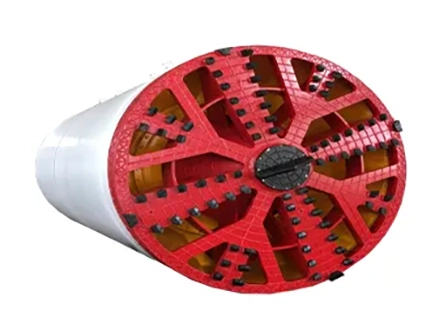
In saturated, soft, or unstable soils—conditions that are common in wetland geology—conventional boring methods risk causing ground settlement, soil liquefaction, or blowouts that could compromise surface stability and release excavated material into the surrounding environment. Earth pressure balance technology, which is integrated into advanced pipe jacking machines, continuously monitors and controls the pressure at the cutting face to match the in-situ soil pressure. This prevents both over-excavation and under-support of the tunnel face.
By maintaining equilibrium between the excavation pressure and the surrounding soil, earth pressure balance pipe jacking machines minimize the risk of ground movement above the tunnel. In wetland contexts, this is critical because even minor surface subsidence can alter drainage patterns, affect the root zones of wetland vegetation, and disrupt the seasonal flooding cycles that these ecosystems depend on. The pipe jacking machine designed for earth pressure balance operation is therefore one of the most ecologically compatible tools available for subsurface construction in sensitive environments.
The spoil management system within an earth pressure balance machine further contributes to environmental protection by converting excavated material into a conditioned paste that is removed through a screw conveyor rather than expelled as slurry. This significantly reduces the volume of contaminated spoil water that must be treated and disposed of, lowering the risk of any excavated material reaching the wetland surface or adjacent water bodies.
Hydrological Integrity and Wetland Function Preservation
Protecting Groundwater Flow Paths
Wetlands function as recharge zones, discharge zones, and transitional zones within regional groundwater systems. Any construction method that physically cuts through the soil profile over a long corridor—as open trenching does—creates a barrier effect that can redirect subsurface water flow, alter seasonal water table fluctuations, and disconnect wetland areas from their hydrological sources. These changes, though often invisible to the eye, can cause gradual vegetation dieback and habitat degradation that persists long after construction is complete.
Pipe jacking installs the pipeline within a sealed, grouted annulus that is specifically engineered to minimize hydraulic conductivity changes along the pipeline corridor. Properly executed pipe jacking projects include annular grouting between the outer pipe surface and the bored tunnel wall, which fills voids and restores the structural integrity of the soil column. This ensures that groundwater continues to flow through its natural pathways rather than being redirected along the pipeline trench, a phenomenon known as pipe bedding flow that is a well-documented negative consequence of open-cut construction.
Vegetation and Root Zone Protection
Wetland vegetation—including sedges, rushes, mangroves, and riparian shrubs—is highly sensitive to root zone disturbance. Even temporary exposure of roots to air and sunlight during open excavation can cause significant die-off, and the compaction caused by heavy machinery operating in saturated soils can permanently reduce the load-bearing capacity of root structures. Once key vegetation is lost, the erosion resistance of wetland banks drops sharply, leading to accelerated sediment input into water channels.
Because pipe jacking operates entirely below the root zone, wetland plants above the pipeline route are completely undisturbed throughout construction. No vegetation clearing is required along the tunnel corridor, no topsoil is removed, and no machinery operates on the wetland surface. The environmental footprint is essentially limited to the two access pits, which are relatively small in area and can be revegetated after project completion. This makes pipe jacking one of the few infrastructure construction methods that can be realistically executed inside a wetland without triggering mandatory vegetation offset requirements under most environmental protection frameworks.
Regulatory Compliance and Environmental Permitting Advantages
Meeting Wetland Construction Permit Requirements
Construction within or adjacent to wetlands is regulated under a range of national and regional frameworks, including the Clean Water Act Section 404 permits in the United States, the European Union's Water Framework Directive, and equivalent legislation in other jurisdictions. These regulations impose strict limits on the area of wetland fill, the degree of hydrological alteration permitted, and the requirement for mitigation when impacts cannot be avoided. Obtaining permits for open-cut trenching through a wetland is often extremely difficult, expensive, and time-consuming, and may require substantial mitigation commitments.
Pipe jacking, by contrast, typically qualifies as a minimal-impact trenchless method under most permitting frameworks because it does not involve filling, draining, or excavating the wetland surface. Environmental impact assessments for pipe jacking projects in wetlands are generally shorter, require fewer mitigation measures, and are approved more quickly than those for conventional trenching. Project owners who select pipe jacking therefore gain a meaningful advantage in both the timeline and cost of environmental permitting, which in complex projects can represent savings that more than offset the higher initial equipment cost of trenchless construction.
Supporting Environmental Management Plans
Modern infrastructure projects in sensitive environments are required to operate under detailed environmental management plans that specify monitoring protocols, incident response procedures, and performance indicators for ecological protection. Pipe jacking operations can be integrated into these plans with relative ease because the method's impacts are predictable, localized, and manageable. Real-time monitoring of ground settlement, groundwater levels, and vibration can be conducted during pipe jacking operations to verify that the construction is proceeding within approved environmental thresholds.
The ability to document compliance through monitoring data is highly valued by regulators and project owners alike. Because pipe jacking generates clear engineering records of machine parameters, soil pressure readings, and advance rates, these records can serve as direct evidence that the construction was conducted in a controlled and environmentally responsible manner. This level of traceability is an important asset when projects face public scrutiny or post-construction environmental auditing, both of which are increasingly common for infrastructure projects in ecologically sensitive zones.
Long-Term Ecological Outcomes of Pipe Jacking in Wetland Projects
Post-Construction Recovery and Ecosystem Resilience
One of the most significant environmental advantages of pipe jacking is the speed and completeness of ecological recovery after project completion. Because the wetland surface has not been disturbed, there is no need for large-scale revegetation, topsoil replacement, or bank stabilization works. The wetland resumes its normal ecological functions almost immediately after the construction equipment is removed from the access pits. Monitoring studies of trenchless construction projects in wetlands consistently show that vegetation density, species diversity, and hydrological function return to baseline conditions within one to two growing seasons.
This rapid recovery contrasts sharply with open-cut projects, which often require years of active management and do not always achieve full restoration of pre-construction conditions. The long-term ecological outcomes of pipe jacking in wetlands are therefore considerably more positive, both for the local ecosystem and for the project owner's environmental legacy. As environmental accountability requirements become more stringent across the infrastructure sector, the post-construction performance of pipe jacking is increasingly recognized as a key part of its overall value proposition.
Carbon Footprint and Construction Emissions in Sensitive Zones
Wetlands are disproportionately important carbon stores, holding a significant fraction of the world's soil carbon in their saturated, anoxic layers. When wetland soils are excavated and exposed to air during open-cut trenching, the oxidation of stored organic matter releases carbon dioxide and methane into the atmosphere, contributing to greenhouse gas emissions from construction. This is an often-overlooked environmental cost of conventional pipeline installation in these areas, but it is one that environmental impact assessors are increasingly required to quantify and report.
Pipe jacking avoids disturbing the carbon-storing soil layers along the pipeline corridor, meaning that the carbon contained in wetland soils remains sequestered rather than being released. Combined with the reduced need for heavy surface machinery, the lower volumes of spoil requiring transport and disposal, and the elimination of dewatering operations, pipe jacking delivers a substantially lower overall construction carbon footprint compared to open-cut alternatives in wetland environments. For projects that must report under carbon disclosure frameworks or meet sustainability benchmarks, this advantage is both practically and reputationally significant.
FAQ
Why is pipe jacking considered better than open-cut trenching in wetlands?
Pipe jacking is considered better than open-cut trenching in wetlands because it eliminates the need for surface excavation along the pipeline corridor. This preserves vegetation, soil structure, hydrological connectivity, and wildlife habitat that open-cut methods would permanently damage. The method also avoids sediment runoff and groundwater disruption, making it far more compatible with the ecological requirements of wetland environments and with the regulatory frameworks that govern construction in these zones.
Does pipe jacking disturb the water table in wetland areas?
When executed correctly with proper annular grouting, pipe jacking causes minimal disruption to the water table. The grouted annulus seals the space around the installed pipe, preventing the pipeline from acting as a conduit for subsurface water flow. Earth pressure balance machines further protect the water table by operating in a closed-face mode that maintains pressure equilibrium throughout the boring process, preventing both excessive drawdown and upward water migration that could affect surface hydrology in the wetland.
What types of soils in wetlands are suitable for pipe jacking?
Pipe jacking can be adapted to a wide range of soil conditions commonly found in wetlands, including soft clay, saturated silt, peat, and mixed alluvial soils. Earth pressure balance machines are specifically designed for soft-ground and mixed-face conditions, making them well-suited to the heterogeneous geology typical of wetland environments. Geotechnical investigation prior to construction is essential to select the appropriate cutting tools and machine configuration for the specific soil profile encountered along the pipeline route.
How far can pipe jacking operate without surface access in a wetland?
Modern pipe jacking drives can extend for several hundred meters from a single launch pit before requiring an intermediate access shaft, and drive lengths of 300 to 500 meters in a single run are common in favorable soil conditions. This means that pipe jacking can cross an entire wetland zone from boundary pit to boundary pit with no surface access points within the protected area at all. For particularly long crossings, intermediate shafts can be designed with minimal surface footprints and positioned at locations with the least ecological sensitivity, further reducing the overall impact on the wetland ecosystem.
Table of Contents
- The Environmental Problem with Conventional Pipeline Construction in Wetlands
- How Pipe Jacking Works to Protect Wetland Ecosystems
- Hydrological Integrity and Wetland Function Preservation
- Regulatory Compliance and Environmental Permitting Advantages
- Long-Term Ecological Outcomes of Pipe Jacking in Wetland Projects
- FAQ