
 EN
EN
 AR
AR BG
BG HR
HR CS
CS FR
FR DE
DE EL
EL HI
HI IT
IT JA
JA KO
KO RO
RO RU
RU ES
ES TL
TL ID
ID LT
LT SK
SK SL
SL UK
UK VI
VI ET
ET TH
TH TR
TR FA
FA AF
AF MS
MS HY
HY AZ
AZ KA
KA BN
BN LO
LO LA
LA MN
MN NE
NE MY
MY KK
KK UZ
UZ KY
KY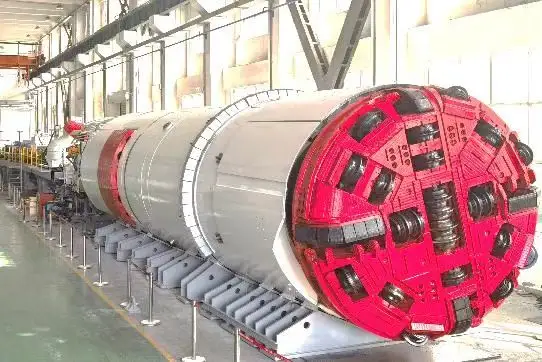
The underground construction industry is experiencing a significant shift in how engineers and contractors approach pipe jacking operations. Market trends increasingly favor slurry balance pipe jacking machines over traditional earth pressure balance methods, driven by specific technical advantages and evolving project requirements. This transition reflects deeper changes in how the industry prioritizes ground stability, operator safety, and cost efficiency on complex projects.
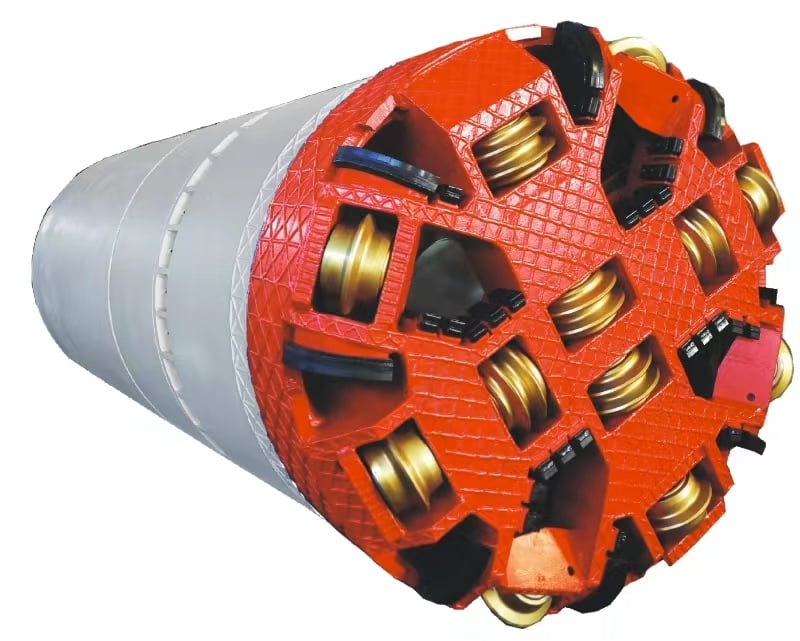
Understanding why slurry balance pipe jacking machines are gaining market dominance requires examining how ground conditions, regulatory frameworks, and performance metrics are shaping procurement decisions across major infrastructure projects worldwide.
Superior Ground Stability and Pressure Control
Precision Pressure Management in Mixed Ground
Slurry balance pipe jacking machines deliver superior ground stability through continuous, real-time pressure adjustment. When contractors encounter mixed geological formations—transitioning from soft clay to gravel or rock layers—slurry balance pipe jacking machines maintain consistent face pressure without abrupt shifts that can destabilize the tunnel wall. The slurry system acts as both a support medium and a material removal mechanism, creating a buffer that absorbs pressure fluctuations naturally.
Earth pressure balance machines, by contrast, rely on mechanical screw conveyors to regulate chamber pressure. This method is less responsive to sudden ground changes, often requiring operator intervention and manual pressure adjustments. In complex geological sequences, slurry balance pipe jacking machines reduce the risk of ground subsidence, blowouts, and unexpected settlement that can damage surface structures and delay project timelines.
Safer Operation and Reduced Environmental Risk
Environmental and safety regulations in developed markets are increasingly stringent, favoring technologies that minimize soil disturbance and reduce groundwater contamination risk. Slurry balance pipe jacking machines contain cuttings within a closed circuit, preventing direct contact between excavated material and groundwater. This containment advantage makes slurry balance pipe jacking machines the preferred choice for projects near water-sensitive zones, nature reserves, and urban areas where environmental monitoring is mandatory.
Worker safety also improves with slurry balance pipe jacking machines, as the closed system eliminates hazardous dust exposure and reduces pressure-related incidents in the working chamber. Contractors report lower worker compensation claims and reduced regulatory scrutiny when deploying slurry balance pipe jacking machines, which indirectly reduces project costs and improves insurance rates.
Market-Driven Efficiency and Project Economics
Faster Breakthrough Performance in Dense Ground
In rock condition or very dense soil layers, slurry balance pipe jacking machines demonstrate faster excavation rates compared to earth pressure methods. The slurry medium reduces friction between the cutting head and dense ground, allowing higher penetration rates while maintaining face stability. When contractors evaluate equipment rental or purchase costs against project duration, slurry balance pipe jacking machines often deliver superior return on investment for rock and hard-ground applications.
Market data from major metro expansion projects across Asia and Europe shows that slurry balance pipe jacking machines complete breakthrough phases 15 to 25 percent faster in challenging geological conditions. This performance gain translates directly to lower mobilization costs, reduced indirect expenses, and faster cash flow recovery—factors that drive procurement preferences among project developers and main contractors.
Maintenance and Long-Term Cost Reduction
Slurry balance pipe jacking machines exhibit lower maintenance demands than earth pressure alternatives when operating in abrasive or water-bearing ground. The slurry cushion protects cutting tools from direct impact stress, reducing wear rates on disc cutters and reducing blade replacement frequency. Contractors operating slurry balance pipe jacking machines report maintenance intervals extended by 10 to 15 percent compared to earth pressure systems, particularly in high-abrasion environments.
This extended maintenance cycle is not incidental—it significantly improves project profitability. Slurry balance pipe jacking machines require fewer cutter changes, less repair downtime, and lower spare parts inventory. For long-distance drives exceeding 1,500 meters, these cumulative savings can amount to hundreds of thousands of dollars, justifying the higher initial equipment investment and driving market preference among cost-conscious contractors.
Regulatory Compliance and Market Access Advantages
Meeting Global Environmental Standards
International environmental certifications and regional emission standards increasingly mandate contamination control systems that slurry balance pipe jacking machines naturally provide. Cities and countries implementing strict groundwater protection regulations explicitly favor slurry balance pipe jacking machines because the closed-circuit design simplifies environmental impact assessments and accelerates regulatory approval timelines.
Slurry balance pipe jacking machines enable contractors to bid on projects in environmentally sensitive regions where earth pressure methods would face permitting delays or outright prohibition. This regulatory advantage expands market access for contractors and makes slurry balance pipe jacking machines essential equipment for companies competing in Western Europe, North America, and regions with advanced environmental oversight.
Future-Proofing Against Stricter Regulations
As regulations continue tightening globally, purchasing slurry balance pipe jacking machines today ensures that equipment remains compliant with tomorrow's standards. Contractors who invest in slurry balance pipe jacking machines position themselves ahead of regulatory shifts, avoiding forced equipment replacement or project rejections that would affect earth pressure operators. This forward-looking advantage drives equipment procurement today, particularly among contractors with long-term international project pipelines.
Industry analysts predict that within the next five to seven years, earth pressure methods will face significant adoption barriers in developed markets due to new environmental regulations. Slurry balance pipe jacking machines, by contrast, will likely receive regulatory incentives or preferred status. This anticipatory market trend is already influencing fleet modernization decisions among large contractors and equipment rental firms.
FAQ
Why do slurry balance pipe jacking machines outperform earth pressure systems in mixed geology?
Slurry balance pipe jacking machines maintain consistent face pressure through a continuous slurry medium that automatically adjusts to ground condition changes. Earth pressure systems rely on mechanical screw conveyors, which respond more slowly to geological transitions and require frequent manual adjustment. This makes slurry balance pipe jacking machines inherently more stable in complex, layered ground.
Are slurry balance pipe jacking machines suitable for all soil types?
Slurry balance pipe jacking machines perform optimally in sandy, silty, rocky, and water-bearing ground. In very soft clay or extremely plastic soils, earth pressure methods may be equally effective and sometimes more cost-efficient. However, slurry balance pipe jacking machines excel in challenging geological conditions and remain the market preference for projects involving rock layers or mixed ground sequences.
What cost advantages justify the higher price of slurry balance pipe jacking machines?
Slurry balance pipe jacking machines reduce breakthrough time, lower maintenance frequency, decrease cutter replacement costs, and minimize environmental compliance expenses. For projects exceeding 1,200 meters or involving rock conditions, these savings typically exceed the equipment's initial cost premium. The lower operating costs and faster project completion make slurry balance pipe jacking machines economically superior for most major infrastructure drives.