
 EN
EN
 AR
AR BG
BG HR
HR CS
CS FR
FR DE
DE EL
EL HI
HI IT
IT JA
JA KO
KO RO
RO RU
RU ES
ES TL
TL ID
ID LT
LT SK
SK SL
SL UK
UK VI
VI ET
ET TH
TH TR
TR FA
FA AF
AF MS
MS HY
HY AZ
AZ KA
KA BN
BN LO
LO LA
LA MN
MN NE
NE MY
MY KK
KK UZ
UZ KY
KY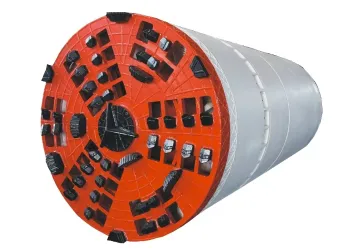
Proper articulation joint lubrication is critical to the operational success and longevity of rectangular pipe jacking machines used in underground construction projects. The articulation joint is a complex mechanical interface that allows segments of pipe to connect and articulate during jacking operations, making it one of the most stress-prone components on the entire machine. Understanding the correct lubrication schedule and methodology for articulation joint lubrication ensures that your equipment maintains peak performance, reduces unplanned downtime, and extends the service life of this expensive asset. Without adequate articulation joint lubrication, friction and wear accelerate dramatically, potentially leading to joint seizure, segment misalignment, and catastrophic operational failure.
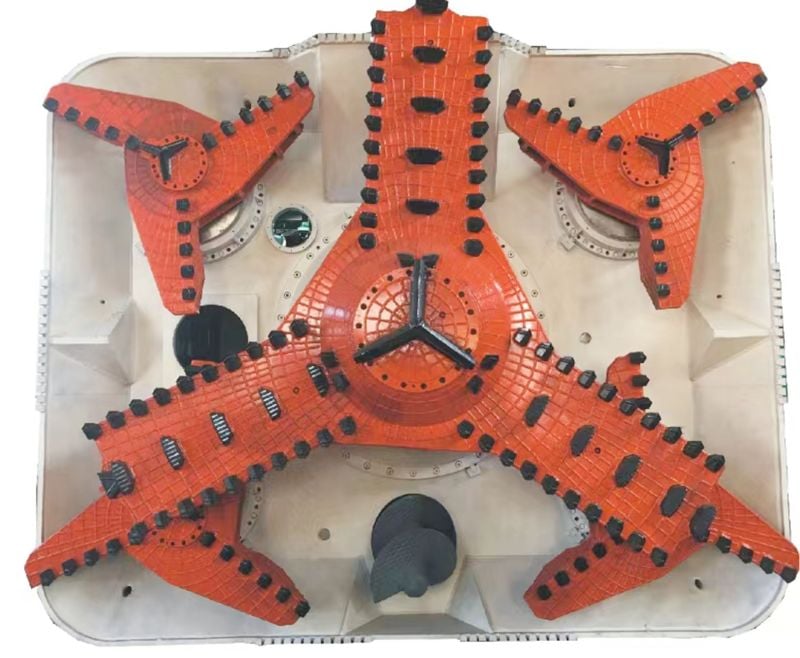
The frequency of articulation joint lubrication depends on operational intensity, environmental conditions, and the specific design of your rectangular pipe jacking machine. Most manufacturers recommend articulation joint lubrication every 50 to 100 hours of continuous jacking operation, though this interval may vary based on soil conditions, jacking distance, and load distribution during tunneling work. Establishing a consistent lubrication schedule based on machine hours rather than calendar days ensures that you match maintenance frequency to actual equipment stress and wear patterns.
Understanding Articulation Joint Function and Wear Patterns
Role of the Articulation Joint in Pipe Jacking Operations
The articulation joint is the mechanical hinge that permits angular movement between consecutive pipe segments as the rectangular pipe jacking machine navigates curved or uneven ground. During jacking, the articulation joint experiences enormous compressive forces from the reaction frame, bending moments from segment deflection, and shear stresses from soil resistance. Effective articulation joint lubrication reduces friction within this joint, minimizes heat generation, and prevents metal-to-metal contact that would cause rapid wear and potential joint lockup. The joint's bearings, sliding surfaces, and connection points all depend on a continuous protective lubricant film to function correctly.
How Wear Accelerates Without Proper Lubrication
When articulation joint lubrication is neglected or becomes insufficient, the joint begins to degrade rapidly. Friction between unlubricated surfaces generates heat, which accelerates material fatigue and loosens the structural integrity of the joint. Abrasive soil particles can embed themselves in worn surfaces, creating scratches and scoring that deepen with each operational cycle. Over time, inadequate articulation joint lubrication allows corrosion to develop, seizes the joint, and makes further jacking impossible without extensive repair or segment replacement. Regular, timely articulation joint lubrication prevents these failure modes from developing in the first place.
Establishing the Optimal Articulation Joint Lubrication Schedule
Recommended Lubrication Intervals Based on Operating Hours
Industry best practice calls for articulation joint lubrication every 50 to 100 operating hours for rectangular pipe jacking machines in standard soil conditions. In challenging soil such as clay with high friction or cobble-laden ground, consider increasing the frequency of articulation joint lubrication to every 40 to 60 hours. Conversely, in favorable conditions like stable sandy soil or short jacking distances, extending the interval to every 100 to 150 hours may be acceptable. The key principle is to monitor joint condition visually and adjust articulation joint lubrication intervals based on observed wear patterns, so you maintain consistent protection without over-lubricating, which can attract debris and create maintenance complications.
Factors That Influence Lubrication Frequency
Several operational and environmental variables affect how often articulation joint lubrication should occur. Jacking distance plays a major role: longer tunnels expose joints to sustained pressure for extended periods, necessitating more frequent articulation joint lubrication. Soil abrasiveness is critical; sandy soils with particles that can migrate into the joint require more frequent articulation joint lubrication than cohesive clay. Ground water and chemical soil conditions accelerate corrosion and lubricant breakdown, demanding increased articulation joint lubrication frequency. Machine age and prior maintenance history also matter; older machines with worn seals may need more frequent articulation joint lubrication to compensate for seal degradation. Finally, jacking speed and reaction frame pressure influence stress levels, with higher pressures requiring more frequent articulation joint lubrication to maintain adequate film strength.
Proper Articulation Joint Lubrication Procedures and Best Practices
Selection of Appropriate Lubricants
The choice of lubricant is as important as the frequency of articulation joint lubrication. Most rectangular pipe jacking machines require high-viscosity grease formulated to withstand high pressure, extreme shear, and prolonged exposure to water and contaminants. Lithium complex greases and polyurea greases are common choices for articulation joint lubrication in underground construction environments. Ensure that the lubricant meets relevant industrial standards and is compatible with the specific materials used in your machine's joints. Verify that the selected lubricant for articulation joint lubrication has rust and oxidation inhibitors, water resistance, and thermal stability appropriate for the expected operating temperature range. Using incorrect lubricants can accelerate wear despite frequent articulation joint lubrication, so consult your machine manual and manufacturer recommendations before changing lubricant types.
Application Techniques and Access Points
Proper application of articulation joint lubrication requires systematic access to all bearing surfaces and sliding interfaces within the joint. Most rectangular pipe jacking machines feature multiple grease fittings on each articulation joint, typically located on the top, sides, and bottom of the joint assembly. Before applying fresh lubricant, clean surrounding areas to prevent dirt and mud from entering the joint during the articulation joint lubrication process. Use a hand-operated or pneumatic grease gun to inject lubricant slowly through each fitting until fresh grease begins to exude from adjacent surfaces or overflow points, indicating that old, degraded lubricant has been displaced. Do not over-pump articulation joint lubrication, as excess pressure can damage seals or force lubricant into areas where it may accumulate contaminants. After completing articulation joint lubrication, wipe excess grease from the joint exterior and allow the machine to idle briefly while rotating the articulation to distribute the fresh lubricant throughout all bearing surfaces.
Documentation and Monitoring
Maintain detailed records of every articulation joint lubrication event, noting the date, operating hours, environmental conditions, and any observable joint condition changes. This documentation enables early detection of problems; if you notice that articulation joint lubrication intervals are shortening or that the joint feels gritty or stiff despite regular lubrication, investigate possible seal damage or contamination. Visual inspection before each articulation joint lubrication session provides early warning signs of wear or corrosion. Track lubricant consumption patterns; a sudden increase in grease usage during articulation joint lubrication may indicate seal leakage or internal damage. Over time, this data allows you to fine-tune your articulation joint lubrication schedule to match your specific operating conditions, reducing costs while ensuring reliable equipment performance.
FAQ
What happens if I skip a scheduled articulation joint lubrication?
Skipping even one scheduled articulation joint lubrication cycle allows friction and wear to accelerate. The joint may not fail immediately, but the protective lubricant film thins, metal-to-metal contact increases, and corrosion begins. Multiple missed articulation joint lubrication intervals compound the damage, eventually leading to joint stiffness, reduced jacking precision, and potential mechanical failure during active tunneling, which can be costly and dangerous to repair.
Can I use different lubricants for articulation joint lubrication?
No, you should not arbitrarily change lubricants used for articulation joint lubrication. Different grease formulations have different viscosity, additive chemistry, and performance characteristics. Using an inappropriate lubricant for articulation joint lubrication can result in poor film strength, inadequate water resistance, or incompatibility with existing residual grease, potentially accelerating wear rather than protecting the joint. Always consult your machine manufacturer's specifications before selecting a new lubricant for articulation joint lubrication.
How do I know if my articulation joint lubrication frequency is adequate?
Adequate articulation joint lubrication frequency is reflected in smooth joint movement, absence of grinding or squeaking sounds, minimal grease accumulation of debris, and stable operating temperatures. If the joint feels stiff, makes noise, or shows visible corrosion despite regular articulation joint lubrication, the frequency may be insufficient or the lubricant may be degrading too quickly. Increase the frequency of articulation joint lubrication incrementally and monitor joint condition; your optimal schedule will balance protection against over-lubrication complications.