
 EN
EN
 AR
AR BG
BG HR
HR CS
CS FR
FR DE
DE EL
EL HI
HI IT
IT JA
JA KO
KO RO
RO RU
RU ES
ES TL
TL ID
ID LT
LT SK
SK SL
SL UK
UK VI
VI ET
ET TH
TH TR
TR FA
FA AF
AF MS
MS HY
HY AZ
AZ KA
KA BN
BN LO
LO LA
LA MN
MN NE
NE MY
MY KK
KK UZ
UZ KY
KY
Choosing the right tunneling equipment is a critical decision in any underground construction project, and a rectangular pipe jacking machine with dual cutting heads represents a highly specialized solution engineered for demanding, non-circular excavation tasks. Unlike conventional round-bore tunnel boring machines, a rectangular pipe jacking machine produces a cross-section that closely matches the usable interior geometry required by many modern infrastructure applications. When a project involves wide pedestrian underpasses, multi-lane utility corridors, or box-shaped drainage channels, the rectangular pipe jacking machine becomes not just convenient but often the only practical choice available to project engineers.
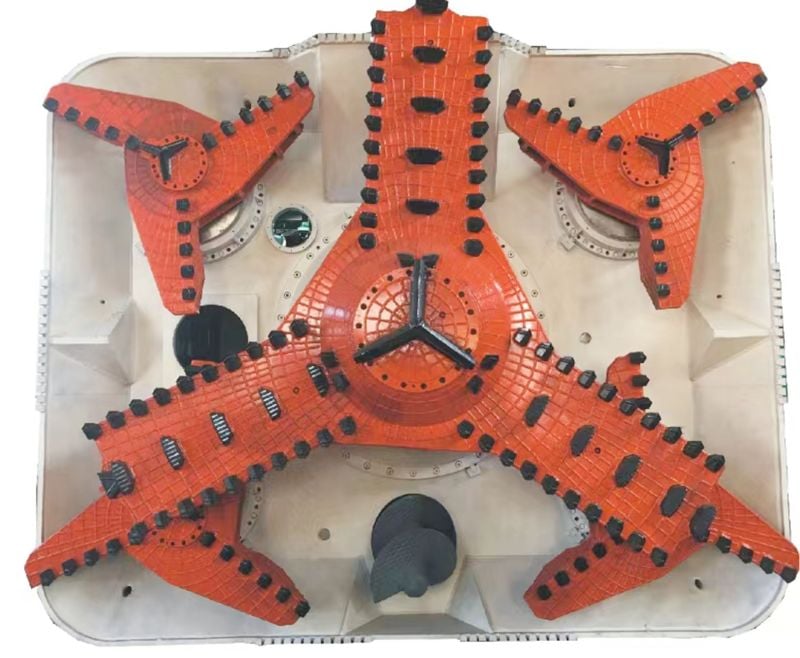
The addition of dual cutting heads to a rectangular pipe jacking machine significantly expands its capability and output. A single cutting head on a rectangular pipe jacking machine may struggle to maintain uniform face pressure and excavation efficiency across the full width of a wide rectangular cross-section. Dual cutting heads allow the rectangular pipe jacking machine to distribute mechanical force more evenly, manage soil pressure more reliably, and advance through challenging ground conditions with greater stability. Understanding which specific applications genuinely demand this configuration helps engineers and project owners make smarter procurement and planning decisions.
Urban Infrastructure and Pedestrian Underpass Projects
Why Pedestrian Underpasses Require a Rectangular Pipe Jacking Machine
One of the most common and compelling applications for a rectangular pipe jacking machine is the construction of pedestrian underpasses beneath busy urban roads and railways. These structures require a wide, flat-bottomed cross-section to accommodate foot traffic, mobility equipment, and sometimes utility runs along the side walls. A rectangular pipe jacking machine delivers this geometry directly without requiring secondary lining or profiling works that would otherwise add cost and project duration. The dual cutting head configuration on a rectangular pipe jacking machine ensures that even wider underpasses — those exceeding five meters in span — can be excavated with consistent face stability across the entire working width.
Urban environments add further complexity because surface settlement must be kept to an absolute minimum. A rectangular pipe jacking machine equipped with dual cutting heads and an earth pressure balance system actively controls the excavated face, reducing the risk of settlement above sensitive structures such as historic buildings, operating metro lines, or densely trafficked roads. This control capability is one reason why specifying a rectangular pipe jacking machine for urban underpass projects is increasingly standard practice in major cities worldwide.
Road Crossing Culverts and Vehicular Underpasses
Vehicular underpasses and road crossing culverts represent another category where a rectangular pipe jacking machine with dual cutting heads delivers clear advantages. These structures must be wide enough to carry lane traffic and tall enough to meet road clearance standards, yet they must be installed without disrupting surface road operations. The rectangular pipe jacking machine allows construction teams to advance the tunnel box from a launch pit positioned well away from live traffic lanes. With dual cutting heads, the rectangular pipe jacking machine can handle mixed ground conditions — such as layers of soft clay interbedded with sand or gravel — that commonly appear beneath urban road corridors.
Utility Corridors and Underground Service Tunnels
Multi-Service Utility Tunnels
Modern cities increasingly rely on shared underground utility corridors that carry power cables, water mains, telecommunications conduits, and drainage pipes within a single accessible tunnel. These corridors require a rectangular cross-section because it maximizes usable internal space and allows maintenance personnel to walk through the tunnel comfortably. A rectangular pipe jacking machine is the preferred excavation method for such utility tunnels because it produces the correct geometry in a single pass. When the tunnel spans are large, a rectangular pipe jacking machine fitted with dual cutting heads ensures that both the left and right sides of the face are excavated simultaneously and at the same controlled rate, preventing uneven loading that could cause lining cracking or misalignment.
The rectangular pipe jacking machine also reduces the construction footprint significantly compared to open-cut methods. In dense urban areas where surface space is extremely limited, deploying a rectangular pipe jacking machine from a compact launch shaft is often the only viable method for installing large-section utility corridors without relocating existing surface infrastructure. Projects involving utility tunnels beneath commercial districts, transportation hubs, or hospital precincts routinely specify a rectangular pipe jacking machine for this very reason.
Underground Cable and Drainage Galleries
Large-diameter cable galleries and dedicated stormwater drainage galleries frequently demand a rectangular pipe jacking machine because round tunnels waste significant cross-sectional area when rectangular equipment racks or drainage channels are installed inside. A rectangular pipe jacking machine optimizes this match between the tunnel shape and its internal fittings. The dual cutting head variant of the rectangular pipe jacking machine is particularly suited to drainage gallery projects in waterlogged ground, where maintaining continuous face pressure is essential to preventing water ingress and ground collapse during excavation.
Rail and Subway Station Box Tunnels
Station Entrance Structures and Subway Box Tunnels
Rail and metro projects regularly demand a rectangular pipe jacking machine for the construction of station entrance boxes, platform level connections, and cross-passages beneath existing lines. These structures inherently require a box-shaped cross-section, making the rectangular pipe jacking machine the logical selection from both a structural and geometric standpoint. In soft urban soils beneath operating rail lines, the rectangular pipe jacking machine with dual cutting heads provides the face pressure management necessary to protect track geometry above. Construction teams can advance the rectangular pipe jacking machine under live rail infrastructure with minimal disruption to train operations, which is a critical project requirement in urban transit expansion schemes.
The dual cutting head setup on the rectangular pipe jacking machine also reduces cycle time per ring because both sides of the face progress simultaneously. This is particularly valuable on subway projects with tight construction windows dictated by operational rail schedules. The rectangular pipe jacking machine therefore addresses both the geometric and the schedule demands of underground rail infrastructure in a single equipment configuration.
FAQ
What ground conditions suit a rectangular pipe jacking machine with dual cutting heads?
A rectangular pipe jacking machine with dual cutting heads performs well in soft to medium soils including clay, silty sand, and mixed-face conditions. The earth pressure balance system on the rectangular pipe jacking machine actively manages face stability, making it suitable for waterlogged or sensitive urban ground. Very hard rock formations are generally outside the intended application range of a standard rectangular pipe jacking machine.
How does the dual cutting head improve performance on a rectangular pipe jacking machine?
The dual cutting head configuration allows a rectangular pipe jacking machine to distribute excavation force evenly across the full width of a wide rectangular face. This prevents differential settlement, reduces wear on individual cutter tools, and allows the rectangular pipe jacking machine to maintain consistent advance rates even when ground conditions vary laterally across the tunnel face.
Is a rectangular pipe jacking machine suitable for trenchless installation beneath roads?
Yes, a rectangular pipe jacking machine is specifically designed for trenchless installation, allowing tunnel boxes to be advanced beneath roads, railways, and structures without surface excavation. The rectangular pipe jacking machine requires only a launch shaft and a reception shaft, minimizing surface disruption and making it ideal for busy urban road crossing projects.