
 EN
EN
 AR
AR BG
BG HR
HR CS
CS FR
FR DE
DE EL
EL HI
HI IT
IT JA
JA KO
KO RO
RO RU
RU ES
ES TL
TL ID
ID LT
LT SK
SK SL
SL UK
UK VI
VI ET
ET TH
TH TR
TR FA
FA AF
AF MS
MS HY
HY AZ
AZ KA
KA BN
BN LO
LO LA
LA MN
MN NE
NE MY
MY KK
KK UZ
UZ KY
KY
Selecting the right corner cutter configuration for a rectangular pipe jacking machine is one of the most critical decisions in underground tunneling projects. The corner cutter configuration directly influences drilling efficiency, machine stability, material handling, and overall project profitability. A poorly matched corner cutter configuration can result in excessive wear, reduced penetration rates, unplanned downtime, and budget overruns. Understanding how to evaluate your project requirements and match them to an appropriate corner cutter configuration ensures smoother operations and better outcomes in challenging soil conditions.
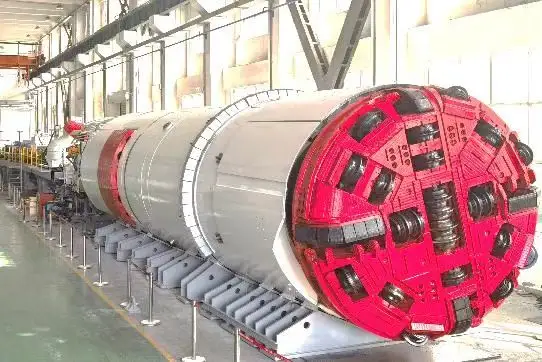
Every rectangular pipe jacking machine operates within specific soil and geological parameters. The corner cutter configuration you choose must accommodate these unique conditions while maintaining the structural integrity of the pipe sections being installed. Whether you are working in sandy soils, clay formations, or mixed geology, your corner cutter configuration must balance cutting force, blade durability, and system reliability. This guide explores the fundamental factors that influence corner cutter configuration selection and provides practical insights to help you make informed decisions for your tunneling project.
Understanding Soil Conditions and Geological Requirements
Assessing Your Project Geology
Before determining your corner cutter configuration, you must conduct a thorough geological survey of the tunnel alignment. Soil composition directly dictates what type of corner cutter configuration will perform optimally. Sandy and cohesionless soils require a more aggressive corner cutter configuration with enhanced cutting edges, while clayey soils may allow for a lighter, more cost-effective corner cutter configuration. Mixed geology presents the greatest challenge because your corner cutter configuration must transition between different soil types without significant performance degradation or mechanical stress.
Impact of Abrasiveness on Corner Cutter Wear
Highly abrasive soils containing silica or gravel demand a robust corner cutter configuration with superior wear resistance. The corner cutter configuration you select must include hardened cutting tools and reinforced support structures to withstand extended exposure to abrasive particles. Softer soils allow flexibility in corner cutter configuration design, potentially enabling the use of simpler blade configurations that reduce both initial equipment costs and maintenance complexity. Understanding abrasiveness ratings from your geological survey helps you right-size the corner cutter configuration for your specific environment.
Machine Size, Pipe Diameter, and Configuration Compatibility
Matching Corner Cutter Configuration to Rectangular Dimensions
Rectangular pipe jacking machines come in various sizes, and your corner cutter configuration must match the specific rectangular cross-section of your intended pipe. The corner cutter configuration at each corner of the rectangular section requires precise engineering because corners bear concentrated cutting stress and generate higher reaction loads. A properly designed corner cutter configuration for rectangular applications must distribute cutting force evenly across corner points while maintaining blade engagement at consistent depths. Undersized or oversized corner cutter configurations relative to your pipe dimensions will cause alignment issues, uneven cutting, and accelerated wear on specific blade sections.
Cutting Head Integration and Support Structure
Your rectangular pipe jacking machine's cutting head architecture determines what corner cutter configuration options are structurally feasible. The corner cutter configuration must integrate seamlessly with your machine's thrust system, muck removal pathway, and pressure bulkhead design. Larger rectangular pipe sections may require a segmented or modular corner cutter configuration to allow field assembly and blade replacement. Smaller rectangular machines might benefit from an integral corner cutter configuration molded as one complete unit. Ensuring compatibility between your specific cutting head design and proposed corner cutter configuration prevents expensive retrofitting and installation delays.
Blade Materials, Cutter Spacing, and Operational Performance
Selecting Appropriate Blade Materials for Your Corner Cutter Configuration
The corner cutter configuration's blade material fundamentally affects service life and operating costs. Tungsten carbide-tipped blades within your corner cutter configuration provide superior hardness and wear resistance in abrasive geology but demand higher upfront investment. Steel-based blades in your corner cutter configuration cost less initially but require more frequent replacement in harsh conditions. Cast iron or composite materials can function in moderate soil conditions and offer a middle-ground cost-performance profile for your corner cutter configuration. Your corner cutter configuration material choice must align with project duration, replacement logistics, and total cost of ownership rather than initial purchase price alone.
Optimizing Blade Spacing and Penetration Rates
The spacing between cutting blades within your corner cutter configuration influences muck particle size, screw conveyor performance, and overall excavation efficiency. Tightly spaced blade configurations in your corner cutter configuration produce finer cuttings that flow more readily through the screw conveyor but increase cutting resistance and power consumption. Widely spaced blade arrangements in your corner cutter configuration reduce cutting force requirements but may produce oversized fragments that jam or clog the muck handling system. The optimal corner cutter configuration spacing depends on your soil type, muck conveyor capacity, and target penetration rates. Field adjustments to corner cutter configuration blade spacing during initial commissioning can yield significant performance improvements once you observe actual soil response.
Maintenance Access, Replacement Cycles, and Cost Management
Designing for Field Maintenance and Blade Replacement
A practical corner cutter configuration must allow operators to inspect and replace worn blades without extensive machine disassembly or costly downtime. Poor access design in your corner cutter configuration forces contractors to extract the entire cutting head for minor blade replacements, creating expensive delays. An effective corner cutter configuration incorporates modular blade cartridges that crew members can access and replace using standard tools and equipment. Consider whether your corner cutter configuration supports quick-change blade systems or requires custom fitting procedures. Field-serviceable corner cutter configurations consistently outperform sealed designs in terms of operational uptime and long-term cost efficiency.
Predicting Blade Life and Replacement Frequency
Estimating how long your corner cutter configuration blades will last under actual site conditions helps you budget for consumables and schedule preventive maintenance effectively. Blade life in your corner cutter configuration depends on soil abrasiveness, cutting frequency, groundwater chemistry, and machine operator skill. Establishing baseline blade performance data during the first few machine shifts allows you to forecast replacement intervals and stock appropriate spare blade sets for your corner cutter configuration. Tracking blade wear patterns across your corner cutter configuration corners can reveal operational issues or soil variations that may require mid-project adjustments. Robust corner cutter configuration planning includes spare blade inventory, supply chain agreements with equipment manufacturers, and contingency scheduling for intensive blade replacement periods.
FAQ
How does the geological survey impact corner cutter configuration selection?
A comprehensive geological survey reveals soil composition, abrasiveness ratings, and potential obstructions that directly determine your required corner cutter configuration type. Surveys identifying highly abrasive or mixed geology conditions demand a more robust and durable corner cutter configuration with reinforced cutting edges and superior wear resistance. Without detailed geological data, you risk selecting a corner cutter configuration that underperforms or fails prematurely in unexpected soil conditions, resulting in costly project delays and equipment damage.
Can a single corner cutter configuration work across different soil types?
While corner cutter configuration designs exist for mixed geology, they represent compromise solutions rather than optimal fits for any specific soil type. A versatile corner cutter configuration maintains acceptable performance across varied soil conditions but may not achieve the efficiency levels of specialized configurations designed for single soil types. For projects with significant soil variation, contractors sometimes employ different corner cutter configuration setups at different project phases or use adjustable blade systems within a single configuration framework.
What maintenance schedule should guide my corner cutter configuration management?
Establish your corner cutter configuration maintenance schedule based on initial blade performance data, manufacturer recommendations, and observed wear patterns during early tunneling operations. Most projects benefit from weekly visual inspections of corner cutter configuration blade condition, with detailed blade measurements every 50 to 100 meters of advancement. Replacing individual blades within your corner cutter configuration when wear reaches 75 percent of original thickness prevents sudden failures and maintains consistent penetration rates. Maintaining spare blade sets specifically compatible with your corner cutter configuration ensures you can respond quickly to unexpected wear without extended machine shutdowns.