
 EN
 AR
 BG
 HR
 CS
 FR
 DE
 EL
 HI
 IT
 JA
 KO
 RO
 RU
 ES
 TL
 ID
 LT
 SK
 SL
 UK
 VI
 ET
 TH
 TR
 FA
 AF
 MS
 HY
 AZ
 KA
 BN
 LO
 LA
 MN
 NE
 MY
 KK
 UZ
 KY
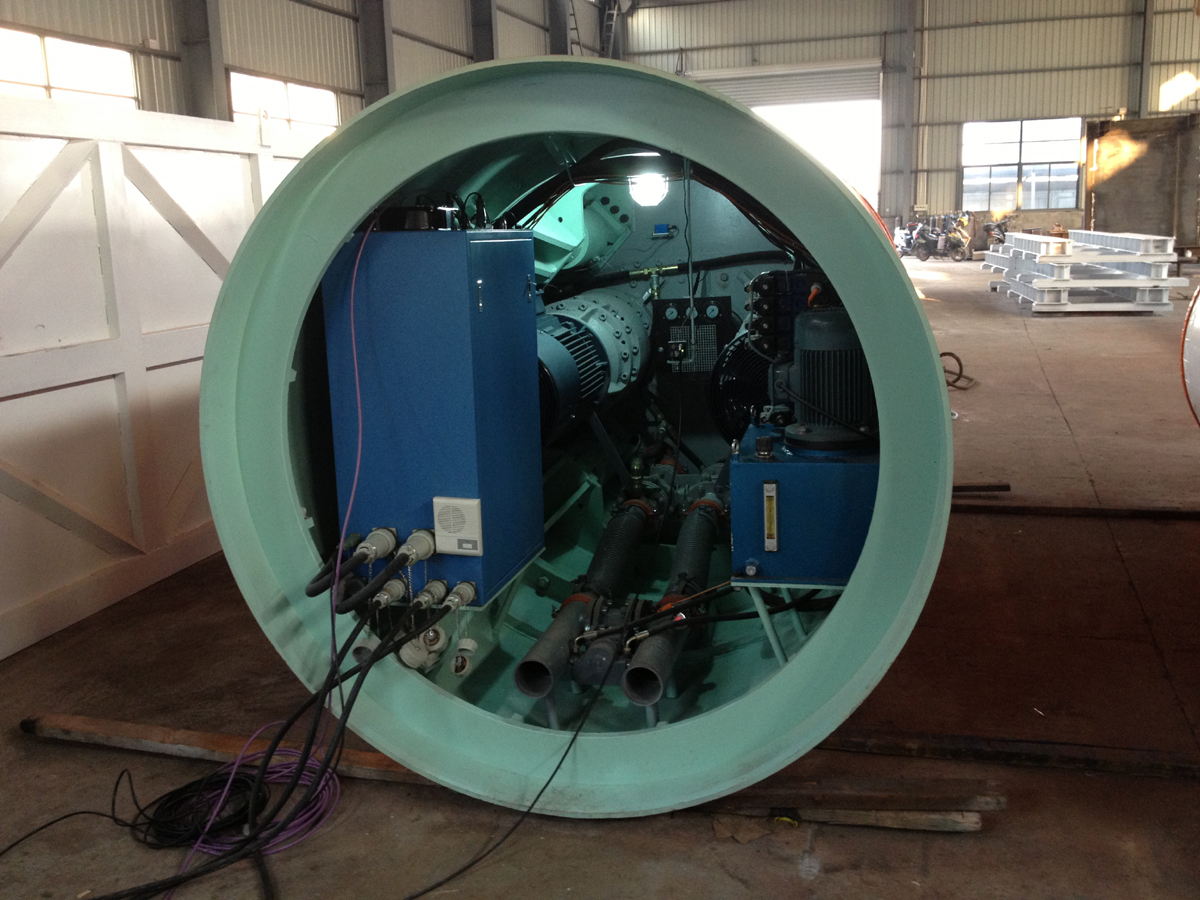
Urban infrastructure projects traditionally demand extensive surface excavation, causing significant traffic disruptions, noise pollution, and community inconvenience. A pipe jacking machine fundamentally changes this equation by enabling subsurface pipeline installation without large-scale ground breaking. This trenchless technology allows municipalities and contractors to install, replace, or repair underground utilities while keeping streets open, reducing congestion, and maintaining normal business operations. The pipe jacking machine has become essential for modern cities seeking to balance infrastructure development with community livability.

Traffic disruption from traditional open-cut trenching represents one of the most visible costs of urban utility work. Heavy machinery, material stockpiles, safety barriers, and lane closures create congestion that affects commuters, delivery schedules, emergency services, and local businesses. The pipe jacking machine eliminates these surface-level obstacles by operating entirely underground from small entry and exit shafts. This controlled, subsurface approach preserves road surface integrity and allows normal traffic flow directly above active construction zones, making it the preferred solution for dense urban environments where surface space is limited and traffic flow is critical.
Minimized Surface Footprint and Street Access Preservation
How Pipe Jacking Machines Work Underground
A pipe jacking machine operates by creating a horizontal tunnel beneath the street surface and pushing precast concrete or steel pipe sections into place as it advances. Unlike traditional excavation, which requires digging a trench across the entire pipeline route, the pipe jacking machine uses only two primary surface access points: a launch shaft where the machine begins and a reception shaft where it emerges. These shafts are typically confined to small areas such as sidewalks, parking lots, or temporary construction zones, rather than consuming entire traffic lanes. The pipe jacking machine's compact surface requirement means that surrounding roads remain substantially unaffected, allowing businesses to operate normally and traffic to flow without major rerouting.
Protection of Existing Urban Infrastructure
Urban streets contain a complex network of existing utilities including water mains, electrical conduits, telecommunications cables, and storm drains. Traditional trenching risks damaging these systems, which would compound project delays and increase costs exponentially. The pipe jacking machine navigates precisely beneath these existing utilities using laser guidance and real-time positioning systems, protecting critical infrastructure while installing new pipes. Because the pipe jacking machine operates in a controlled subsurface environment, contractors can avoid conflicts, prevent service interruptions, and eliminate the secondary disruption that would result from accidental utility strikes. This precision reduces emergency repairs and keeps essential services functioning throughout the construction period.
Reduced Noise, Dust, and Environmental Impact
Quieter Operation Compared to Open-Cut Methods
Open-cut trenching generates sustained noise from backhoes, excavators, compressors, and heavy trucks moving materials in and out of work zones. Residents and businesses near construction sites experience noise pollution that disrupts daily activities, affects employee productivity, and creates community frustration. A pipe jacking machine operates primarily underground with minimal surface-level noise from the small shafts. The controlled, enclosed work environment significantly reduces acoustic impact on surrounding properties. Although the pipe jacking machine does generate noise during shaft construction and pipe handling, these activities occur in confined areas and typically follow strict urban noise ordinances. The overall noise profile is dramatically lower than traditional methods, allowing nearby residents and businesses to maintain closer-to-normal operations.
Elimination of Dust and Airborne Particles
Excavation and soil movement in open trenches creates substantial dust clouds, particularly in dry conditions. This dust settles on nearby buildings, vehicles, and storefronts, affecting air quality and requiring frequent cleaning. The pipe jacking machine contains soil disturbance underground, preventing dust generation at street level. This environmental benefit is especially valuable in commercial districts where cleanliness affects business reputation and customer experience. Schools, hospitals, and healthcare facilities near construction sites benefit from the reduced particulate pollution that the pipe jacking machine provides. The minimal surface disturbance also reduces stormwater contamination and soil erosion, protecting water quality in urban watersheds.
Faster Project Timelines and Economic Benefits
Continuous Installation Without Traffic Management Complexity
Traffic management during traditional trenching requires police details, temporary signals, lane reductions, and coordination with transit authorities. These measures delay construction progress, increase labor costs, and create prolonged disruption across weeks or months. The pipe jacking machine enables continuous underground installation with minimal traffic management overhead. Surface access is limited to small shaft areas that require less extensive traffic control. Contractors using a pipe jacking machine avoid constant stop-start work patterns associated with open-cut sequencing and traffic control zone limitations. This streamlined process accelerates project completion, reduces labor mobilization costs, and allows businesses to return to normal operations faster. The economic benefit extends beyond direct construction savings to include preserved merchant activity and maintained customer accessibility in commercial corridors.
Reduced Community Opposition and Permitting Acceleration
Community resistance to utility projects centers on perceived disruption, prolonged inconvenience, and traffic chaos. Residents and business owners frequently oppose traditional excavation projects due to these documented impacts. Projects using a pipe jacking machine encounter significantly less community opposition because the visible disruption is minimal and localized to small shaft locations. Municipal planners and city councils increasingly approve pipe jacking machine projects faster because they recognize the reduced impact on urban livability. This permitting acceleration allows projects to begin sooner and progress without regulatory delays. The pipe jacking machine's reputation for minimizing community disruption has made it the standard choice for utility work in dense residential and commercial districts, accelerating project approvals and reducing political friction around necessary infrastructure improvements.
FAQ
Can a pipe jacking machine install pipes in very deep urban locations?
Yes, the pipe jacking machine is specifically designed to handle deep installations beneath city streets, subway systems, and other underground obstacles. Modern pipe jacking machine systems can operate at depths exceeding 20 meters while maintaining precise grade and alignment. The controlled subsurface environment actually makes deep work safer and more efficient than open excavation, which becomes prohibitively complex and dangerous at significant depths. Deep pipe jacking machine installations continue to preserve surface traffic and minimize disruption regardless of burial depth.
What soil conditions work best with a pipe jacking machine?
Pipe jacking machines are highly adaptable and function effectively in clay, silt, sand, and mixed soil conditions. Different pipe jacking machine configurations, such as slurry face or earth pressure balance systems, optimize performance for specific soil types. Urban contractors select the appropriate pipe jacking machine variant based on geotechnical investigations specific to their project site. Even challenging soil conditions like urban fill or variable geology are manageable with the pipe jacking machine's adjustable operating parameters and real-time monitoring systems.
How much space do entry and exit shafts require for a pipe jacking machine?
Shaft dimensions depend on pipe diameter and project length, but typical urban pipe jacking machine projects require entry and exit shafts of approximately 40 to 80 square meters each. These compact footprints can fit within parking areas, grass verges, or temporary easements that occupy far less space than traditional trenches. This minimal surface requirement is precisely why the pipe jacking machine is ideal for congested urban environments where available workspace is extremely limited. The controlled shaft installation requires only weeks of surface disruption rather than months of trench exposure.