
 EN
 AR
 BG
 HR
 CS
 FR
 DE
 EL
 HI
 IT
 JA
 KO
 RO
 RU
 ES
 TL
 ID
 LT
 SK
 SL
 UK
 VI
 ET
 TH
 TR
 FA
 AF
 MS
 HY
 AZ
 KA
 BN
 LO
 LA
 MN
 NE
 MY
 KK
 UZ
 KY

Fractured rock presents one of the most demanding challenges in underground construction, and selecting the right rock pipe jacking machine for these conditions is critical to project success. A rock pipe jacking machine operating in fractured rock environments must overcome unique obstacles that standard equipment simply cannot handle effectively. The risk of jamming during pipe jacking operations increases substantially when working through unstable strata, layered formations, and rock with multiple discontinuities. Understanding whether a rock pipe jacking machine can genuinely perform in fractured rock without jamming requires examining equipment design, operational protocols, and real-world application strategies.
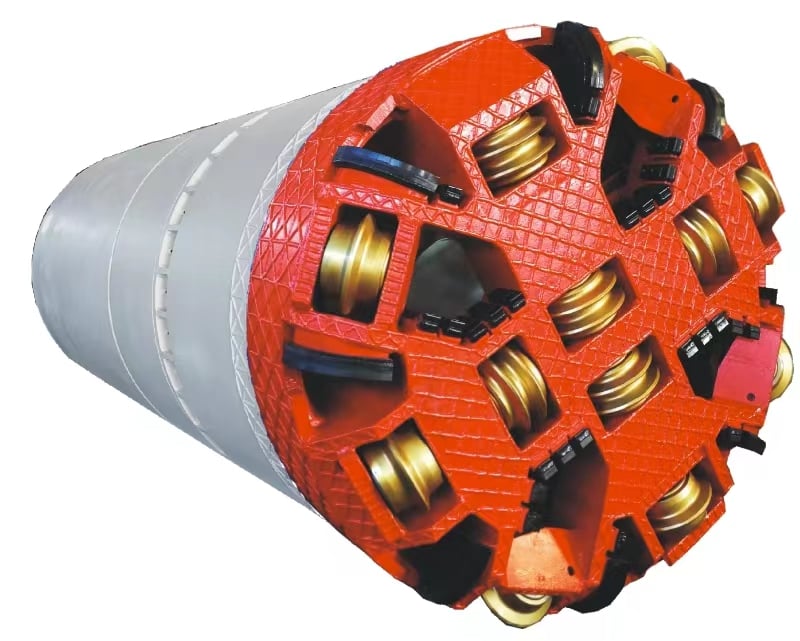
The answer is unambiguous: a properly engineered rock pipe jacking machine can indeed handle fractured rock without jamming, provided that specific design features and operational measures are implemented correctly. Modern rock pipe jacking machines incorporate advanced technologies that prevent the jamming failures that plagued earlier equipment generations. These innovations address the root causes of jamming, including debris accumulation, uneven cutter head load distribution, and inadequate slurry management in unstable formations.
Core Design Features That Prevent Jamming in Fractured Rock
Advanced Cutter Head Technology
The cutter head design of a rock pipe jacking machine fundamentally determines its ability to handle fractured rock without jamming. Modern rock pipe jacking machine configurations feature segmented, disc-style cutter arrangements that fracture rock more predictably and reduce the production of large, unmanageable fragments. These cutters maintain consistent penetration force distribution across the rock face, preventing stress concentration that would otherwise trigger jamming in fractured zones.
A rock pipe jacking machine with adaptive cutter spacing also responds effectively to sudden changes in rock quality. When the geology shifts from competent rock to a highly fractured section, the cutter head maintains breakthrough pressure without creating excessive vibration or binding. The segmented design allows individual cutter segments to respond independently, reducing the likelihood that locked fragments will jam the entire excavation.
Slurry Balance and Pressure Management
Slurry balance technology represents the most critical advancement in preventing jamming within a rock pipe jacking machine operating environment. The slurry balance system maintains chamber pressure that equals the total pressure from rock stress and groundwater, creating a stable excavation front that resists collapse and fragment dislodgement. In fractured rock, this pressure equilibrium prevents fracture surfaces from opening unexpectedly, which would otherwise trap and bind the cutter head.
When a rock pipe jacking machine encounters fractured rock strata, precise slurry viscosity and density adjustments ensure that rock chips remain suspended and transported without settling or accumulating in pressure-sensitive zones. Advanced monitoring systems integrated into modern rock pipe jacking machine systems provide real-time feedback, allowing operators to adjust slurry parameters before jamming conditions develop.
Operational Protocols That Ensure Continuous Advancement
Pre-Tunneling Geological Investigation
Successful operation of a rock pipe jacking machine in fractured rock demands comprehensive geological characterization before tunneling begins. Detailed core sampling, seismic surveys, and fracture mapping reveal the distribution, orientation, and aperture of discontinuities that will affect rock pipe jacking machine performance. This intelligence allows equipment engineers to pre-configure the rock pipe jacking machine with appropriate cutter head geometry, slurry formulations, and thrust settings.
Understanding fracture patterns also enables contractors to anticipate zones where a rock pipe jacking machine might encounter rapid changes in rock quality. In transition zones between unfractured and heavily fractured rock, modified excavation rates and enhanced slurry balance control prevent the sudden jamming events that occur when the rock pipe jacking machine encounters unexpected instability.
Real-Time Monitoring and Adaptive Response
Modern rock pipe jacking machine systems include sophisticated sensor networks that detect early jamming indicators before they escalate into operational failures. Torque sensors on the cutter head, pressure transducers in the slurry chamber, and displacement monitoring systems collectively provide operators with actionable data on rock pipe jacking machine performance. When torque increases abnormally or pressure fluctuates beyond expected parameters, trained operators adjust thrust force, slurry density, or excavation rate to prevent jamming.
This adaptive response capability ensures that a rock pipe jacking machine remains effective even as fractured rock conditions vary along the tunnel alignment. Rather than operating at fixed parameters, the rock pipe jacking machine continuously optimizes based on actual geological feedback, maintaining productivity while preventing the jamming events that would halt advancement entirely.
Material Handling and Debris Management
Efficient Rock Chip Evacuation
Jamming in a rock pipe jacking machine frequently originates from debris accumulation rather than cutter head failure. Fractured rock naturally produces a heterogeneous mix of fine particles, gravel-sized fragments, and larger blocks, and managing this mix requires specialized systems. The rock pipe jacking machine excavation chamber incorporates enlarged debris zones and improved chip transport pathways that accommodate the wider particle size distribution inherent to fractured rock.
Screw conveyor systems downstream of the rock pipe jacking machine chamber maintain high throughput by rapidly evacuating material before settlement or bridging can occur. Enhanced slurry circulation velocities within the rock pipe jacking machine chamber keep heavier chips in suspension, preventing the jamming layers that would otherwise develop in conventional equipment.
Prevention of Void Formation and Collapse
In fractured rock, unexpected void collapse above the rock pipe jacking machine can introduce material into the excavation chamber, causing immediate jamming. A rock pipe jacking machine equipped with advanced slurry balance and pressure relief systems prevents voids from destabilizing by maintaining support pressure against the surrounding fractured formation. When fractures are open or partially filled with weaker material, the rock pipe jacking machine automatically adjusts parameters to prevent entry of extraneous material into the cutting chamber.
This preventive approach distinguishes modern rock pipe jacking machine equipment from earlier designs, which relied solely on mechanical strength to force through obstructions. Contemporary rock pipe jacking machine systems recognize that fractured rock requires active pressure management alongside robust mechanical design.
FAQ
Can a rock pipe jacking machine work in highly fractured rock with wide discontinuities?
Yes, a rock pipe jacking machine can operate in highly fractured rock if the fracture spacing, aperture, and infill material are evaluated during design. Very wide fractures that exceed the cutter head engagement depth require specialized configurations, such as temporary probe holes or enhanced probe drilling systems integrated into the rock pipe jacking machine. The rock pipe jacking machine can manage fractured rock successfully when contractors implement appropriate pre-tunneling investigation and equipment adaptation strategies specific to the fractured conditions.
What maintenance requirements does a rock pipe jacking machine need when working in fractured rock?
A rock pipe jacking machine operating in fractured rock requires increased maintenance frequency compared to operations in competent strata. Cutter head inspection should occur after each shift or when performance indicators suggest wear, as fragmented rock creates sharper cutting surfaces and more rapid wear patterns. Slurry system maintenance becomes critical, including regular filter media replacement and slurry density monitoring, because the higher production rate of fine particles in fractured rock rapidly degrades slurry performance if not actively managed.
How does a rock pipe jacking machine prevent jamming when transitioning from fractured rock to unfractured rock?
Transition zones between fractured and unfractured rock represent critical jamming risks, and a rock pipe jacking machine addresses this through automated pressure and rate adjustment systems. When the rock pipe jacking machine encounters the transition, real-time torque and pressure monitoring trigger immediate slurry adjustments and reduced excavation rates, preventing the sudden mechanical shock that would cause jamming. Experienced operators also reduce advance rates manually during transition zones, allowing the rock pipe jacking machine to maintain stable performance as geology changes rapidly.
Table of Contents
- Core Design Features That Prevent Jamming in Fractured Rock
- Operational Protocols That Ensure Continuous Advancement
- Material Handling and Debris Management
-
FAQ
- Can a rock pipe jacking machine work in highly fractured rock with wide discontinuities?
- What maintenance requirements does a rock pipe jacking machine need when working in fractured rock?
- How does a rock pipe jacking machine prevent jamming when transitioning from fractured rock to unfractured rock?