
 EN
 AR
 BG
 HR
 CS
 FR
 DE
 EL
 HI
 IT
 JA
 KO
 RO
 RU
 ES
 TL
 ID
 LT
 SK
 SL
 UK
 VI
 ET
 TH
 TR
 FA
 AF
 MS
 HY
 AZ
 KA
 BN
 LO
 LA
 MN
 NE
 MY
 KK
 UZ
 KY
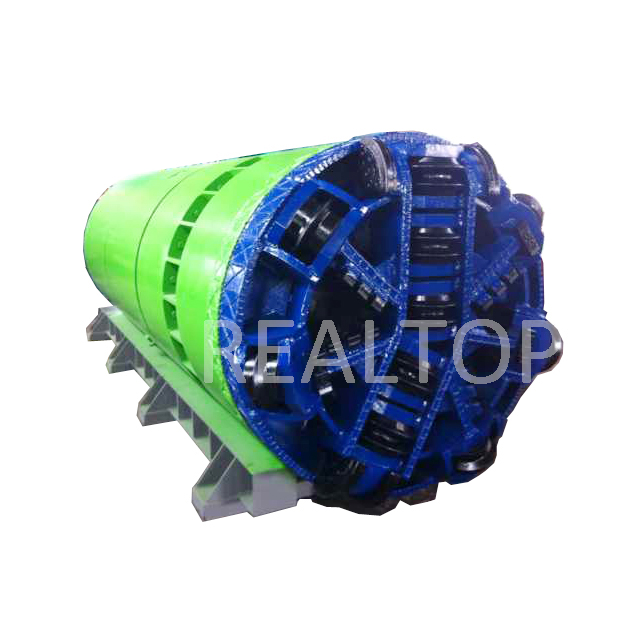
When selecting equipment for underground utility installation, understanding which applications best suit a slurry balance pipe jacking machine with small diameter is critical to project success and cost efficiency. A slurry balance pipe jacking machine represents a sophisticated solution for horizontal boring and pipe installation, particularly in constrained urban environments where traditional trenching methods prove impractical or prohibitively expensive. The small diameter variant of a slurry balance pipe jacking machine addresses specific operational contexts, geological conditions, and infrastructure requirements that differ substantially from larger-scale systems.
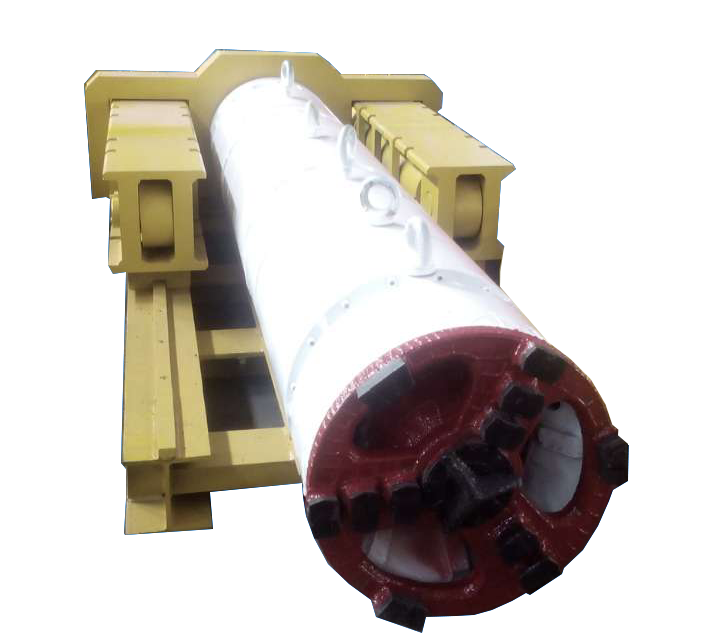
The deployment of a slurry balance pipe jacking machine with small diameter diameter has become increasingly valuable across multiple sectors including municipal water management, telecommunications infrastructure, gas distribution networks, and industrial utility corridors. Understanding the technical characteristics, operational constraints, and ideal application scenarios enables project managers and engineers to make informed equipment selection decisions that optimize both technical performance and financial outcomes. This guide explores the key applications, operational advantages, and implementation considerations that define when a slurry balance pipe jacking machine is the optimal choice for small diameter underground infrastructure projects.
Primary Application Sectors for Small Diameter Slurry Balance Pipe Jacking
Municipal Water and Sewage Infrastructure
Municipal water distribution and sewage collection systems represent the dominant application domain for small diameter slurry balance pipe jacking machine deployment. Water utilities across urban and suburban environments require continuous network expansion and rehabilitation to serve growing populations and aging infrastructure replacement demands. A slurry balance pipe jacking machine excels in these contexts because municipal pipe diameters typically range from 300mm to 1200mm, exactly matching the operational window where small diameter variants deliver superior productivity and cost-effectiveness. The slurry balance pipe jacking machine maintains precise horizontal alignment and depth control essential for gravity-flow sewage systems while simultaneously managing groundwater pressure, which is particularly critical in applications beneath high water tables or near surface water bodies.
Telecommunications and Cable Installation
Telecommunications providers and broadband infrastructure developers increasingly rely on a slurry balance pipe jacking machine for installing protective ducts beneath congested urban environments where surface installation proves impossible or economically unfeasible. The slurry balance pipe jacking machine can install multiple small-diameter conduit pipes in a single drive cycle, enabling efficient deployment of fiber optic cables, power supplies, and backup infrastructure across metropolitan areas. Telecommunications companies benefit from the reduced surface disturbance and compressed project timelines that a slurry balance pipe jacking machine provides, allowing them to maintain traffic flow and minimize disruption to surrounding commercial activity during installation.
Geological and Environmental Suitability Factors
Soil Conditions and Ground Stability
The effectiveness of a slurry balance pipe jacking machine depends heavily on the soil composition and geological profile encountered during boring operations. Small diameter projects frequently traverse mixed soil environments including clay, silt, sand, and gravel, conditions where a slurry balance pipe jacking machine demonstrates particular advantages through its ability to manage variable ground pressure and control pore fluid pressure dynamically. The slurry balance pipe jacking machine utilizes pressurized slurry at the cutting face to counterbalance earth and water pressure, preventing ground collapse, subsidence, and uncontrolled water inflow regardless of the specific soil layers encountered. This pressure-balancing mechanism makes a slurry balance pipe jacking machine the preferred technology in urban areas where surface settlement represents an unacceptable risk to existing buildings, utilities, and infrastructure.
High Water Table and Confined Aquifer Applications
Projects requiring pipe installation below the water table or through saturated soil zones represent critical application scenarios where a slurry balance pipe jacking machine delivers substantial technical and economic advantages compared to open-cut excavation or simple shield tunnel methods. The slurry balance pipe jacking machine maintains continuous pressure equilibrium at the excavation face, preventing groundwater inflow, ground heave, and loss of ground that would otherwise compromise project safety and timeline predictability. In regions with shallow water tables or multiple confined aquifers, a slurry balance pipe jacking machine enables municipalities and utility companies to install infrastructure cost-effectively without extensive dewatering requirements, environmental mitigation measures, or construction delays caused by unexpected groundwater encounters.
Project Scale and Urban Deployment Context
Dense Urban Infrastructure Networks
Dense urban environments characterized by existing utility congestion, limited surface access, and high-value aboveground infrastructure represent the ideal deployment context for a slurry balance pipe jacking machine with small diameter capability. Cities and metropolitan areas require continuous utility infrastructure upgrade and expansion to support population growth, economic development, and digital infrastructure deployment, creating sustained demand for technologies like a slurry balance pipe jacking machine that minimize surface disruption and social cost. The slurry balance pipe jacking machine can navigate beneath major transportation corridors, historic building districts, parks, and commercial areas where traditional excavation methods would cause unacceptable disruption, environmental impact, or safety hazards.
Constrained Access and Spatial Limitations
Projects with severe site access constraints, minimal working space availability, or complex above-ground spatial limitations frequently depend on a slurry balance pipe jacking machine because the technology requires substantially smaller surface footprints compared to open-cut installation methods. The compact operational envelope of a slurry balance pipe jacking machine allows installation equipment to function within limited urban sites, parking areas, and congested commercial zones where larger equipment cannot physically operate. This spatial efficiency translates directly to reduced land acquisition requirements, lower temporary site costs, and accelerated project schedules because a slurry balance pipe jacking machine can be mobilized quickly and begin productive boring operations within confined work areas.
Technical Performance and Economic Advantages
Precision Alignment and Depth Control Requirements
Applications demanding strict adherence to horizontal and vertical alignment tolerances benefit substantially from a slurry balance pipe jacking machine because the technology provides continuous real-time steering correction and position monitoring throughout the boring process. Telecommunications duct installations, water distribution networks serving large commercial complexes, and industrial utility systems frequently require precise grade control to optimize flow characteristics, minimize pressure losses, or satisfy specific operational requirements. A slurry balance pipe jacking machine maintains alignment accuracy measured in tens of millimeters across installation distances exceeding 300 meters, delivering the geometric precision that modern utility infrastructure demands while minimizing rework, operational inefficiencies, and system performance degradation.
Environmental Protection and Regulatory Compliance
Environmental regulations governing groundwater protection, hazardous waste containment, and air quality standards increasingly favor technologies like a slurry balance pipe jacking machine that eliminate dust generation, minimize groundwater disturbance, and reduce site-based material handling. A slurry balance pipe jacking machine operates as a contained system with managed slurry circulation, separation, and disposal procedures that comply with environmental regulations while maintaining worker safety standards. Projects in sensitive environmental zones, near contaminated sites, or adjacent to protected ecosystems benefit from deploying a slurry balance pipe jacking machine because the technology's enclosed operation prevents contaminant mobilization and protects groundwater resources from installation-related degradation.
FAQ
What soil types work best with a slurry balance pipe jacking machine?
A slurry balance pipe jacking machine performs optimally in mixed soil conditions including clay, silt, sand, and gravel because the slurry pressure management system can dynamically adjust to varying ground pressures and permeability characteristics. The slurry balance pipe jacking machine struggles in highly permeable gravel-dominant zones or exceptional rock formations but excels in typical urban soil profiles where composition varies unpredictably with depth.
Can a slurry balance pipe jacking machine operate in shallow water table conditions?
Yes, a slurry balance pipe jacking machine is specifically designed for shallow water table applications where groundwater pressures would cause problems for conventional boring methods. The slurry balance pipe jacking machine maintains continuous pressure equilibrium that prevents water inflow, ground heave, and subsidence, making it ideal for saturated soil installation projects across urban and suburban environments.
What installation distances are practical for small diameter slurry balance pipe jacking machine systems?
Small diameter slurry balance pipe jacking machine installations typically range from 150 to 400 meters per drive depending on soil conditions, equipment configuration, and surface access constraints. The slurry balance pipe jacking machine can achieve distances exceeding 500 meters in favorable geological conditions, though intermediate reception pits and equipment repositioning may be necessary for very long drives using a slurry balance pipe jacking machine.