
 EN
EN
 AR
AR BG
BG HR
HR CS
CS FR
FR DE
DE EL
EL HI
HI IT
IT JA
JA KO
KO RO
RO RU
RU ES
ES TL
TL ID
ID LT
LT SK
SK SL
SL UK
UK VI
VI ET
ET TH
TH TR
TR FA
FA AF
AF MS
MS HY
HY AZ
AZ KA
KA BN
BN LO
LO LA
LA MN
MN NE
NE MY
MY KK
KK UZ
UZ KY
KY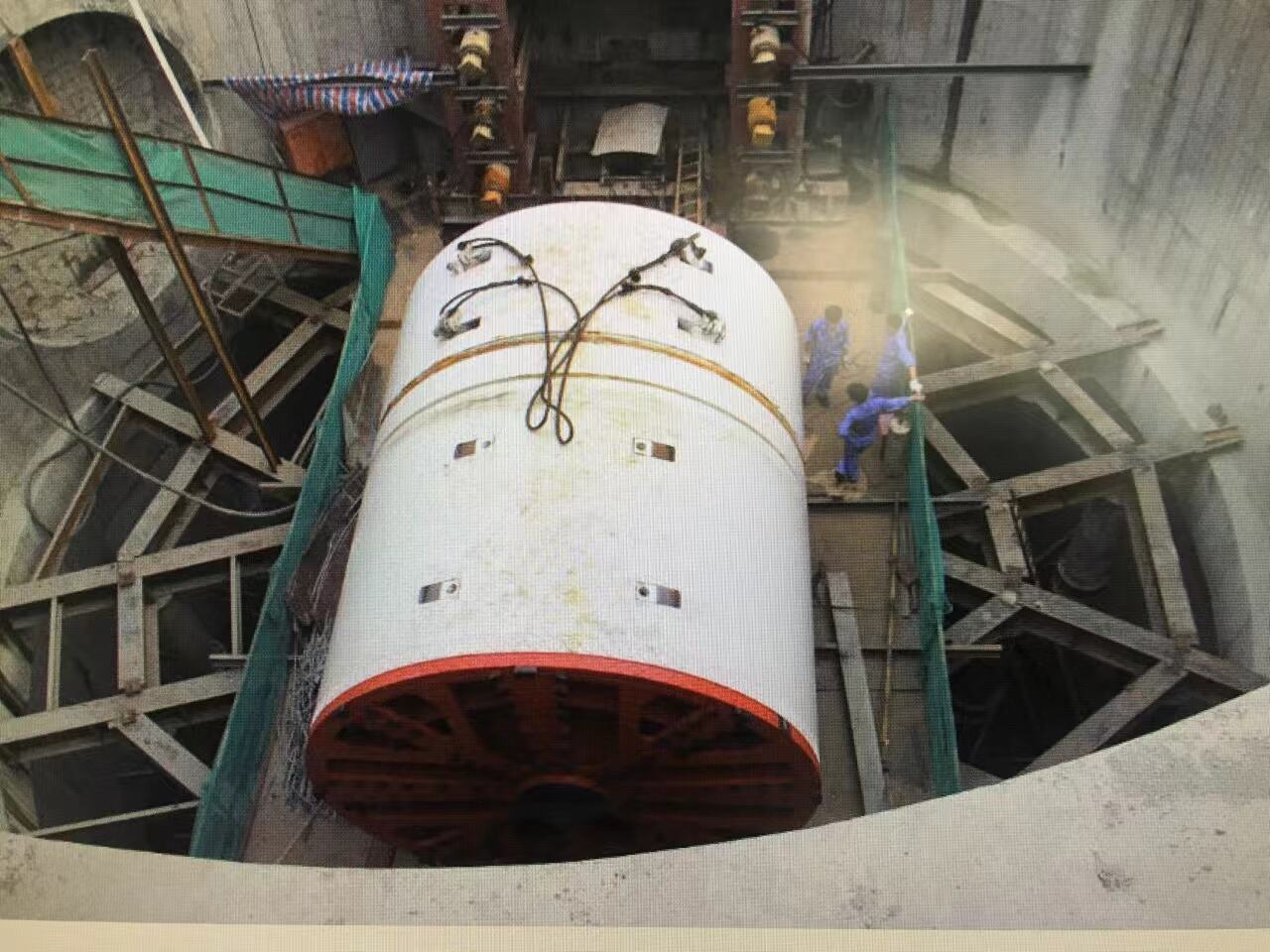
Operasi jack pipa batuan menuntut keandalan peralatan yang luar biasa serta pemantauan berkelanjutan terhadap komponen aus kritis guna memastikan kinerja optimal dalam kondisi bawah tanah yang menantang. Mesin jack pipa batuan beroperasi di bawah tekanan ekstrem, memotong formasi batuan padat sekaligus memasang infrastruktur pipa. Memahami suku cadang aus mana yang memerlukan pemeriksaan berkala sangat penting untuk menjaga efisiensi operasional dan mencegah waktu henti yang mahal selama proyek konstruksi terowongan.
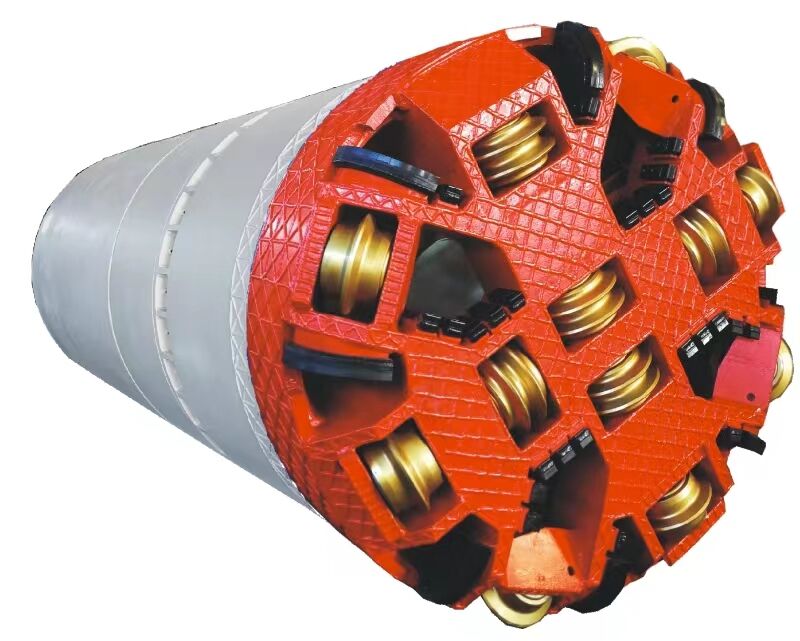
Kerumitan penggalian batuan menimbulkan tantangan unik yang membedakan operasi penyetelan pipa melalui batuan dari teknik pengeboran tanah konvensional. Formasi batuan keras menyebabkan keausan signifikan pada alat pemotong, sistem penyegelan, dan komponen mekanis sepanjang proses pengeboran terowongan. Protokol inspeksi rutin menjadi sangat penting untuk mengidentifikasi tanda-tanda awal degradasi sebelum berkembang menjadi kegagalan mekanis besar yang dapat menghentikan kemajuan proyek.
Komponen Sistem Pemotong dan Persyaratan Inspeksinya
Alat Pemotong Utama dan Mata Pemotong Cakram
Rangkaian kepala pemotong merupakan komponen aus paling kritis pada setiap mesin jacking pipa batuan, sehingga memerlukan inspeksi visual harian dan analisis terperinci mingguan. Mata bor cakram mengalami gaya ekstrem saat menembus formasi batuan keras, yang menyebabkan pola keausan bertahap yang harus dipantau secara terus-menerus. Operator harus memeriksa tepi cakram pemotong untuk mendeteksi keretakan, kepingan, atau keausan berlebih yang dapat mengurangi efisiensi pemotongan serta berpotensi merusak struktur kepala pemotong.
Geometri alat pemotong berubah secara signifikan selama penggalian batuan, dengan berkurangnya diameter cakram menjadi indikator utama kemajuan keausan. Pengukuran ketebalan dan diameter cakram secara berkala memberikan data kuantitatif untuk menentukan waktu penggantian serta menjaga kinerja pemotongan optimal. Operasi jacking pipa batuan tingkat lanjut sering menggunakan sistem pengukuran laser untuk melacak keausan alat pemotong tanpa perlu mematikan mesin guna inspeksi manual.
Struktur Kepala Pemotong dan Sistem Pendukung
Rumah kepala pemotong dan kerangka pendukung mengalami tekanan sangat besar selama operasi pemotongan batuan, sehingga pemeriksaan integritas struktural menjadi penting untuk memastikan operasi yang aman. Sambungan las, braket pemasangan, dan pelat penguat harus diperiksa guna mendeteksi pembentukan retakan, deformasi, atau kelepasan yang berpotensi menyebabkan kegagalan struktural total. Inspeksi visual dengan menggunakan pengujian penetrasi zat pewarna atau pengujian partikel magnetik membantu mengidentifikasi retakan akibat tegangan sebelum merambat ke elemen struktural kritis.
Rangkaian bantalan dalam sistem rotasi kepala pemotong memerlukan pemantauan pelumasan yang sering serta analisis suhu guna mencegah kegagalan dini. Pengoperasian pada suhu tinggi menunjukkan degradasi bantalan atau pelumasan yang tidak memadai—kedua kondisi ini dapat dengan cepat menyebabkan terkuncinya total kepala pemotong. Analisis getaran memberikan peringatan dini terhadap pola keausan bantalan dan membantu menyusun jadwal perawatan prediktif secara optimal mesin penggerak pipa batu kinerja.
Titik Keausan dan Pemantauan Sistem Hidrolik
Komponen Hidrolik Tekanan Tinggi
Silinder hidrolik yang menggerakkan sistem dorong pengangkat mengalami tekanan ekstrem selama penetrasi batuan, sehingga integritas segel dan kondisi dinding silinder menjadi titik inspeksi kritis. Kontaminasi fluida hidrolik akibat infiltrasi serpihan batuan dapat mempercepat keausan segel dan menyebabkan goresan internal pada dinding silinder. Pengambilan dan analisis sampel fluida hidrolik harian membantu mengidentifikasi tingkat kontaminasi serta degradasi segel sebelum terjadi kegagalan komponen utama.
Katup pelepas tekanan dan sistem pengendali aliran memerlukan pengujian kalibrasi berkala untuk memastikan perlindungan sistem yang memadai selama kondisi beban puncak. Operasi pengangkatan pipa batuan sering kali melebihi parameter desain normal sistem hidrolik, sehingga pengendalian tekanan yang akurat menjadi esensial guna mencegah kelebihan beban sistem. Pola keausan pompa hidrolik harus dipantau melalui pengukuran laju aliran dan analisis perbedaan tekanan di sepanjang rakitan pompa.
Sistem Cairan Hidrolik dan Filtrasi
Pengendalian kontaminasi menjadi khususnya menantang dalam aplikasi penyetelan pipa dengan metode jacking batuan, di mana partikel halus batuan dapat masuk ke dalam sistem hidrolik melalui segel yang rusak atau filtrasi yang tidak memadai. Frekuensi pemeriksaan dan penggantian elemen filter biasanya meningkat selama operasi batuan dibandingkan dengan aplikasi pengeboran tanah. Analisis cairan hidrolik harus mencakup pengukuran jumlah partikel dan pengujian komposisi kimia untuk mengidentifikasi tren keausan sistem.
Pemantauan suhu cairan hidrolik memberikan wawasan mengenai efisiensi sistem dan laju keausan komponen sepanjang proses jacking pipa batuan. Suhu cairan yang meningkat menunjukkan peningkatan gesekan internal akibat komponen yang aus atau kapasitas pendinginan yang tidak memadai. Efektivitas heat exchanger harus dievaluasi secara berkala guna mempertahankan suhu operasi optimal selama operasi pemotongan batuan yang berkepanjangan.
Sistem Dorong dan Komponen Penanganan Pipa
Rangka Dorong dan Distribusi Gaya Dorong
Rangka pengangkat utama mengalami gaya tekan yang sangat besar selama pemasangan pipa melalui formasi batuan, sehingga memerlukan inspeksi menyeluruh terhadap las struktural dan sistem distribusi beban. Penyelarasan rangka harus diverifikasi secara berkala guna mencegah pembebanan tidak merata yang berpotensi menyebabkan kegagalan struktural atau kerusakan pada sambungan pipa. Kondisi bantalan dorong secara langsung memengaruhi distribusi beban di sepanjang segmen pipa dan memerlukan inspeksi rutin terhadap keausan atau deformasi.
Penyelarasan silinder dorong serta kondisi segelnya menjadi faktor kritis dalam menjaga keseragaman gaya pemasangan pipa selama operasi jacking pipa di formasi batuan. Silinder dorong yang tidak terselaraskan akan menciptakan pola pembebanan tidak merata yang dapat merusak sambungan pipa atau menyebabkan penyimpangan terowongan. Sistem pelindung batang silinder hidrolik harus diperiksa untuk mendeteksi kerusakan yang berpotensi memungkinkan kontaminan masuk ke dalam sistem segel.
Sistem Penanganan dan Pemuatan Pipa
Peralatan pemuatan pipa mengalami peningkatan keausan selama operasi di formasi batuan akibat waktu siklus yang lebih panjang dan tekanan operasional yang lebih tinggi. Sistem derek, manipulator pipa, serta peralatan posisioning memerlukan inspeksi dan perawatan yang lebih sering dalam kondisi batuan yang menantang. Pola keausan pada peralatan penanganan pipa sering kali mencerminkan tingkat stres keseluruhan sistem dan membantu memprediksi kebutuhan perawatan untuk seluruh rangkaian mesin jacking pipa di formasi batuan.
Sistem penyegelan sambungan pipa menghadapi tantangan tambahan dalam aplikasi batuan, di mana pergerakan tanah dan getaran dapat memberi tekanan pada sambungan fleksibel. Inspeksi rutin terhadap integritas sambungan pipa membantu mencegah infiltrasi air tanah serta menjaga stabilitas terowongan sepanjang proses pemasangan. Penyelarasan segmen pipa harus dipantau secara terus-menerus guna mengidentifikasi lendutan atau deformasi yang dapat mengindikasikan beban tanah berlebih atau masalah pemasangan.
Manajemen Lumpur dan Sistem Penanganan Puing
Peralatan Pengolahan Lumpur
Manajemen puing batuan menimbulkan tantangan unik bagi sistem pengolahan slurry, dengan peningkatan keausan abrasif pada komponen pompa dan peralatan pemisah. Pompa sentrifugal yang menangani slurry batuan memerlukan inspeksi impeler untuk mendeteksi kerusakan akibat erosi serta keausan volute yang mengurangi efisiensi pemompaan. Ketebalan badan pompa harus diukur secara berkala guna mengidentifikasi pola keausan dan memprediksi waktu penggantian sebelum terjadinya kegagalan kritis.
Sistem saringan pemisah mengalami keausan cepat saat mengolah partikel batuan keras, sehingga memerlukan penggantian mesh secara berkala serta inspeksi integritas struktural. Tingkat getaran kotak saringan harus dipantau untuk mengidentifikasi keausan bantalan atau longgarnya struktur yang dapat memengaruhi efisiensi pemisahan. Keefektifan penghilangan puing batuan secara langsung berdampak pada sistem pendingin dan pelumasan kepala potong selama proses pipe jacking.
Komponen Sirkuit Slurry
Pipa dan fitting untuk transportasi slurry mengalami kondisi abrasi berat selama operasi penyetelan pipa batuan (rock pipe jacking), sehingga pemantauan ketebalan dinding menjadi penting guna mencegah kegagalan sistem. Jalur pipa harus diperiksa untuk memastikan tidak terdapat getaran berlebih atau titik konsentrasi tegangan yang dapat mempercepat keausan. Akurasi pengukuran aliran membantu mengidentifikasi penyumbatan atau penurunan efisiensi akibat keausan dalam sistem sirkulasi slurry.
Sistem pengendali kepadatan slurry memerlukan kalibrasi berkala selama operasi batuan guna mempertahankan tekanan dukung kepala pemotong yang tepat serta kapasitas transportasi material hasil penggalian. Akurasi pengukuran kepadatan memengaruhi baik kinerja pemotongan maupun stabilitas terowongan sepanjang proses penyetelan pipa batuan (rock pipe jacking). Keausan katup pengendali dalam sistem slurry dapat secara signifikan memengaruhi responsivitas sistem dan harus dievaluasi secara rutin selama interval perawatan.
Sistem Segel dan Perlindungan Lingkungan
Rangkaian Segel Utama
Sistem penyegelan terowongan menghadapi tantangan ekstrem selama operasi penyetakan pipa batuan, di mana profil penggalian yang tidak beraturan dan puing-puing batuan dapat merusak elemen penyegel. Perakitan segel utama memerlukan inspeksi visual harian dan pengujian tekanan untuk memastikan eksklusi air tanah serta menjaga kondisi kerja yang aman. Pengukuran lendutan segel membantu mengidentifikasi kondisi beban tanah dan memprediksi kebutuhan penggantian segel.
Sistem penyegelan sekunder memberikan perlindungan cadangan terhadap infiltrasi air tanah dan harus diperiksa secara independen dari kondisi segel utama. Akumulasi puing-puing batuan di sekitar sistem penyegelan dapat menciptakan titik konsentrasi tegangan yang mempercepat degradasi segel. Pembersihan rutin dan penghilangan puing-puing dari area penyegelan membantu memperpanjang masa pakai komponen serta mempertahankan efektivitas sistem selama kondisi batuan yang menantang.
Sistem Manajemen Air Tanah
Peralatan pengeringan air beroperasi secara terus-menerus selama sebagian besar proyek penyetelan pipa batuan (rock pipe jacking), sehingga keandalan pompa dan kapasitas sistem menjadi faktor kritis bagi keberhasilan proyek. Tingkat keausan pompa umumnya meningkat selama operasi batuan akibat kontaminasi air tanah yang bersifat abrasif dan jam operasi yang diperpanjang. Pengukuran kapasitas aliran membantu mengidentifikasi degradasi pompa serta memastikan kapasitas pengeringan air yang memadai sepanjang proses pemasangan.
Sistem filtrasi air tanah memerlukan pemeliharaan lebih sering selama operasi batuan, di mana partikel halus dapat dengan cepat menyumbat elemen filter dan mengurangi kapasitas sistem. Pemantauan perbedaan tekanan pada filter memberikan indikasi dini kondisi penyumbatan serta membantu mengoptimalkan jadwal penggantian filter. Pengujian kualitas air memastikan kepatuhan terhadap persyaratan pembuangan lingkungan selama keseluruhan durasi proyek penyetelan pipa batuan (rock pipe jacking).
Perlindungan Sistem Kelistrikan dan Pengendali
Proteksi Motor dan Sistem Pendinginan
Motor listrik yang menggerakkan peralatan jacking pipa batuan menghadapi kondisi lingkungan yang keras, sehingga memerlukan sistem perlindungan dan pemantauan yang ditingkatkan. Pemantauan suhu motor menjadi sangat kritis selama operasi pemotongan batuan yang berkepanjangan, di mana beban termal dapat melebihi parameter desain normal. Pengukuran suhu bantalan dan analisis getaran membantu mengidentifikasi degradasi motor sebelum terjadinya kegagalan fatal selama fase-fase kritis proyek.
Efektivitas sistem pendingin secara langsung memengaruhi keandalan dan masa pakai motor dalam aplikasi jacking pipa batuan yang menuntut. Kebersihan heat exchanger dan laju aliran cairan pendingin harus diverifikasi secara berkala guna mempertahankan suhu operasi yang optimal. Pengujian isolasi motor membantu mengidentifikasi infiltrasi kelembapan atau degradasi termal yang berpotensi menyebabkan kegagalan listrik selama operasi.
Komponen sistem kontrol
Sistem kontrol elektronik memerlukan perlindungan tambahan selama operasi penyetelan pipa melalui batuan (rock pipe jacking), di mana getaran dan paparan debu melebihi kondisi lingkungan peralatan konstruksi biasa. Integritas penyegelan panel kontrol harus diperiksa secara berkala guna mencegah kontaminasi komponen elektronik yang sensitif. Pengujian sistem cadangan memastikan kemampuan operasi berkelanjutan selama pemeliharaan sistem utama atau kegagalan tak terduga.
Akurasi dan kalibrasi sensor menjadi semakin penting selama kondisi batuan yang menantang, di mana umpan balik sistem kontrol yang presisi memungkinkan kinerja pemotongan optimal serta perlindungan sistem. Sensor posisi, transduser tekanan, dan perangkat pengukur aliran harus dikalibrasi secara berkala guna mempertahankan akurasi sistem kontrol sepanjang jadwal proyek penyetelan pipa melalui batuan.
FAQ
Seberapa sering inspeksi cakram pemotong harus dilakukan pada mesin penyetelan pipa melalui batuan?
Pemeriksaan cakram pemotong harus dilakukan setiap hari selama operasi jacking pipa batuan aktif, dengan pengukuran dan analisis terperinci dilakukan secara mingguan. Pemeriksaan visual dapat mengidentifikasi kerusakan nyata atau keausan berlebih, sedangkan pengukuran dimensi memberikan data kuantitatif untuk perencanaan penggantian. Operasi lanjutan dapat menggunakan sistem pemantauan berkelanjutan yang melacak kondisi cakram pemotong secara waktu nyata tanpa memerlukan penghentian mesin.
Apa indikator utama keausan sistem hidrolik dalam aplikasi batuan?
Indikator utama keausan sistem hidrolik meliputi peningkatan suhu fluida, penurunan kemampuan tekanan sistem, penambahan waktu siklus, serta kontaminasi fluida hidrolik. Analisis fluida hidrolik yang menunjukkan peningkatan jumlah partikel atau kontaminasi kimia mengindikasikan keausan komponen internal. Pengukuran perbedaan tekanan di sepanjang komponen utama membantu mengisolasi lokasi keausan spesifik di dalam sistem hidrolik.
Mengapa sistem penyegelan memerlukan inspeksi lebih sering selama operasi pengeboran batuan?
Serpihan batuan dan profil penggalian yang tidak teratur menciptakan kondisi menantang bagi sistem penyegelan yang melampaui parameter desain normal. Partikel tajam batuan dapat merusak permukaan segel, sedangkan pergerakan tanah selama operasi pemotongan batuan menghasilkan kondisi beban dinamis. Variasi tekanan air tanah dan kontaminasi abrasif mempercepat keausan segel dibandingkan aplikasi pengeboran tanah konvensional.
Modifikasi jadwal perawatan apa yang direkomendasikan untuk peralatan jacking pipa pada formasi batuan?
Interval perawatan biasanya harus dikurangi sebesar 25–50% dibandingkan dengan aplikasi di tanah, tergantung pada kekerasan dan sifat abrasif batuan. Persyaratan inspeksi harian meningkat secara signifikan untuk alat pemotong, segel hidrolik, dan pelat aus. Jadwal penggantian komponen preventif harus dipercepat guna mencegah kegagalan tak terduga selama fase proyek kritis, ketika waktu henti peralatan berdampak maksimal terhadap penyelesaian proyek.
Daftar Isi
- Komponen Sistem Pemotong dan Persyaratan Inspeksinya
- Titik Keausan dan Pemantauan Sistem Hidrolik
- Sistem Dorong dan Komponen Penanganan Pipa
- Manajemen Lumpur dan Sistem Penanganan Puing
- Sistem Segel dan Perlindungan Lingkungan
- Perlindungan Sistem Kelistrikan dan Pengendali
-
FAQ
- Seberapa sering inspeksi cakram pemotong harus dilakukan pada mesin penyetelan pipa melalui batuan?
- Apa indikator utama keausan sistem hidrolik dalam aplikasi batuan?
- Mengapa sistem penyegelan memerlukan inspeksi lebih sering selama operasi pengeboran batuan?
- Modifikasi jadwal perawatan apa yang direkomendasikan untuk peralatan jacking pipa pada formasi batuan?