
 EN
EN
 AR
AR BG
BG HR
HR CS
CS FR
FR DE
DE EL
EL HI
HI IT
IT JA
JA KO
KO RO
RO RU
RU ES
ES TL
TL ID
ID LT
LT SK
SK SL
SL UK
UK VI
VI ET
ET TH
TH TR
TR FA
FA AF
AF MS
MS HY
HY AZ
AZ KA
KA BN
BN LO
LO LA
LA MN
MN NE
NE MY
MY KK
KK UZ
UZ KY
KY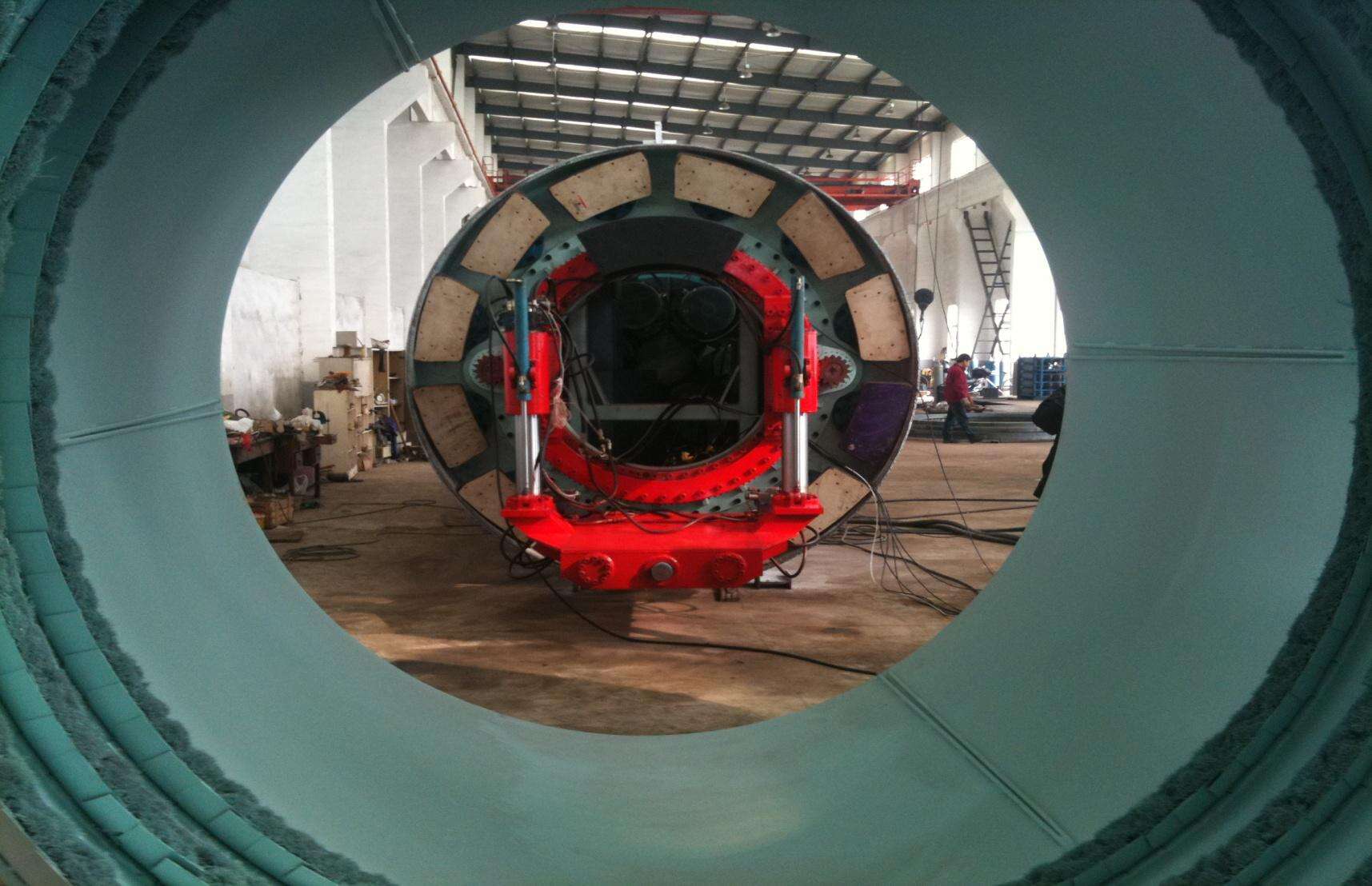
Сіздің труба жығылу машинасыңыздың сенімді жұмыс істеуі толығымен қымбатқа түсетін тоқтап қалуларды болдырмауға және тұрақты жұмыс істеу тиімділігін қамтамасыз етуге арналған жүйелік техникалық қызмет көрсету тексерістерін енгізуға байланысты. Жер асты инфрақұрылымын салу жобалары дәлдікті және үзіліссіз жұмыс істеуді талап еткенде, жобаның сәтті немесе сәтсіз болуы жиі-жілі оның құрылыс процесінің барлық кезеңінде операторлардың труба жығылу машинасын қалай жөндеуіне байланысты.
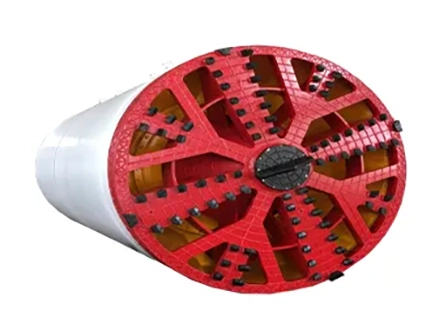
Труба жығылу жабдығы үшін кәсіби техникалық қызмет көрсету протоколдары механикалық, гидравликалық, электрлік және жер қысымын теңестіру жүйелерін қамтиды, олар ұзақ мерзімді жер асты жұмыстары кезінде гармониялық түрде жұмыс істеуі тиіс. Қандай нақты тексерістерді орындау керектігін, оларды қашан орындау керектігін және диагностикалық нәтижелерді қалай талдау керектігін түсіну құрылыс бригадаларына жабдықтың қолжетімділігін максималды деңгейде ұстауға, ал жоба мерзімінің ұзақтығын ұзартып және жұмыс істеу шығындарын көтеріп тұратын күтпеген жөндеулерді азайтуға мүмкіндік береді.
Жұмыс істеуге дейінгі қауіпсіздік пен жүйені тексеру тексерістері
Қуат жүйелері мен электрлік компоненттерді тексеру
Кез келген труба құбырларын итеру операциясын бастамас бұрын, толық электрлік жүйені тексеру сіздің труба құбырларын итеру машинасының қауіпсіздік шектерінде жұмыс істеуін және тесу процесі бойынша қуаттың оптималды берілуін қамтамасыз етеді. Бастапқыда барлық электрлік қосылыстарды, кабельдердің бүтіндігін және басқару панелінің қызмет етуін тексеріңіз, сонда жер астындағы ілгерілеудің маңызды кезеңдері кезінде жүйенің ақаулығына әкелуі мүмкін потенциалды проблемаларды анықтауға болады.
Негізгі қуат тізбегінде, электр қозғалтқыштардың қосылуында және басқару жүйесінің интерфейстерінде кернеу деңгейлерін тексеріңіз, олар өндірушінің техникалық талаптарына сай келетінін растаңыз. Туннель құрылысы жобалары кезінде жиі жиналатын ылғал немесе қиратылған материалдарға ұшырайтын аймақтарға ерекше назар аудара отырып, барлық негізгі электрлік компоненттердегі изоляциялық кедергіні тексеріңіз.
Барлық қауіпсіздік жүйелерін, авариялық тоқтату механизмдерін және сигнал беру тізбектерін сынақ процедураларына дұрыс жауап беретінін тексеріңіз. Сіздің труба жылжыту машинаңызға арналған бұл тексеру протоколына беткейдегі басқару станциялары мен жер астындағы оператордың орындары арасындағы байланыс жүйелерін сынақтан өткізу кіреді, сондықтан операцияның барлық кезеңінде сенімді ынтымақтастық қамтамасыз етіледі.
Гидравликалық жүйенің қысымы мен сұйықтық сапасын бағалау
Гидравликалық жүйенің бүтіндігі сіздің труба жылжыту машинаңызға жер астындағы жұмыстар кезінде қозғалыс қабілеті мен бағыттау дәлдігіне тікелей әсер етеді. Әрбір жұмыс кезеңін бастамас бұрын гидравликалық сұйықтық деңгейлерін, қысым көрсеткіштерін және жүйе температурасын тексеріңіз, сондықтан компоненттердің тозуы немесе ластану мәселелерінің алғашқы белгілерін уақытылы анықтауға болады.
Жоғары жүктеме кезінде жүйе қысымын бұзуы мүмкін болатын, гидравликалық шлангтарды, қосылымдарды және цилиндрдің тығыздағыштарын саңылаулар, трещиналар немесе артық тозу белгілері бойынша тексеріңіз. Негізгі итеруші цилиндрлерді, басқару механизмдерін және қосымша гидравликалық функцияларды тексеріңіз, олардың жұмыс ауқымы бойынша тегіс жауап беруі мен тұрақты қысымды сақтауына көз жеткізіңіз.
Сіздің құбырларды көтергіш машина әртүрлі топырақ жағдайлары мен жұмыс талаптары кезінде сенімді жұмыс істеуін қамтамасыз ететін ластану, тиісті тұтқырлық және температура сипаттамалары бойынша гидравликалық сұйықтық сапасын бақылаңыз.
Жер қысымының тепе-теңдік жүйесін бақылау және реттеу
Камера қысымын реттеу және сенсорлардың дәлдігі
Жер қысымын теңестіретін жүйелерге түтік жасау операциялары кезінде жүз бетінің тұрақтылығын сақтау және жердің шөгуін болдырмау үшін дәл калибрлеу мен үздіксіз бақылау қажет. Қысым сенсорларының, басқару алгоритмдерінің және реакция механизмдерінің редевизиясын ретті түрде жүргізу, түтік жасау машинасыңыздың су асты деңгейлері мен топырақ сипаттамаларына сәйкес тиісті камералық қысымдарды сақтауын қамтамасыз етеді.
Қысым сенсорларын құрылғы өндірушілері анықтаған жарамды допустим шектерінде дәлдікті тексеру үшін белгілі эталондық стандарттарға қатысты калибрлеңіз. Автоматтандырылған қысымды басқару реакцияларын әртүрлі модельделген жағдайларда сынаңыз, осылайша жүйе ілгерілеу кезінде жердің өзгеріп отыратын жағдайларына тез бейімделе алатынын қамтамасыз етіңіз.
Ұзақ мерзімді тесу операциялары барысында сенімді жұмыс істеуі қажет болатын, қабырғалар, қысымды реттеу жүйелері және материалдарды өңдеу механизмдері сияқты жер қысымын теңестіру камерасының компоненттерін тексеріңіз. Жалғастырылатын күй бақылауы үшін негізгі өнімділік деректерін орнату мақсатында қысым көрсеткіштері мен жүйенің реакцияларын құжаттаңыз.
Қазып алу және қалдықтарды алып тастау жүйесінің тексерілуі
Тиімді қалдықтарды алып тастау тәсілі тұрақты түрде түнгі құрылыс жобалары кезінде сіздің труба жығызу машинасының алға жылжу жылдамдығы мен жалпы өнімділігіне әсер етеді. Тұрақты қалдықтарды алып тастау жылдамдығын қамтамасыз ету үшін, тосылулар немесе жүйенің асырылуын туғызбайтындай конвейерлерді, винтті конвейерлерді және материалдарды өңдеу жабдықтарын тексеріңіз.
Топырақ жағдайлары мен ілгерілеу талаптарына сәйкес қазу жылдамдығын реттейтін сынақ айнымалы жылдамдықты басқару және моментті бақылау жүйелерін тексеріңіз. Материалдарды өңдеу жүйелерінің әртүрлі топырақ түрлерін, ылғалдылық мазмұнының өзгерістерін және тесу процесі кезінде кездесуі мүмкін ластанған заттарды қабылдау қабілетін тексеріңіз.
Қиып алу басының айналу механизмдерін, қиып алу құралдарының жағдайын және сіздің нақты труба жоғарылату машинасыңыздың конфигурациясы үшін оптималды жұмыс параметрлерін көрсететін тозу үлгілерін тексеріңіз. Тозған қиып алу құралдарын алмастырыңыз және қазу қабілетін тиімді сақтау үшін дұрыс момент көрсеткіштерін тексеріңіз.
Итеру және бағыттау жүйесінің өнімділігін бағалау
Негізгі итеру гидравликалық домкратының жұмысы және жүктеменің таралуы
Негізгі итеру жүйелері сіздің труба жылжыту машинаңыздың негізгі алға ығысу күшін қамтамасыз етеді және әртүрлі жер беті жағдайларында тұрақты жұмыс істеуін қамтамасыз ету үшін оларды мұқият бақылау қажет. Итеру гидравликалық домкраттарының ұзындығының өсу қарқынын, жүктеменің таралу сипатын және барлық итеру цилиндрлеріндегі қысымның тұрақтылығын тексеріңіз — бұл потенциалды реттеу ақауларын немесе компоненттердің тозуын анықтауға көмектеседі.
Итеру күштерін топырақ кедергісіне, труба үйкелісіне және машина конфигурациясының параметрлеріне қатысты бақылайтын жүктеме сынағын бақылау жүйелерін сынаңыз. Бұл деректер операторларға жылжыту қарқынын оптималды түрде реттеуге, сонымен қатар жабдыққа зиян келтіруі немесе труба жылжыту операциялары кезінде туннельдің реттелуін бұзуы мүмкін артық жүктемені болдырмауға көмектеседі.
Итеру рамасының реттелуін, труба ұстағыш жүйелерін және алға ығысу күштерін труба бөліктері бойынша тең тарататын жүктемені беру механизмдерін тексеріңіз. Дұрыс итеру жүйесінің күтімі труба жылжыту машинаңыздың тесу процесі барысында дәл реттелуді сақтауын қамтамасыз етеді және трубаларға зақым келтіруі мүмкін кернеу шоғырлануын азайтады.
Басқару механизмінің дәлдігі мен жауап беруін сынау
Басқару дәлдігі сіздің түтік жығылу машинаңыздың жер асты орнату процесі барысында жобаланған бағыттау мен көлбеулікті сақтай алуын анықтайды. Басқару цилиндрының жауап беруін, бұрылу механизмдерін және операторларға ілгерілеу кезінде дәл бағыттық түзетулер жасауға мүмкіндік беретін кері байланыс жүйелерін сынаңыз.
Лазерлік мақсаттау, инерциялық навигация және нақты уақытта бағыттауды қамтамасыз ететін орналасу бақылау құрылғыларын қоса алғанда, бағыттау жүйесінің дәлдігін растаңыз. Операторлардың туннельдің бағыттауын белгіленген шектеулер шегінде сақтай алуы үшін басқару элементтерін белгілі салыстыру нүктелеріне қатысты калибрлеңіз.
Түтік жығылу машинасының жұмысы кезінде типтік болып табылатын жоғары қысымды жағдайларда сенімді жұмыс істеуі қажет болатын басқару цилиндрының тығыздағыштарын, гидравликалық қосылыстарды және басқару клапандарының жауап беруін тексеріңіз. Басқару жауап беру сипаттамаларын құжаттаңыз және оларды әдетте қолданылатын техникалық сипаттамалармен салыстырып, мүмкін болатын техникалық қызмет көрсету талаптарын анықтаңыз.
Майлау жүйелері мен тозуға ұшыраған компоненттерді бағалау
Түтік сыртқы майлау жүйесінің қызметі
Түтіктің сыртқы бетін майлап отыру түтікті жерге қағу операциялары кезінде үйкеліс күштері мен алға ығысу күштерін әлдеқайда азайтады, сондықтан түтікті жерге қағу машинасының тиімді жұмыс істеуі үшін майлау жүйесін ретті түрде қолданып, техникалық қызмет көрсету өте маңызды. Түтіктің сыртқы бетіне май қабатын тұрақты түрде беру үшін майлау сорғыларын, тарату желілерін және инъекция нүктелерін тексеріңіз.
Майлау жүйесінің қысымын, ағыс жылдамдығын және тарату сипаттамаларын сынаңыз — олар түтіктің толық сыртқы шеңберін біркелкі қамтуы тиіс. Майлау материалдарының топырақпен сәйкестігі, экологиялық талаптарға сәйкестігі және күтілетін жұмыс жағдайларындағы өнімділік сипаттамаларына сай келетінін растаңыз.
Тұрақты тесу операциялары кезінде труба жетектеу машинасыңыздың жүйе тиімділігін көрсететін және техникалық қызмет көрсету қажеттіліктерін болжауға көмектесетін сұйықтандырғыштың тұтыну деңгейлері мен инжекция қысымын бақылаңыз. Арнайы сұйықтандырғыш құрамдары қажет болатын жобалар үшін сұйықтандырғыш қорын жеткілікті деңгейде ұстаңыз және араластыру жабдығының жұмыс істеуін тексеріңіз.
Қиғыш басы мен жетектеу компоненттерін тексеру
Труба жетектеу операциялары кезінде қиғыш басы компоненттері ең жоғары тозу деңгейіне ұшырайды және қазу тиімділігін сақтау мен жабдық зақымдануын болдырмау үшін жүйелі тексеруді талап етеді. Қиғыш құралдарын, тозуға төзімді пластиналарды және подшипник жүйелерін артық тозу белгілері, зақымдану немесе өнімділіктің төмендеуінің белгілері бойынша зерттеңіз.
Құбырды жығу машинасыңыздың жұмыс істеуі кезінде өнімділікті оптималдауға және тоқтатуларды азайтуға бағытталған қиылатын құралдардың тозу үлгілері мен алмастыру мерзімдерін өлшеңіз. Болжамды техникалық қызмет көрсету жоспарларын құру үшін әртүрлі топырақ жағдайларындағы құралдың қызмет ету мерзімін құжаттаңыз, ол бұл критикалық жобалық кезеңдерде күтпеген ақауларды болдырмауға мүмкіндік береді.
Қиылатын бас бөліктерге қуатты сенімді түрде беруге қажетті жетек қозғалтқышының қосылуларын, тісті беріліс қорабының жағдайын және моментті беру компоненттерін тексеріңіз. Компоненттердің тозуы немесе орналасуындағы ақаулардың алғашқы белгілерін анықтау үшін жетектің тербеліс деңгейін, температура көрсеткіштерін және майлау жағдайын бақылаңыз.
Жұмыс істеу деректерін талдау және болжамды техникалық қызмет көрсету
Жұмыс істеу параметрлерінің бағытын бақылау және талдау
Жүйелік деректерді жинау мен талдау сіздің труба жығылу машинасының жұмысы үшін сенімділікті максималдайтын және күтпеген тоқтап қалуларды азайтатын болжамдық техникалық қызмет көрсету стратегияларын қамтамасыз етеді. Әртүрлі жұмыс жағдайларында алдыңғы жылдамдықтар, итеруші күштер, басқару реакциялары және жүйе қысымдары үшін негізгі өнімділік параметрлерін орнатыңыз.
Компоненттердің тозуын, жүйенің нашарлауын немесе назар аударуды қажет ететін жұмыс істеу мәселелерін көрсетуі мүмкін бавыршақ өзгерістерді анықтау үшін уақыт өте келе өнімділік бағыттарын бақылаңыз. Құрылымдық сипаттамалар мен тарихи деректерге қарағанда нақты өнімділікті салыстырыңыз, сонда техникалық қызмет көрсету интервалдарын оптималдандыруға және қымбат тұратын жөндеулерді болдырмауға болады.
Труба жығылу машинаңызда пайда болуы мүмкін мәселелердің ерте белгілерін вибрациялық талдау, температураны бақылау және қысымды бақылау арқылы анықтайтын жағдай бақылау протоколдарын енгізіңіз; бұл операциялық үзілістерге немесе қауіпсіздік мәселелеріне әкелмейтіндей уақытылы шаралар қабылдауға мүмкіндік береді.
Техникалық қызмет көрсету кестесін оптималдау және құжаттау
Тиімді жөндеу жоспарлауы компоненттердің сенімділігі талаптары мен қызмет көрсету қажеттіліктерін теңестіреді, сондықтан сіздің труба жығысу машинаңыз қажет болған кезде қолжетімді болады және қажетті алдын-ала жөндеу қызметін алады. Жөндеу күнтізбелерін жұмыс істеу сағаттарына, алдыға ығысу арақашықтығына, топырақ жағдайларына және өндірушінің ұсыныстарына сүйене отырып құрыңыз.
Кепілдік талаптарын қолдауға және қайта сату құнын сақтауға көмектесетін толық қызмет тарихын құру үшін барлық жөндеу іс-шараларын, компоненттердің ауыстырылуын және өнімділік байқауларын құжаттаңыз. Маңызды компоненттер үшін бөлшек қоры, тағам берушілер туралы мәліметтер мен авариялық жөндеу процедуралары туралы толық жазбаларды сақтаңыз.
Құрылыс жұмыстарының жылжуына әсер етуді азайту үшін жөндеу жоспарларын жоба мерзімімен үйлестіріңіз, сонымен қатар сіздің труба жығысу машинаңыз қажетті қызмет көрсетуді алады. Жабдықтың қолжетімділігін оптималды ету үшін негізгі жөндеу іс-шараларын жоба бойынша белгіленген перерывтар кезінде немесе әртүрлі бұрғылау кезеңдері арасында жоспарлаңыз.
Жиі қойылатын сұрақтар
Труба жоғарылату машинасыңызға толық техникалық қызмет көрсету тексерістерін қанша сағат сайын жүргізу керек?
Толық техникалық қызмет көрсету тексерістері әрбір смена басталғаннан бұрын жүргізілуі керек, ал толық тексерістер аптасына бір рет немесе топырақ жағдайлары мен жұмыс интенсивтілігіне байланысты әрбір 40–50 жұмыс сағатынан кейін жүргізілуі керек. Маңызды қауіпсіздік жүйелері күндік тексеруден өтуі керек, ал жеке компоненттердің толық тексерістері өндірушінің ұсынған нұсқауларына сәйкес жүргізілуі керек — негізгі жүйелер үшін ол әдетте 100–250 жұмыс сағаты аралығында болады.
Кездейсоқ тоқтап қалуға әкелуі мүмкін ең маңызды техникалық қызмет көрсету элементтері қандай?
Труба жоғарылату операциялары кезінде кездейсоқ тоқтап қалуға ең көп таралған себептер гидравликалық жүйелердің ақауы, кесу басының подшипниктеріндегі ақаулар және жер қысымын теңестіру датчиктерінің ақаулары болып табылады. Гидравликалық сұйықтықтың күйін, подшипниктердің температурасын және қысым датчиктерінің калибрлеуін ретті тексеру аталған ақаулардың ірі жөндеу мерзімін талап ететін апаттарға айналуын болдырмауға көмектеседі.
Мен арнайы жабдықтар мен дайындықсыз көпшілік техникалық қызмет көрсету тексерістерін орындай аламын ба?
Көрінетін тексерістер, сұйық деңгейлерін тексеру және қауіпсіздік жүйелерін сынау сияқты негізгі күндік тексерістерді стандартты құралдар мен жұмыс істеу тәртібін қолданатын дайындалған операторлар орындай алады. Алайда, гидравликалық қысымды сынау, электрлік жүйелерді диагностикалау және бағыттау жүйелерін дәл реттеу үшін дәл нәтижелерге және қауіпсіз жұмыс жағдайларына қамқорлық ететін арнайы жабдықтар мен техникалық біліктілік қажет.
Труба жоғарылату машиналары үшін қандай топырақ жағдайлары техникалық қызмет көрсету талаптарына әсер етеді?
Қиыршықты топырақтар, жоғары су деңгейі және әртүрлі жер құрамы кесу құралдарына, тығыздау жүйелеріне және жер қысымын теңестіру компоненттеріне тез тозу әсерін тигізеді. Қиын топырақ жағдайларындағы жобаларда компоненттерді жиірек тексеру, техникалық қызмет көрсету аралықтарын қысқарту және сенімді жұмыс істеуді қамтамасыз ету үшін арнайы майлау немесе қорғау шаралары қажет болуы мүмкін.
Мазмұны
- Жұмыс істеуге дейінгі қауіпсіздік пен жүйені тексеру тексерістері
- Жер қысымының тепе-теңдік жүйесін бақылау және реттеу
- Итеру және бағыттау жүйесінің өнімділігін бағалау
- Майлау жүйелері мен тозуға ұшыраған компоненттерді бағалау
- Жұмыс істеу деректерін талдау және болжамды техникалық қызмет көрсету
-
Жиі қойылатын сұрақтар
- Труба жоғарылату машинасыңызға толық техникалық қызмет көрсету тексерістерін қанша сағат сайын жүргізу керек?
- Кездейсоқ тоқтап қалуға әкелуі мүмкін ең маңызды техникалық қызмет көрсету элементтері қандай?
- Мен арнайы жабдықтар мен дайындықсыз көпшілік техникалық қызмет көрсету тексерістерін орындай аламын ба?
- Труба жоғарылату машиналары үшін қандай топырақ жағдайлары техникалық қызмет көрсету талаптарына әсер етеді?