
 EN
EN
 AR
AR BG
BG HR
HR CS
CS FR
FR DE
DE EL
EL HI
HI IT
IT JA
JA KO
KO RO
RO RU
RU ES
ES TL
TL ID
ID LT
LT SK
SK SL
SL UK
UK VI
VI ET
ET TH
TH TR
TR FA
FA AF
AF MS
MS HY
HY AZ
AZ KA
KA BN
BN LO
LO LA
LA MN
MN NE
NE MY
MY KK
KK UZ
UZ KY
KY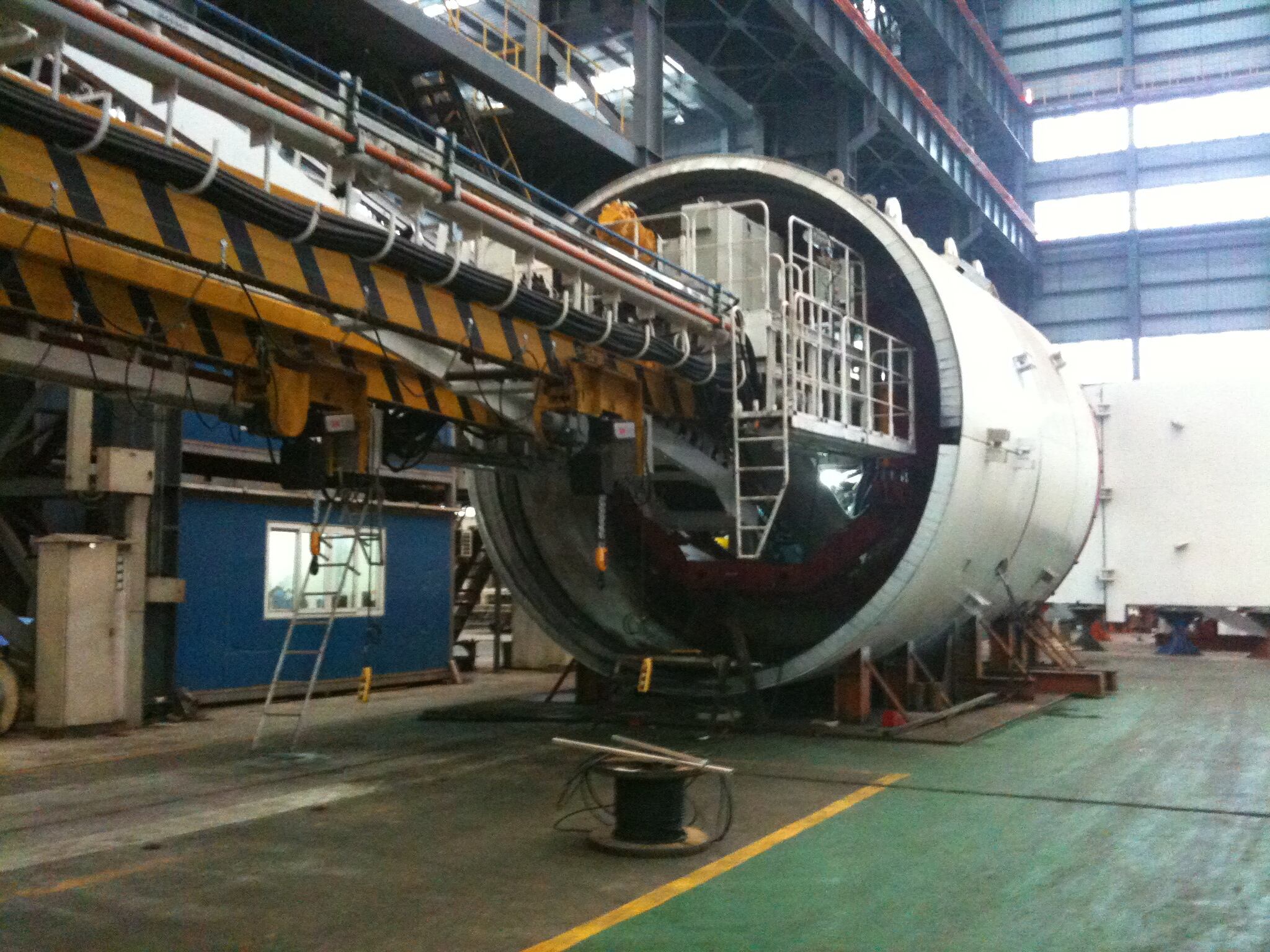
Stroje na zatĺkanie rúr premenili spôsob, akým sa vykonávajú podzemné inštalácie kanalizácie, a ponúkajú významné výhody oproti tradičným metódam otvoreného výkopu. Tieto sofistikované tunelovacie systémy umožňujú dodávateľom inštalovať nové kanalizačné potrubia pod existujúcou infraštruktúrou bez narušenia povrchových činností. Technológia strojov na zatĺkanie rúr kombinuje presné strojárstvo s výkonnými hydraulickými systémami, ktoré tlačia rúry cez zem pri súčasnom vykopávaní a odstraňovaní pôdy. Tento inovatívny prístup rieši mnoho výziev, s ktorými sa stretávajú mestské kanalizačné projekty, vrátane narušenia premávky, poškodenia nehnuteľností a environmentálnych obáv. Porozumenie konkrétnych výhod nasadenia strojov na zatĺkanie rúr pomáha manažérom projektov robiť informované rozhodnutia o bezvýkopových inštalačných metódach.
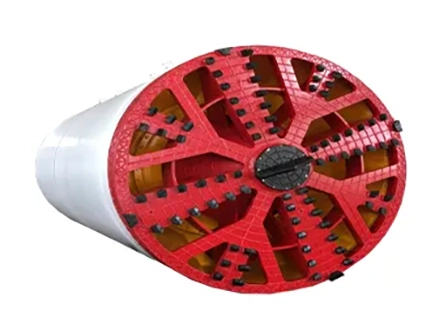
Výhody používania stroja na zatĺkanie rúr sa rozširujú ďaleko za jednoduchú účinnosť pri vykopávaní a zahŕňajú ekonomické, environmentálne a prevádzkové výhody, ktoré menia spôsob realizácie projektov inštalácie kanalizačných systémov. Tieto stroje umožňujú presnú kontrolu nad procesom inštalácie pri zachovaní stability pôdy a minimalizácii vplyvu na povrch. Pre mestské úrady a dodávateľov, ktorí sa zaoberajú projektmi v preplnených mestských prostrediach, predstavuje stroj na zatĺkanie rúr praktické riešenie, ktoré vyváža požiadavky projektu s potrebami komunity. Dokázaná spoľahlivosť tejto technológie v rôznych druhoch pôd a pri rôznych rozmeroch projektov preukazuje jej všestrannosť a spoľahlivosť pre moderný rozvoj infraštruktúry.
Minimálny vplyv na povrch a riadenie premávky
Znížené požiadavky na uzatvorenie ciest
Stroj na vtláčanie rúr eliminuje potrebu rozsiahlych uzáverov ciest, ktoré zvyčajne sprevádzajú tradičné projekty inštalácie kanalizácie. Na rozdiel od otvorených metód, ktoré vyžadujú úplné vykopanie ulice, stroj na vtláčanie rúr pracuje z malých šachty na spustenie a prijímania, čo umožňuje, aby sa nad inštalačnou zónou zachoval normálny premávkový prúd. Táto výhoda je obzvlášť cenná v rušných obchodných štvrtiach, kde uzávery ciest môžu mať za následok významné ekonomické straty pre miestne podniky. Schopnosť stroja pracovať pod existujúcim povrchom vozovky znamená, že náklady na obnovu povrchu sa výrazne znížia, pretože je potrebné opraviť len malé plochy šachty namiesto celých úsekov ulíc.
Zachovanie existujúcej infraštruktúry
Práca s strojom na zatĺkanie rúr chráni existujúce komunikačné a inžinierske siete, ktoré by pri tradičnom výkopovom spôsobe boli ohrozené. Ovládaný tunelovací proces umožňuje operátorom obísť existujúce vodovodné potrubia, plynové potrubia, elektrické káble a telekomunikačnú infraštruktúru bez poškodenia alebo nutnosti drahých presunov. Táto presná schopnosť stroja na zatĺkanie rúr zníži zložitosť projektu a eliminuje potrebu rozsiahleho mapovania a ochrany komunikačných sietí. Riadený inštalačný proces stroja zabezpečuje presné umiestnenie nových kanalizačných potrubí pri zachovaní bezpečných vzdialeností od kritických prvkov infraštruktúry.
Minimalizácia dopadu na komunitu
Stroj na vytlačovanie rúr výrazne zníži hluk, prach a vibrácie v porovnaní s tradičnými metódami vykopávania, čo ho robí ideálnym pre projekty v obydlínych oblastiach alebo v blízkosti citlivých zariadení, ako sú nemocnice a školy. Uzavretá povaha tunelovacieho procesu lokalizuje väčšinu stavebných aktivít pod zemou, čím sa minimalizuje rušenie susedných nehnuteľností. Toto environmentálne hľadisko prevádzky stroja na vytlačovanie rúr pomáha udržiavať pozitívne vzťahy s komunitou počas infraštruktúrnych projektov a znižuje pravdepodobnosť sťažností na hluk alebo stavebných sporov.
Zvýšená bezpečnosť a zníženie rizík
Kontrolované zosadnutie zeme
Stroj na zatáčanie rúr je vybavený pokročilými systémami podporovania pôdy, ktoré udržiavajú stabilitu pôdy počas celého inštalačného procesu. Technológia vyváženia tlaku pôdy stroja neustále monitoruje a upravuje tlak pri vykopávaní, aby sa zabránilo osednutiu alebo vypínaniu pôdy, čo by mohlo poškodiť povrchové stavby. Tento kontrolovaný prístup zaisťuje, že budovy, cesty a iné povrchové úpravy zostanú počas inštalácie rúr stabilné. Schopnosť stroja na zatáčanie rúr udržiavať presnú kontrolu tlaku zníži riziko neočakávaného pohybu pôdy, ktorý by mohol ohroziť bezpečnosť projektu alebo viesť k nákladným nárokom na škodu na majetku.
Zlepšenie bezpečnosti pracovníkov
Prevádzka stroja na zatĺkanie rúr výrazne zníži vystavenie pracovníkov nebezpečným podmienkam v porovnaní s tradičnou výkopovou technikou. Uzavreté prostredie pri tunelovaní chráni pracovníkov pred zosypaním, padajúcimi predmetmi a vystavením kontaminovanej pôde alebo podzemnej vode. Automatické systémy stroja minimalizujú potrebu manuálnej výkopovej práce v obmedzených priestoroch, čím sa zníži riziko úrazov a zlepšia sa celkové ukazovatele bezpečnosti projektu. Okrem toho možnosť diaľkového ovládania stroja na zatĺkanie rúr umožňuje dozorcom sledovať pokročilý stav a podmienky bez nutnosti vstupu do potenciálne nebezpečných pracovných oblastí.
Znížené riziko poškodenia komunikačných sietí
Precízne systémy riadenia integrované do moderných návrhov strojov na zatĺkanie rúr výrazne znížia riziko neúmyselného poškodenia existujúcich inžinierskych sietí počas inštalácie. Tieto stroje využívajú pokročilé navigačné technológie na udržiavanie presnej orientácie a sklonu počas celého procesu ražby. Ovládaná metóda vykopávania stroja na zatĺkanie rúr umožňuje operátorom zistiť a vyhnúť sa konfliktom s inžinierskymi sieťami ešte predtým, než dôjde k ich poškodeniu, čím sa predchádza nákladným opravám inžinierskych sietí a potenciálnym prerušeniam služieb, ktoré by mohli ovplyvniť veľký počet zákazníkov.
Ekonomická účinnosť a optimalizácia nákladov
Nižšie náklady na materiál a prácu
Stroj na zatĺkanie rúr eliminuje mnoho materiálových nákladov spojených s tradičnými metódami inštalácie otvorenou výkopovou technikou, vrátane rozsiahlych systémov opory, zariadení na riadenie premávky a dočasných povrchov vozoviek. Efektívny chod stroja vyžaduje na mieste menej personálu v porovnaní s konvenčnými výkopovými tímy, čím sa počas celej doby trvania projektu znížia náklady na prácu. Automatizovaný charakter prevádzky stroja na zatĺkanie rúr umožňuje kvalifikovaným operátorom súčasne riadiť viaceré aspekty inštalačného procesu, čím sa maximalizuje produktivita pri zachovaní požadovaných kvalitatívnych štandardov.
Rýchlejšie dokončenie projektu
Projekty využívajúce stroj na zatĺkanie rúr zvyčajne dosahujú kratšie doby dokončenia v porovnaní s tradičnými metódami, najmä v náročných mestských prostrediach, kde prístup a logistika komplikujú konvenčné prístupy. Schopnosť stroja pracovať nepretržite znamená, že inštalácia môže prebiehať 24 hodín denne za vhodných podmienok, čím sa zrýchľujú harmonogramy projektov. Znížené časové požiadavky na obnovu povrchu po stroj na vtláčanie rúr prácach prispievajú k celkovej efektívnosti projektu a umožňujú dodávateľom rýchlejšie presunúť zdroje na nasledujúce projekty.
Výhody pri dlhodobom údržbe
Kanálové potrubia inštalované pomocou stroja na pretláčanie potrubia často vykazujú výborný dlhodobý výkon v dôsledku presného inštalačného procesu a zníženého namáhania spojov počas umiestňovania. Ovládané tlačiace pohyby stroja vytvárajú správne zoradené úseky potrubia so spojmi v optimálnom stave, ktoré odolávajú infiltrácii aj štrukturálnym problémom. Táto kvalita inštalácie sa prejavuje nižšími nákladmi na údržbu počas prevádzkového životného cyklu systému a znižuje pravdepodobnosť núdzových opráv, ktoré by mohli prerobiť prevádzku alebo vyžadovať nákladné postupy núdzového zásahu.
Výhody pre životné prostredie a udržateľnosť
Znížená uhlíková stopa
Stroj na zatĺkanie rúr prispieva k environmentálnej udržateľnosti znížením celkovej uhlíkovej stopy projektov inštalácie kanalizačných systémov. Eliminácia rozsiahlych vykopávok a prepravných operácií výrazne zníži spotrebu nafty v porovnaní s tradičnými metódami, ktoré vyžadujú veľké flotily vykopávacích strojov a vozidiel na prepravu materiálov. Efektívny chod stroja a skrátená doba trvania projektu ďalej minimalizujú spotrebu energie a emisie spojené s dlhodobými stavebnými činnosťami.
Ochrana pôdy a podzemných vôd
Uzavretý tunelovací proces stroja na zatáčanie rúr zabraňuje kontaminácii pôdy a chráni kvalitu podzemnej vody počas inštalácie. Na rozdiel od otvorenej výkopovej metódy, ktorá vystavuje pôdu poveternostným vplyvom a potenciálnej kontaminácii, kontrolované prostredie stroja zachováva celistvosť pôdy a bráni šíreniu akéhokoľvek existujúceho znečistenia. Tento aspekt ochrany životného prostredia pri prevádzke stroja na zatáčanie rúr pomáha projektom dodržiavať environmentálne predpisy a zníži potrebu rozsiahlych opatrení na sanáciu pôdy.
Zníženie odpadu a efektivita materiálov
Stroj na zatĺkanie rúr generuje výrazne menej odpadového materiálu v porovnaní s tradičnými metódami vykopávania, pretože presný proces ražby odstraňuje len ten podzemný materiál, ktorý je nevyhnutný na umiestnenie rúr. Táto účinnosť zníži objem materiálu, ktorý vyžaduje likvidáciu, a minimalizuje environmentálny dopad spojený s prepravou a spracovaním odpadu. Schopnosť stroja opätovne použiť vykopaný materiál na operácie spätného zasypávania ďalšie zníži tvorbu odpadu a náklady na materiál v rámci stavebných projektov.
Technické možnosti a všestrannosť
Prispôsobivosť rôznym pôdnym podmienkam
Moderné návrhy strojov na zatĺkanie rúr zahŕňajú pokročilé rezné hlavy a systémy na úpravu pôdy, ktoré umožňujú účinný prevádzkový výkon v rôznych geologických podmienkach. Od mäkkých ílov cez husté štrky až po zmiešané pôdne podmienky sa stroj na zatĺkanie rúr dokáže prispôsobiť svoje prevádzkové parametre, aby udržal optimálny výkon. Táto všestrannosť robí túto technológiu vhodnou pre široké spektrum projektov inštalácie kanalizačných systémov v rôznych geografických oblastiach a typoch pôdy a poskytuje dodávateľom spoľahlivé riešenie pre rôznorodé projektové podmienky.
Presná kontrola inštalácie
Stroj na zatĺkanie rúr ponúka výnimočnú presnosť pri udržiavaní smeru a sklonu počas inštalácie, čím sa zabezpečuje, že nové kanalizačné systémy spĺňajú návrhové špecifikácie pre správny hydraulický výkon. Pokročilé systémy riadenia integrované do stroja poskytujú reálne údaje o polohe a zarovnaní, čo umožňuje operátorom okamžite vykonať korekcie v prípade potreby. Táto schopnosť presnej inštalácie stroja na zatĺkanie rúr odstraňuje problémy so sklonom, ktoré môžu vzniknúť pri manuálnej inštalácii, a zaisťuje optimálny dlhodobý výkon systému.
Škálovateľnosť pre rôzne veľkosti projektov
Technológia strojov na vytlačovanie rúr je dostupná v rôznych veľkostiach a konfiguráciách, aby vyhovovala rôznym požiadavkám projektov – od malých pripojení pre rodinné domy až po veľké hlavné kanalizačné zariadenia. Táto škálovateľnosť umožňuje dodávateľom vybrať vhodnú veľkosť stroja pre konkrétne podmienky projektu, pričom sa zachovávajú výhody bezvýkopovej inštalácie. Prípadová flexibilita aplikácií strojov na vytlačovanie rúr robí túto technológiu vhodnou nielen pre nové stavebné projekty, ale aj pre obnovu infraštruktúry v už zastavaných mestských oblastiach.
Často kladené otázky
Ako hlboko môže stroj na vytlačovanie rúr inštalovať kanalizačné potrubie?
Stroj na zatĺkanie rúr môže zvyčajne inštalovať kanalizačné potrubia v hĺbkach od 3 do 50 stôp pod povrchom zeme, v závislosti od konkrétnej konfigurácie stroja a podmienok pôdy. Väčšie stroje určené pre rozsiahle infraštruktúrne projekty dokážu dosiahnuť ešte väčšie hĺbky, pričom niektoré špecializované systémy sú schopné inštalácií vo hĺbke presahujúcej 100 stôp. Skutočne dosiahnuteľná hĺbka závisí od faktorov, ako je stabilita pôdy, podmienky podzemnej vody a konkrétne požiadavky projektu.
Aké materiály rúr sa najlepšie hodnia na inštaláciu pomocou stroja na zatĺkanie rúr?
Stroje na zatĺkanie rúr pracujú najefektívnejšie s betónovými, oceľovými a špeciálne navrhnutými tlačnými rúrami, ktoré vydržia tlačné sily požadované počas inštalácie. Betónové rúry sa bežne používajú vzhľadom na ich pevnosť a cenovú výhodnosť, zatiaľ čo oceľové rúry ponúkajú výhody v náročných podmienkach pôdy alebo pri dlhších dĺžkach zatĺkania. Pri výbere materiálu rúr pre projekty so strojmi na zatĺkanie rúr je potrebné zohľadniť faktory, ako sú podmienky pôdy, dĺžka inštalácie a požiadavky na dlhodobý prevádzkový život.
Aká je presnosť zarovnania dosiahnutej strojmi na zatĺkanie rúr?
Moderné stroje na vytlačovanie rúr vybavené laserovými systémami na riadenie polohy dokážu dosiahnuť presnosť zarovnania v rozmedzí ±25 mm v horizontálnej a ±15 mm vo vertikálnej rovine pri typických vzdialenostiach inštalácie. Táto úroveň presnosti spĺňa alebo prekračuje väčšinu špecifikácií mestských kanalizačných systémov a zaisťuje správny hydraulický výkon. Presnosť inštalácie strojov na vytlačovanie rúr závisí od faktorov, ako sú podmienky pôdy, vzdialenosť inštalácie, odbornosť obsluhy a konkrétna technológia použitého systému na riadenie polohy.
Aké požiadavky na údržbu majú stroje na vytlačovanie rúr?
Požiadavky na údržbu stroja na vtláčanie rúr zahŕňajú pravidelné kontrolu hydraulického systému, monitorovanie opotrebovania rezného kolesa a údržbu mazacieho systému, aby sa zabezpečil optimálny výkon a dlhá životnosť. Denné údržbové úlohy zahŕňajú kontrolu hladín kvapalín, kontrolu tesnení a hadíc a čistenie systémov na úpravu pôdy. Plánované preventívne údržbové programy pre stroje na vtláčanie rúr zvyčajne zahŕňajú periodickú výmenu opotrebovateľných komponentov, kalibráciu systémov a komplexné kontroly vybavenia, aby sa potenciálne problémy identifikovali ešte predtým, než ovplyvnia prevádzku projektu.