
 EN
EN
 AR
AR BG
BG HR
HR CS
CS FR
FR DE
DE EL
EL HI
HI IT
IT JA
JA KO
KO RO
RO RU
RU ES
ES TL
TL ID
ID LT
LT SK
SK SL
SL UK
UK VI
VI ET
ET TH
TH TR
TR FA
FA AF
AF MS
MS HY
HY AZ
AZ KA
KA BN
BN LO
LO LA
LA MN
MN NE
NE MY
MY KK
KK UZ
UZ KY
KY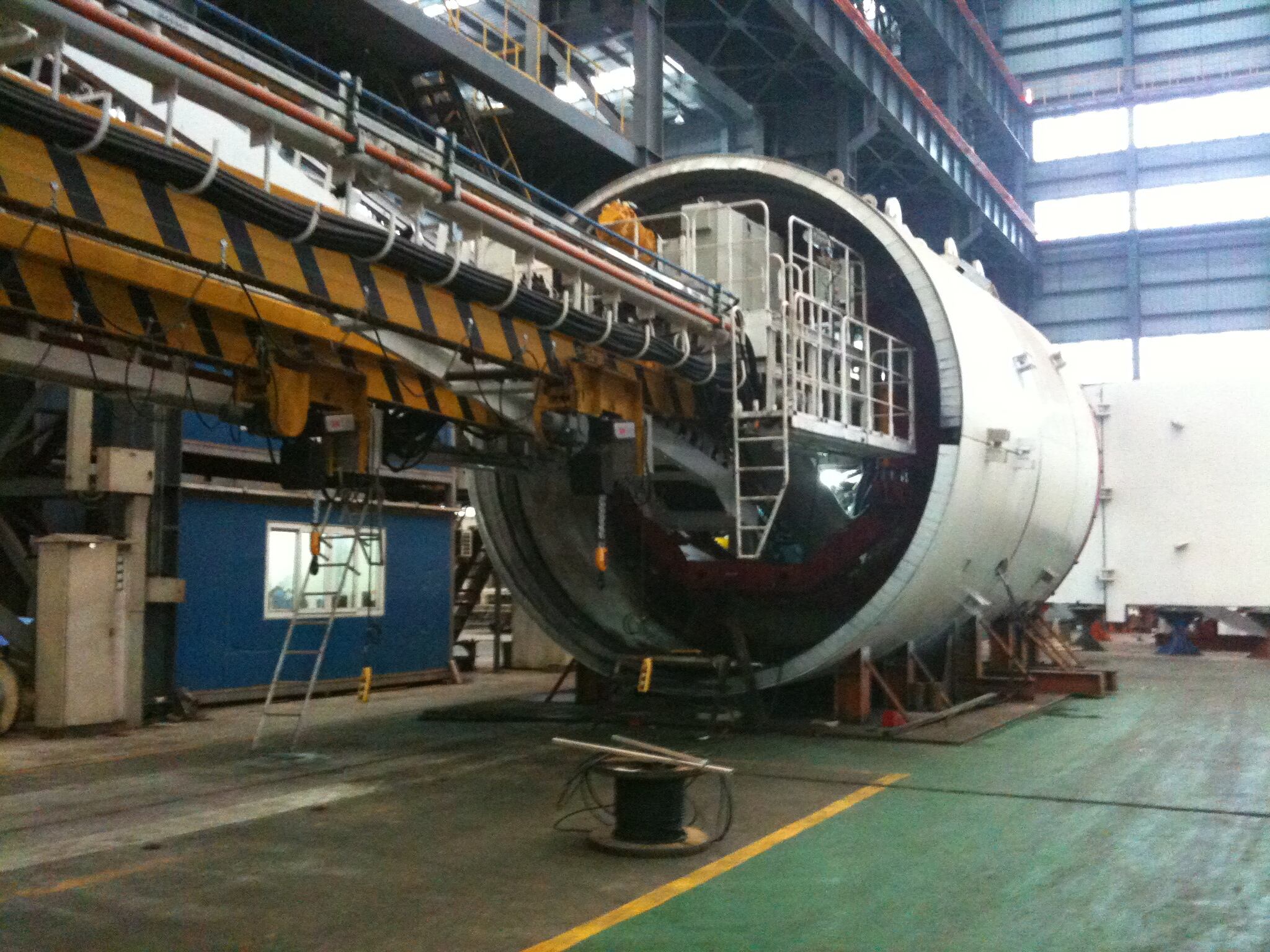
Yes, a pipe jacking machine can operate continuously for 48 hours, but only when planning, ground control, crew rotation, and maintenance discipline are all in place. In real B2B project conditions, the limit is rarely the core drive system alone. The true constraint is whether the whole tunneling system around the pipe jacking machine can sustain pressure balance, lubrication flow, spoil handling, guidance correction, and shift handover without introducing avoidable risk. Continuous operation is possible, but it is a managed capability, not a default setting.
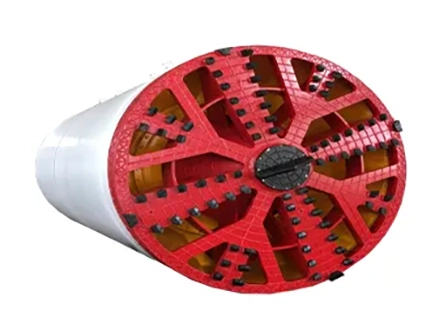
For contractors and infrastructure owners, the better question is not only whether a pipe jacking machine can run for 48 hours, but under what conditions that run remains safe, accurate, and commercially efficient. A 48-hour campaign can reduce restart delays, stabilize face conditions, and improve advance consistency, yet it can also magnify small process weaknesses. Understanding those conditions helps teams decide when a long continuous push is realistic and when a staged schedule is the smarter choice.
Direct Answer and Operating Reality
Continuous operation is achievable with system-level readiness
A pipe jacking machine is engineered for sustained duty cycles, and many projects complete long uninterrupted drives when support systems are equally robust. In practice, continuous operation means the machine, hydraulic station, slurry or spoil extraction path, lubrication injection, and survey control all remain stable. If one supporting subsystem drops performance, the entire pipe jacking machine operation must slow or pause. That is why experienced project teams define readiness by integrated performance, not by machine power rating alone.
When project managers evaluate a 48-hour window, they look at available thrust margin, cutterhead torque behavior, expected ground variability, and shaft logistics. A pipe jacking machine running in predictable soil with disciplined lubrication often performs steadily over long periods. By contrast, mixed ground transitions can demand extra correction and short intervention stops. The conclusion stays the same: yes, 48 hours is possible, but only with a verified operating envelope.
The key constraints are operational, not theoretical
Theoretical endurance of a pipe jacking machine is rarely the first limiting factor. The first real constraint is crew fatigue across control room, shaft operations, and spoil handling teams. The second is how quickly wear indicators are reviewed and acted on before they become faults. The third is continuous utility support, including power stability, backup readiness, and communication reliability between surface and drive face.
Another practical limit is tolerance management. Over 48 hours, a pipe jacking machine may accumulate small alignment deviations if guidance checks are not frequent and disciplined. Even minor correction delays can increase jacking load and friction losses. Continuous operation therefore succeeds when teams treat monitoring as an active control process rather than passive observation.
Technical Conditions That Make 48-Hour Runs Viable
Ground conditioning, pressure control, and face stability
For many urban utility tunnels, the most critical factor is stable face support. An earth pressure balance pipe jacking machine must keep chamber pressure aligned with ground and groundwater behavior to prevent settlement or inflow risk. During extended runs, pressure drift can happen gradually, so operators need clear correction thresholds and fast adjustment procedures. Long runs are strongest when pressure management rules are defined before launch and reviewed at each shift transition.
Ground conditioning quality also determines whether the pipe jacking machine can maintain steady torque and discharge performance. Conditioning that is inconsistent may increase cutterhead resistance and overload downstream removal systems. Consistent material behavior lets the machine maintain advance rhythm, which is essential in a 48-hour plan. Stability at the face is what allows continuity at the schedule level.
Lubrication, jacking force, and segment interface performance
A pipe jacking machine can only sustain long advances when annular lubrication is continuous and well distributed. Proper lubrication reduces skin friction along the pipeline and prevents unnecessary thrust escalation. If lubrication interruptions occur, jacking force rises, energy use increases, and stoppage risk grows quickly. Teams that monitor lubrication pressure and consumption trends in real time are better positioned for 48-hour continuity.
Pipe joint condition matters as much as machine output. During long campaigns, every interface loaded by the pipe jacking machine must remain within designed compression and alignment limits. Regular checks on joint behavior, gasket condition, and contact distribution protect both structural integrity and progress rate. Extended operation is sustainable when mechanical loads are controlled at both the face and the pipe string.
Operational Controls for Safe and Efficient 48-Hour Performance
Shift design, handover discipline, and decision authority
Continuous production requires an equally continuous operating team. A pipe jacking machine can hold steady output only when shift rotation is structured to avoid cognitive drop in high-attention tasks such as pressure balancing and line correction. Effective handovers include live parameter review, pending alarms, and immediate risk items. Short, structured briefings prevent information gaps that often trigger avoidable interruptions.
Decision authority should be defined before the 48-hour window begins. When a pipe jacking machine shows abnormal torque spikes or guidance drift, operators need preapproved action bands rather than delayed approvals. Fast, rule-based decisions reduce downtime and keep control actions consistent across shifts. That consistency is a major reason some projects complete long runs with fewer disturbances.
Condition monitoring and preventive intervention rhythm
In extended runs, monitoring must focus on trend behavior, not only alarm points. A pipe jacking machine may signal upcoming trouble through gradual changes in thrust per meter, temperature, or pressure response. Tracking those trends allows planned micro-interventions before a full stoppage is required. This is how teams protect continuity without ignoring risk.
Preventive intervention does not mean stopping for long periods. It means short, timed checks on lubrication circuits, hydraulic stability, cutterhead response, and spoil pathway continuity while the pipe jacking machine remains under controlled conditions. Projects that treat maintenance as a live operating function, rather than an end-of-shift task, are more likely to complete a true 48-hour cycle.
Business Implications and Planning Criteria
When continuous operation creates measurable project value
A 48-hour operation can deliver strong value when restart losses are high, access windows are constrained, or surface disruption must be minimized. In those cases, a pipe jacking machine running continuously can smooth production, reduce transition waste, and improve schedule certainty. The value is strongest where face stability improves with steady advance rather than stop-start cycles. For owners, that can translate into more predictable milestone performance.
The procurement implication is clear: buyers should evaluate not only the pipe jacking machine itself but also how its control, support, and monitoring architecture supports extended duty. Technical fit matters more than nominal output figures. Teams assessing pipe jacking machine options should map equipment capability to actual operating discipline on site. Long-run success is always a system outcome.
When staged operation is the better engineering decision
Not every project should target uninterrupted 48-hour operation. If geology is highly variable, shaft logistics are restricted, or support systems are still being stabilized, staged runs can protect quality and reduce risk. A pipe jacking machine paused at planned intervals under controlled conditions may produce better final alignment and lower intervention cost. Engineering judgment should prioritize predictable delivery over symbolic endurance.
The practical threshold is whether the team can maintain the same control quality at hour 40 as at hour 4. If not, forcing continuous operation can increase rework and uncertainty. A pipe jacking machine performs best when the schedule aligns with real site readiness, not when targets ignore operational reality. Mature planning turns the 48-hour question into a controlled go or no-go decision.
FAQ
Can every pipe jacking machine run for 48 hours without stopping?
No. A pipe jacking machine may be mechanically capable of long operation, but continuous 48-hour performance depends on geology, lubrication reliability, spoil handling, guidance control, and crew execution. Without those conditions, planned pauses are often the safer and more efficient approach.
Does continuous operation increase wear on a pipe jacking machine?
Continuous operation can increase cumulative wear exposure, but controlled steady running may reduce stress from repeated stop-start cycles. The effect on a pipe jacking machine depends on monitoring quality, lubrication consistency, and timely preventive actions during the run.
What should teams monitor most closely during a 48-hour run?
Teams should track thrust trend, torque response, face pressure stability, lubrication flow, alignment drift, and spoil discharge consistency. For a pipe jacking machine, trend changes usually appear before major faults, so early correction is central to maintaining safe continuity.
Is a 48-hour campaign mainly a machine decision or a project decision?
It is primarily a project decision supported by machine capability. A pipe jacking machine is one part of a larger operating system that includes people, process controls, utilities, and logistics. Continuous performance is achieved when the full system is prepared to sustain the same control standard across the entire window.