
 EN
EN
 AR
AR BG
BG HR
HR CS
CS FR
FR DE
DE EL
EL HI
HI IT
IT JA
JA KO
KO RO
RO RU
RU ES
ES TL
TL ID
ID LT
LT SK
SK SL
SL UK
UK VI
VI ET
ET TH
TH TR
TR FA
FA AF
AF MS
MS HY
HY AZ
AZ KA
KA BN
BN LO
LO LA
LA MN
MN NE
NE MY
MY KK
KK UZ
UZ KY
KY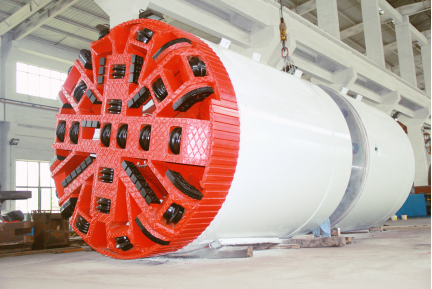
A pipe jacking machine is a significant capital investment and the operational backbone of any trenchless pipeline installation project. When this equipment underperforms or fails mid-operation, the consequences extend far beyond a simple repair bill — project timelines collapse, soil settlement risks increase, and crew safety can be compromised. Understanding exactly which maintenance checks are required, and how frequently they must be performed, is the most reliable way to protect that investment and ensure every drive proceeds without costly interruptions.
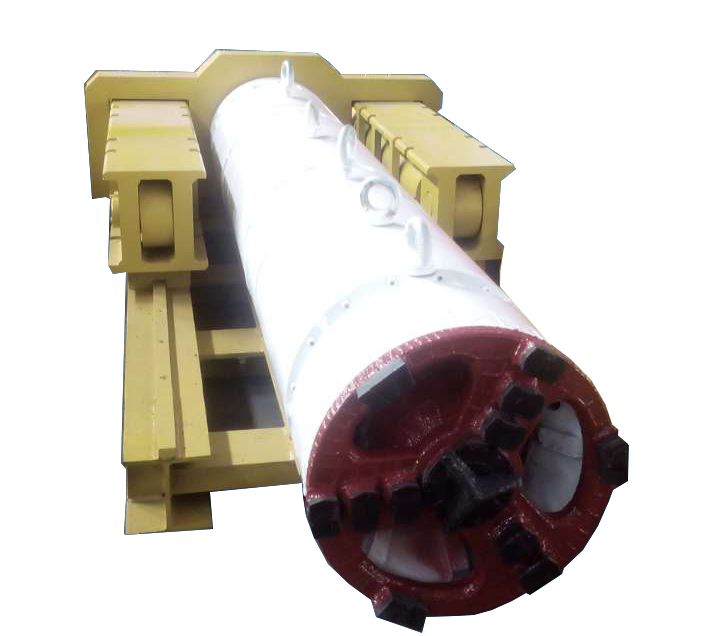
Reliable performance from a pipe jacking machine does not happen by chance. It is the direct result of a structured, disciplined maintenance program that addresses hydraulics, cutting heads, guidance systems, lubrication circuits, and structural integrity in a consistent, documented manner. This article walks through the essential maintenance checks that engineering teams and site supervisors should integrate into their operational routines, explaining not just what to inspect but why each check matters to real-world project outcomes.
Hydraulic System Maintenance and Inspection
Checking Hydraulic Fluid Condition and Pressure Levels
The hydraulic system is the primary power transmission network of any pipe jacking machine, converting pump energy into the controlled thrust force that advances the pipeline through the ground. Contaminated or degraded hydraulic fluid is one of the leading causes of premature valve failure, cylinder seal deterioration, and erratic thrust behavior. Before each operational shift, technicians should visually inspect the fluid reservoir for discoloration, cloudiness, or foam, all of which signal contamination or aeration.
Pressure gauge readings across the main thrust circuit, pilot circuits, and auxiliary lines should be recorded and compared against the manufacturer's specified operating ranges. Gradual pressure drops that cannot be explained by load variation typically indicate internal leakage at cylinder seals or control valve seats. Identifying these trends early allows seals to be replaced during planned downtime rather than during an active drive, where a mid-bore hydraulic failure can trap the machine in an unreachable position.
Hydraulic fluid should be sampled at the intervals recommended in the machine's service manual and sent for laboratory particle count and viscosity analysis. Operating a pipe jacking machine with fluid that has exceeded its usable life accelerates wear on every hydraulic component simultaneously, compounding repair costs in ways that far exceed the modest cost of a timely fluid change.
Inspecting Hoses, Fittings, and Cylinder Rods
High-pressure hydraulic hoses on a pipe jacking machine are subjected to constant flexing, vibration, and exposure to abrasive soils. A hose that appears intact externally may already have internal braid degradation that makes it a failure risk under peak thrust loads. Each hose assembly should be inspected along its full length for surface cracking, kinking, abrasion damage, and any sign of seepage at the crimped end fittings.
Cylinder rod surfaces deserve particular attention because even minor pitting or scoring creates a path for contamination to bypass rod seals, introducing foreign particles directly into the hydraulic circuit. Rods should be wiped clean before retraction and inspected for corrosion, impact marks, and chrome delamination. Where surface damage is detected, the rod should be repaired or replaced before the next operational drive begins rather than being allowed to continue degrading seal integrity.
Cutting Head and Slurry Circuit Maintenance
Inspecting Cutter Wear and Rotation Integrity
The cutting head is the most mechanically demanding component of a pipe jacking machine because it directly engages the ground formation at all times during excavation. Worn disc cutters, chipped carbide picks, or damaged gauge cutters do not just reduce excavation efficiency — they transfer abnormal loads back through the head support structure, increasing stress on bearings and drive shafts. Cutter wear should be assessed after every drive section according to a documented inspection protocol, with wear measurements recorded against the manufacturer's replacement thresholds.
Rotation integrity checks confirm that the cutting head drive motor and gearbox are delivering smooth, consistent torque without unusual vibration signatures. Operators should monitor drive torque readings during the initial minutes of each shift restart, as elevated torque under no-load conditions can indicate bearing pre-load loss, gearbox lubricant breakdown, or early-stage seal failure at the head bulkhead. Catching these signals early on a pipe jacking machine prevents the far more serious outcome of a seized head drive deep within the bore.
Maintaining the Slurry Circulation and Separation System
In slurry-type pipe jacking machines, the slurry circuit handles the continuous transport of excavated material from the cutting chamber to the surface separation plant. Blockages in the feed or discharge lines create pressure imbalances at the face that can destabilize soil support, particularly in permeable or water-bearing ground conditions. The slurry pump should be inspected for impeller wear, suction line integrity, and discharge pressure consistency before each operational period.
The surface separation plant — including shaker screens, centrifuges, and settling tanks — must also be maintained as part of the overall pipe jacking machine system. A separation plant that cannot process excavated slurry quickly enough forces operators to reduce advance rates, extending total project duration and increasing ground settlement exposure time. Screen panels should be checked for tears or blinding, and centrifuge bearing temperatures should be logged to identify developing mechanical issues before they cause unscheduled shutdowns.
Guidance System Calibration and Maintenance
Laser and Theodolite Target Alignment Verification
Accurate steering of a pipe jacking machine depends entirely on the guidance system providing the operator with reliable, real-time positional data. A laser guidance system that has drifted even slightly from its calibrated reference line will cause the machine to execute steering corrections that compound over the length of the drive, potentially resulting in pipeline misalignment that fails grade or tolerance requirements. The laser source should be re-leveled and re-aligned at the start of each shift and whenever any disturbance to the jacking pit structure is detected.
The target camera system inside the machine head must be kept clean and free of condensation, as image clarity directly affects the operator's ability to make precise steering judgments. Lens cleaning, camera housing seal inspection, and cable continuity checks should be part of the daily pre-operational routine on any pipe jacking machine working in humid or groundwater-affected conditions.
Steering Cylinder Inspection and Response Testing
The steering cylinders on a pipe jacking machine are smaller diameter than the main thrust cylinders but operate under similar pressure conditions and are equally sensitive to seal degradation. Each steering cylinder should be exercised through its full stroke range before commencing a drive, with the operator confirming that the machine responds symmetrically and without hesitation to directional inputs. Sluggish or uneven steering response often traces back to contaminated pilot valves or worn spool seals that reduce cylinder flow rates.
Documenting steering cylinder stroke positions at regular intervals during a drive provides a historical record that allows engineers to detect gradual ground steering resistance increases before they escalate into stuck-machine scenarios. This kind of data-driven maintenance approach is what separates consistently high-performing pipe jacking machine operations from those that experience repeated unplanned interventions.
Mechanical Structural and Joint Integrity Checks
Inspecting the Machine Body, Skin Plates, and Joint Seals
The outer skin of a pipe jacking machine must maintain a tight interface with the surrounding pipe string to control groundwater ingress and prevent soil loosening around the excavation periphery. Any damage to skin plates, worn articulation joint seals, or deformed tail seals can allow ground material to enter the machine void, increasing the risk of sinkholes and compromising the integrity of the bore. Skin plate condition should be assessed visually at every accessible maintenance access point, with attention to weld seam integrity and the condition of any wear pads or guide fins.
Articulation joint seals are particularly vulnerable in curved drives where the joint is held at a continuous offset angle for extended periods. These seals should be inspected at planned maintenance intervals, and their compression characteristics should be measured against new-seal specifications to determine whether replacement is necessary before the next drive begins. A compromised articulation seal on a pipe jacking machine working in high-groundwater conditions can quickly escalate from a minor maintenance item to a ground control emergency.
Jacking Frame and Thrust Ring Condition Assessment
The jacking frame in the launch pit transmits enormous compressive loads from the hydraulic thrust cylinders into the pipe string. Any deformation of the frame structure, misalignment of the thrust ring bearing surface, or cracking in the reaction wall abutment directly affects how uniformly load is distributed across the pipe joint faces. Uneven load distribution is a primary cause of pipe joint cracking, which can interrupt drives and require costly in-ground repairs.
The thrust ring should be inspected for flatness and bearing surface wear after every drive or at the intervals specified for the pipe material and expected jacking forces. Frame structural members should be checked for visible deformation, crack initiation at weld toes, and any sign of foundation settlement that could introduce angular misalignment into the thrust path of the pipe jacking machine system.
Lubrication Program Management
Grease Point Schedules and Annular Lubrication Injection
Mechanical components on a pipe jacking machine — including cutting head bearings, articulation joint pins, steering cylinder pivot points, and guide rail rollers — all require scheduled greasing to prevent metal-to-metal contact under the substantial loads generated during operation. A grease point schedule should be documented in a physical checklist format, with each point signed off by the technician completing the task and the lubricant type and quantity recorded.
Annular lubrication, which involves injecting bentonite or polymer lubricant through ports in the pipe string to reduce skin friction on the bore annulus, is equally critical for long drives. The injection pressure, volume, and consistency of the lubricant mixture should be monitored continuously, as inadequate annular lubrication is a leading cause of jacking force escalation and pipe damage on extended pipe jacking machine drives.
Gearbox and Drive Motor Lubricant Management
Gearboxes on the cutting head drive and auxiliary drive systems operate in demanding conditions where heat generation and contaminant ingress are constant concerns. Gear oil should be changed at the service intervals specified by the machine manufacturer, and oil samples should be analyzed for metal particle content between changes to detect unusual wear rates before they produce catastrophic gear or bearing failure.
Drive motor hydraulic connections and case drain lines should also be inspected as part of the lubrication management program, as restricted case drain flow causes motor housing pressure to rise above acceptable limits, accelerating shaft seal wear. Maintaining complete lubricant management records for a pipe jacking machine is not just a maintenance best practice — it is often a contractual requirement on infrastructure projects where equipment certification is part of quality assurance documentation.
FAQ
How often should the hydraulic fluid in a pipe jacking machine be changed?
Hydraulic fluid change intervals for a pipe jacking machine depend on operating hours, ambient conditions, and contamination levels detected through fluid sampling. Most manufacturers recommend sampling fluid every 250 to 500 operating hours and performing a full fluid change at intervals between 1,000 and 2,000 hours, or sooner if laboratory analysis indicates elevated particle counts or viscosity degradation. Always follow the specific recommendations in the machine's service manual rather than applying generic intervals.
What are the most common causes of premature cutting head bearing failure on a pipe jacking machine?
Premature bearing failure on a pipe jacking machine cutting head most commonly results from inadequate lubrication, contaminated grease caused by failed bulkhead seals, operation with worn cutters that increase radial loading, and excessive water ingress during water-bearing ground crossings. Regular inspection of bulkhead seal integrity, strict adherence to greasing schedules, and timely cutter replacement are the most effective preventive measures.
Can a pipe jacking machine be operated safely with a minor hydraulic hose leak?
Operating a pipe jacking machine with a known hydraulic hose leak is not considered safe practice and should be avoided. Even a minor seepage indicates the hose braid or fitting has been compromised, and under peak thrust loads the leak point can escalate rapidly to a full hose burst. Beyond equipment risk, hydraulic fluid release in confined jacking pit environments creates fire hazard and contamination concerns. The correct procedure is to halt operations, depressurize the circuit, and replace the damaged hose before resuming the drive.
How does annular lubrication affect the overall maintenance requirements of a pipe jacking machine?
Effective annular lubrication reduces the jacking forces required to advance the pipe string, which directly lowers the mechanical stress on the pipe jacking machine's thrust cylinders, jacking frame, and pipe joints. Lower jacking forces mean reduced hydraulic cycle frequency, slower cylinder seal wear, and less fatigue loading on the frame structure, all of which extend service intervals and reduce maintenance frequency. Maintaining a well-managed annular lubrication program is therefore not just a geotechnical measure — it is an integral part of managing the long-term mechanical condition of the entire pipe jacking machine system.
Table of Contents
- Hydraulic System Maintenance and Inspection
- Cutting Head and Slurry Circuit Maintenance
- Guidance System Calibration and Maintenance
- Mechanical Structural and Joint Integrity Checks
- Lubrication Program Management
-
FAQ
- How often should the hydraulic fluid in a pipe jacking machine be changed?
- What are the most common causes of premature cutting head bearing failure on a pipe jacking machine?
- Can a pipe jacking machine be operated safely with a minor hydraulic hose leak?
- How does annular lubrication affect the overall maintenance requirements of a pipe jacking machine?