
 EN
EN
 AR
AR BG
BG HR
HR CS
CS FR
FR DE
DE EL
EL HI
HI IT
IT JA
JA KO
KO RO
RO RU
RU ES
ES TL
TL ID
ID LT
LT SK
SK SL
SL UK
UK VI
VI ET
ET TH
TH TR
TR FA
FA AF
AF MS
MS HY
HY AZ
AZ KA
KA BN
BN LO
LO LA
LA MN
MN NE
NE MY
MY KK
KK UZ
UZ KY
KY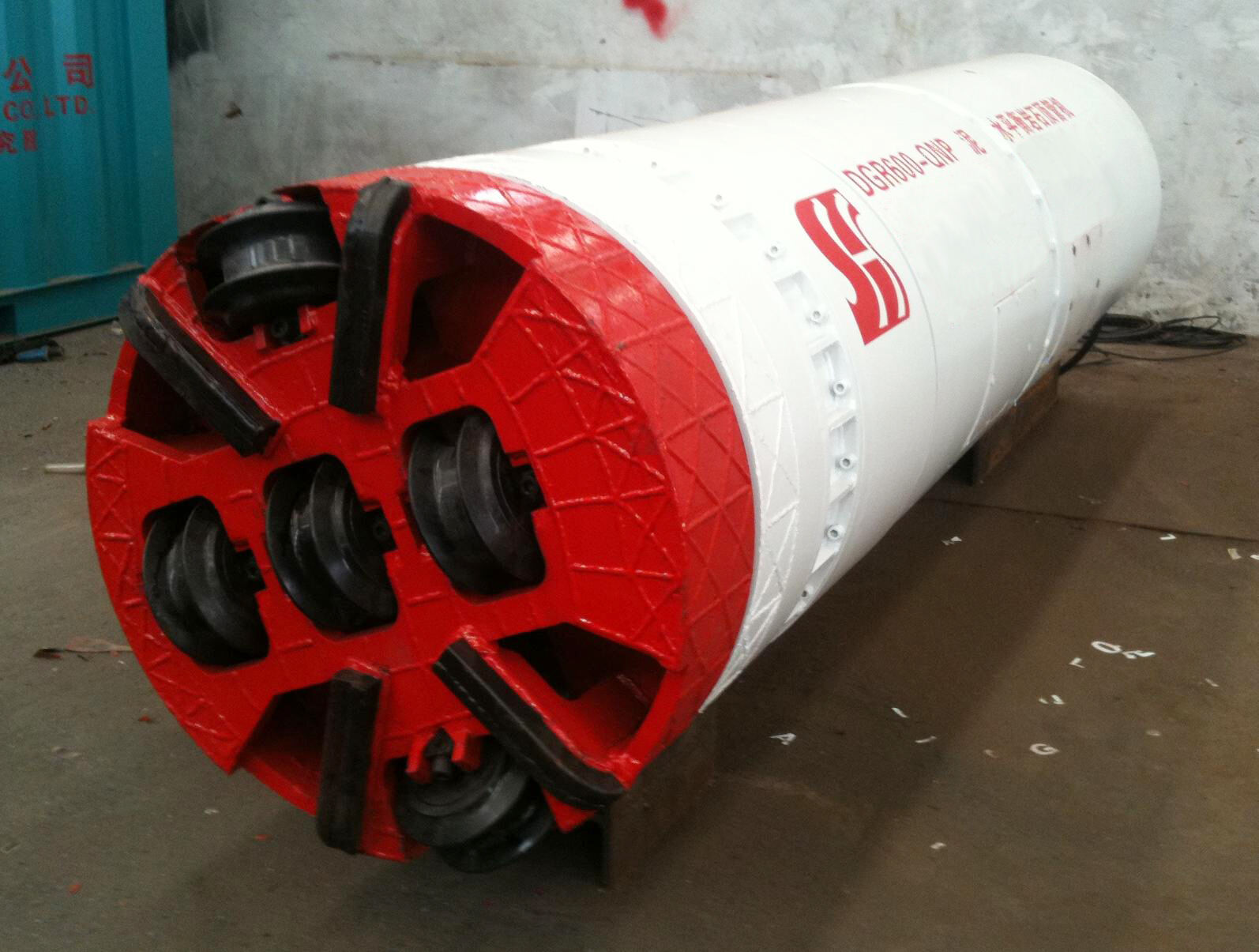
Maintaining the mechanical integrity of a slurry balance pipe jacking machine is a discipline that separates efficient tunneling operations from costly downtime spirals. Among all the serviceable components on such equipment, the slurry pump seals are arguably the most inspection-critical. They form the primary barrier between pressurized slurry and the mechanical internals of the pump assembly, and when they begin to degrade, the consequences ripple outward rapidly — affecting excavation pressure balance, equipment lifespan, and crew safety simultaneously.
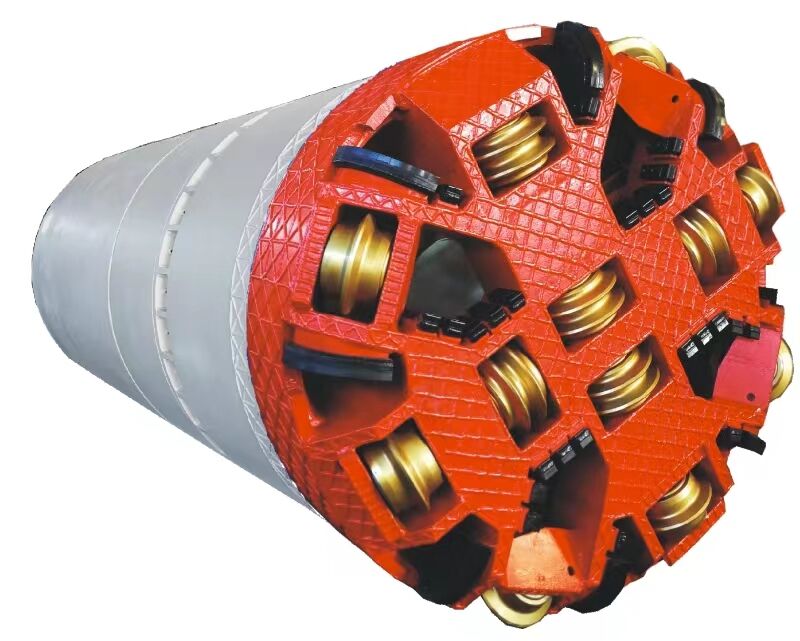
The question of how often slurry pump seals should be inspected on a slurry balance pipe jacking machine does not have a single universal answer, but it does have a structured, logic-driven framework that every project engineer and site supervisor should understand. Inspection frequency depends on operational hours, soil and rock conditions, slurry abrasiveness, pump load cycling, and the specific seal design installed. This article walks through the key timing principles, condition-based triggers, and practical inspection protocols that keep a slurry balance pipe jacking machine running at peak reliability.
Understanding the Role of Slurry Pump Seals in a Slurry Balance System
How Seals Maintain Pressure Integrity
On a slurry balance pipe jacking machine, the slurry circulation system maintains face pressure equilibrium by continuously transporting excavated material mixed with bentonite slurry away from the cutting head and back to the separation plant. The slurry pump is the mechanical heart of this circuit, and its seals are responsible for preventing slurry from migrating into the bearing housing, motor cavity, or drive shaft area. Any seal breach introduces abrasive particulate matter into precision components, accelerating wear at a rate far beyond normal operational degradation.
Mechanical seals on slurry pumps used in a slurry balance pipe jacking machine typically consist of a rotating face paired against a stationary seat, held together by spring tension and lubricated by a controlled flush fluid. The integrity of this face pair determines how long the seal performs within tolerance. As the sealing faces wear, leakage paths develop. Initially, this manifests as minor weeping — a thin film of slurry or flush fluid visible at the seal housing. Left unaddressed, the wear escalates into full bypass, which compromises the pump's ability to maintain consistent flow rate and pressure.
Understanding this mechanism is essential before defining inspection intervals. Seals do not fail suddenly in most cases — they degrade progressively. An effective inspection program is designed to catch seals at the early-wear stage, before degradation crosses into operational disruption territory.
Why Seal Condition Directly Affects Machine Performance
The slurry balance pipe jacking machine relies on precise slurry pressure at the face to counteract earth and groundwater pressure. If pump output drops due to a leaking seal, the face pressure balance shifts, increasing the risk of ground settlement above the tunnel or blowout events in soft soil conditions. Operators may attempt to compensate by increasing pump speed, which in turn accelerates seal wear further — creating a deteriorating feedback loop.
Additionally, contaminated bearing housings caused by seal failure lead to premature bearing replacement, which involves significant labor and machine downtime. On tight urban jacking projects where surface disruption costs are high, unplanned stoppages for pump rebuilds are disproportionately expensive. Regular seal inspections convert what could be reactive emergency repairs into planned, cost-controlled maintenance actions.
Establishing Baseline Inspection Intervals for Slurry Pump Seals
Time-Based and Hour-Based Inspection Schedules
For a slurry balance pipe jacking machine operating in standard conditions — moderate abrasivity soils, consistent pump load, and filtered slurry — a commonly applied baseline is to perform a visual and functional slurry pump seal inspection every 200 to 250 operating hours. This interval aligns with pump manufacturer guidance for mechanical seals in abrasive slurry service and provides enough data points to trend seal wear over the course of a project.
In calendar terms, for a machine running two shifts per day at roughly eight hours per shift, 200 hours equates to approximately 12 to 13 working days. This means a structured seal inspection should occur roughly every two weeks under standard operational intensity. Project managers should build this cadence into the maintenance schedule at the outset, not reactively after the first seal problem surfaces.
However, the 200-hour baseline is not a fixed rule. It serves as a starting point that must be adjusted based on actual operational data. If the first inspection reveals noticeable wear within 150 hours, the interval for that specific machine on that specific project should be compressed accordingly. Maintenance intervals on a slurry balance pipe jacking machine must be responsive to observed conditions, not rigidly anchored to generic guidelines.
When to Shorten the Inspection Interval
Several operational conditions warrant a significantly shorter inspection cycle. When the slurry balance pipe jacking machine is operating through highly abrasive formations — coarse gravels, fractured rock, or mixed-face ground with significant sand content — abrasive particles in the slurry stream accelerate seal face wear dramatically. In these conditions, reducing the inspection interval to every 100 to 150 hours is prudent, and some contractors in extremely abrasive ground opt for weekly visual checks regardless of hours logged.
High pump cycling rates also increase wear velocity. A slurry balance pipe jacking machine that frequently starts and stops — due to obstructions, steering corrections, or intermittent slurry flow — subjects seals to repeated pressure transients that fatigue the sealing faces faster than continuous steady-state operation. If operational logs show high stop-start frequency, shorten the inspection interval accordingly.
Elevated slurry temperatures are another trigger. When slurry recirculates through a confined circuit for extended periods without adequate cooling, the temperature at the pump seal rises, degrading elastomeric components and reducing the viscosity of the flush fluid. If slurry temperature regularly exceeds 40°C at the pump inlet, increase inspection frequency and verify that the seal flush system is functioning correctly.
What a Thorough Slurry Pump Seal Inspection Should Cover
Visual and Physical Inspection Steps
A meaningful inspection of slurry pump seals on a slurry balance pipe jacking machine goes beyond a quick glance for visible leaks. The inspection should begin with a careful examination of the seal housing exterior for any signs of slurry tracking, crystallized mineral deposits (which indicate slow-seep leakage), or discoloration from heat. Each of these indicators tells a different story about seal condition and failure mode.
The flush water system connected to the mechanical seal should be checked for adequate flow rate and pressure. Insufficient flush flow is one of the most common causes of premature seal failure on slurry pumps used in a slurry balance pipe jacking machine. If flush pressure drops below the minimum specified by the seal manufacturer, the sealing faces run dry, causing rapid face wear and thermal cracking of the rotating element.
Bearings adjacent to the seal should be checked for unusual temperature using a contact thermometer or infrared gun. Elevated bearing temperature in conjunction with seal weeping is a strong signal that contamination has already occurred and that the seal has been compromised beyond minor wear. In this scenario, a full pump strip-down and seal replacement should be initiated promptly rather than waiting for the next scheduled interval.
Functional and Performance-Based Assessment
Beyond physical observation, a functional performance check adds a second layer of confidence to the seal inspection. During normal operation of the slurry balance pipe jacking machine, the pump's flow rate and suction pressure should be logged continuously. A trending decline in flow rate at constant speed, or an increase in suction side pressure variation, can indicate internal bypass — which may stem from seal deterioration or impeller wear. Comparing current performance data against baseline commissioning figures gives a quantitative measure of degradation.
Vibration analysis, if instruments are available on site, provides early warning of seal and bearing issues before they become visible. A noticeable increase in vibration amplitude at the pump body, particularly in the axial direction, often signals that the mechanical seal is no longer seating evenly — a precursor to uneven face wear and accelerated leakage. Incorporating vibration spot-checks into the regular inspection routine of the slurry balance pipe jacking machine elevates the maintenance program from reactive to predictive.
Seal Replacement Triggers and Planning Considerations
Defining Replacement Thresholds
Not every seal inspection results in replacement, but inspection data should be used to make that decision objectively. On a slurry balance pipe jacking machine, the decision to replace a seal should be triggered by measurable indicators rather than guesswork. These include seal face wear depth exceeding the manufacturer's replacement threshold (typically marked on the seal component or specified in the pump service manual), visible chipping or cracking of the seal face material, or elastomeric components showing hardening, swelling, or extrusion beyond tolerance limits.
If leakage rate has increased to a point where the flush water consumption is significantly above normal — for example, 20% or more above baseline — this is a reliable sign that the seal is no longer performing within its design envelope. At this stage, continued operation without replacement risks cascading damage to the pump internals that will cost far more than the seal itself.
Logistical Planning for Seal Maintenance on Active Projects
Seal replacements on a slurry balance pipe jacking machine should be planned around the jacking schedule, not allowed to dictate unplanned stoppages. For long-drive projects, it is sound practice to stage spare mechanical seals on site from day one, sized and specified for the exact pump models installed. Having seals on hand means that when an inspection flags early wear, replacement can happen during a planned downtime window — typically a shift handover or planned maintenance shutdown — rather than mid-drive.
Project engineers managing a slurry balance pipe jacking machine should also maintain an inspection log that records the date, hours at inspection, observed condition, any measurements taken, and the action decision made. Over the course of a project, this log creates a wear trend dataset that informs both replacement timing and post-project lessons learned for future contracts in similar ground conditions.
Adapting Inspection Frequency Across Different Project Phases
Early Project Commissioning Phase
During the initial commissioning and early jacking phase of a project using a slurry balance pipe jacking machine, inspection frequency should be intentionally higher than the steady-state baseline. The first 50 to 100 operating hours represent a critical run-in period during which seals seat, flush systems stabilize, and any installation errors or manufacturing defects manifest. Inspecting seal condition at 50-hour intervals during this phase allows teams to establish a reliable wear rate for the specific machine and ground conditions before relaxing to the standard 200-hour interval.
If anomalies are detected early — such as unusually high flush water consumption or visible face wear within the first 80 hours — this is an opportunity to investigate root causes before they become project-critical problems. Root causes might include incorrect seal installation, misaligned pump shaft, or inadequate flush supply pressure, all of which are correctable early but increasingly costly if allowed to persist.
Extended Drive and Mid-Project Phase
As the slurry balance pipe jacking machine progresses into the mid-drive phase, seal inspection data from the first phase can be used to calibrate the ongoing schedule with precision. If early inspections showed minimal wear at 200 hours, it may be reasonable to extend intervals slightly — though rarely beyond 300 hours in slurry service. Conversely, if wear rates have been higher than expected, the interval should remain compressed until conditions change.
Mid-project phases on long drives often involve ground condition transitions. Moving from soft ground into a mixed-face or hard rock section dramatically changes the abrasive loading on the slurry circuit. When a slurry balance pipe jacking machine enters a new geological zone, treating it as a new commissioning phase for inspection purposes — with elevated early-phase frequency — is a sensible risk mitigation strategy.
FAQ
What is the minimum recommended inspection interval for slurry pump seals on a slurry balance pipe jacking machine?
For most operational conditions, a minimum inspection every 200 operating hours is recommended. In highly abrasive ground — such as coarse gravel, fractured rock, or high-sand slurry — this interval should be reduced to 100 to 150 hours. During the initial commissioning phase of any new project, inspections should occur every 50 hours until a reliable wear rate is established for the specific conditions encountered by the slurry balance pipe jacking machine.
Can visual inspection alone determine whether a slurry pump seal needs replacement?
Visual inspection is an important starting point but should not be the sole assessment method. External signs such as slurry tracking, mineral deposits around the seal housing, and elevated flush water consumption provide strong indicators, but they often lag behind actual internal degradation. Combining visual checks with pump performance monitoring — flow rate, suction pressure, and vibration — gives a more complete picture and allows earlier intervention before the seal fails fully. On a slurry balance pipe jacking machine operating under tight tolerances, this multi-method approach is best practice.
How does ground condition affect slurry pump seal wear rate on a slurry balance pipe jacking machine?
Ground condition is one of the most significant variables affecting seal wear rate. Abrasive particles in the slurry stream — particularly angular sand, gravel, or crushed rock fragments from the cutting head — act as a lapping compound on the seal faces during each rotation cycle. Softer ground with finer, rounder particles produces far less abrasive wear than coarse or fractured formations. When a slurry balance pipe jacking machine transitions from soft to hard or mixed-face ground, the seal wear rate can increase by a factor of two or more, requiring a proportional reduction in the inspection interval.
What are the risks of skipping or delaying slurry pump seal inspections on a slurry balance pipe jacking machine?
Skipping or delaying inspections significantly increases the probability of unplanned machine downtime, which on a pipe jacking project carries high consequential costs including pipe joint stress from stalled jacking loads, ground settlement risk above the alignment, and contract delay penalties. Beyond downtime, a failed seal allows abrasive slurry to contaminate pump bearings and shaft components, converting a low-cost seal replacement into a full pump rebuild. For any project relying on a slurry balance pipe jacking machine, consistent seal inspection is not optional — it is a foundational element of operational risk management.
Table of Contents
- Understanding the Role of Slurry Pump Seals in a Slurry Balance System
- Establishing Baseline Inspection Intervals for Slurry Pump Seals
- What a Thorough Slurry Pump Seal Inspection Should Cover
- Seal Replacement Triggers and Planning Considerations
- Adapting Inspection Frequency Across Different Project Phases
-
FAQ
- What is the minimum recommended inspection interval for slurry pump seals on a slurry balance pipe jacking machine?
- Can visual inspection alone determine whether a slurry pump seal needs replacement?
- How does ground condition affect slurry pump seal wear rate on a slurry balance pipe jacking machine?
- What are the risks of skipping or delaying slurry pump seal inspections on a slurry balance pipe jacking machine?