
 EN
EN
 AR
AR BG
BG HR
HR CS
CS FR
FR DE
DE EL
EL HI
HI IT
IT JA
JA KO
KO RO
RO RU
RU ES
ES TL
TL ID
ID LT
LT SK
SK SL
SL UK
UK VI
VI ET
ET TH
TH TR
TR FA
FA AF
AF MS
MS HY
HY AZ
AZ KA
KA BN
BN LO
LO LA
LA MN
MN NE
NE MY
MY KK
KK UZ
UZ KY
KY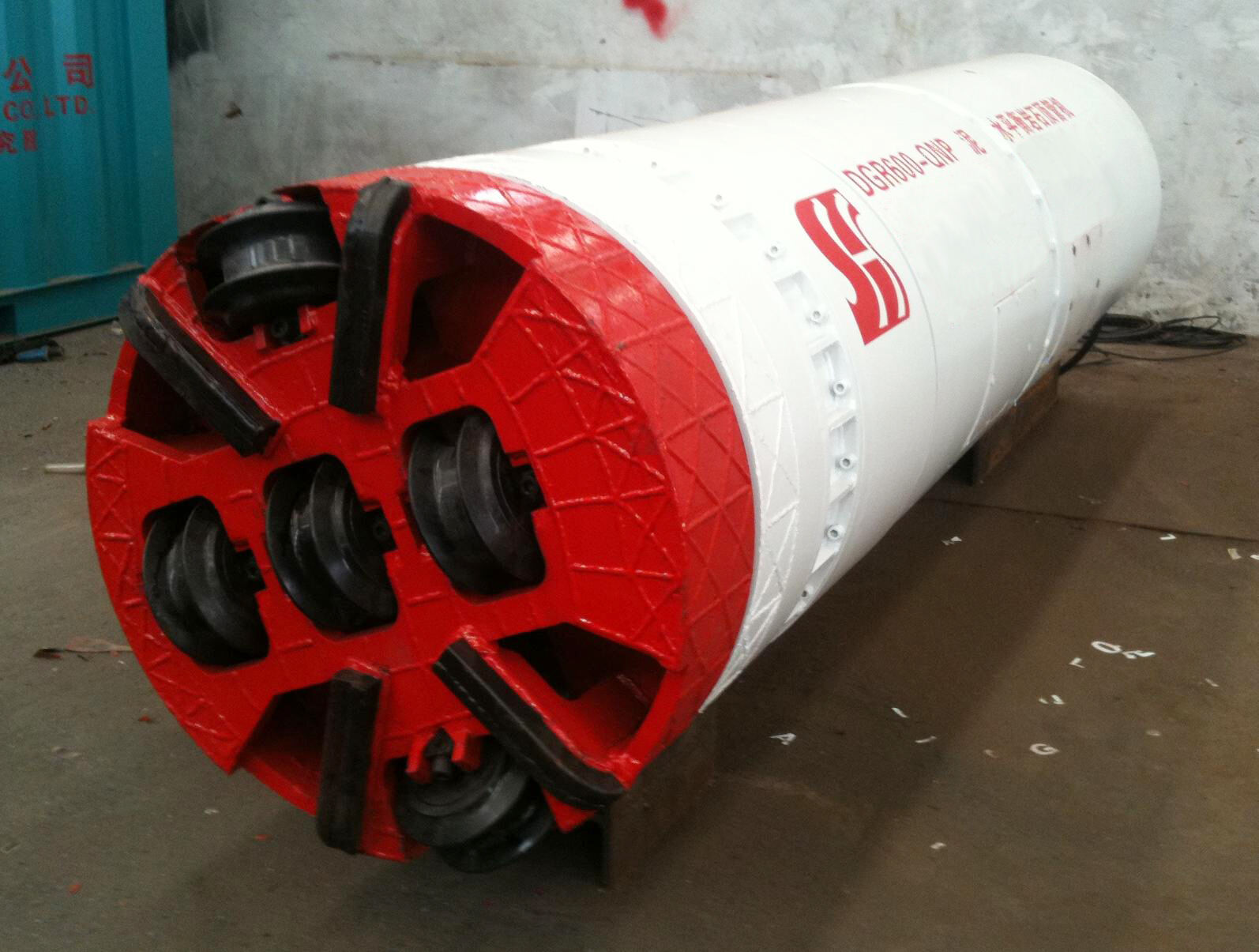
When infrastructure projects require crossing beneath rivers, wetlands, or other sensitive waterways, engineers face a fundamental challenge: how to install underground pipelines without disrupting the environment, halting river traffic, or exposing workers to dangerous open-cut conditions. The microtunneling machine has emerged as the definitive answer to this challenge, offering a suite of technical and operational advantages that no other trenchless method can fully replicate when the crossing involves an active waterway.
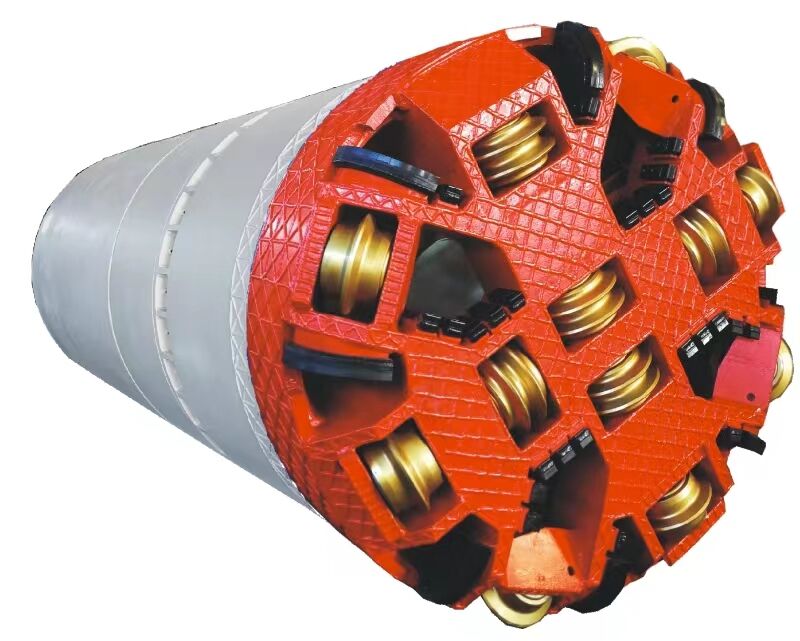
Understanding why a microtunneling machine delivers such a decisive edge under rivers requires looking closely at how it manages ground pressure, spoil removal, pipe installation, and alignment accuracy simultaneously in conditions where failure is not a manageable option. This article explores the key advantage of a microtunneling machine beneath river crossings in detail, examining the engineering principles, operational logic, and practical scenarios that make this technology the preferred choice for hydraulically challenging underground projects worldwide.
The Core Advantage: Full-Face Pressure Balance Beneath Active Waterways
How Ground and Hydrostatic Pressure Are Managed Simultaneously
The single most critical advantage of a microtunneling machine when operating beneath a river is its ability to maintain continuous, balanced pressure against both the excavated face and the surrounding ground throughout the entire boring operation. Rivers impose a hydrostatic pressure head on the surrounding soil that increases with water depth and saturated soil conditions. Without active face support, the excavation face can collapse, leading to surface settlement, riverbed disruption, or catastrophic ground loss beneath the waterway.
A microtunneling machine addresses this through slurry pressure balance or earth pressure balance systems, depending on the geological conditions present. The slurry-balance variant, in particular, uses a pressurized bentonite slurry that fills the cutting chamber and maintains positive pressure against the excavation face at all times. This pressure is carefully calibrated to match the combined load of the overburden soil and the hydrostatic head from the river above, creating a stable working environment that prevents ground movement even in highly saturated or loose alluvial soils commonly found beneath riverbeds.
This face pressure management capability is not merely a design feature — it is the engineering foundation that makes river crossings possible without dewatering, open cutting, or temporary river diversion. No conventional trenching method can replicate this level of control when groundwater pressures are elevated, which is precisely why a microtunneling machine is specified for river crossings in geotechnical design standards across infrastructure sectors.
Why Slurry Balance Is Especially Suited to Riverbed Geology
Riverbeds are typically composed of alluvial deposits — gravels, sands, silts, and mixed sediments — that are highly permeable and water-saturated. These conditions are among the most geotechnically demanding for any underground excavation method. A microtunneling machine equipped with a slurry balance system handles this geology by circulating pressurized slurry to transport excavated material from the cutting face back to the surface through a dedicated slurry pipeline, while simultaneously supporting the face against inflow and collapse.
The slurry not only transports spoil but also forms a filtercake on the permeable soil face, reducing water inflow and maintaining excavation stability. This is a dual-function mechanism that conventional auger boring or pipe ramming cannot replicate, as those methods offer no active face support against groundwater pressure. In rock conditions beneath rivers, a microtunneling machine fitted with disc cutters on a hard-rock cutterhead can advance through competent rock while maintaining the same closed-face pressure balance principles, extending its applicability to mixed-face or entirely rocky riverbed formations.
Precision Alignment and Steering Under Constrained Crossing Conditions
Remote Guidance Systems That Function Without Worker Access
A microtunneling machine is a remotely operated system. The operator controls the advance from a surface control cabin, monitoring real-time data on face pressure, slurry density, cutterhead torque, and pipeline thrust forces without ever entering the tunnel. This is not only a safety feature — it is a precision advantage. Because the guidance system uses a laser theodolite and target in the machine's rear section, or increasingly a gyroscopic guidance system for longer drives, the microtunneling machine can maintain centimeter-level alignment accuracy over drives of several hundred meters.
For river crossings, this precision is essential. The entry and exit shaft positions are fixed, and the crossing geometry must account for regulatory clearance depths below the riverbed, environmental protection setbacks, and the structural requirements of the pipe being installed. Any deviation from the planned bore path could bring the tunnel closer to the riverbed surface than permitted, potentially causing scour-related exposure or environmental violations. A microtunneling machine's guidance technology is specifically designed to prevent this, providing continuous course corrections through hydraulic steering jacks that adjust the cutterhead direction in real time.
Long-Drive Capability and Its Significance for Wide River Crossings
Modern microtunneling machines are capable of completing single drives that extend well beyond 300 meters, with some specialized configurations achieving drives exceeding 500 meters. For river crossings in major urban or industrial infrastructure projects, this long-drive capability means the entry and exit shafts can be positioned well away from the riverbank, minimizing disruption to riparian zones and floodplain structures while completing the full crossing in a single continuous operation.
The ability to complete the crossing in a single drive without intermediate access shafts or intervention points is a logistical and environmental advantage of enormous practical value. It eliminates the need for in-water construction work, maintains an unbroken pipeline installation record, and significantly reduces the project timeline compared to sequential boring methods that require multiple setups. For project owners operating under tight regulatory windows or environmental compliance schedules, the long-drive capability of a microtunneling machine is a decisive project delivery advantage.
Environmental Protection and Regulatory Compliance in River Crossing Projects
Zero Surface Disturbance Above the Waterway
One of the most valued advantages of a microtunneling machine for river crossing projects is the complete absence of surface disturbance over the waterway itself. Traditional open-cut pipeline installation beneath a river requires coffer dam construction, temporary river diversion, or in-water trenching — all of which carry serious environmental consequences including habitat disruption, turbidity, sediment release, and damage to aquatic ecosystems. These impacts trigger extensive regulatory review processes, environmental impact assessments, and in many jurisdictions, outright prohibition.
A microtunneling machine operates entirely underground, below the depth of any environmentally sensitive zone in the riverbed. The crossing is completed without any disturbance to the river surface, the riverbed, or the banks. This trenchless approach makes it the method of choice for projects crossing protected waterways, fish migration corridors, wetland zones, and rivers within national parks or conservation areas. The environmental compliance advantage is not incidental — it often determines whether a river crossing project receives regulatory approval at all.
Reduced Risk of Inadvertent Returns and Ground Contamination
In slurry-based microtunneling operations, the slurry system is a closed-loop circuit. The pressurized bentonite slurry circulates from the surface plant down to the cutting chamber and returns with excavated material through a dedicated return pipeline. This closed system significantly reduces the risk of inadvertent slurry returns — the uncontrolled release of drilling fluid into the surrounding soil or waterway — which is a recognized risk in horizontal directional drilling operations under similar conditions.
Because the microtunneling machine advances the pipe directly as it bores — rather than pulling a product pipe back through a pre-drilled bore — the annular space is immediately occupied by the structural pipe being installed. This minimizes the void space available for slurry migration and reduces the geotechnical risk of hydraulic fracture pathways that could allow slurry to reach the riverbed surface. For project owners and regulators concerned about environmental liability, this operational characteristic of a microtunneling machine represents a meaningful risk reduction advantage over alternative trenchless methods.
Structural Pipe Installation and Asset Longevity
Simultaneous Tunneling and Pipe Jacking for Immediate Structural Integrity
A microtunneling machine does not simply create a bore hole. It advances by hydraulically pushing a string of structural pipes — typically reinforced concrete, steel, or ductile iron — directly behind the cutting machine as the bore progresses. This pipe jacking methodology means that the installed pipe becomes part of the temporary support structure for the surrounding ground even as the machine advances. Under a river, where ground conditions can shift rapidly and the consequences of tunnel instability are severe, this characteristic is enormously important.
The installed pipe provides immediate structural support to the excavated bore, preventing ground relaxation and soil migration into the annular space. This contributes directly to the long-term performance and service life of the installed pipeline, as the pipe is installed under controlled conditions with minimal disturbance to the surrounding soil structure. The result is an asset with predictable structural behavior over its design life, which for infrastructure crossings under major rivers often extends to 50 years or more.
Suitability for High-Diameter Gravity Pipelines and Pressure Mains
Microtunneling machines are available across a wide diameter range, from approximately 300mm to over 3000mm, making them applicable to a broad spectrum of pipeline infrastructure requirements beneath rivers. This includes gravity sewer mains, stormwater outfalls, water supply transmission mains, gas pipelines, and industrial process pipelines. For gravity systems, the precision alignment capability of a microtunneling machine ensures that the installed pipeline maintains the design gradient throughout the crossing, which is critical for gravity flow performance and drainage functionality.
For pressure pipelines, the structural integrity of the jacked pipe string, combined with the controlled installation process, ensures that joints and connection points meet the pressure class requirements of the design. This versatility in diameter and pipe type means that a single equipment platform — the microtunneling machine — can serve as the installation method for almost any pipeline type requiring a river crossing, simplifying procurement and project planning for infrastructure owners managing complex crossing programs.
Operational Safety and Worker Protection in Subsurface River Environments
Eliminating Worker Exposure to Compressed Air and Flooding Risk
Historically, tunnel construction beneath rivers required workers to operate in compressed air environments to counteract groundwater pressure — a practice associated with serious health risks including decompression sickness and barotrauma. A microtunneling machine eliminates this hazard entirely. Because the system is remotely operated and the cutting face is managed through mechanical pressure balance rather than air pressure, no workers need to enter the pressurized zone at any point during normal operations.
This remote operation model also eliminates the risk of sudden flooding events reaching workers in a confined underground space. Under rivers, the potential for sudden inrush of water due to unexpected ground conditions, equipment malfunction, or hydraulic fracture is a legitimate safety concern. By keeping all personnel at the surface during boring operations, a microtunneling machine fundamentally removes this category of risk from the project's safety register. This factor is increasingly significant as construction safety regulations worldwide impose stricter controls on confined space and hyperbaric work practices.
Surface-Level Control and Real-Time Monitoring for Risk Management
The microtunneling machine control system provides the operator with continuous, real-time data on every critical operational parameter: face pressure, jacking force, torque, slurry flow rate, slurry density, and steering position. This data stream allows the operator to detect and respond to changing ground conditions immediately, before they develop into significant events. Beneath a river, where the consequences of a sudden ground movement or face pressure deviation can be severe, this monitoring capability is a direct operational safety advantage.
Modern microtunneling machine control platforms also log all operational data throughout the drive, creating a complete installation record that can be reviewed for quality assurance purposes and used as evidence of compliance with the geotechnical installation specification. This documentation capability supports project quality management and provides infrastructure owners with a detailed record of the as-built installation conditions — a valuable asset for the long-term maintenance and management of the river crossing pipeline.
FAQ
What makes a microtunneling machine more suitable than horizontal directional drilling for river crossings?
A microtunneling machine offers continuous active face support, eliminating the risk of inadvertent slurry returns and ground collapse that are associated with horizontal directional drilling in pressurized saturated soils. It also provides superior alignment accuracy and installs structural pipe directly, rather than requiring a pullback operation that can induce stress in the pipeline. These characteristics make it the preferred method when soil conditions, environmental sensitivity, or regulatory requirements demand the highest level of ground control beneath a waterway.
Can a microtunneling machine operate effectively in rock conditions under a river?
Yes. A microtunneling machine configured for rock conditions uses a specialized cutterhead fitted with disc cutters or drag bits designed to break and excavate hard rock formations. Slurry balance pressure management continues to function in mixed-face and full-rock conditions, and the jacking system provides sufficient thrust to advance through competent rock. This makes the microtunneling machine applicable to a wide range of riverbed geology, from loose alluvial soils to fractured or intact rock.
How deep below the riverbed does a microtunneling machine typically operate in a crossing?
The minimum cover depth for a microtunneling machine installation beneath a river is typically determined by geotechnical calculations, regulatory requirements, and the risk of hydraulic fracture from the slurry system. In most infrastructure crossing projects, a minimum of 3 to 5 meters of cover below the deepest point of the riverbed scour profile is specified, though deeper installations of 10 meters or more are common in major river crossings. The specific depth is determined by the project geotechnical engineer based on soil conditions, river characteristics, and pipeline design requirements.
What types of pipes can be installed using a microtunneling machine under a river?
A microtunneling machine can install reinforced concrete pipes, steel pipes, ductile iron pipes, glass-reinforced plastic pipes, and other structural pipe materials that meet the jacking force and annular clearance requirements of the design. The selection of pipe type depends on the application — gravity sewer, pressure main, stormwater, or industrial pipeline — as well as the pipe diameter, soil conditions, and jacking distance. For river crossings, steel and reinforced concrete are the most commonly specified materials due to their structural robustness and long service life in subsurface environments.
Table of Contents
- The Core Advantage: Full-Face Pressure Balance Beneath Active Waterways
- Precision Alignment and Steering Under Constrained Crossing Conditions
- Environmental Protection and Regulatory Compliance in River Crossing Projects
- Structural Pipe Installation and Asset Longevity
- Operational Safety and Worker Protection in Subsurface River Environments
-
FAQ
- What makes a microtunneling machine more suitable than horizontal directional drilling for river crossings?
- Can a microtunneling machine operate effectively in rock conditions under a river?
- How deep below the riverbed does a microtunneling machine typically operate in a crossing?
- What types of pipes can be installed using a microtunneling machine under a river?