
 EN
EN
 AR
AR BG
BG HR
HR CS
CS FR
FR DE
DE EL
EL HI
HI IT
IT JA
JA KO
KO RO
RO RU
RU ES
ES TL
TL ID
ID LT
LT SK
SK SL
SL UK
UK VI
VI ET
ET TH
TH TR
TR FA
FA AF
AF MS
MS HY
HY AZ
AZ KA
KA BN
BN LO
LO LA
LA MN
MN NE
NE MY
MY KK
KK UZ
UZ KY
KY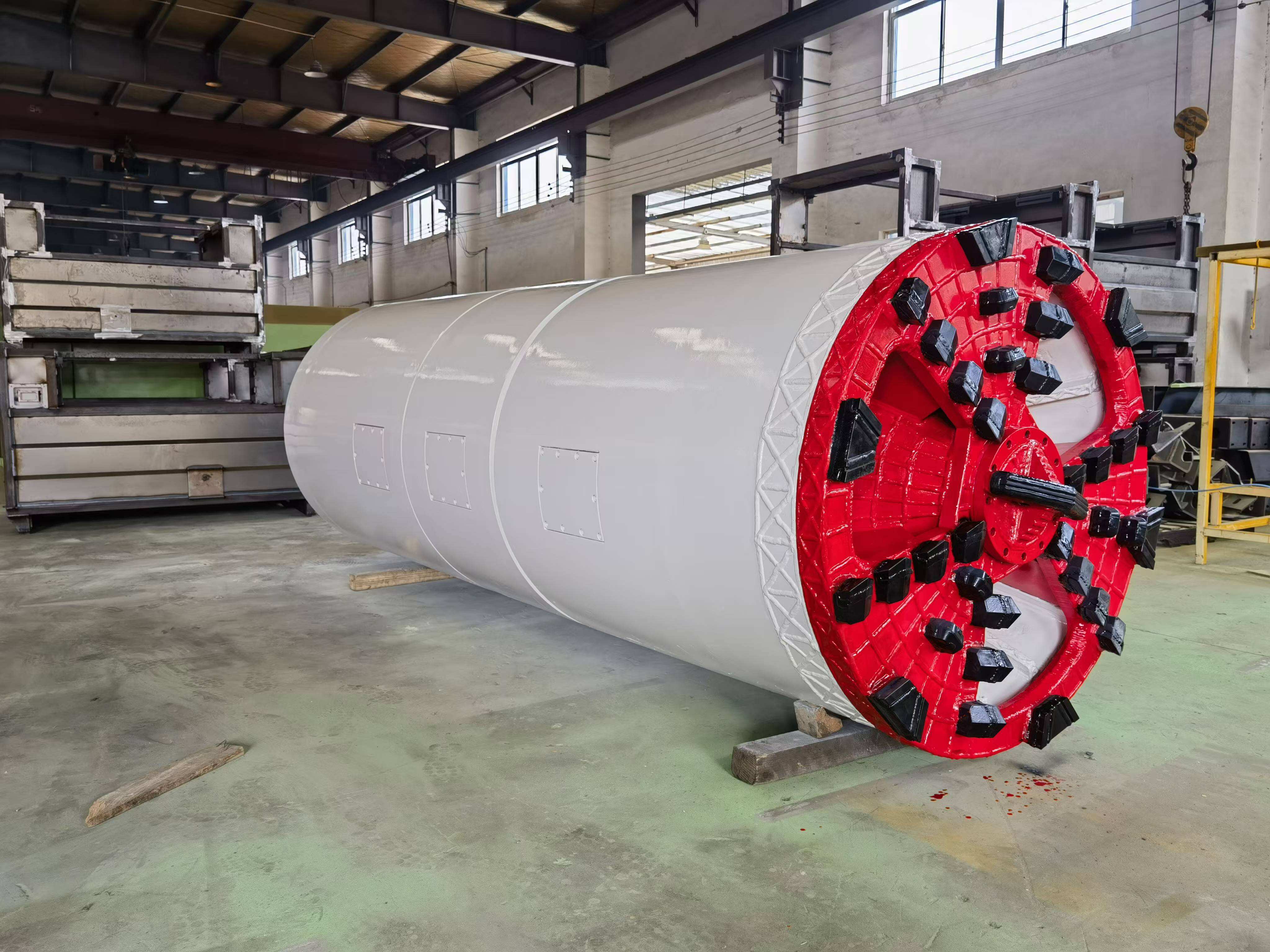
When engineers and project managers face the challenge of constructing inclined shafts, the choice of equipment becomes one of the most consequential decisions on the entire project. A tunnel digging machine designed for inclined applications offers a set of engineering capabilities that conventional drilling methods simply cannot match. Whether the shaft must ascend at a gentle gradient or cut through rock at steep angles, a modern tunnel digging machine transforms what was once a dangerous, slow, and labor-intensive process into a controlled, efficient, and measurable operation.

The key advantages of deploying a tunnel digging machine in inclined shaft construction extend well beyond raw cutting speed. They encompass structural precision, personnel safety, ground stability management, and the ability to maintain consistent advance rates even as geological conditions shift along the incline. Understanding these advantages in depth helps decision-makers justify equipment investment, plan project timelines with confidence, and reduce the risk of costly delays or accidents during one of construction's most technically demanding tasks.
The Engineering Reality of Inclined Shaft Construction
Why Inclined Shafts Are Uniquely Demanding
An inclined shaft introduces a geometry that standard horizontal or vertical tunneling equipment was not inherently designed to handle. The gravitational load acting along the shaft axis means that excavated material, groundwater, and even the machine itself are subject to downslope forces that complicate every phase of the operation. Controlling muck removal, maintaining equipment stability, and ensuring continuous face support all become significantly more complex as the angle of inclination increases.
Traditional drill-and-blast techniques have long been used in inclined shafts, but they come with serious limitations. Blasting introduces vibration that can destabilize surrounding rock formations, create irregular profiles that require extensive secondary work, and generate hazardous fumes that slow re-entry times significantly. A mechanized tunnel digging machine eliminates these drawbacks by replacing explosive energy with controlled mechanical cutting force, resulting in a smoother excavation profile and a safer working environment.
The inclined orientation also challenges ground support timing. In drill-and-blast operations, the interval between face exposure and support installation is often prolonged, increasing the risk of roof falls and spalling. A tunnel digging machine, by contrast, advances in a continuous and predictable cycle, allowing support systems such as rock bolts, steel sets, and shotcrete to be installed immediately behind the cutter head with minimal delay.
How Inclination Affects Mechanical Performance
A well-engineered tunnel digging machine built for inclined shaft work incorporates design modifications that compensate for the effects of gradient on machine behavior. The main bearing, thrust cylinders, and gripper systems are all calibrated to maintain stable contact with the rock face regardless of whether the machine is boring uphill, downhill, or along a curved incline. This mechanical adaptability is one of the primary reasons why a tunnel digging machine outperforms alternative methods in shaft applications with non-horizontal alignment.
The cutter head design plays a particularly important role in inclined operations. Disc cutters arranged in an optimized pattern apply consistent compressive force across the entire face, reducing the uneven wear patterns and localized overbreak that often occur when blasting is used in inclined profiles. The result is a tunnel cross-section that closely matches the designed diameter, reducing the volume of concrete or lining material required to finish the shaft.
Key Advantages of a Tunnel Digging Machine in Inclined Shafts
Continuous Advance Rate and Predictable Scheduling
One of the most commercially significant advantages of using a tunnel digging machine in inclined shaft work is the ability to achieve a consistent and forecastable advance rate. Unlike drilling and blasting, which involves a repetitive cycle of drilling, charging, firing, ventilating, mucking, and scaling, a mechanized tunnel digging machine operates on a steady cutting-and-support cycle that can be optimized and tracked in real time. Project managers can use historical penetration rate data to produce reliable completion forecasts, which is invaluable for contract compliance and resource planning.
In mining and civil infrastructure projects where inclined shafts serve as access or ventilation routes, project delays carry cascading consequences. A tunnel boring approach with a tunnel digging machine reduces the variance in daily progress, enabling downstream activities such as conveyor installation, rail laying, or mechanical and electrical fitout to be scheduled with greater confidence. This planning advantage often translates directly into lower overall project costs, even when the upfront capital cost of the machine is factored in.
Superior Ground Stability Control Along the Incline
Ground control in inclined shafts is a persistent challenge because water infiltration, stress redistribution, and gravitational loading interact in ways that can destabilize the excavation rapidly. A tunnel digging machine addresses this challenge through several integrated mechanisms. The machine's shield or gripper system maintains continuous contact with the tunnel walls, providing passive confinement to the surrounding rock during the excavation process. This physical presence at the face significantly reduces the unsupported span that exists between cutting and support installation.
Modern tunnel digging machines used in rock conditions are frequently equipped with probe drilling and pre-grouting capabilities that allow the crew to investigate and treat the ground ahead of the face before it is excavated. This proactive approach to ground management is particularly valuable in inclined shafts that pass through fault zones, fractured rock masses, or water-bearing formations. By treating the ground ahead of advance, the risk of sudden inflows or collapse events is substantially reduced, protecting both the equipment and the workforce.
The smooth bore profile produced by a tunnel digging machine also contributes to long-term shaft stability. An irregular overblasted profile creates stress concentrations at protruding corners and requires larger volumes of filling material to establish a uniform lining. The circular cross-section generated by full-face boring, in contrast, distributes hoop stress evenly around the perimeter, which is the most structurally efficient geometry for a shaft subject to convergent rock pressure.
Enhanced Worker Safety Throughout the Drive
Safety is not a secondary consideration in inclined shaft work — it is an engineering imperative. The combination of gravitational hazards, falling material, explosive gases, and difficult evacuation routes makes inclined shafts among the most hazardous excavation environments in the industry. Deploying a tunnel digging machine fundamentally changes the risk profile by removing workers from direct exposure to the active face. Instead of standing near freshly blasted rock to scale loose material and install initial support, personnel operate the tunnel digging machine from a protected control cabin and install support elements within a shielded backup system behind the cutter head.
Ventilation management is another area where a tunnel digging machine delivers a measurable safety benefit. Because there is no requirement for post-blast re-entry delays, air quality in the shaft is more easily maintained at acceptable levels throughout the working shift. Dust suppression systems integrated into the machine further reduce the concentration of respirable silica particles, which is a critical health consideration in hard rock tunneling environments where quartz-bearing geology is encountered.
Muck Handling and Material Flow in Inclined Conditions
Gravity-Assisted and Gravity-Challenged Muck Removal
The direction of inclination has a strong influence on how excavated material is managed during a tunnel digging machine drive. In a downward-inclined shaft, gravity assists muck transport toward the portal or access point, simplifying the conveyor or rail haulage system and reducing energy consumption. However, the same gravitational force that aids material removal also creates the risk of uncontrolled muck flow if the handling system is not properly designed. A well-specified tunnel digging machine for downhill inclined work incorporates controlled discharge systems and inclined conveyors with sufficient tensioning to prevent runaway loads.
Upward-inclined shaft boring presents a different set of material handling challenges. The tunnel digging machine must push or convey excavated material against gravity, which requires higher belt tensioning, more robust conveyor drives, and careful management of belt speed to prevent material rollback. Despite these added engineering requirements, the continuous mucking capability of a mechanized system still outperforms the cyclic mucking delays inherent in drill-and-blast methods, where equipment congestion at the face during loading phases regularly disrupts the advance schedule.
Integration with Shaft Infrastructure During Construction
A significant advantage of using a tunnel digging machine in inclined shaft projects is the ability to install permanent or semi-permanent infrastructure as the drive progresses. Rail tracks, conveyor frames, ventilation ducting, power cables, and drainage pipelines can all be advanced incrementally behind the machine, reducing the post-excavation fitout period considerably. In mining projects where early access to ore is a financial priority, this concurrent construction approach can shorten the overall shaft commissioning timeline by weeks or even months.
The backup gantry system of a modern tunnel digging machine is typically engineered to carry the services required for continuous operation, including water supply for dust suppression and cutter cooling, hydraulic power for support equipment, and communication and data links for real-time monitoring. This self-contained logistical architecture means that the tunnel digging machine and its support system function as an integrated construction platform rather than just an excavation tool, making inclined shaft construction substantially more organized and efficient.
Geological Adaptability and Rock Strength Considerations
Performance Across Variable Rock Conditions
Inclined shafts rarely pass through uniform geology. More commonly, the drive will intersect multiple rock types with varying compressive strengths, joint orientations, and abrasivity levels. A high-quality tunnel digging machine designed for rock conditions is built to handle this variability through adjustable thrust and torque settings, interchangeable cutter configurations, and real-time monitoring systems that track penetration rate, cutter wear, and vibration signatures. These data streams allow the machine operator to adapt cutting parameters dynamically, preserving cutter life and maintaining advance rate even as rock conditions change along the incline.
Abrasive rock formations such as quartzite, granite, and certain sandstones accelerate disc cutter wear, which is one of the primary cost drivers in hard rock tunneling. For inclined shafts where cutter inspection and replacement requires working at an angle under difficult access conditions, minimizing the frequency of cutter change-outs is particularly important. A well-designed tunnel digging machine achieves this through optimized cutter spacing, high-quality cutter steel specifications, and automatic loading monitoring that prevents individual cutters from being overloaded when adjacent cutters have already worn beyond their effective range.
Managing Water Ingress in Inclined Rock Tunneling
Water management in inclined shaft boring is a critical operational concern, particularly when the drive descends below the local water table or passes through water-bearing geological structures. A tunnel digging machine equipped with perimeter seal systems, face pressure management capability, and integrated dewatering infrastructure can operate continuously in wet conditions that would halt drill-and-blast operations for extended periods. The ability to maintain a waterproofed working environment behind the shield while the face is actively excavated is a decisive advantage in challenging hydrogeological settings.
Drainage gradients are also easier to manage in inclined shafts bored with a tunnel digging machine because the consistent bore profile allows drainage sumps and pumping arrangements to be positioned accurately. In blast-excavated inclined shafts, the irregular floor profile often creates pooling zones that interfere with both drainage and material haulage, adding to maintenance burdens and health and safety risks throughout the construction phase.
FAQ
What makes a tunnel digging machine better than drill and blast in inclined shafts?
A tunnel digging machine provides continuous mechanical cutting without the delays, vibration damage, and ventilation wait times associated with explosive methods. It produces a smoother bore profile, supports faster ground support installation, and keeps workers away from direct face exposure, all of which are critical advantages in the confined and gravity-loaded environment of an inclined shaft.
Can a tunnel digging machine operate efficiently in both upward and downward inclined shafts?
Yes, a properly engineered tunnel digging machine can be configured for both ascending and descending inclined shaft applications. The key differences lie in the muck handling and gripper system design, which must account for gravitational forces acting either with or against the direction of advance. Manufacturers offer specialized configurations to address these distinct operational requirements.
How does a tunnel digging machine handle variable rock strength in an inclined shaft?
Modern tunnel digging machines are equipped with adjustable thrust and torque parameters that allow the operator to respond to changing rock conditions in real time. Cutter configurations can also be modified during the drive to suit different rock abrasivity and compressive strength levels, ensuring that the machine maintains effective penetration without excessive wear or mechanical stress throughout the inclined drive.
What safety features are built into a tunnel digging machine for inclined shaft work?
Key safety features include a shielded operator cabin that protects personnel from face hazards, integrated dust suppression and ventilation systems, probe drilling capability for pre-excavation ground investigation, and real-time monitoring of machine loads and geological conditions. Collectively, these features make a tunnel digging machine one of the safest excavation platforms available for inclined shaft construction in hard rock environments.
Table of Contents
- The Engineering Reality of Inclined Shaft Construction
- Key Advantages of a Tunnel Digging Machine in Inclined Shafts
- Muck Handling and Material Flow in Inclined Conditions
- Geological Adaptability and Rock Strength Considerations
-
FAQ
- What makes a tunnel digging machine better than drill and blast in inclined shafts?
- Can a tunnel digging machine operate efficiently in both upward and downward inclined shafts?
- How does a tunnel digging machine handle variable rock strength in an inclined shaft?
- What safety features are built into a tunnel digging machine for inclined shaft work?