
 EN
EN
 AR
AR BG
BG HR
HR CS
CS FR
FR DE
DE EL
EL HI
HI IT
IT JA
JA KO
KO RO
RO RU
RU ES
ES TL
TL ID
ID LT
LT SK
SK SL
SL UK
UK VI
VI ET
ET TH
TH TR
TR FA
FA AF
AF MS
MS HY
HY AZ
AZ KA
KA BN
BN LO
LO LA
LA MN
MN NE
NE MY
MY KK
KK UZ
UZ KY
KY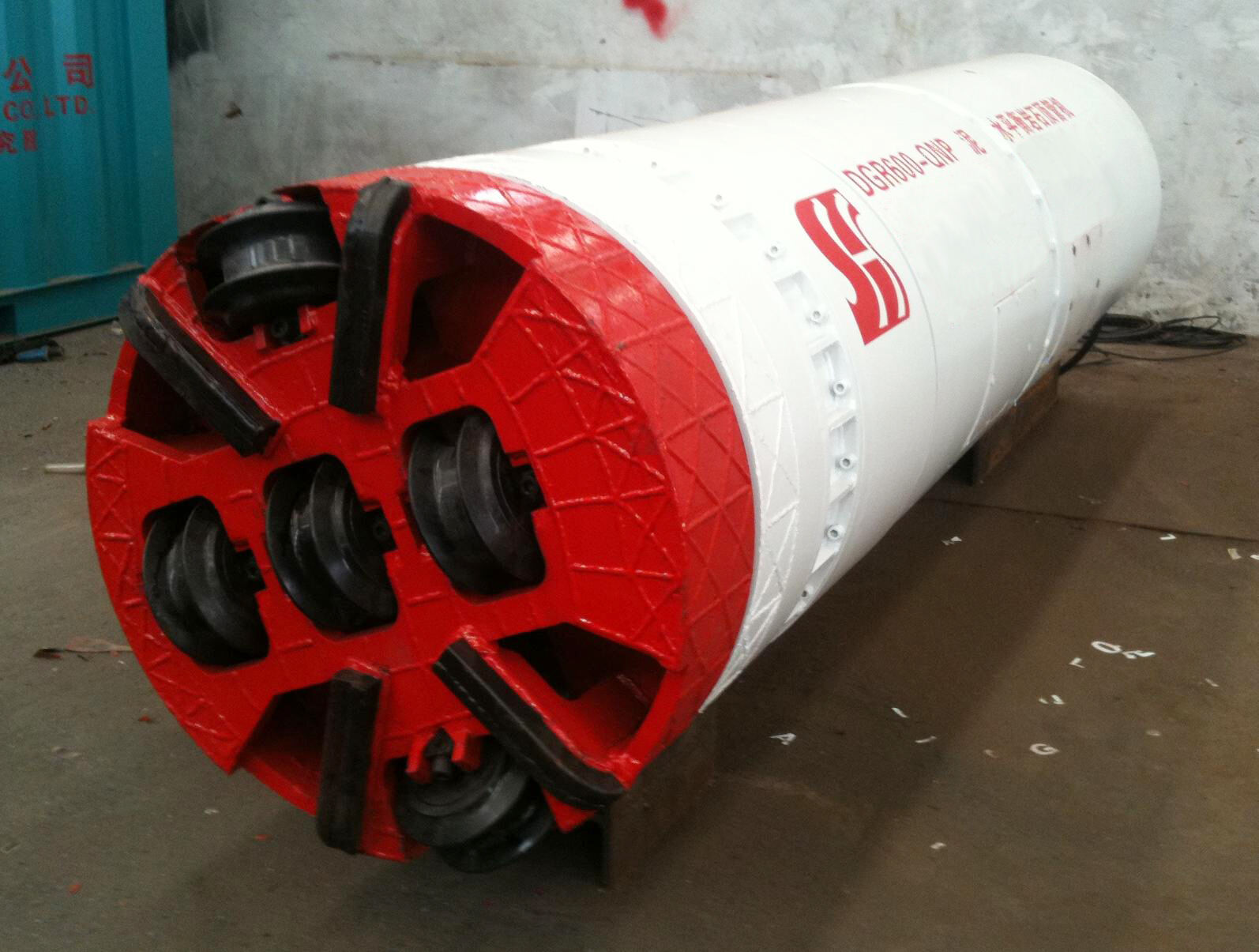
In underground construction, the margin for error is often measured in millimeters. When engineers deploy a pipe jacking machine beneath city streets, rivers, or existing infrastructure, even a slight deviation from the planned bore path can result in structural misalignment, costly remediation work, or catastrophic project failure. The stakes are simply too high to rely on guesswork, manual corrections, or outdated alignment techniques. Precision is not a preference in this environment — it is an operational necessity that determines whether a project succeeds or becomes an expensive liability.
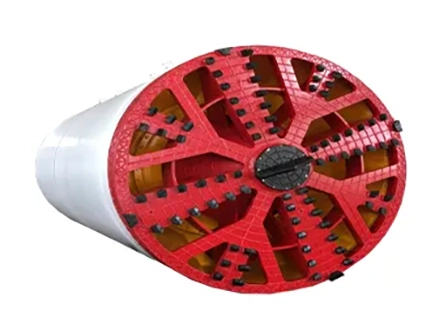
This is precisely why laser-guided steering has become the defining technology in modern trenchless construction. A pipe jacking machine equipped with a laser guidance system can continuously monitor its own position and direction relative to a pre-set bore path, making real-time corrections before small deviations compound into major problems. Understanding why this guidance technology is critical — not just useful — requires a close look at the engineering demands of pipe jacking, the physical forces acting underground, and the practical consequences of imprecision in complex urban or industrial environments.
The Engineering Demands of Accurate Pipe Jacking
What Precision Actually Means Underground
When a pipe jacking machine advances through soil, it must follow a designed alignment that accounts for both horizontal and vertical tolerances. For gravity-fed sewer pipes, for example, even a 10mm vertical deviation over a long bore can disrupt the intended flow gradient and render the installed pipeline functionally inadequate. These tolerances are tight by any engineering standard, and they become even tighter when the pipe run intersects with existing utilities, underpasses roadways with specific cover requirements, or terminates at a pre-cast reception shaft of fixed dimensions.
A pipe jacking machine does not simply push through homogeneous ground. It encounters variable soil strata, groundwater pockets, buried obstacles, and shifting face pressures that all create lateral and vertical forces on the cutting head. Without a reliable, real-time method of measuring position and correcting course, these forces will inevitably push the machine off its intended trajectory. Precision, in this context, means maintaining alignment within defined tolerance bands despite continuous external disturbance — and that requires active guidance, not passive assumptions.
Why Manual Alignment Methods Are Insufficient
Historically, pipe jacking alignment was monitored using optical survey instruments, string lines, or periodic manual measurements from the jacking shaft. While these methods provided a basic level of control, they shared a critical limitation: they were not continuous. Operators would measure position at intervals, identify drift, and then apply correctional forces — but by the time the correction was made, the deviation had already grown beyond the initial measurement point.
Manual methods also introduce human error into a process that demands consistent accuracy over extended drive lengths. Fatigue, instrument misreading, and communication delays between the survey team and machine operators all create windows of unchecked drift. A modern pipe jacking machine may advance several meters per shift, meaning that even a brief lapse in guidance feedback can translate into significant off-course movement. The underground environment also makes manual inspection difficult and time-consuming, adding to the risk of prolonged uncorrected deviation.
How Laser-Guided Steering Works in Practice
The Core Mechanism of Laser Guidance Systems
A laser guidance system for a pipe jacking machine typically consists of a laser transmitter mounted in the jacking shaft and a target receiver positioned behind the cutting head inside the machine or the first pipe segment. The transmitter emits a precisely calibrated laser beam aligned with the design bore axis. As the machine advances, the target receiver continuously monitors where the laser beam strikes its sensor surface, providing real-time positional data relative to the design centerline.
This data is transmitted to a control display in the operator cabin, giving the machine operator an immediate, quantified picture of the machine's current position in both the horizontal and vertical planes. Rather than relying on periodic external surveys, the operator can see live deviation data and make steering corrections through the machine's hydraulic guidance system — typically a set of articulated steering cylinders positioned between the cutting head and the main body of the pipe jacking machine. The correction is incremental, controlled, and verifiable, which is the foundation of reliable trenchless precision.
Integration with Earth Pressure Balance Technology
The effectiveness of laser guidance is greatly amplified when it is integrated with an earth pressure balance pipe jacking machine. Earth pressure balance systems regulate the face pressure at the cutting head to match the in-situ ground and groundwater pressure, which reduces the risk of ground heave or settlement. By maintaining a stable cutting face, the earth pressure balance system also reduces the erratic lateral forces that would otherwise disrupt the machine's trajectory and challenge the laser guidance system's ability to maintain a clean correction path.
When a pipe jacking machine combines active face pressure management with continuous laser-based positional feedback, the result is a system where the ground ahead is controlled and the machine's response to that ground is precisely measured. This combination is not incidental — it is the reason that earth pressure balance pipe jacking machines have become the preferred solution for urban bores where ground stability and alignment accuracy are equally critical requirements.
The Practical Consequences of Steering Imprecision
Alignment Failures and Their Project-Level Impact
When a pipe jacking machine deviates beyond acceptable tolerance, the consequences are rarely minor. A misaligned bore can cause the pipeline to miss its reception shaft entirely, requiring expensive excavation to re-intercept the installed pipes. In gravity systems, misalignment may require the entire pipeline to be abandoned and a new bore initiated, doubling both time and cost. In pressure pipe systems, angular joints forced by misalignment create stress concentration points that shorten the operational life of the installation.
There are also indirect consequences that compound the financial impact. Misaligned drives may cause unintended ground movement that damages adjacent structures or utilities, triggering third-party liability claims. Regulatory inspections that identify non-conforming alignments can result in construction stops, mandatory remediation, or rejection of the completed works. For a project contractor, these outcomes go far beyond the cost of the original bore — they affect reputation, legal exposure, and future tender eligibility. Laser-guided steering on a pipe jacking machine is, in this sense, both a technical requirement and a commercial risk management tool.
Steering Precision in Complex Ground Conditions
Not all pipe jacking projects involve uniform, predictable soil. Many urban bores encounter mixed-face conditions where the cutting head simultaneously contacts soft clay in the upper zone and compact gravel or rock in the lower zone. This differential resistance creates rotational and lateral forces that tend to push the machine off course. Without continuous laser feedback, the operator may not detect the developing deviation until it has already grown to a scale that is difficult to correct without introducing secondary misalignment through over-steering.
A well-designed pipe jacking machine with an integrated laser guidance system gives the operator the situational awareness needed to apply small, measured corrections early — before the deviation grows. The laser data effectively serves as the machine's navigational compass, providing the orientation information that the operator needs to counteract asymmetric ground forces in real time. In complex ground conditions, this real-time feedback loop is the difference between a successful drive and a project that requires emergency intervention.
Operational Benefits That Justify the Technology Investment
Reduced Rework and Accelerated Project Timelines
One of the most direct operational benefits of laser-guided steering is the reduction in rework. When a pipe jacking machine maintains alignment consistently throughout a drive, there is no need to pause operations for corrective surveys, apply emergency steering maneuvers, or re-plan bore paths. This continuity keeps the project on schedule and prevents the cascading delays that misalignment events typically trigger — survey downtime, engineering reviews, client notifications, and contractual discussions about responsibility.
Projects that rely on laser-guided pipe jacking machines also tend to have more predictable logistics. When alignment is controlled and documented throughout the drive, the reception shaft preparation, pipe connection work, and post-installation testing can proceed on schedule with confidence that the installed geometry meets design requirements. This predictability has measurable value in both project management and client relationship terms, particularly on public infrastructure contracts where delays carry financial penalties.
Data Documentation and Quality Assurance
Modern laser guidance systems integrated into a pipe jacking machine generate continuous positional data that can be logged, timestamped, and exported as part of the project record. This data trail is increasingly required by project owners, regulatory authorities, and asset managers who need to verify that installed infrastructure meets the design specification. A documented alignment record from a laser-guided bore provides far stronger quality assurance evidence than post-installation CCTV surveys alone, which can identify final position but cannot reconstruct the history of how that position was achieved.
For contractors, this data also supports warranty and liability defense. If questions arise after project completion about whether the pipe jacking machine followed the approved route, the guidance system's data log provides an objective, machine-generated record that is far more credible than operator testimony or retrospective survey interpretations. As trenchless construction becomes more heavily audited and regulated, this documentation capability is shifting from a convenience to a contractual requirement on many project types.
FAQ
What tolerance levels can a laser-guided pipe jacking machine typically achieve?
Most modern pipe jacking machines equipped with laser guidance systems can maintain alignment to within ±25mm to ±50mm of the design centerline under normal soil conditions. In favorable ground with good face pressure control, tolerances as tight as ±10mm have been demonstrated on shorter drives. The achievable tolerance depends on drive length, ground variability, pipe diameter, and the responsiveness of the machine's steering system, but laser guidance consistently outperforms manual methods across all these variables.
Can laser guidance systems function in curved bore alignments?
Yes, but with important qualifications. Standard laser systems project a straight beam, so they are most directly applicable to straight-line drives. For curved alignments, specialized guidance systems using gyroscopic instruments or articulated laser relay stations are required to maintain accurate positional feedback. Many earth pressure balance pipe jacking machines are configurable to support these extended guidance technologies, allowing project-specific selection of the appropriate system for the planned bore geometry.
How does laser-guided steering reduce risk in urban trenchless projects?
In urban environments, a pipe jacking machine operates beneath structures, existing utilities, and road surfaces where uncontrolled ground movement or misalignment can cause significant surface damage or utility strikes. Laser-guided steering reduces this risk by enabling the operator to maintain the machine precisely within the design envelope, minimizing the likelihood of unintended contact with adjacent infrastructure. Combined with earth pressure balance face control, laser guidance allows the machine to operate in sensitive urban ground with a level of predictability and safety that manual alignment methods cannot match.
Is laser guidance standard on all pipe jacking machines, or is it an optional feature?
Laser guidance is standard on most professionally specified pipe jacking machines used in infrastructure projects today, though the sophistication of the system varies by manufacturer and machine class. Entry-level or smaller-diameter machines may offer basic laser target systems, while larger earth pressure balance pipe jacking machines often feature integrated guidance consoles with real-time graphical displays, data logging, and interfaces for advanced survey instruments. For any project where alignment tolerance is a specified contractual requirement — which includes the majority of public infrastructure works — laser guidance should be treated as a non-negotiable component of the machine specification.
Table of Contents
- The Engineering Demands of Accurate Pipe Jacking
- How Laser-Guided Steering Works in Practice
- The Practical Consequences of Steering Imprecision
- Operational Benefits That Justify the Technology Investment
-
FAQ
- What tolerance levels can a laser-guided pipe jacking machine typically achieve?
- Can laser guidance systems function in curved bore alignments?
- How does laser-guided steering reduce risk in urban trenchless projects?
- Is laser guidance standard on all pipe jacking machines, or is it an optional feature?