
 EN
EN
 AR
AR BG
BG HR
HR CS
CS FR
FR DE
DE EL
EL HI
HI IT
IT JA
JA KO
KO RO
RO RU
RU ES
ES TL
TL ID
ID LT
LT SK
SK SL
SL UK
UK VI
VI ET
ET TH
TH TR
TR FA
FA AF
AF MS
MS HY
HY AZ
AZ KA
KA BN
BN LO
LO LA
LA MN
MN NE
NE MY
MY KK
KK UZ
UZ KY
KY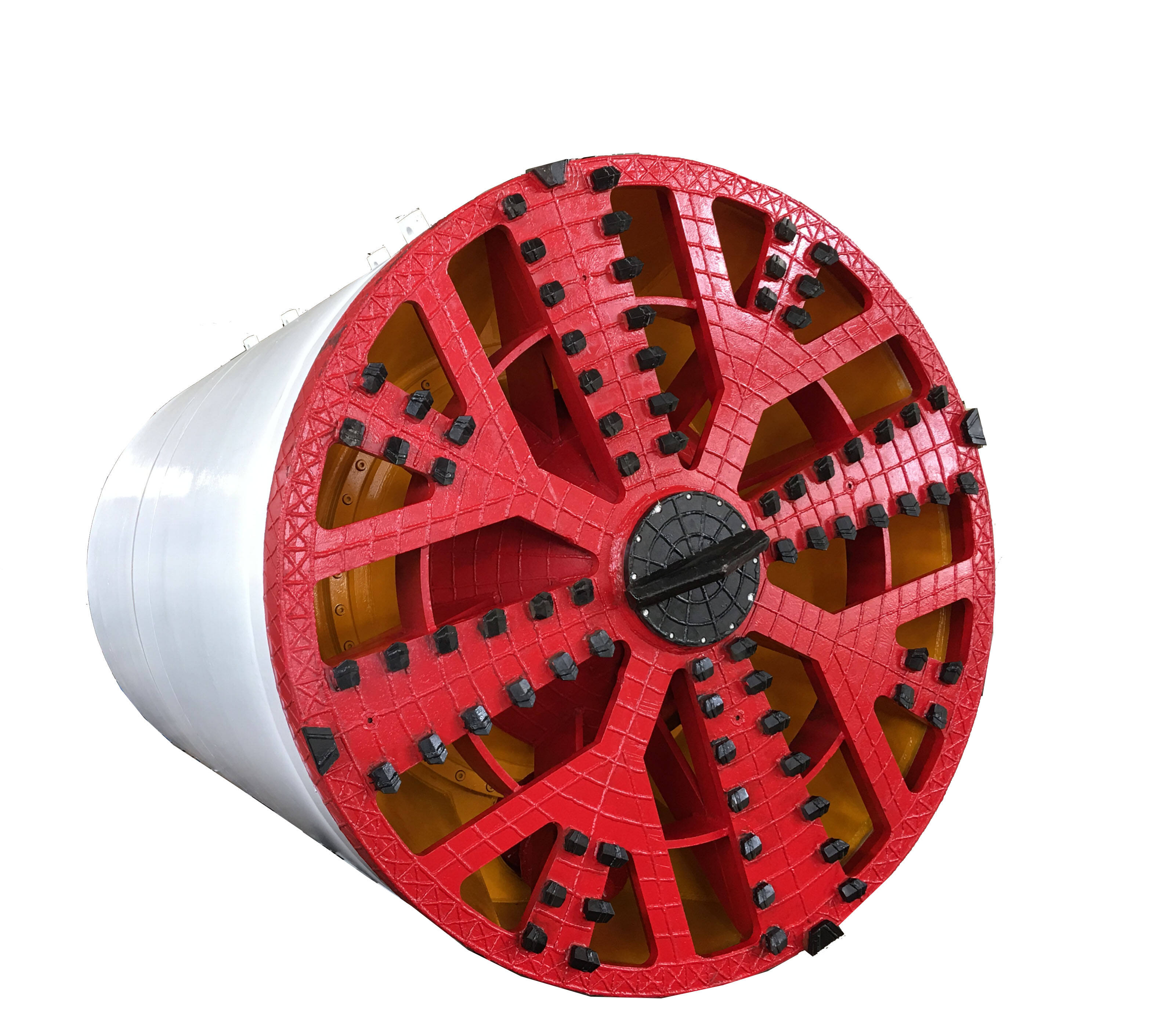
Խողովակների մեջ դնելու շինարարական աշխատանքների ընթացքում ժելի ներարկման համակարգը կարևոր դեր է խաղում խողովակի արտաքին մակերեսի և շրջապատող հողի միջև շփման նվազեցման մեջ, ինչը հնարավորություն է տալիս խողովակների շարքին հարթ առաջանալ գետնի մեջ։ Ճիշտ պահպանվող քսանյութի շրջանառության բացակայության դեպքում շփման դիմադրությունը կարող է կտրուկ աճել, ինչը կարող է հանգեցնել սարքավորումների վերաբեռնման, խողովակների միացման մասերի վնասման և ծախսատար նախագծային արգելակումների։ Այս համակարգի հետ կապված բոլոր պահպանման ընթացակարգերի մեջ լվացումը ամենաշատ սխալ հասկացված և ամենաքիչ համապատասխան կիրառվող գործողությունն է ակտիվ շինարարական տեղամասերում։
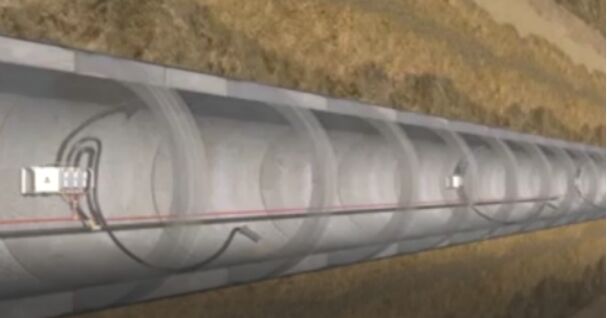
Այն հարցը, թե որքան հաճախ պետք է լվանալ ժելի ներարկման համակարգը, չունի մեկ համընդհանուր պատասխան: Լվացման հաճախականությունը կախված է երկրաբանական պայմաններից, օրական շահագործման ժամերի քանակից, ժելի բաղադրության բնութագրերից և խողովակի առաջխաղացման երկարությունից: Այս փոփոխականների հասկանալը և դրանց շուրջ կազմված կանոնավոր լվացման գրաֆիկը անհրաժեշտ են ձեր սարքավորումների և ձեր նախագծի ժամանակացույցի ամբողջականության պաշտպանության համար: Այս հոդվածը վերլուծում է լվացման միջակայքերի վրա ազդող հիմնական գործոնները և տրամադրում է գործնական ուղեցույցներ դաշտային թիմերի համար, որոնք ակտիվ խողովակի առաջխաղացման միջավայրում աշխատում են ժելի ներարկման համակարգի հետ:
Ինչու է կարևոր ժելի ներարկման համակարգի լվացումը
Հազվադեպ լվացման հետևանքները
Երբ ժելի ներարկման համակարգը չի լվացվում համապատասխան միջակայքերով, մնացորդային շառաչային ժելը կարող է սկսել սառչել, կոշտանալ կամ բաժանվել ներարկման միջոցներում, սեղմանոցներում և պոմպի խցիկներում: Կախված օգտագործվող ժելի տեսակից՝ բենտոնիտային սուսպենզիա, պոլիմերով հարստացված ժել կամ հատուկ թիքսոտրոպ միացություններ, սառչելու ժամանակը և վարքը շղթայի ներսում տարբերվելու են: Սակայն բոլոր շառաչային միջոցները ունեն մեկ ընդհանուր հատկանիշ՝ եթե երկար ժամանակ մնան ճնշված միջոցների ներսում, դրանք մեխանիկորեն և քիմիապես կվատանան:
Արտանետման բերանների խցանումը ամենաանմիջական հետևանքն է: Երբ սեղանները խցանվում են, շարժաբանական յուղապարունակ հեղուկը այլևս չի բաշխվում հավասարաչափ խողովակի օղակաձև տարածքում, ինչը ստեղծում է շփման տաք կետեր, որոնք անհավասար բեռնվածություն են ստեղծում դարբնագործային շրջանակի և խողովակների միացման մասերի վրա: Ժամանակի ընթացքում այս անհավասար լարվածության բաշխումը կարող է ճեղքել խողովակների զանգակները, խողովակների շարքի անհամապատասխանություն առաջացնել կամ առաջացնել պատրաստված հարթությունից շրջանային գլխի շեղում: Այս բոլոր հետևանքների վերացումը շատ ավելի թանկ է, քան ճիշտ ժամանակին կատարված լվացման գործողության արժեքը:
Սեղանների խցանումից բացի՝ անտեսված ժելի ներարկման համակարգը կարող է տառապել ներքին պոմպի մաշվածությունից՝ շատրվանային ժելի մասնիկների պատճառով, որոնք չորացել և կոշտացել են: Պոմպի սեալները, ստուգման կափարիչները և խառնման խցիկները բոլորն էլ վտանգված են վնասվելու համար, երբ ստիպված են աշխատել մասամբ սառչած նյութի դեմ: Լվացման ցիկլը հեռացնում է այս նյութը, մինչ այն հասնի վնասման սահմանին, ինչը երկարացնում է ամբողջ շարժաբանական յուղապարունակ հեղուկի մատակարարման համակարգի սպասարկման ժամկետը:
Իրականում լվացումը ինչ է ձեռք բերում
Ջելի ներարկման համակարգի լվացումը մաքուր ջրով կամ համատեղելի լվացող միջոցով հեռացնում է մնացորդային ջելը շրջանակի բոլոր խոնավացված մակերևույթներից: Դա վերականգնում է ներքին ճնշման սկզբնական մակարդակը, թույլ է տալիս շահագործողներին ստուգել, որ բոլոր ներարկման պորտերը բաց են և հոսում են, և կանխում է ջելի բաղադրիչների քիմիական քայքայումից առաջացած կոռոզիայի առաջացումը մետաղական մասերի ներսում: Հիմանական լվացումը նաև տալիս է սպասարկման անձնակազմին տեսանելի և ճնշման վրա հիմնված հստակ հաստատում, որ համակարգը գտնվում է շահագործման համար պիտանի վիճակում՝ հաջորդ բարձրացման շիֆտի սկսելուց առաջ:
Երկար շահագործման ժամանակ՝ հատկապես 100 մետրից ավելի երկարությամբ դեպքերում, լվացումը դառնում է նույնիսկ ավելի կարևոր, քանի որ ժելեն պետք է ավելի երկար ճանապարհ անցնի ներարկման շղթայով՝ մինչև խողովակ-հող սահմանին հասնելը: Խողովակի ավելի երկար հատվածները մեծացնում են ճնշման կորստի և ժելեի բաժանման ռիսկը, ինչը ստիպում է լվացումը կատարել պարբերաբար՝ որպես խողովակաշարի ամբողջ երկարությամբ համասեռ քսանյութի մատակարարման ապահովման անփոխարինելի մաս: Երկար շահագործման համար նախատեսված ինքնաշախտ ցեմենտային քսանյութի համակարգը սովորաբար ներառում է ծրագրավորելի լվացման ցիկլեր՝ հենց այս պատճառով:
Ստանդարտ լվացման միջակայքեր ակտիվ խողովակի մխրճման ընթացքում
Շիֆտի ավարտին լվացումը՝ որպես հիմնարար պահանջ
Շղթայավորման գործողության ընթացքում խողովակների մեջ ներմուծման պրակտիկայում ամենաշատ ընդունված սկզբունքն այն է, որ յուրաքանչյուր գործառնական շիֆտի ավարտին լվացվում է ժելի ներմուծման համակարգը՝ անկախ նրանից, թե այդ ժամանակահատվածում որքան մետր է առաջացել: Շիֆտի ավարտի լվացումը ապահովում է, որ շաբաթօրյա հանգստի ընթացքում գծերի ներսում ճնշման տակ չմնա որևէ մնացորդային ժել: Անկախ նրանից, թե հաջորդ շիֆտը սկսվում է չորս թե չորսդեսը ժամ անց, լվացված համակարգը կվերսկսի աշխատանքը մաքրությամբ՝ առանց ճնշման տակ մաքրման կամ ձեռքով սեղանակների մաքրման անհրաժեշտության:
Շիֆտի ավարտի լվացումը սովորաբար պահանջում է հինգից մինչև տասնհինգ րոպե՝ կախված ընդհանուր գծի երկարությունից, ներմուծման բացվածքների քանակից և սկզբնավայրի շախտում առկա ջրի ճնշումից: Աշխատավորները պետք է համոզվեն, որ լվացման ջուրը մաքրությամբ դուրս է գալիս բոլոր ակտիվ ներմուծման բացվածքներից, նախքան համակարգի անջատումը: Ցանկացած բացվածք, որը չի ապահովում մաքուր հոսք սպասվող ճնշման տակ, պետք է նշվի ստուգման համար՝ հաջորդ շղթայավորման գործողության սկսելուց առաջ:
Բարձր ջերմաստիճանի պայմաններում կամ արագ սառչող ժելի բաղադրությունների օգտագործման դեպքում մեկ շիֆտի վերջում կատարվող լվացումը միայնակ կարող է անբավարար լինել: Այս պայմաններում շիֆտի ընթացքում միջանկյալ լվացումը՝ սովորաբար անընդհատ ջեկինգի երկու և չորս ժամը մեկ, խիստ առաջարկվում է գործողությունների ընթացքում շղթայի ներսում ժելի սառչելու սկզբնավորումը կանխելու համար:
Միջին դիրքում տեղադրված լվացման մեխանիզմի ակտիվացման պայմաններ՝ ստանդարտ գրաֆիկից դուրս
Կան մի շարք դաշտային պայմաններ, որոնք պետք է առաջացնեն ժելի ներարկման համակարգի անպլանավոր լվացում, նույնիսկ եթե ստանդարտ միջակայքը դեռ չի լրացել: Հողի պայմաններում համապատասխան փոփոխության չլինելու դեպքում ջեկինգի ուժի հանկարծակի աճը ամենաուժեղ ցուցանիշներից մեկն է, որ շահագործման հեղուկի մատակարարումը խախտվել է: Եթե ջեկինգի շրջանակում հիդրավլիկ ճնշումը բարձրանում է, իսկ առաջխաղացման արագությունը նվազում է, ապա ջեկինգի վերսկսելուց առաջ անհրաժեշտ է ստուգել և լվացել ժելի ներարկման համակարգը:
Նմանապես, եթե ցանկացած պլանավորված չլինելու կանգը տևում է ավելի քան երեսուն րոպե, ապա աշխատանքը շարունակելուց առաջ անհրաժեշտ է կատարել մասնակի լվացում: Երկարատև կանգերի դեպքում ժելեն սկսում է գրավիտացիոն ուժի ազդեցությամբ տեղաշարժվել օղակաձև տարածքում, իսկ ներարկման մայրուղիներում ստատիկ ճնշումը կարող է անհավասարաչափ նվազել: Այս վիճակը չվերացնելու դեպքում հարթակի շարունակումը վտանգավոր է, քանի որ խողովակը կարող է շարժվել մասնակի քսված օղակաձև տարածքում, ինչը կտրուկ մեծացնում է խողովակի միացման մասերի ճեղքվելու կամ շարժման վայրի վրա գտնվող հողի նստելու վտանգը:
Երկրաբանական անցումները՝ հատկապես այն դեպքում, երբ շարժիչը անցնում է կպչուն կավից ավազոտ կամ գրավելյան շերտերին, — նույնպես պահանջում են անմիջապես համակարգի ստուգում և լվացում: Տարբեր հողատիպերը տարբեր կերպ են փոխազդում քսանյութային ժելի հետ, իսկ անցումային գոտիներում հաճախ առաջանում է ժելի արագ ներծծում կամ կորուստ, որը շղթան թողնում է անսովոր ճնշման պայմաններում: Այդ անցումային կետերում ժելի ներմուծման համակարգի լվացումն ու կրկին լցումը հնարավորություն է տալիս շահագործողներին վերակարգավորել ներմուծման արագությունը՝ համապատասխանեցնելով նոր հողային պայմաններին:
Ներկայիս լվացման հաճախականության վրա անմիջական ազդող գործոններ
Ժելի բաղադրությունը և սառչելու ժամանակը
Լուծակի քիմիական բնութագրերը լվացման հաճախականությունը որոշելու համար ամենակարևոր փոփոխականն են: Բենտոնիտի վրա հիմնված սուսպենզիաները համեմատաբար երկար աշխատանքային ժամանակ ունեն և կարող են մնալ հեղուկ ներարկման շղթայում մի քանի ժամ, մինչև սկսեն գելանալ: Ի հակադրություն դրան՝ պոլիմերով հարստացված կամ թիքսոտրոպիկ բաղադրությունները կարող են շատ ավելի արագ սկսել սառչել՝ հատկապես բարձրացված ջերմաստիճանների դեպքում կամ բարձր կոնցենտրացիայով պատրաստելիս: Ցանկացած գելի տեխնիկական տվյալների թերթիկը, որն օգտագործվում է գելի ներարկման համակարգում, պետք է նշի «բաց ժամանակը» (open time), որը լվացումը պահանջելու առաջ թույլատրելի առավելագույն ժամանակն է:
Այն թիմերը, որոնք նախագծի ընթացքում միջանկյալ փոխում են ժելի բաղադրությունը՝ հաճախ մատակարարման փոփոխությունների կամ հողի վիճակի փոփոխման պատճառով, ստիպված են համապատասխանաբար վերակարգավորել իրենց լվացման գրաֆիկը: Դանդաղ սառչող բենտոնիտային սուսպենզիայի համար հարմար լվացման միջակայքը կարող է վտանգավոր երկար լինել արագ սառչող պոլիմերային ժելի համար: Լվացման հաճախականությունը նախագծի ֆիքսված պարամետր համարելը՝ այլ ու ոչ թե բաղադրությունից կախված փոփոխական, մի տարածված և թանկարժեք սխալ է բազմափուլ խողովակավարման նախագծերում:
Շարժման երկարություն, խողովակի տրամագիծ և համակարգի կոնֆիգուրացիա
Երկար շահագործումը պահանջում է ժելի ներարկման համակարգը՝ քանի որ այն պետք է ապահովի քսումը մեծ օղակաձև մակերեսի վրա, իսկ ներարկման շղթան իր հերթին պետք է տարածի ժելը մեծ հեռավորություններով: Շղթայի երկարության աճի հետ մեկտեղ աճում է ճնշման անկման, ժելի բաժանման և անհավասարաչափ բաշխման վտանգը: Այն նախագծերը, որտեղ շահագործման երկարությունը գերազանցում է 150 մետրը, սովորաբար պահանջում են ավելի հաճախակի լվացում՝ երբեմն ակտիվ մեքենայացված տեղադրման ընթացքում յուրաքանչյուր երկու-երեք ժամը մեկ՝ որպեսզի ապահովվի ժելի հաստատուն մատակարարումը խողովակաշարի ամբողջ երկարության վրա, այլ ոչ թե նրա կուտակումը ներարկման մանիֆոլդի մոտ:
Շղթայի տրամագիծը նույնպես կարևոր դեր է խաղում: Մեծ տրամագծով շղթաների համար առաջընթացի յուրաքանչյուր մետրի համար ավելի մեծ ժելի ծավալ է անհրաժեշտ, ինչը նշանակում է, որ ներարկման շղթան յուրաքանչյուր մխոցման շիֆտի ընթացքում մշակում է զգալիորեն ավելի շատ նյութ: Բարձր արտադրողականությունը արագացնում է պոմպի բաղադրիչների մաշվելու արագությունը և մեծացնում է շղթայի ցածր հոսքի գոտիներում ժելի կուտակման հավանականությունը: Մեծ տրամագծով մխոցումների ժամանակ որոշ փորձառու մատակարարներ նույնիսկ այն դեպքում, երբ ստանդարտ գրաֆիկը դեռ չի պահանջում դա, կատարում են շիֆտի մեջտեղում կարճ լվացում՝ պոմպի հավաքածուն պաշտպանելու նախապաշտպանական միջոց որպես:
Ժելի ներարկման համակարգի կառուցվածքը՝ արդյոք այն օգտագործում է մեկ կենտրոնական մանիֆոլդ, թե՞ շղթայի երկայնքով տարածված ներարկման կայաններ, նույնպես ազդում է լվացման հերթականության վրա: Բազմաշրջանային ներարկման գոտիներ ունեցող տարածված համակարգերի դեպքում կարող է պահանջվել գոտի առ գոտի լվացում՝ այլ ոչ թե մեկ ընդհանուր համակարգային մաքրում, որը ավելի երկար է տևում, սակայն ապահովում է շղթայի յուրաքանչյուր հատվածի ճիշտ մաքրումը:
Շրջակա միջավայրի ջերմաստիճանը և վայրի պայմանները
Բարձր շրջակա միջավայրի ջերմաստիճանները արագացնում են քիմիական ռեակցիաները, որոնք հանգեցնում են քսանյութային ժելերի սառչելուն, ինչը նշանակում է, որ ջրալվացման ժամկետները պետք է կրճատվեն տաք եղանակին կամ ստորերկրյա միջավայրերում, որտեղ սարքավորումների շահագործման ջերմությունը բարձրացնում է ներարկման շղթայի ջերմաստիճանը: Ամառային ամիսներին կամ ջերմային ակտիվ գետնի պայմաններում օպերատորները պետք է ստանդարտ ջրալվացման ժամկետները կրճատեն քսանից երեսուն տոկոսով՝ որպես պահպանողական հարմարեցում:
Ընդհակառակը, սառը պայմաններում՝ հատկապես ձմեռային ժամանակ խողովակների մեջ մտցնելու կամ ստորերկրյա ջրերի ջերմաստիճանը ցածր լինելու շրջաններում՝ ժելի սառչելու ժամանակը երկարանում է, ինչը կարող է թույլ տալ մի փոքր երկար միջակայքեր լվացման միջև: Սակայն սառը պայմանները ներկայացնում են առանձին ռիսկ՝ հնարավոր է, որ լվացման ջուրը սառչի ներարկման շղթայի ներսում հանգստի ընթացքում: Զրոյից ցածր ջերմաստիճանների պայմաններում լվացման միջոցը կարող է պարունակել սառը դիմացկուն ավելացումներ կամ շղթան ամբողջությամբ դատարկվել, այլ ոչ թե պարզապես լվացվել յուրաքանչյուր շիֆտից հետո:
Կայանքի համար հատուկ լվացման պրոտոկոլի սահմանում
Լվացման գրաֆիկի կազմում աշխատանքների սկսելուց առաջ
Ջելի ներարկման համակարգի լվացման ամենահուսալի մոտեցումը նախագծման փուլում, առաջին խողովակի տեղադրումից առաջ, մշակել տվյալ վայրի համար նախատեսված պրոտոկոլն է: Այս պրոտոկոլը պետք է հիմնված լինի ջելի տեխնիկական տվյալների թերթիկի, շարժման երկարության և տրամագծի, համապատասխան ուղղությամբ սպասվող գետնային պայմանների, օրական միջին շահագործման ժամերի և վայրի շրջակա միջավայրի ջերմաստիճանի տիրույթի վրա: Այս մուտքային տվյալները միասին որոշում են սկզբնական լվացման միջակայքը և այն պայմանները, որոնց դեպքում անհրաժեշտ է անսպասելի լվացում:
Լվացման պրոտոկոլը պետք է փաստաթղթավորվի, տարածվի բոլոր շիֆտերի վարպետների միջև և ամենօրյա շիֆտից առաջ անցկացվող հանդիպման ժամանակ վերանայվի: Երբ ջելի ներարկման համակարգը շահագործվում է մի քանի շիֆտերի կողմից, բոլոր խմբերի միջև լվացման նկատմամբ համապատասխան կարգապահությունը կարևորագույնն է: Մեկ շիֆտի կողմից լվացման մեկ անգամ բաց թողնելը կարող է ստեղծել խնդիրներ, որոնք հայտնաբերվելու են միայն հաջորդ շիֆտի կողմից՝ և ուղղվելու են նշանակալի ծախսերով:
Վերահսկում և փաստաթղթավորում շարժման ընթացքում
Յուրաքանչյուր լվացման իրադարձությունը պետք է գրանցվի՝ նշելով ժամանակը, լվացման պահին մետրի ցուցմունքը, լվացման տևողությունը և առանձին պորտերից հոսքի համասեռության վերաբերյալ ցանկացած դիտարկում: Այս գրանցամատյանը ծառայում է որպես որակի ապահովման գրառում և ախտորոշման միջոց: Եթե բարձրացման ուժը սկսում է անսպասելիորեն աճել, լվացման գրանցամատյանը թույլ է տալիս ինժեներներին ճնշման աճը կապել վերջերս կատարված յուղափոխման իրադարձությունների հետ և որոշել, թե արդյոք անբավարար կամ ուշացված լվացումն է նպաստել խնդրի առաջացմանը:
Ժամանակակից ավտոմատ շաղախային քսանյութի համակարգերը հաճախ ներառում են թվային մոնիտորինգի ինտերֆեյսներ, որոնք իրական ժամանակում գրանցում են ներարկման ճնշումը, հոսքի արագությունը և ցիկլերի տվյալները: Երբ այս համակարգերը ներառում են ծրագրավորելի լվացման ցիկլեր, մոնիտորինգի տվյալները ապահովում են լվացման գործողությունների ավտոմատ մատյան, որը կարող է հեռավար վերլուծվել նախագծի ինժեներների կողմից: Այս տվյալների ինտեգրումը դիմադրության ուժի գրառումների հետ ստեղծում է համատեղված կատարման պրոֆիլ, որը անգնահատելի է խնդիրների լուծման և նմանատիպ գետնային պայմաններում հաջորդ շարժումների պլանավորման համար:
Եթե հաստատուն մոնիտորինգը ցույց է տալիս, որ լվացման իրադարձությունները կապված են բարձրացման ուժի ժամանակավոր նվազման հետ՝ սա նորմալ և սպասված արդյունք է, — դա հաստատում է, որ ժելի ներարկման համակարգը ճիշտ է աշխատում և լվացման գրաֆիկը համապատասխան է: Եթե լվացումից հետո բարձրացման ուժը մնում է բարձր, ապա խնդիրը, ամենայն հավանականությամբ, գտնվում է շարժաբերման համակարգի այլ մասում, օրինակ՝ ժելի ծավալի անբավարարություն, ժելի կոնցենտրացիայի սխալ մակարդակ կամ պոմպի հավաքածուի մեխանիկական մաշվածություն:
Հաճախադեպ տրվող հարցեր
Որքան ժամանակ պետք է տևի լվացման ցիկլը միջին չափի խողովակի բարձրացման շարժաբերման ժելի ներարկման համակարգում:
Սովորական 50–100 մետրանոց ընթացքի դեպքում ժելի ներարկման համակարգի լրիվ լվացման ցիկլը պետք է տևի 5–15 րոպե, կախված ակտիվ ներարկման պորտերի քանակից և առկա լվացման ջրի ճնշումից: Ավելի երկար ընթացքները՝ ավելի շատ ներարկման գոտիներով, կարող են պահանջել 20–30 րոպե՝ համոզվելու համար, որ շղթայի բոլոր հատվածները լրիվ մաքրված են: Լվացումը ավարտված է, երբ ջուրը մաքրորեն դուրս է գալիս բոլոր պորտերից՝ համաչափ ճնշմամբ և առանց տեսանելի ժելի մնացորդների:
Կարելի է արդյո՞ք ժելի ներարկման համակարգը թողնել առանց լվացման մեկ գիշերվա ընթացքում, եթե աշխատանքը անսպասելիորեն դադարեցվի:
Ոչ: Եթե բարձրացման գործողությունները անսպասելիորեն դադարեցվեն, ժելի ներարկման համակարգը պետք է լվացվի հնարավորին չափ շուտ, անկախ օրվա ժամից կամ դադարի ենթադրյալ տևողությունից: Ժելի մնացորդների գիշերային կամ երկարատև մնալը ներարկման շղթայում վտանգում է մասնակի սառչելու հնարավորությունը միջուկներում և սեղանակներում, ինչը կարող է պահանջել մեծ ջանքեր լվացման համար և որոշ դեպքերում՝ բաղադրիչների փոխարինում, մինչև աշխատանքների անվտանգ վերսկսումը:
Հողի տեսակը ազդում է արդյո՞ք ժելի ներարկման համակարգի լվացման հաճախականության վրա:
Այո, հողի տեսակը ուղղակի ազդեցություն է ունենում ժելի վարքագծի վրա և, հետևաբար, լվացման հաճախականության վրա: Բարձր թափանցելիություն ունեցող հողերը, ինչպես օրինակ՝ ավազը և գրավելը, ժելը շատ ավելի արագ են կլանում, քան կապված հողերը, ինչպես օրինակ՝ կավը, որը նշանակում է, որ ժելի ներմուծման համակարգը պետք է ավելի բարձր արագությամբ ներմուծի ժել և կարող է ավելի արագ սպառել իր պաշարը այս պայմաններում: Ավելի հաճախակի ներմուծման ցիկլերը նաև նշանակում են, որ շրջանառության մեջ ավելի շատ մնացորդային ժել է կուտակվում, ինչը, ընդհանուր առմամբ, հիմնավորում է ավելի կարճ լվացման միջակայքերի անհրաժեշտությունը: Երբ շարժիչը անցում է մեկ հողի տեսակից մյուսին՝ նշանակալիորեն տարբերվող հողերի միջև, ինժեներները պետք է համապատասխանաբար հարմարեցնեն լվացման գրաֆիկը:
Կարելի՞ է արդյոք չափից շատ լվացել ժելի ներմուծման համակարգը և խնդիրներ առաջացնել:
Ծանրաբեռնված լվացումը սովորաբար չի հանդիսանում մեխանիկական խնդիր ժելի ներարկման համակարգի համար, սակայն այն կարող է թեթևացնել կամ տեղաշարժել լուբրիկացիոն ժելը խողովակի աննուլյար տարածքից, եթե այն իրականացվի շարժման ընթացքում՝ առանց հետագայում ճշգրիտ դոզավորման: Ճիշտ հաջորդականությունն այն է, որ լվացումից հետո անմիջապես կրկին ներարկվի նոր ժել, երբ լվացումը տեղի է ունենում ակտիվ ջեքինգի ընթացքում: Ավելցված լվացումը հիմնականում վտանգ է ներկայացնում աշխատանքային վայրում ջրի կառավարման և այն դեպքերում, երբ լվացման ջուրը կարող է ազդել շրջակա հողի կայունության վրա, հատկապես զգայուն հողային պայմաններում:
Բովանդակության ցուցակ
- Ինչու է կարևոր ժելի ներարկման համակարգի լվացումը
- Ստանդարտ լվացման միջակայքեր ակտիվ խողովակի մխրճման ընթացքում
- Ներկայիս լվացման հաճախականության վրա անմիջական ազդող գործոններ
- Կայանքի համար հատուկ լվացման պրոտոկոլի սահմանում
-
Հաճախադեպ տրվող հարցեր
- Որքան ժամանակ պետք է տևի լվացման ցիկլը միջին չափի խողովակի բարձրացման շարժաբերման ժելի ներարկման համակարգում:
- Կարելի է արդյո՞ք ժելի ներարկման համակարգը թողնել առանց լվացման մեկ գիշերվա ընթացքում, եթե աշխատանքը անսպասելիորեն դադարեցվի:
- Հողի տեսակը ազդում է արդյո՞ք ժելի ներարկման համակարգի լվացման հաճախականության վրա:
- Կարելի՞ է արդյոք չափից շատ լվացել ժելի ներմուծման համակարգը և խնդիրներ առաջացնել: