
 EN
EN
 AR
AR BG
BG HR
HR CS
CS FR
FR DE
DE EL
EL HI
HI IT
IT JA
JA KO
KO RO
RO RU
RU ES
ES TL
TL ID
ID LT
LT SK
SK SL
SL UK
UK VI
VI ET
ET TH
TH TR
TR FA
FA AF
AF MS
MS HY
HY AZ
AZ KA
KA BN
BN LO
LO LA
LA MN
MN NE
NE MY
MY KK
KK UZ
UZ KY
KY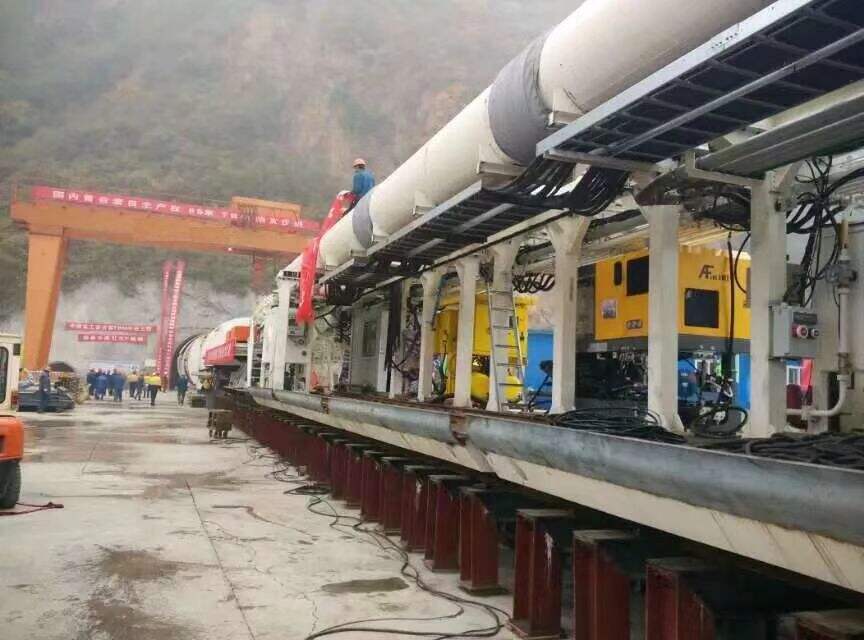
Sa ilalim ng konstruksyon at sa mga teknolohiyang walang kurbata (trenchless), kakaunti lamang ang mga salik sa gastos na nagpapabigla nang higit sa mga project manager kaysa sa agwat sa rate ng pagpapautang sa pagitan ng karaniwang kagamitan at ng mga kagamitan na kayang gumana sa bato. Kapag nagsisimula ang isang kontraktor sa pagbuo ng badyet para sa isang proyektong pagpapalawak ng tunel sa pamamagitan ng matitigas na anyo ng heolohikal, ang presyo ng pagkuha ng isang pipe jacking machine na-rate para sa mga kondisyon ng bato ay maaaring magkaroon ng kahalagang malaki ang pagkakaiba kung ihahambing sa kanilang inaasahan batay sa nakaraang mga proyekto sa malalambot na lupa. Ang pagkakaiba na ito ay hindi arbitraryo — ito ay sumasalamin sa pagsasama-sama ng kumplikadong inhinyerilya, panganib sa operasyon, demand sa merkado, at ekonomiya ng buong buhay ng asset na sama-sama ay nagpapaliwanag sa mas mataas na presyo ng pagrenta para sa mga modelo na ginagamit sa bato.
Ang pag-unawa kung bakit pinapresyo ng merkado ng pagrenta ang mga yunit ng pipe jacking machine para sa mga kondisyon ng bato nang may premium ay nangangailangan ng pagsusuri sa ilang magkakaugnay na kadahilanan. Mula sa espesyal na mga kasangkapang pangputol na nakapaloob sa cutterhead hanggang sa mga pinalakas na sistema ng thrust, mula sa limitadong availability ng kwalipikadong kagamitan sa fleet hanggang sa mapaginhawang mga siklo ng pagpapanatili sa pagitan ng bawat deployment, bawat layer ay nagdaragdag sa kabuuang gastos ng pagmamay-ari na kailangang ma-recover ng mga kumpanya ng pagrenta. Ang artikulong ito ay tatalakay sa mga pangunahing dahilan ng premium na ito, na nagbibigay ng konteksto sa mga tagaplanong proyekto at mga koponan ng pagbili upang masuri ang mga kontrata ng pagrenta at gumawa ng impormadong desisyon.
Ang Kahirapan sa Inhinyeriya sa Likod ng mga Modelo ng Kalagayan ng Bato
Disenyo ng Cutterhead at mga Kinakailangang Materyales
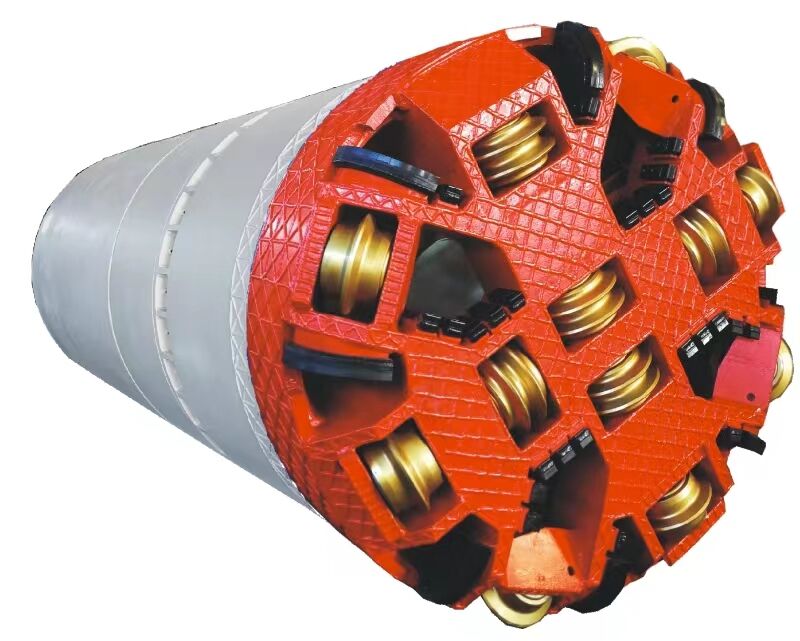
Isang karaniwang makina para sa pipe jacking na idinisenyo para sa malambot na lupa o halo-halong lupa ay gumagana gamit ang mga kagamitang panggupit na angkop para sa mababang antas ng abrasyon at katamtamang resistensya sa pagsasara. Ang mga modelo ng kalagayan ng bato, sa kabilang banda, ay kailangang tumagos sa mga anyo ng bato na may hindi nakakabit na lakas sa pagsasara (unconfined compressive strengths) na maaaring lumampas sa 100 MPa, kung kaya’t nangangailangan ito ng ganap na iba’t ibang arkitektura ng cutterhead. Ang mga disc cutter na gawa sa mataas na kalidad na tungsten carbide o kompositong materyales na may polycrystalline diamond ay isinasama sa isang pinalalakas na steel cutterhead na idinisenyo upang ipasa ang napakalaking pwersang rotational at thrust nang walang structural fatigue.
Ang antas ng inhinyeriyang ito ay hindi paunlarin — kumakatawan ito sa isang lubos na iba't ibang kategorya ng produkto. Ang gastos sa paggawa o pagbili ng isang cutterhead para sa isang pipe jacking machine na kaya ang bato ay maaaring ilang beses na mas mataas kaysa sa isang karaniwang yunit. Ipinapasa ng mga kumpanya ng pagpapaupa ang mga nakapaloob na gastos na ito sa kanilang mga rate structure, at dahil mataas ang halaga ng mga bahagi at nanganganib sa mas mabilis na pagsuot sa mga aplikasyon sa matitigas na bato, mas maikli at mas mahal ang mga siklo ng kapalit.
Dapat din na lubos na mas makapal ang mga hydraulic at mechanical drive system sa isang modelo para sa bato. Kailangan ang mas mataas na torque output upang mapanatili ang mga rate ng pagpasok sa mga dense formation, at dapat ding disenyo ang kabuuang frame ng makina upang absorbohin at i-redirek ang mga reactive force na nabubuo habang nagcu-cut. Ang mga upgrade na istruktural na ito ay hindi opsyonal — kinakailangan ito para sa ligtas at epektibong operasyon sa mga kondisyon ng bato.
Mga Slurry Balance System sa mga Aplikasyon sa Matitigas na Lupa
Maraming variant ng mga makina para sa pipe jacking sa iba't ibang kondisyon ng bato ang gumagamit ng teknolohiyang slurry balance, na nagdaragdag ng karagdagang antas ng kumplikasyon sa sistema. Sa pagpapalawak ng tunel sa matitigas na bato, mahalaga ang pagsasagawa nang sabay-sabay ng pagkontrol sa presyon sa harap ng tunel at pamamahala sa proseso ng pag-alis ng kalat-kalat (muck) upang maiwasan ang parehong pagbagsak ng harap ng tunel at pinsala sa kagamitan. Ang sirkito ng slurry — na kinabibilangan ng mga halaman para sa paghihiwalay, mga bomba ng slurry, mga sistemang tubo, at mga instrumentong pang-monitor — ay nangangailangan ng tiyak na kalibrasyon para sa mga sukat ng mga piraso ng bato na lubhang magkakaiba sa mga aplikasyon sa malambot na lupa.
Ang mga operator ng pagpapautang na nag-iinvest sa mga makina para sa pipe jacking na may teknolohiyang slurry balance para sa mga kondisyong bato ay kailangang panatilihin at ikalibrar ang lahat ng karagdagang komponente sa pagitan ng bawat paggamit. Ito ay isang prosesong nangangailangan ng maraming paggawa na nagdaragdag sa operasyon na gastos bukod sa sarili ng makina. Kapag hinati ang mga gastos na ito sa isang limitadong bilang ng mga siklo ng pagpapautang bawat taon, mas mataas ang rate bawat proyekto upang mapanatili ang kita.
Ang kahalagahan ng kumpiyansa sa pamamahala ng slurry ay nangangahulugan din na ang mga suportang tauhan na may espesyalisadong kaalaman ay kailangang kasama o magbigay ng payo sa pag-deploy ng kagamitan, na nagdaragdag pa ng gastos sa serbisyo sa pakete ng pagpapautang. Ang nasasamang ekspertisya na ito ay bahagi ng bayad na binabayaran ng mga kliyente kapag umaarrenda sila ng yunit ng rock-capable pipe jacking machine.
Ekonomiks ng Buhay ng Asero at Mga Gastos sa Pagmamay-ari
Mas Mataas na Puhunan at Depresasyon
Ang presyo ng pagbili ng isang rock-condition pipe jacking machine ay malaki ang kinalaman sa presyo ng katumbas na soft-ground machine. Ito ay direktang resulta ng mga espesyalisadong materyales, mataas na antas ng kahusayan sa paggawa, at mga naisama nang sistema na inilalarawan sa itaas. Kapag binibili ng isang kumpanya ng pagpapautang ang ganitong uri ng kagamitan, ang puhunan sa kapital ay kailangang mabawi sa loob ng produktibong buhay ng serbisyo ng makina sa pamamagitan ng kita mula sa pagpapautang. Dahil ang mga yunit para sa rock-condition ay karaniwang nakakaranas ng mas agresibong kapaligiran na nagdudulot ng pagkasira, ang kanilang produktibong buhay ng serbisyo — na sinusukat sa oras ng operasyon o sa linear na metro ng binurak — ay maaaring mas maikli kaysa sa mga karaniwang modelo.
Kaya naman, ang mga iskedyul ng pagbaba ng halaga para sa mga asset na mga makina para sa pipe jacking na kaya ng bato ay dapat ma-compress kumpara sa mga kagamitan para sa mas malambot na lupa. Ito ay nagpapabilis sa bilis kung saan kailangang ma-recover ang kapital bawat siklo ng pagpapaupa, na direktang nakaaapekto sa pinakamababang presyo ng anumang kasunduan sa pagpapaupa. Ang mga kumpanya ng pagpapaupa na hindi nasusuri ang dinamikong ito ay maaaring magpa-ubos ng presyo sa kanilang mga asset at harapin ang kakulangan ng kapital kapag ang kagamitan ay umabot na sa katapusan ng kanyang kapaki-pakinabang na buhay nang mas maaga kaysa sa inaasahan.
Ang mga gastos sa insurance at pagsasapautan ay tumataas din batay sa halaga ng asset. Ang isang mas mahal na makina para sa pipe jacking ay may mas mataas na premium sa insurance, at kung pinansiyahan, ay may mas mataas na obligasyon sa pagbabayad ng utang. Ang mga gastos na ito ay isinasama sa mga rate ng pagpapaupa bilang bahagi ng kabuuang istruktura ng gastos na kailangang takpan bago makakuha ng anumang kita.
Pananatili, Pagpapalit ng mga Kagamitan, at Mga Siklo ng Pagpapanumbalik
Sa pagitan ng mga paggamit para sa pagpapaulan, ang isang makina para sa pipe jacking sa kondisyon ng bato ay nangangailangan ng masusing inspeksyon at madalas na malawakang pagpapanumbalik. Ang mga disc cutter ay kailangang inspeksyunin at palitan, ang mga bearing assembly ay kailangang suriin, ang mga seal system ay kailangang subukan, at ang mga pampalamig na weld ay kailangang suriin para sa pagsira dahil sa pagkapagod. Ang antas ng pangangalaga sa pagitan ng mga gawain na ito ay napakalaki kumpara sa kailangan ng kagamitan para sa malambot na lupa.
Ang mga gastos sa tooling lamang ay maaaring kumatawan sa isang malaking bahagi ng kabuuang gastos sa operasyon. Sa mga agresibong kondisyon ng bato, ang rate ng pagsuot ng mga cutter ay maaaring masyadong mataas kaya't isang proyekto lamang ang maaaring gumamit ng maramihang buong set ng disc cutter. Ang mga kumpanya ng pagpapaulan na nagbibigay ng mga cutting tool bilang bahagi ng pakete ay kailangang isama ang gastos na ito para sa consumable sa presyo ng pagpapaulan, samantalang ang mga kumpanya na nagkakabit ng presyo ng tooling nang hiwalay ay kailangang pa ring isaalang-alang ang kumplikadong logistik ng availability ng tool at ang pagpaplano para sa kapalit nito.
Ang kabuuang epekto ay ang bawat siklo ng pagpapautang para sa isang rock pipe jacking machine ay may mas mataas na pasanin sa kaugnay na gastos sa serbisyo at komponente kaysa sa isang katumbas na pag-deploy sa malambot na lupa. Dapat sumalamin ang mga rate ng pagpapautang sa pasaning ito upang matiyak na ang kagamitan ay mananatiling kumikita bilang isang ari-arian na inuutang sa buong haba ng operasyonal nitong buhay.
Mga Panlabas na Pansupply at Dinamika ng Demand
Limitadong Availability ng Fleet sa Pamilihan ng Pagpapautang
Isa sa pinakadirektang dahilan kung bakit mataas pa rin ang mga rate ng pagpapautang para sa mga kagamitan sa rock-condition pipe jacking machine ay ang simpleng supply at demand. Ang bilang ng mga yunit ng rock-capable pipe jacking machine na available sa pamilihan ng pagpapautang ay malaki ang pagkakaiba—mas maliit kaysa sa bilang ng mga karaniwang modelo. Maraming fleet ng pagpapautang ay itinatayo sa paligid ng mas karaniwang mga makina para sa malambot na lupa at mixed-face, dahil ang mga ito ay sumasaklaw sa pinakamalawak na hanay ng mga uri ng proyekto at nag-aalok ng mas mataas na rate ng paggamit.
Kapag kailangan ng isang proyekto ang tunay na makapal na makina para sa pipe jacking sa ilalim ng bato, karaniwang nakikipagkumpitensya ang kontratista sa mas maliit na hanay ng magagamit na kagamitan. Ang limitasyon sa suplay na ito ay nagbibigay ng kapangyarihan sa mga kumpanya ng pagpapautang sa pagtakda ng presyo at inaalis ang presyon ng kompetisyon na kung hindi man ay pababain ang mga rate. Sa mga rehiyon kung saan ang pag-unlad ng urban infrastructure ay nagpupush ng mga tunnel sa pamamagitan ng lumalalang geolohiya, maaaring lalo pang matarik ang limitasyong ito.
Ang espesyalisadong kalikasan ng kagamitan para sa bato ay nangangahulugan din na mas kaunti ang mga kumpanya ng pagpapautang na handang mag-invest dito. Ang mas mataas na gastos sa kapital, kumplikadong pangangalaga, at mas maliit na target na merkado ay ginagawa itong mas mapanganib na kategorya ng ari-arian kaysa sa mga kagamitang pangkalahatan. Ang mga kumpanya na talagang nag-iinvest sa mga fleet ng pipe jacking machine na kaya ang bato ay gumagana sa isang sub-merkado na may mas kaunting kompetisyon at maaaring magtakda ng presyo ayon sa gayon.
Pagsisipot ng Demand sa Proyekto at Mga Panahon ng Paggamit
Ang demand para sa mga pagrenta ng makina para sa pipe jacking na may kakayanan sa bato ay karaniwang nakatuon sa mga pangunahing proyektong pang-infrastraktura — ang pagpapalawak ng metro sa urbanong lugar, ang pag-upgrade ng mga sistema ng tubig at wastewater sa mga lugar na may matitigas na lupa, ang mga undercrossing ng highway sa pamamagitan ng mga naka-consolidate na geological formation, at ang mga katulad na mataas ang halaga na kontrata. Ang mga proyektong ito ay madalas na nangangailangan ng malaking puhunan, sensitibo sa oras, at heograpikal na nakapupuwesto nang magkakasama, na lumilikha ng maikling panahon ng napakalakas na demand para sa espesyalisadong kagamitan.
Kapag ang maraming malalaking proyekto sa isang rehiyon ay nangangailangan ng mga yunit ng pipe jacking machine na may kakayanan sa bato sa parehong oras, tumataas pa ang mga rate ng pagrenta dahil sa kompetisyong bidding para sa limitadong availability. Ang mga may-ari ng proyekto at pangkalahatang kontratista na may mahigpit na deadline at penalty clause para sa anumang pagkaantala ay madalas na handang magbayad ng premium upang masiguro ang kagamitan imbes na panganibin ang anumang pagkaantala sa schedule. Ang ganitong kahandaan na magbayad sa margin ay sumusuporta at pinapatatag ang mas mataas na rate structure na ipinapanatili ng mga kumpanya ng pagrenta para sa mga modelo na may kakayanan sa bato.
Kabaligtaran nito, sa panahon ng mababang demand, ang mga asset ng rock-condition pipe jacking machine ay maaaring manatiling hindi ginagamit nang mas mahaba kaysa sa karaniwang kagamitan. Ang mga kumpanya ng pagpapautang ay kailangang itakda ang kanilang mga singil nang sapat upang kompensahin ang mga puwang sa paggamit na ito, kabilang ang buffer na nag-aaccount sa mga panahon kung saan ang kagamitan ay hindi nagbibigay ng kita ngunit patuloy pa ring nagkakaroon ng gastos sa imbakan, seguro, at pangangalaga para sa kahandahan.
Paglalaan ng Panganib at Suportang Operasyonal sa Rock Tunneling
Kawalan ng Katiyakan sa Heolohiya at Panganib sa Kagamitan
Ang rock tunneling ay nagpapakilala ng isang kategorya ng panganib sa heolohiya na halos wala sa mga proyektong malambot ang lupa. Ang pabagu-bagong katigasan ng bato, mga hindi inaasahang fault zone, mga kondisyon ng magkahalong mukha na nagbabago sa pagitan ng bato at lupa, at ang presensya ng tubig sa ilalim ng lupa sa ilalim ng presyon sa mga nabali na bato ay pawang lumilikha ng mga senaryo kung saan ang isang pipe jacking machine ay maaaring makaranas ng mga kondisyon na lumalagpas sa mga parametro ng disenyo nito o nangangailangan ng agarang pagsasaayos sa operasyon.
Ang mga kumpanya na nagpapautang na nag-deploy ng kagamitan para sa rock-condition pipe jacking machine sa mga ganitong kapaligiran ay may mas mataas na panganib na masira ang makina, mahabang panahon ng pagkakatigil sa operasyon, o maagang pagkabigo ng mga bahagi. Ang premium sa panganib na kasama sa mga rate ng pagpapautang ay sumasalamin sa panganib na ito. Kahit na may sapat na geotechnical investigation bago ang isang proyekto, maaaring mag-iba ang mga kondisyon sa ilalim ng lupa mula sa mga hula, at ang mga bunga ng pinsala sa kagamitan sa isang malalim na tunnel ay napakamahal at mas kumplikado na solusyunan kumpara sa mga pinsala sa mga makina sa ibabaw.
Ang ilang mga kasunduan sa pagpapautang para sa mga yunit ng rock pipe jacking machine ay may kasamang mga probisyon sa kontrata para sa karagdagang bayad kung may abnormal na pagkasuot na dulot ng hindi inaasahang mga kondisyon sa heolohiya. Ang mekanismong ito ng pagbabahagi ng panganib ay nagbibigay-daan sa mga kumpanya na nagpapautang na mag-alok ng base rate habang pinoprotektahan sila laban sa napakalaking sobrang gastos, ngunit ang base rate mismo ay kasama pa rin ang premium sa panganib na heolohikal.
Suportang Teknikal at mga Dalubhasang Kawani
Ang pagpapatakbo ng isang rock-condition pipe jacking machine ay nangangailangan ng mas mataas na antas ng kasanayan ng operator kaysa sa karaniwang kagamitan. Ang pagsasama-sama ng mataas-na-thrust na hydraulic system, kumplikadong pamamahala ng slurry, at real-time na pagsubaybay sa heolohikal ay nangangailangan ng mga operator at supervisor na may tiyak na pagsasanay at karanasan sa field. Ang mga kumpanya na nagpapautang na nagbibigay ng suportang teknikal bilang bahagi ng kanilang serbisyo ay kailangang mangalaga o mag-contract sa mga ekspertong ito, at ang kanilang bayad ay isinasama sa presyo ng pagpapautang.
Kahit kapag ang mga operator ay ipinapadala ng kliyente, ang mga kumpanya na nagpapautang ay kadalasang nagbibigay ng mandatory na induction training, remote technical support, at engineering assistance na available sa anumang oras para sa mga deployment ng rock-condition pipe jacking machine. Ang mga antas ng serbisyong ito ay hindi karaniwang kinakailangan para sa pagpapautang ng karaniwang kagamitan at kumakatawan sa tunay na karagdagang halaga — at gastos — na nagpapaliwanag sa bahagi ng pagkakaiba sa presyo.
Ang mga implikasyon sa pananagutan ng pagpapatakbo ng mataas na performans na kagamitan sa pagtutunel ng bato ay nakaaapekto rin sa mga termino ng insurance at kontrata sa paraang nagpapalala pa sa epektibong presyo ng pagrenta. Kapag pinagsama-sama ang lahat ng mga kadahilanang ito, ang mas mataas na presyo ng pagrenta para sa isang rock pipe jacking machine ay hindi isang kawalan ng kahusayan sa merkado kundi isang makatuwirang resulta ng presyo na hinuhubog ng tunay na likidong gastos at panganib.
Madalas Itanong
Bakit mas mahal ang pagrenta ng mga rock-condition pipe jacking machine kaysa sa karaniwang modelo?
Ang mga yunit ng rock-condition pipe jacking machine ay may mas mataas na presyo ng pagrenta pangunahin dahil sa kanilang mas mataas na gastos sa paggawa, espesyalisadong cutterhead at mga bahagi ng drive system, mahigpit na kinakailangan ng pagpapanatili sa pagitan ng bawat pag-deploy, at ang mataas na panganib na kaugnay ng pagtutunel sa matitigas na bato. Ang limitadong availability ng mga makina na ito sa mga rental fleet ay lumilikha rin ng mga limitasyon sa suplay na sumusuporta sa mas mataas na presyo.
Paano nakaaapekto ang kawalan ng katiyakan sa heolohikal sa presyo ng pagrenta ng pipe jacking machine?
Kapag ginagamit ang isang pipe jacking machine sa mga kondisyon ng bato, mas mataas ang panganib na makaharap sa hindi inaasahang mga pagbabago sa heolohiya — tulad ng mga zona ng pabagsak, mga transisyon ng mixed-face, o presurisyadong tubig sa lupa — kaysa sa mga proyektong nasa malambot na lupa. Isinasama ng mga kumpanya ng pagpapautang ang panganib na ito sa kanilang mga singil, at may ilang kontrata na naglalaman ng mga probisyon para sa karagdagang bayad kung ang abnormal na pagkaswear o pinsala ay dulot ng hindi inaasahang kondisyon ng lupa.
Nag-iiba ba ang mga rate ng pagpapautang para sa mga pipe jacking machine na ginagamit sa bato ayon sa rehiyon o uri ng proyekto?
Oo, maaaring mag-iba nang malaki ang mga rate ng pagpapautang para sa mga kagamitan ng pipe jacking machine na ginagamit sa kondisyon ng bato ayon sa heograpiya at konteksto ng proyekto. Ang mga rehiyon na may mataas na konsentrasyon ng mga proyektong imprastruktura sa matitigas na bato at limitadong lokal na suplay ng mga kagamitan para sa pagpapautang ay karaniwang nakakaranas ng mas mataas na rate dahil sa kompetitibong demand. Ang mga malalaking proyekto na may sensitibong oras at may mga klausula ng parusa para sa pagkaantala ay madalas na kumikilos ng premium pricing dahil ang mga kontratista ay binibigyang-prioridad ang seguridad ng kagamitan kaysa sa pagpapababa ng gastos.
Ano ang dapat isaalang-alang ng mga tagaplanong proyekto kapag nagtatakda ng badyet para sa pagpapaupa ng isang rock pipe jacking machine?
Dapat isaalang-alang ng mga tagaplanong proyekto hindi lamang ang base rate ng pagpapaupa ng pipe jacking machine kundi pati na rin ang mga gastos sa tooling at pagpapalit ng cutter, mga bayad sa teknikal na suporta, pagpapaupa ng slurry management system, mga singil sa mobilization at demobilization, at ang posibilidad ng pagpapahaba ng panahon ng pagpapaupa kung ang mga kondisyon sa heolohiya ay magpabagal sa bilis ng pagpasok. Ang pagbuo ng contingency sa badyet para sa kagamitan ay inirerekomenda dahil sa pagkakaiba-iba na likas sa tunneling sa hard-rock.
Talaan ng Nilalaman
- Ang Kahirapan sa Inhinyeriya sa Likod ng mga Modelo ng Kalagayan ng Bato
- Ekonomiks ng Buhay ng Asero at Mga Gastos sa Pagmamay-ari
- Mga Panlabas na Pansupply at Dinamika ng Demand
- Paglalaan ng Panganib at Suportang Operasyonal sa Rock Tunneling
-
Madalas Itanong
- Bakit mas mahal ang pagrenta ng mga rock-condition pipe jacking machine kaysa sa karaniwang modelo?
- Paano nakaaapekto ang kawalan ng katiyakan sa heolohikal sa presyo ng pagrenta ng pipe jacking machine?
- Nag-iiba ba ang mga rate ng pagpapautang para sa mga pipe jacking machine na ginagamit sa bato ayon sa rehiyon o uri ng proyekto?
- Ano ang dapat isaalang-alang ng mga tagaplanong proyekto kapag nagtatakda ng badyet para sa pagpapaupa ng isang rock pipe jacking machine?