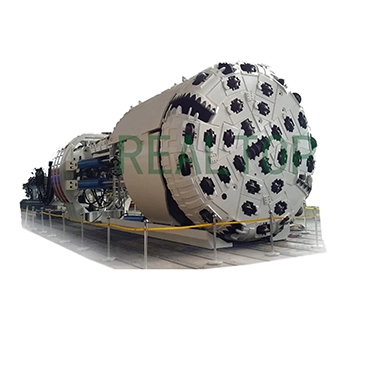
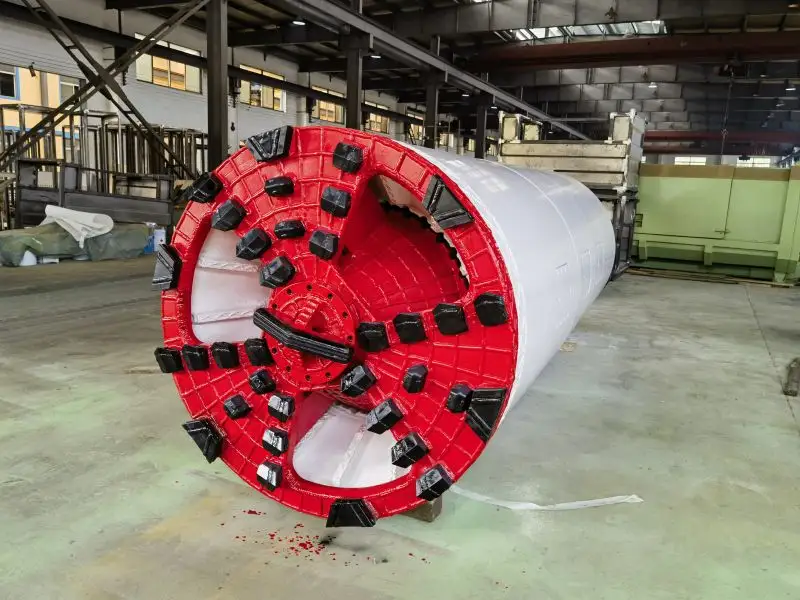
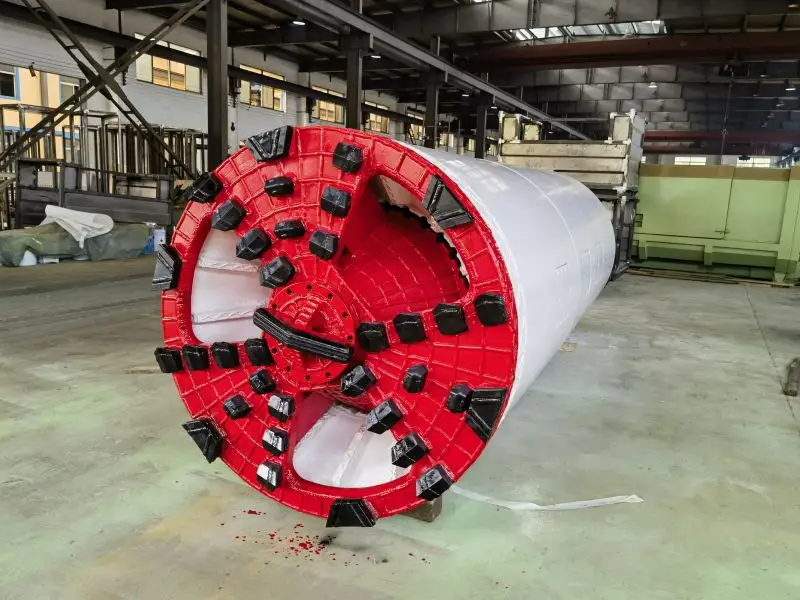
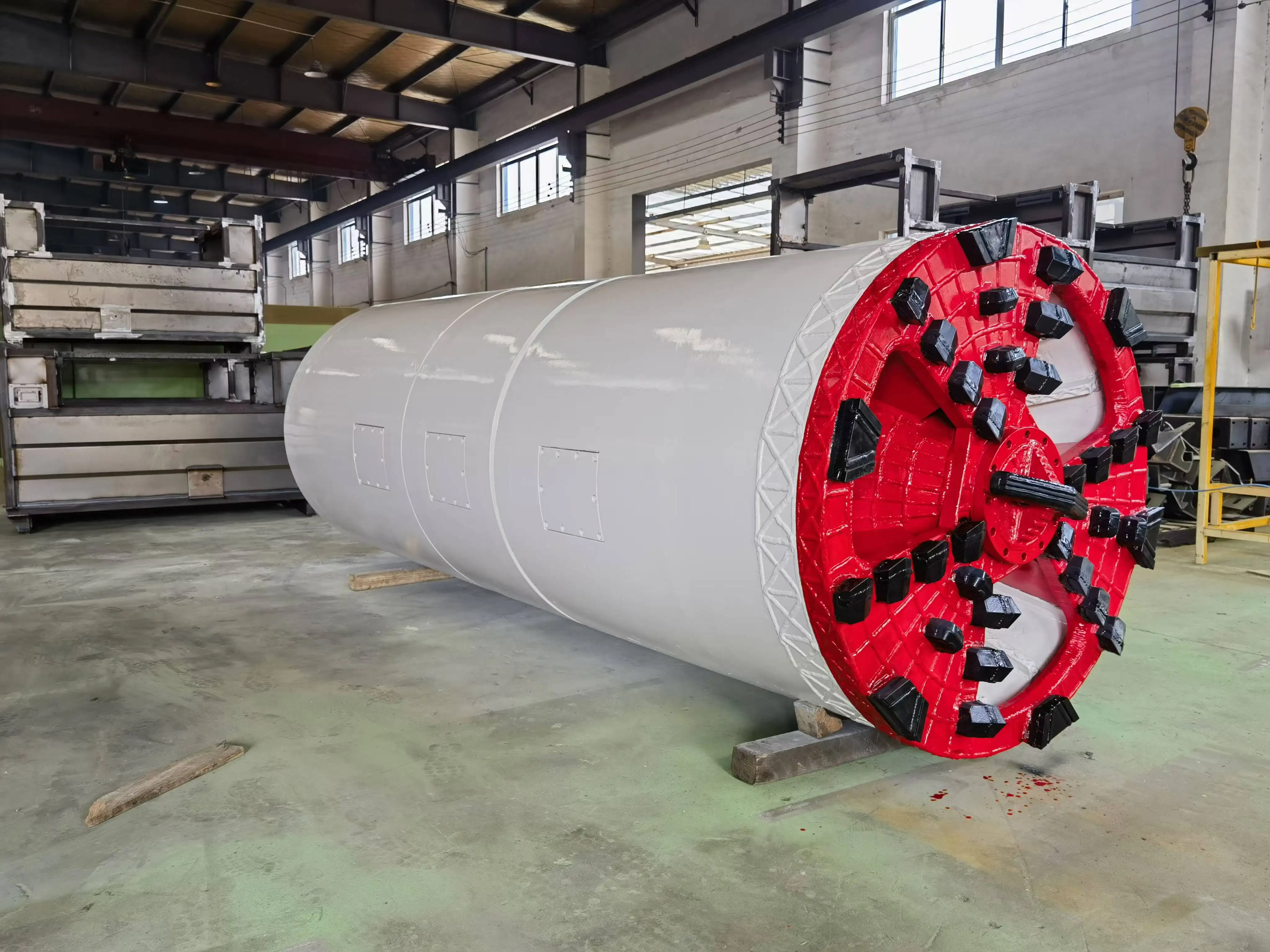
rock pipe jacking machine
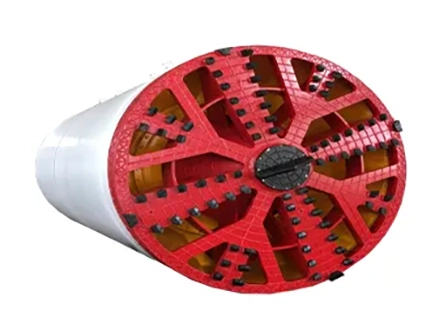
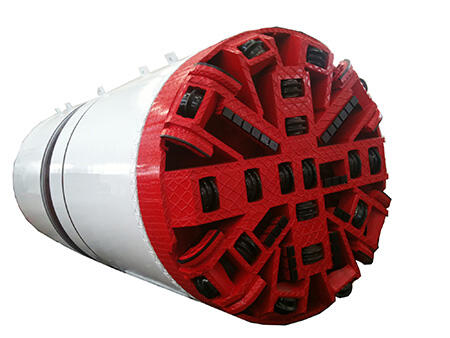
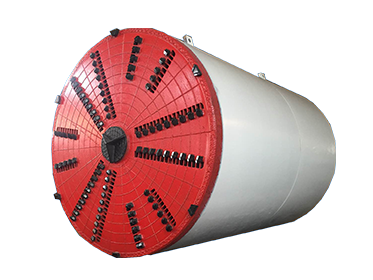
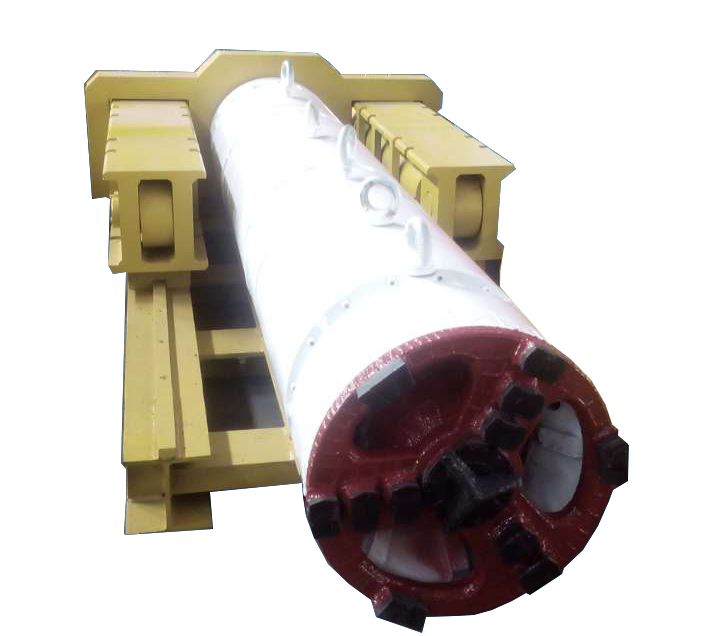
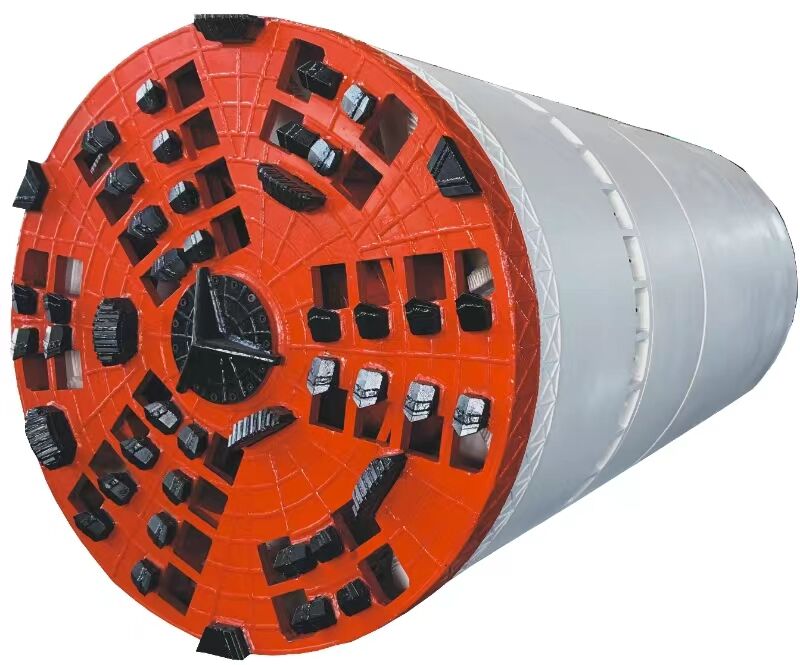
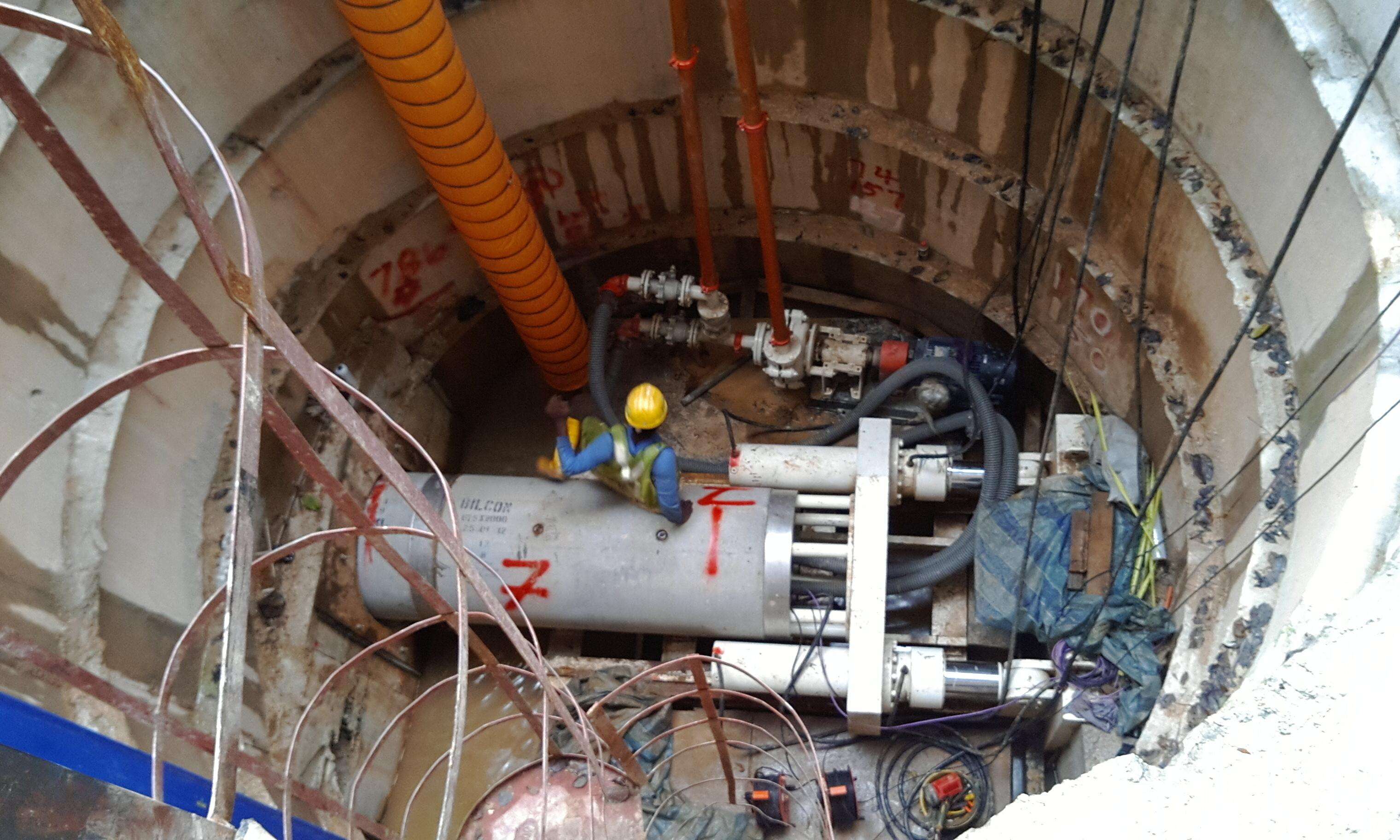
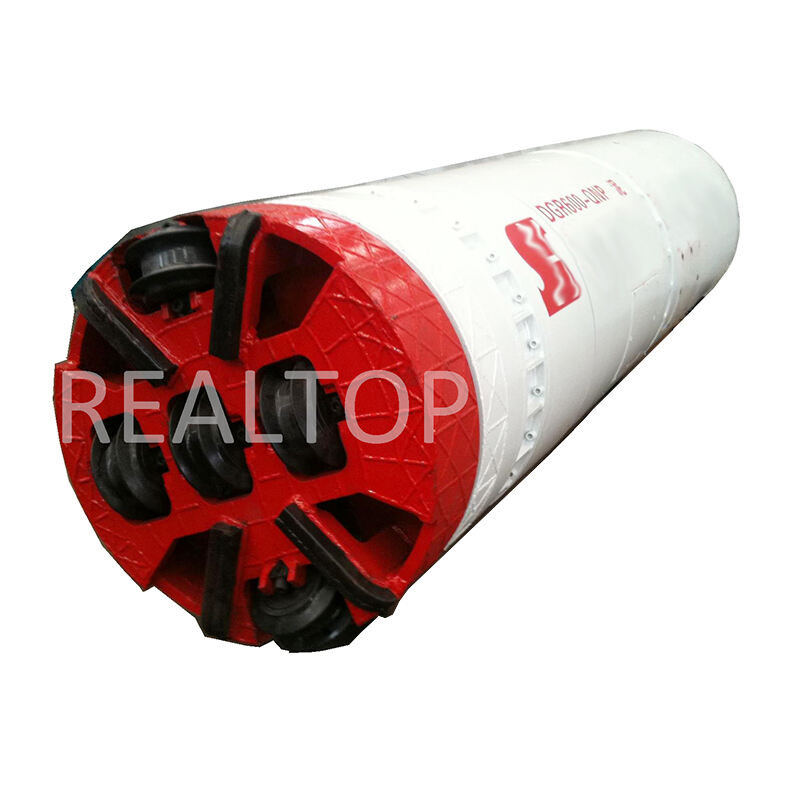
The rock pipe jacking machine represents a revolutionary advancement in trenchless construction technology, specifically engineered for installing underground pipelines through challenging rock formations without the need for traditional open-cut excavation methods. This sophisticated equipment combines precision engineering with robust construction to tackle the most demanding subsurface installation projects. At its core, the rock pipe jacking machine utilizes a powerful hydraulic jacking system that pushes pipes through pre-drilled or excavated tunnels, enabling the installation of utilities, sewers, and drainage systems beneath roads, railways, buildings, and other critical infrastructure. The machine operates through a carefully orchestrated process where steel or concrete pipes are sequentially pushed forward using tremendous hydraulic force, while specialized cutting tools and drilling mechanisms break through rock formations ahead of the advancing pipeline. Modern rock pipe jacking machines incorporate advanced guidance systems that ensure precise alignment and grade control throughout the installation process, minimizing deviations and ensuring optimal pipe placement. The technological features of these machines include computer-controlled hydraulic systems that provide consistent and adjustable jacking forces, real-time monitoring systems that track progress and detect potential obstacles, and sophisticated lubrication systems that reduce friction between the pipe exterior and surrounding soil or rock. Many contemporary models feature remote operation capabilities, allowing operators to control the machine from safe distances while maintaining full visibility of the operation through integrated camera systems. The applications for rock pipe jacking machines span numerous industries and project types, from municipal water and sewer installations to telecommunications infrastructure, gas pipeline installations, and electrical conduit placement. These machines excel in urban environments where surface disruption must be minimized, environmental sensitive areas where traditional excavation could cause ecological damage, and locations where geological conditions present significant challenges for conventional construction methods.

 EN
EN
 AR
AR BG
BG HR
HR CS
CS FR
FR DE
DE EL
EL HI
HI IT
IT JA
JA KO
KO RO
RO RU
RU ES
ES TL
TL ID
ID LT
LT SK
SK SL
SL UK
UK VI
VI ET
ET TH
TH TR
TR FA
FA AF
AF MS
MS HY
HY AZ
AZ KA
KA BN
BN LO
LO LA
LA MN
MN NE
NE MY
MY KK
KK UZ
UZ KY
KY