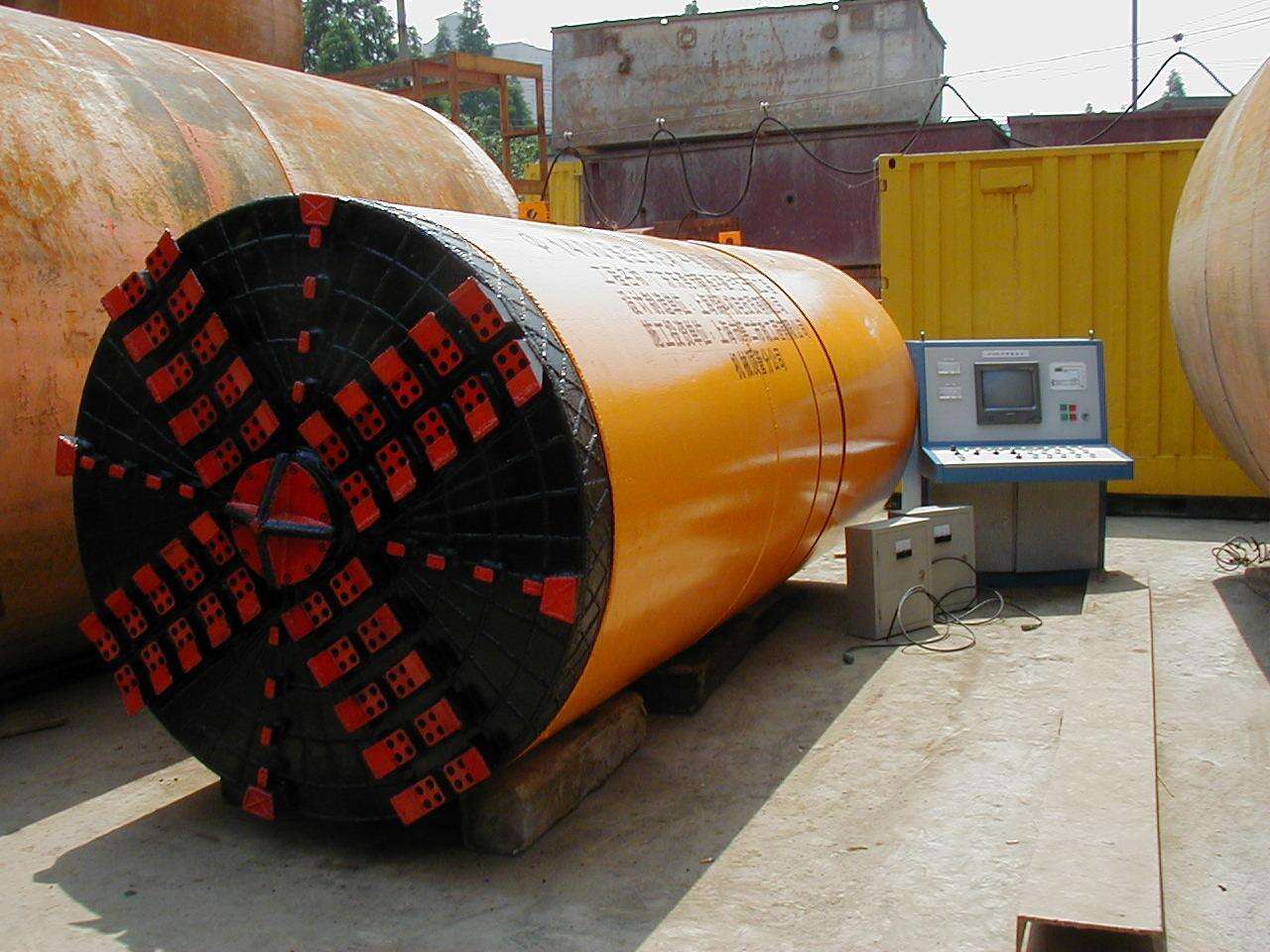
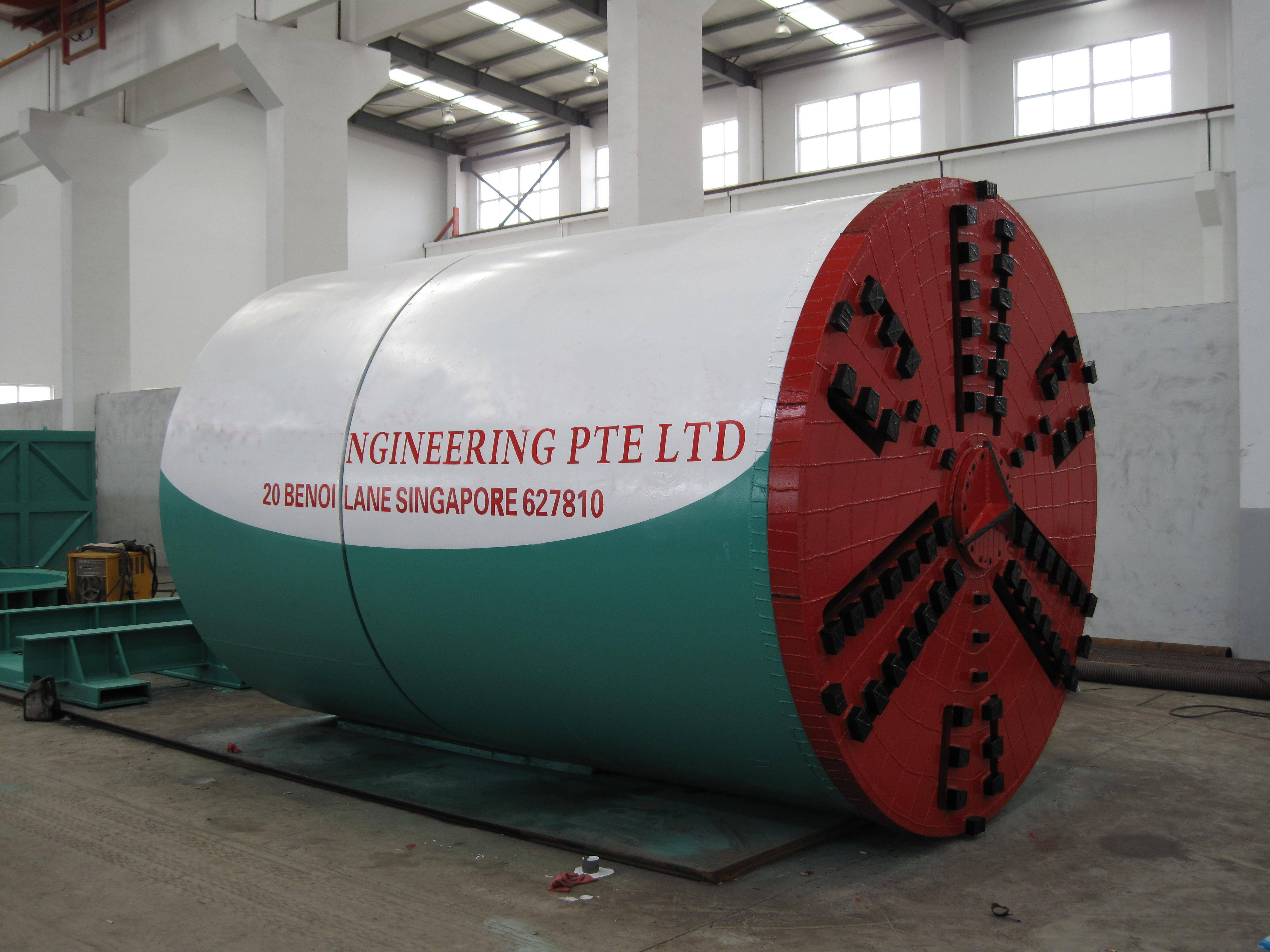
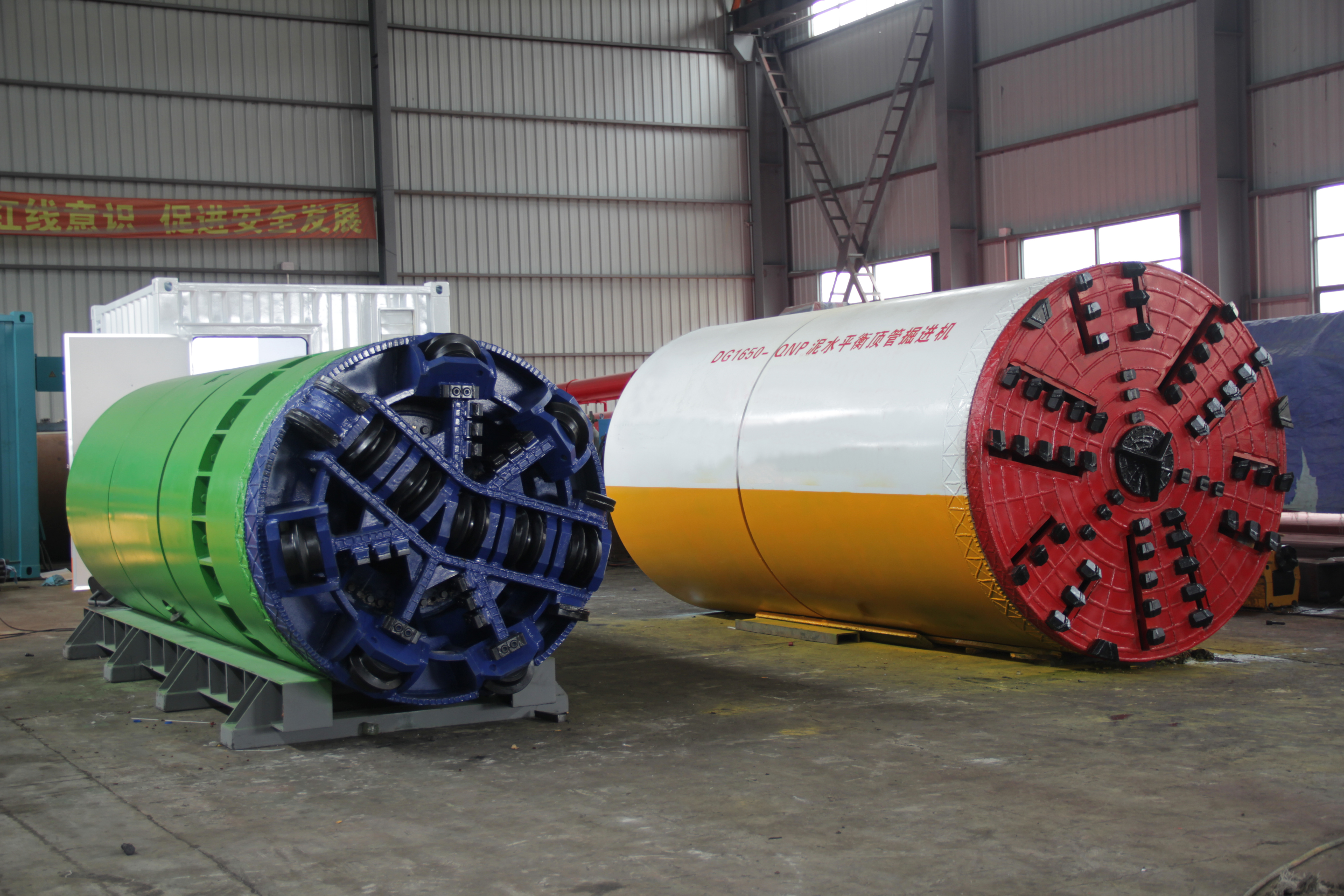
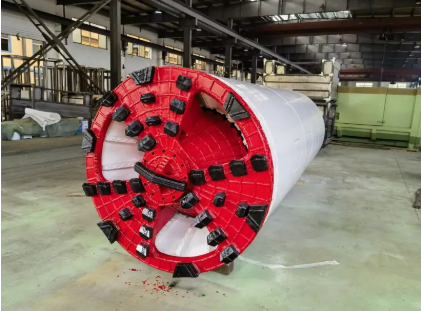
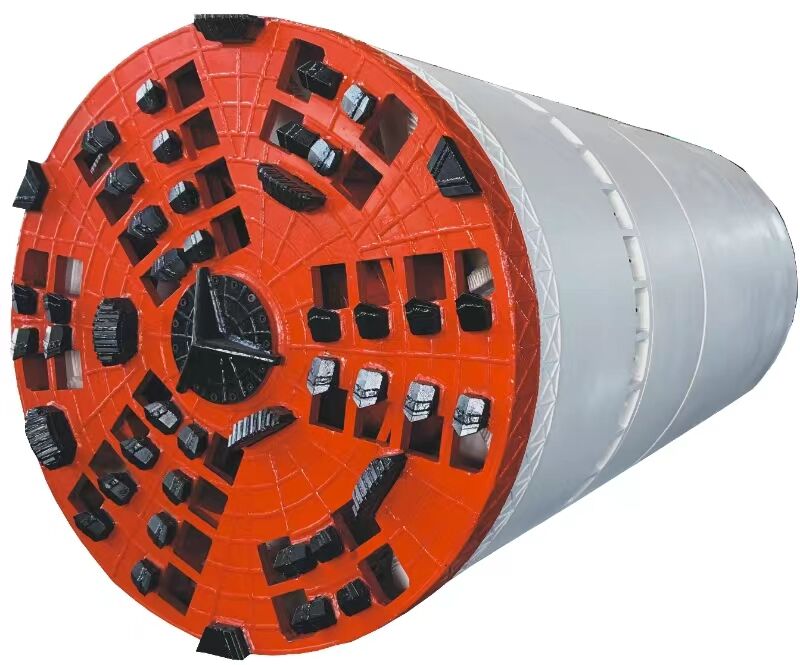
μηχάνημα μικρής διάτρησης
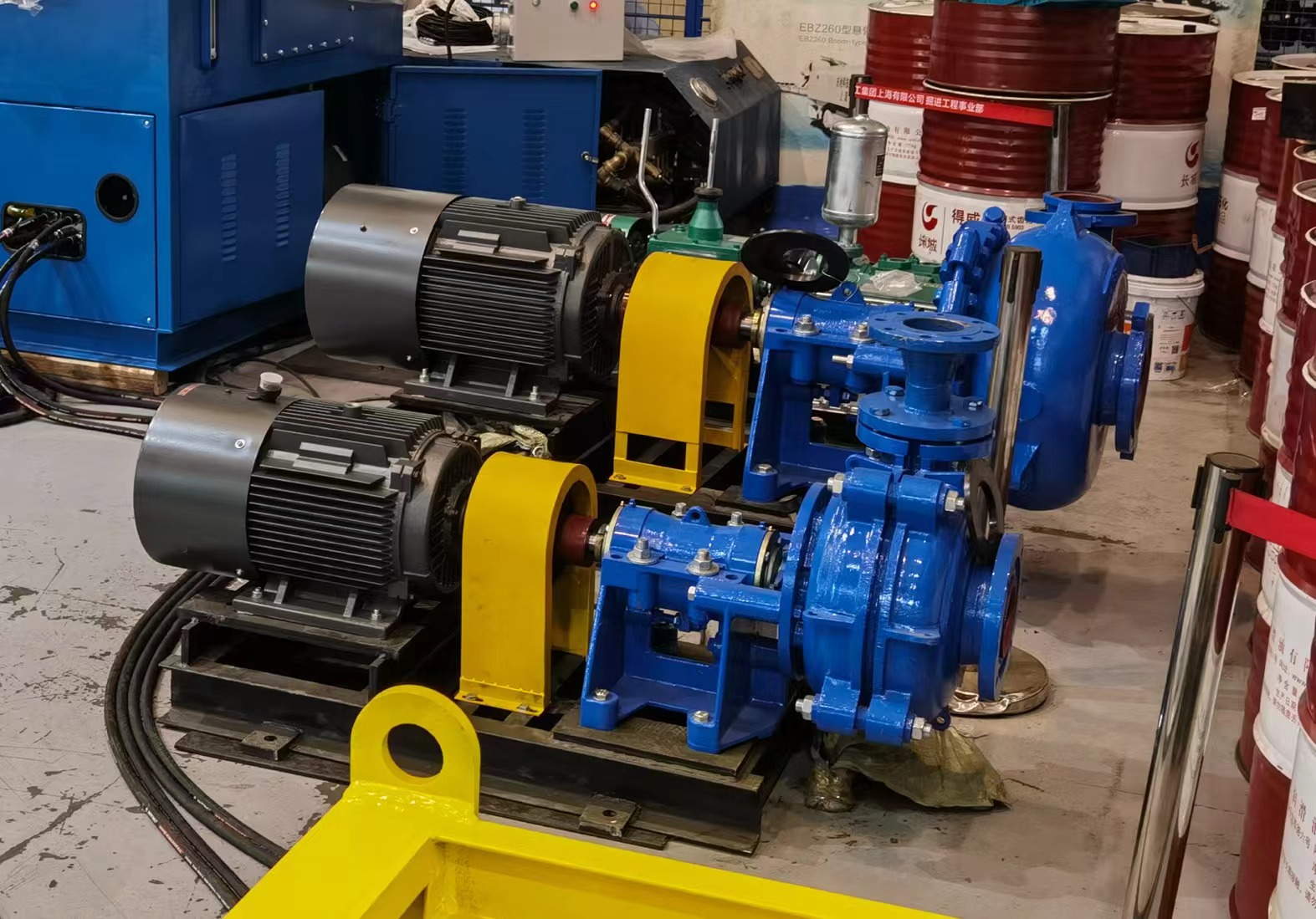
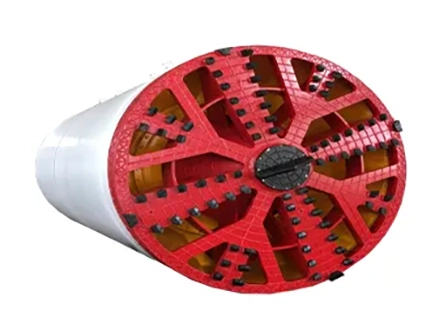
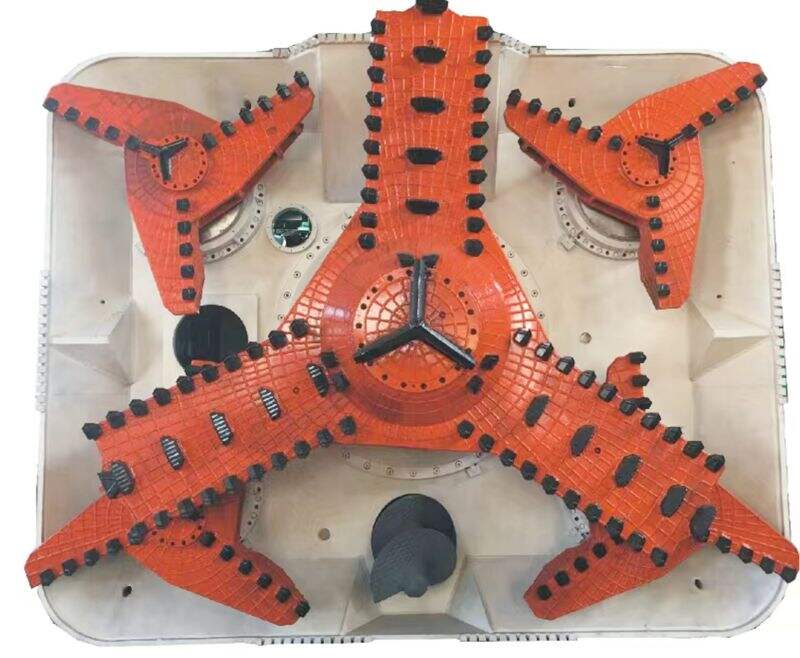
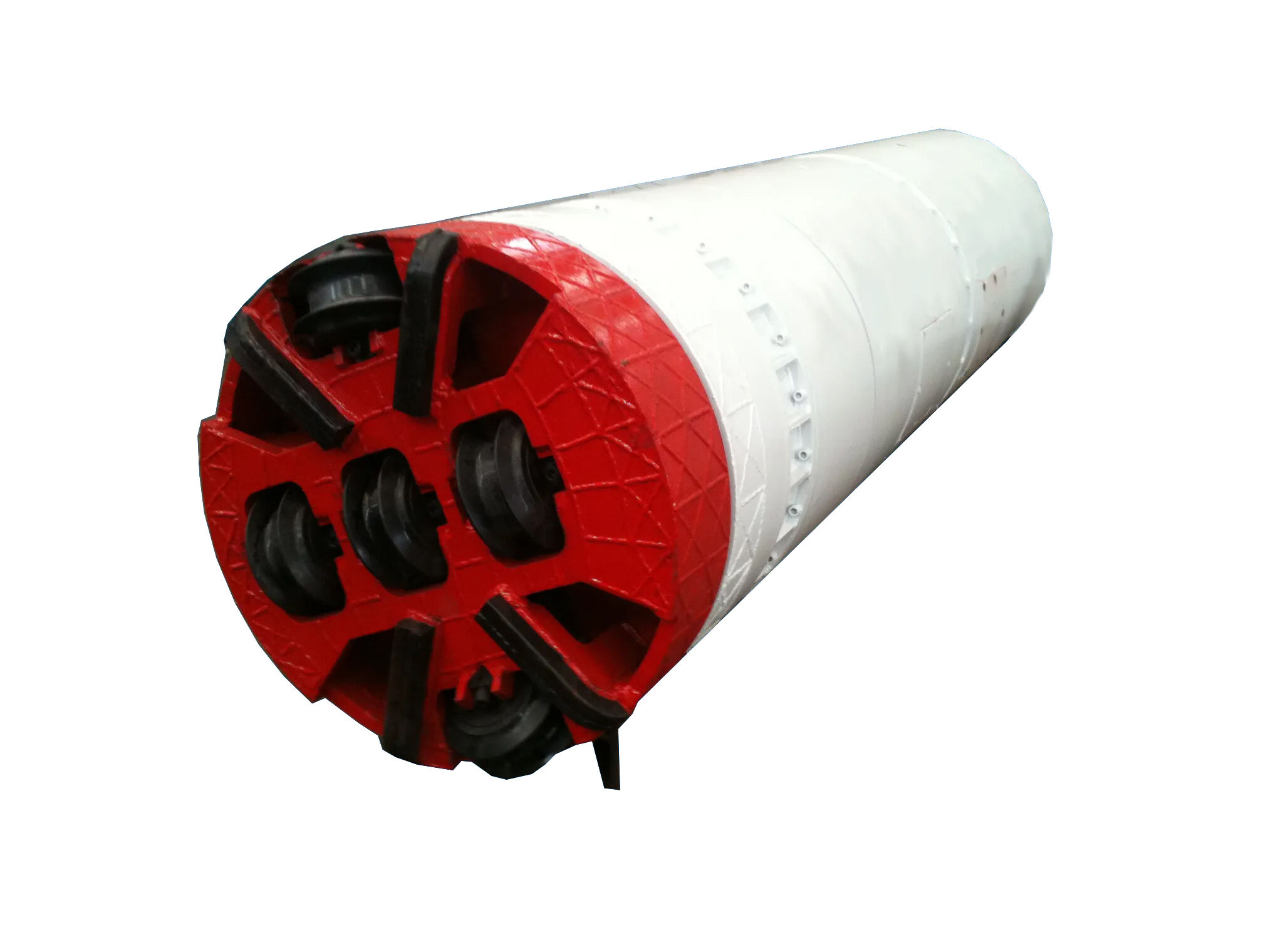
Η μηχανή μικροδιάτρησης αποτελεί μια επαναστατική πρόοδο στην τεχνολογία υπόγειας κατασκευής, σχεδιασμένη ειδικά για τη δημιουργία ακριβών σηράγγων μικρής διαμέτρου σε αστικά περιβάλλοντα και σε δύσκολες συνθήκες εδάφους. Αυτός ο εξειδικευμένος εξοπλισμός συνδυάζει πρωτοποριακή μηχανική με αρχές συμπαγούς σχεδιασμού, προκειμένου να παρέχει εξαιρετική απόδοση σε περιορισμένους χώρους, όπου οι παραδοσιακές μέθοδοι διάτρησης αποδεικνύονται ανεπαρκείς ή ανέφικτες. Η μηχανή μικροδιάτρησης λειτουργεί μέσω ενός πολύπλοκου συστήματος που ενσωματώνει υδραυλική κίνηση, προηγμένους μηχανισμούς κατεύθυνσης και δυνατότητες παρακολούθησης σε πραγματικό χρόνο, προκειμένου να διασφαλίζεται η ακριβής στοίχιση της σήραγγας και ο σταθερός ρυθμός προόδου. Η κύρια λειτουργία της συνίσταται στην εξόρυξη σηράγγων διαμέτρου από 200 mm έως 3000 mm, καθιστώντας την ιδανική για εγκαταστάσεις υποδομών, συστήματα αποστράγγισης και έργα υπόγειων υποδομών. Η μηχανή χρησιμοποιεί ένα περιστρεφόμενο κοπτικό κεφάλι εξοπλισμένο με ειδικά κοπτικά εργαλεία που προσαρμόζονται σε διάφορες συνθήκες εδάφους, από μαλακή άργιλο έως σκληρούς βραχώδεις σχηματισμούς. Προηγμένα υδραυλικά συστήματα παρέχουν την απαραίτητη δύναμη ώθησης, διατηρώντας ταυτόχρονα ακριβή έλεγχο της ταχύτητας και της κατεύθυνσης εξόρυξης. Οι τεχνολογικές δυνατότητες αυτού του εξοπλισμού περιλαμβάνουν συστήματα καθοδήγησης με GPS, τεχνολογία θέσης με λέιζερ και αυτοματοποιημένους μηχανισμούς ελέγχου κλίσης, οι οποίοι διασφαλίζουν ότι οι σήραγγες ανταποκρίνονται ακριβώς στις προδιαγραφές χωρίς αποκλίσεις. Οι δυνατότητες απομακρυσμένης παρακολούθησης επιτρέπουν στους χειριστές να παρακολουθούν την πρόοδο, να ρυθμίζουν παραμέτρους και να εντοπίζουν πιθανά προβλήματα πριν αυτά επηρεάσουν τους χρονοδιαγράμματα των έργων. Η μηχανή ενσωματώνει εξελιγμένα συστήματα απομάκρυνσης των εξορυκτών υλικών, τα οποία μεταφέρουν αποτελεσματικά το εξορυγμένο υλικό στην επιφάνεια, διατηρώντας ταυτόχρονα τη σταθερότητα της σήραγγας. Τα περιβαλλοντικά ζητήματα αντιμετωπίζονται μέσω συστημάτων καταστολής της σκόνης και τεχνολογιών μείωσης του θορύβου, που ελαχιστοποιούν την επίδραση στις περιβάλλουσες περιοχές. Οι εφαρμογές της μηχανής μικροδιάτρησης καλύπτουν πολλές βιομηχανίες και τύπους έργων, συμπεριλαμβανομένων των υποδομών τηλεπικοινωνιών, της εγκατάστασης υδραγωγείων και αποχετευτικών αγωγών, της κατασκευής αγωγών φυσικού αερίου και της τοποθέτησης ηλεκτρικών καλωδίων. Τα έργα ανακαίνισης αστικών περιοχών επωφελούνται σημαντικά από αυτήν την τεχνολογία, καθώς επιτρέπει την αναβάθμιση των υποδομών χωρίς εκτεταμένη διατάραξη της επιφάνειας ή παρεμβολή στην κυκλοφορία. Ο εξοπλισμός αποδεικνύεται ιδιαίτερα πολύτιμος σε ιστορικά ευαίσθητες περιοχές, όπου οι παραδοσιακές μέθοδοι εξόρυξης θα προκαλούσαν ζημιά σε υφιστάμενες κατασκευές ή αρχαιολογικούς χώρους.

 EN
EN
 AR
AR BG
BG HR
HR CS
CS FR
FR DE
DE EL
EL HI
HI IT
IT JA
JA KO
KO RO
RO RU
RU ES
ES TL
TL ID
ID LT
LT SK
SK SL
SL UK
UK VI
VI ET
ET TH
TH TR
TR FA
FA AF
AF MS
MS HY
HY AZ
AZ KA
KA BN
BN LO
LO LA
LA MN
MN NE
NE MY
MY KK
KK UZ
UZ KY
KY