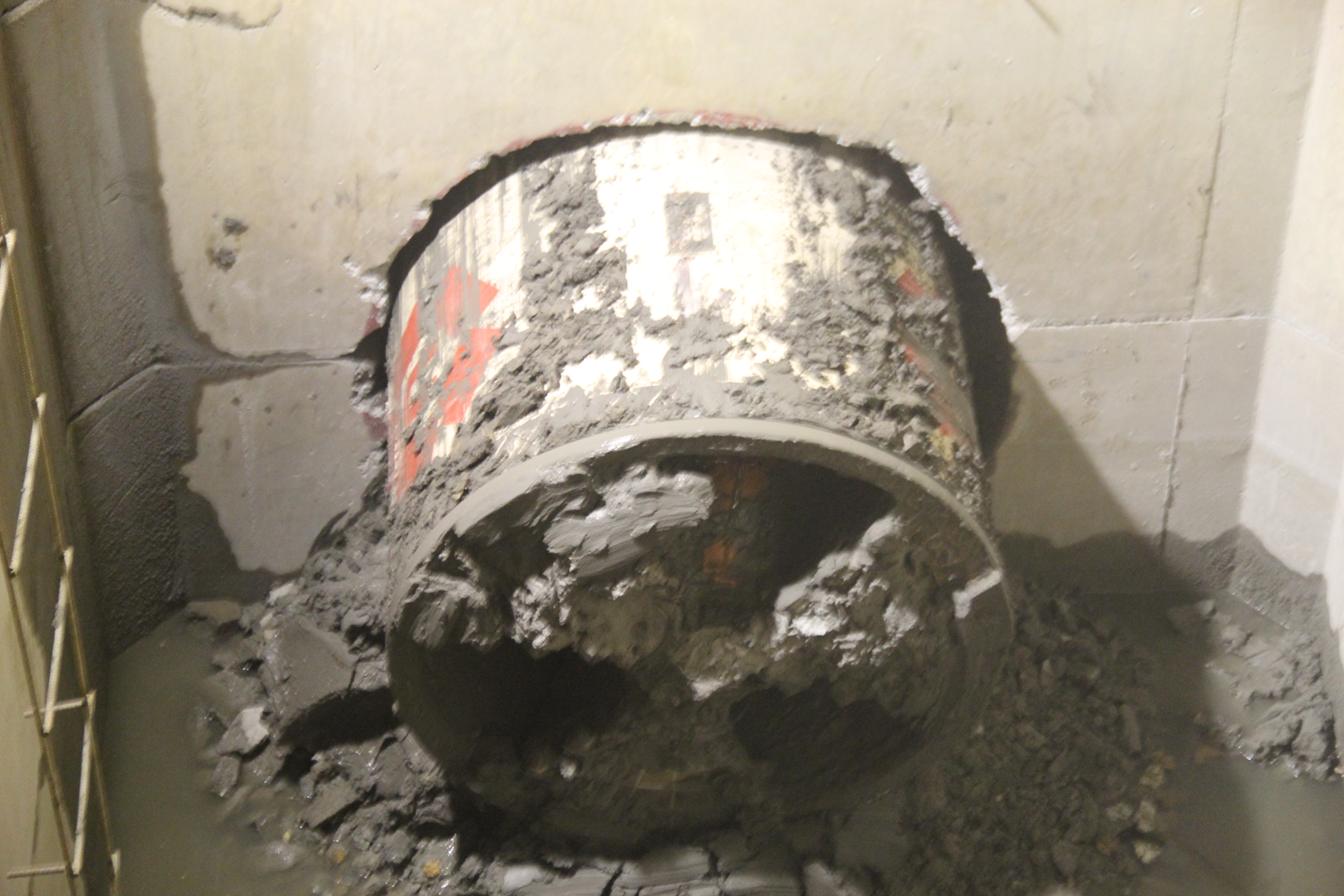
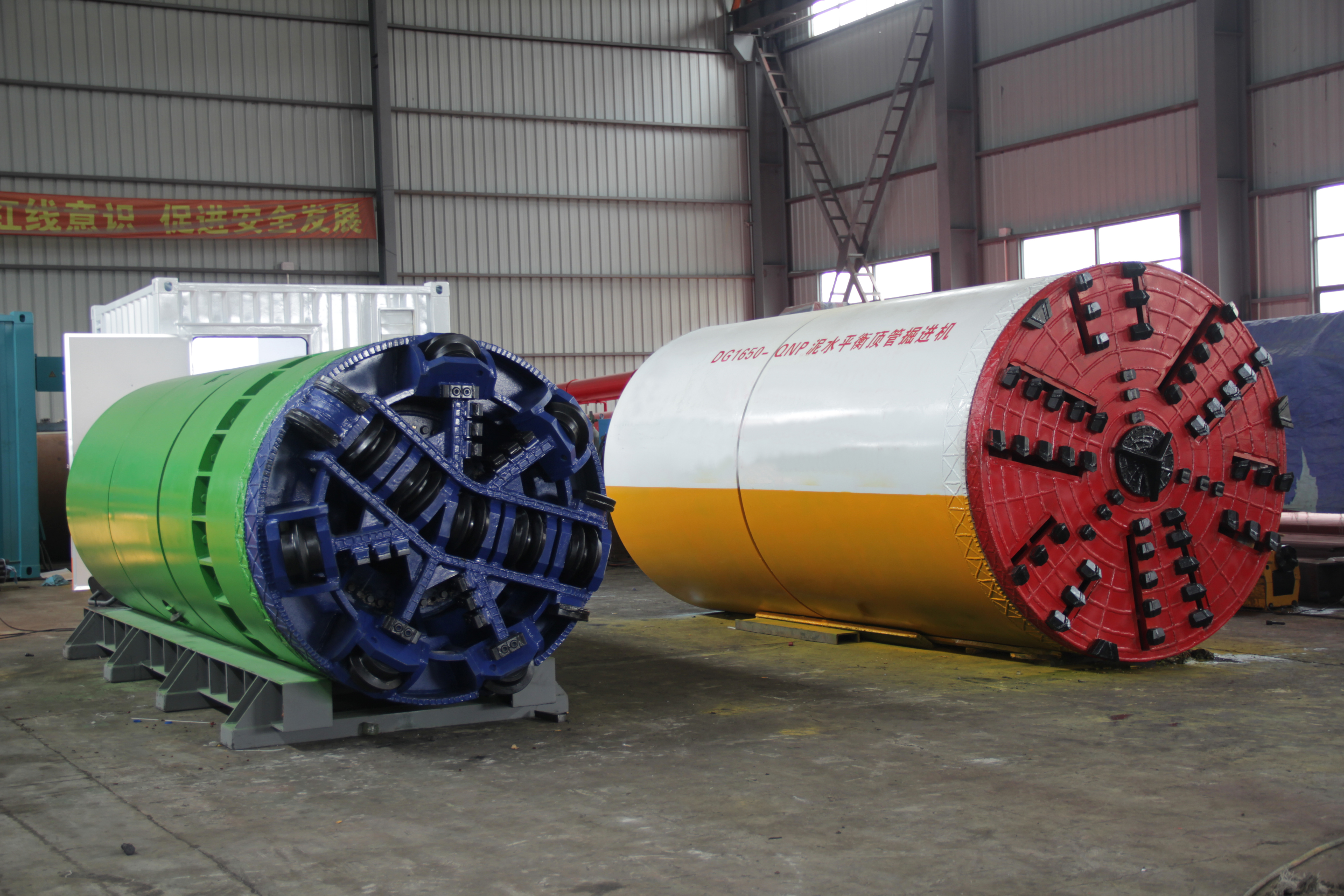
ट्रेंचलेस स्थापना सतही विक्षोभ को न्यूनतम करती है
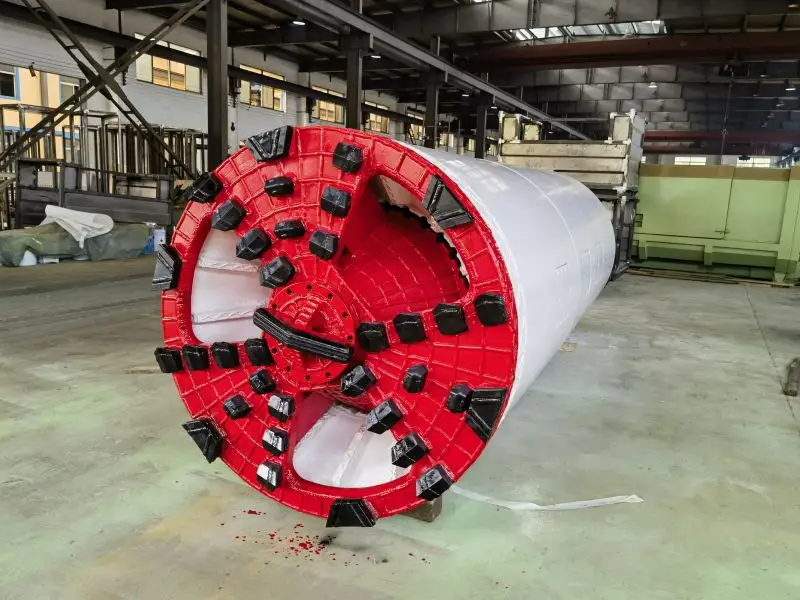
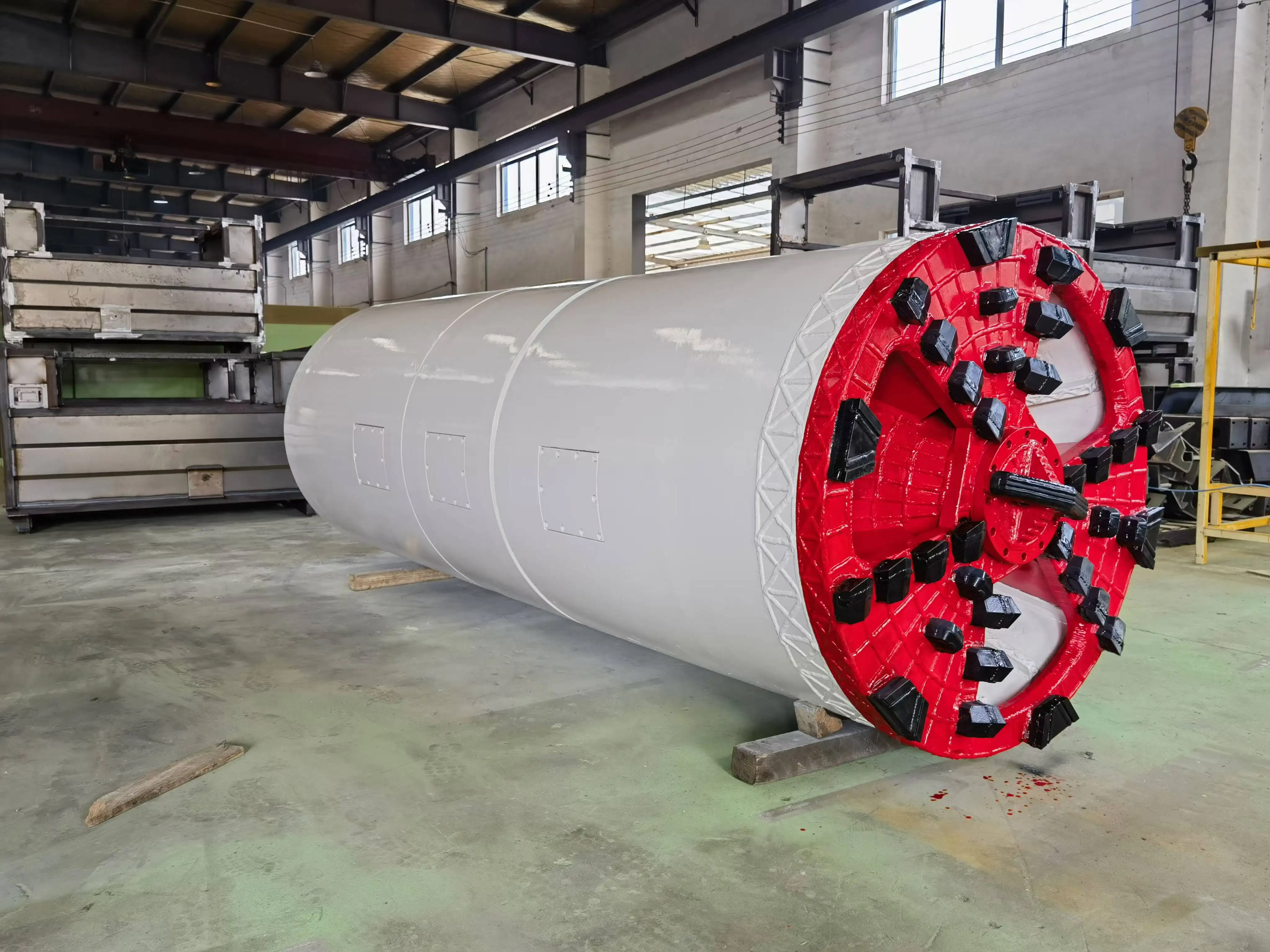
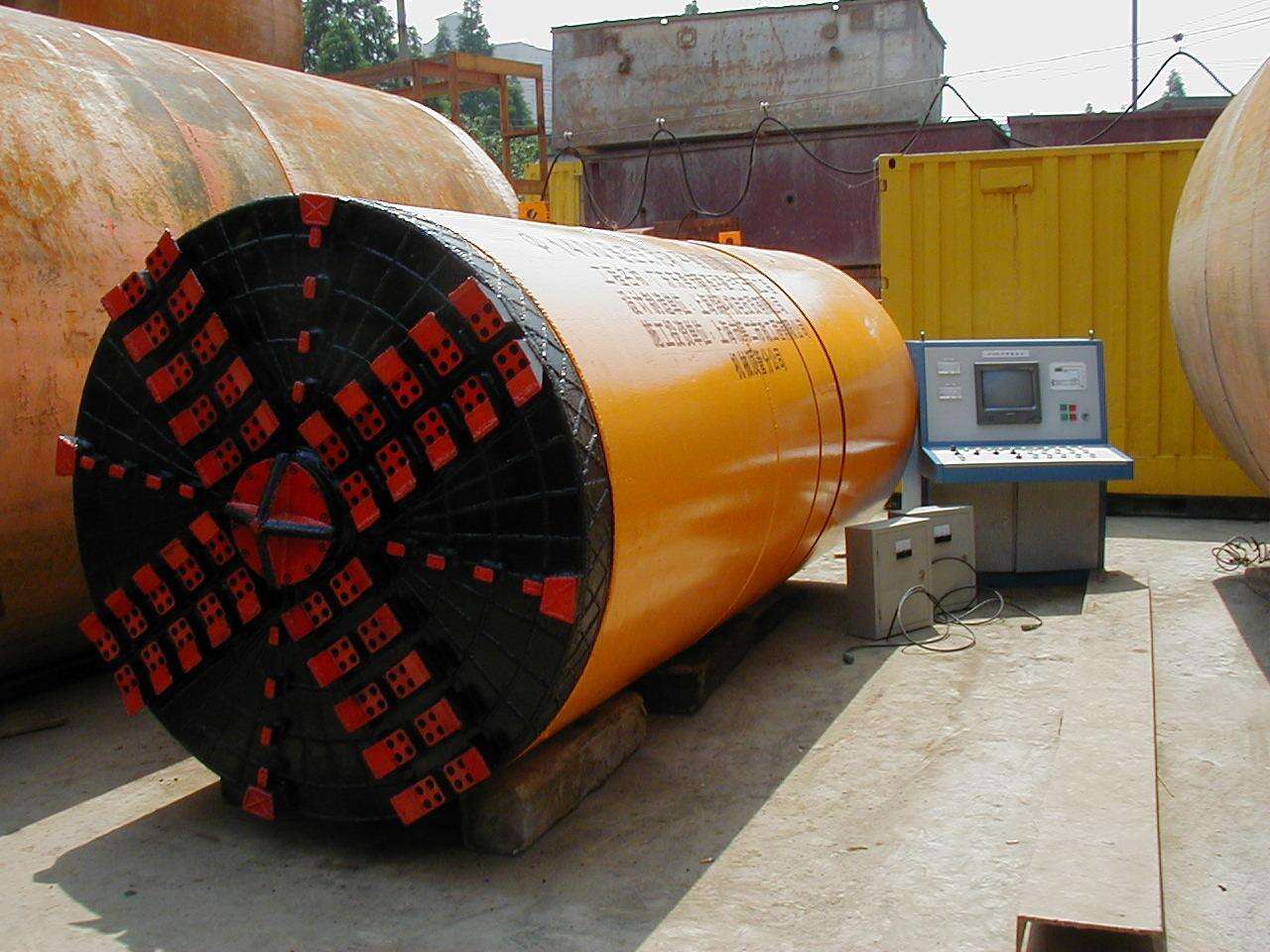
सीवेज पाइप जैकिंग तकनीक का ट्रेंचलेस (गड्ढा-रहित) स्वभाव भूमिगत निर्माण को क्रांतिकारी रूप से बदल देता है, क्योंकि यह पारंपरिक उत्खनन विधियों के लक्षणिक व्यापक सतही विस्तार को समाप्त कर देता है, जिससे संपत्ति मालिकों, समुदायों और पर्यावरण संरक्षण प्रयासों के लिए अभूतपूर्व लाभ प्रदान किए जाते हैं। यह नवाचारी दृष्टिकोण स्थापना के शुरुआती और अंतिम बिंदुओं पर केवल छोटे पहुँच शाफ्टों की आवश्यकता रखता है, जिससे परिपक्व लैंडस्केपिंग, सजावटी हार्डस्केपिंग, पार्किंग क्षेत्र, और मौजूदा बुनियादी ढांचे के निवेश सहित लगभग सभी सतही सुविधाओं की सुरक्षा सुनिश्चित होती है। न्यूनतम सतही फुटप्रिंट विशेष रूप से शहरी वातावरण में मूल्यवान सिद्ध होता है, जहाँ स्थान की सीमाएँ पारंपरिक निर्माण विधियों को अव्यावहारिक या उपयोगिता पुनर्स्थापना और यातायात प्रबंधन की आवश्यकताओं के कारण अत्यधिक महंगा बना देती हैं। सीवेज पाइप जैकिंग स्थापना प्रक्रिया के संपूर्ण अवधि के दौरान संपत्ति मालिक अपने घरों और व्यवसायों के पूर्ण पहुँच को बनाए रखते हैं, जिससे अवरुद्ध ड्राइववे, प्रतिबंधित भवन प्रवेश द्वारों या पारंपरिक निर्माण परियोजनाओं के दौरान अक्सर आवश्यक होने वाले अस्थायी पुनर्स्थानीकरण से उत्पन्न होने वाली असुविधा और आर्थिक हानि समाप्त हो जाती है। मौजूदा सतही स्थितियों के संरक्षण का प्रत्यक्ष रूप से महत्वपूर्ण लागत बचत में अनुवाद किया जाता है, क्योंकि संपत्ति मालिक कंक्रीट प्रतिस्थापन, लैंडस्केप पुनर्निर्माण, उपयोगिता पुनः कनेक्शन और संरचनात्मक मरम्मत जैसे महंगे पुनर्स्थापना कार्यों से बच जाते हैं, जो अक्सर पारंपरिक ट्रेंचिंग ऑपरेशनों के साथ होते हैं। पर्यावरण संरक्षण को ट्रेंचलेस दृष्टिकोण से महत्वपूर्ण लाभ प्राप्त होता है, क्योंकि सीवेज पाइप जैकिंग मौजूदा पारिस्थितिक तंत्रों को संरक्षित करता है, परिपक्व वृक्षों की जड़ प्रणालियों की रक्षा करता है और प्राकृतिक जल निकासी पैटर्न को बनाए रखता है, जो पारंपरिक उत्खनन कार्यों द्वारा स्थायी रूप से प्रभावित हो सकते हैं। यह विधि आर्द्रभूमि, प्रकृति अभयारण्य या संरक्षित आवास जैसे पर्यावरणीय रूप से संवेदनशील क्षेत्रों के नीचे सीवेज प्रणालियों की स्थापना के लिए विशेष रूप से लाभदायक सिद्ध होती है, जहाँ सतही विस्तार पर्यावरणीय विनियमों का उल्लंघन कर सकता है या अपरिवर्तनीय पारिस्थितिक क्षति का कारण बन सकता है। पुरातात्विक विचार ऐसे ऐतिहासिक जिलों या संभावित सांस्कृतिक महत्व के क्षेत्रों में सीवेज पाइप जैकिंग को अमूल्य बनाते हैं, क्योंकि ट्रेंचलेस विधि पारंपरिक उत्खनन तकनीकों के माध्यम से क्षतिग्रस्त या नष्ट हो सकने वाली उप-सतही वस्तुओं या पुरातात्विक निक्षेपों को विस्थापित करने से बचाती है। यातायात प्रवाह के रखरखाव का एक और महत्वपूर्ण लाभ है, क्योंकि सीवेज पाइप जैकिंग की न्यूनतम सतही आवश्यकताएँ सड़क बंद करने, वैकल्पिक मार्गों के कार्यान्वयन और स्थानीय व्यवसायों पर ग्राहक पहुँच और डिलीवरी सेवाओं पर निर्भर आर्थिक प्रभावों को समाप्त कर देती हैं। यह तकनीक उन स्थानों पर बुनियादी ढांचे के सुधार को संभव बनाती है जहाँ पहले यह असंभव था, जिनमें सक्रिय रेलवे लाइनों, प्रमुख राजमार्गों या महत्वपूर्ण उपयोगिता गलियारों के नीचे निर्माण शामिल हैं, जहाँ पारंपरिक निर्माण के लिए व्यापक समन्वय, अनुमतियाँ और संभावित रूप से अत्यधिक लागत वाले अस्थायी सेवा अंतराल की आवश्यकता होती है।

 EN
EN
 AR
AR BG
BG HR
HR CS
CS FR
FR DE
DE EL
EL HI
HI IT
IT JA
JA KO
KO RO
RO RU
RU ES
ES TL
TL ID
ID LT
LT SK
SK SL
SL UK
UK VI
VI ET
ET TH
TH TR
TR FA
FA AF
AF MS
MS HY
HY AZ
AZ KA
KA BN
BN LO
LO LA
LA MN
MN NE
NE MY
MY KK
KK UZ
UZ KY
KY