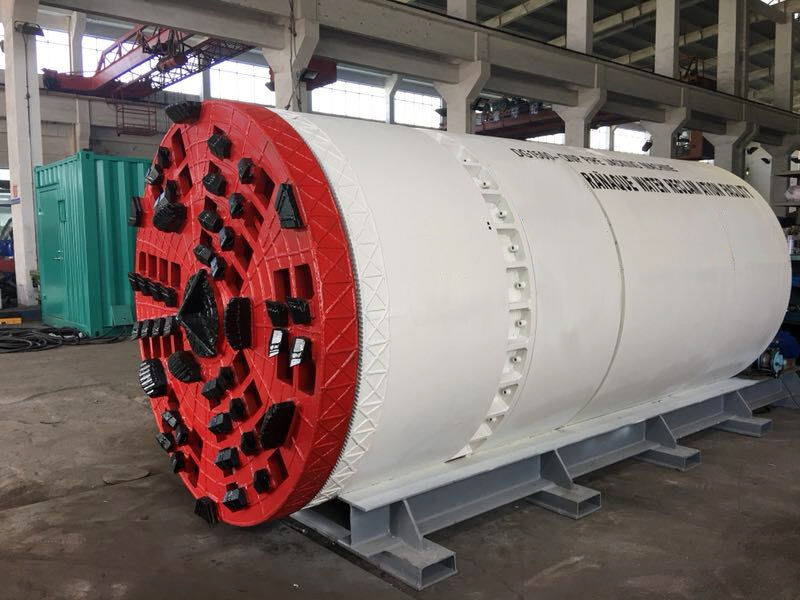
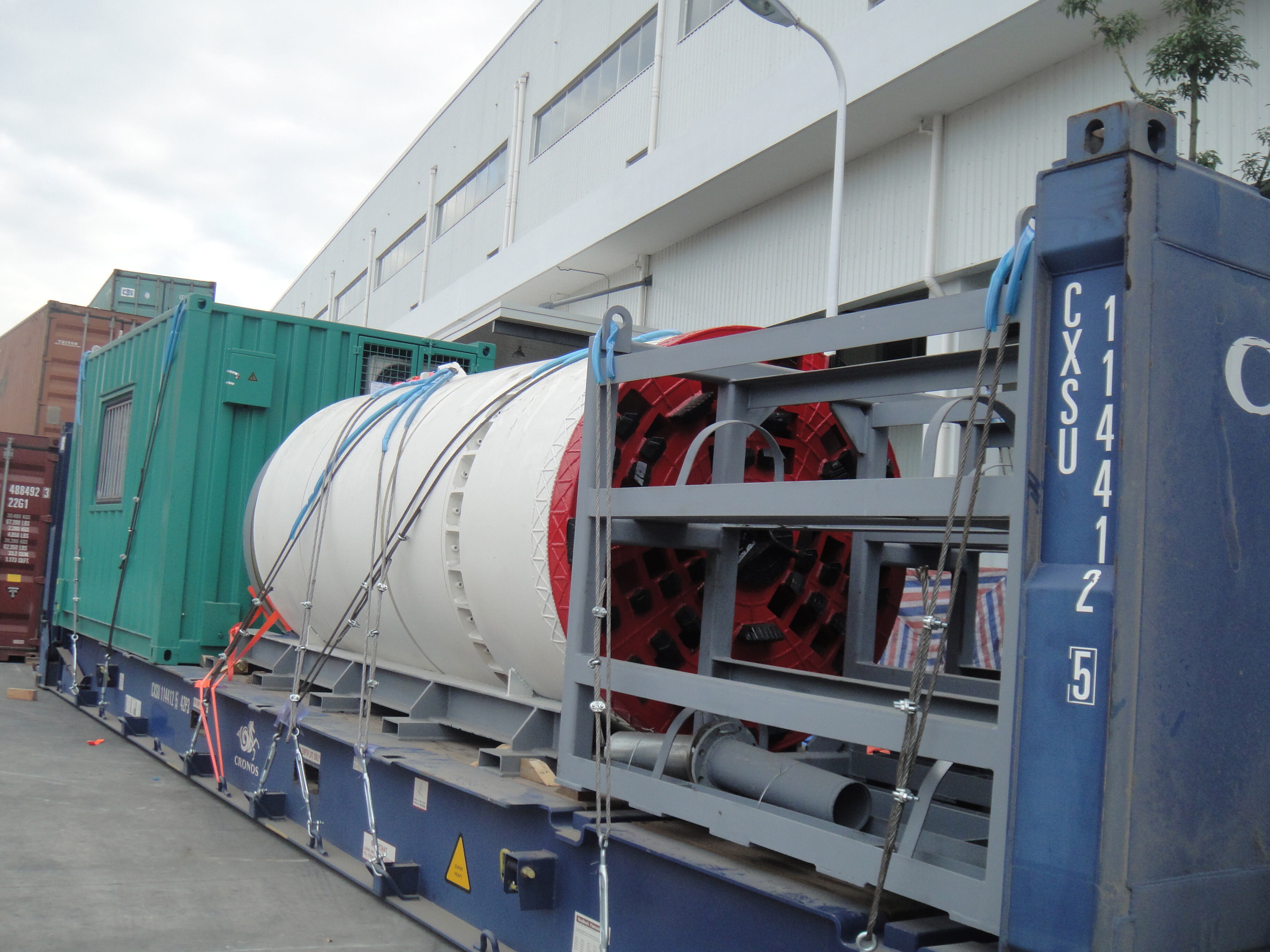
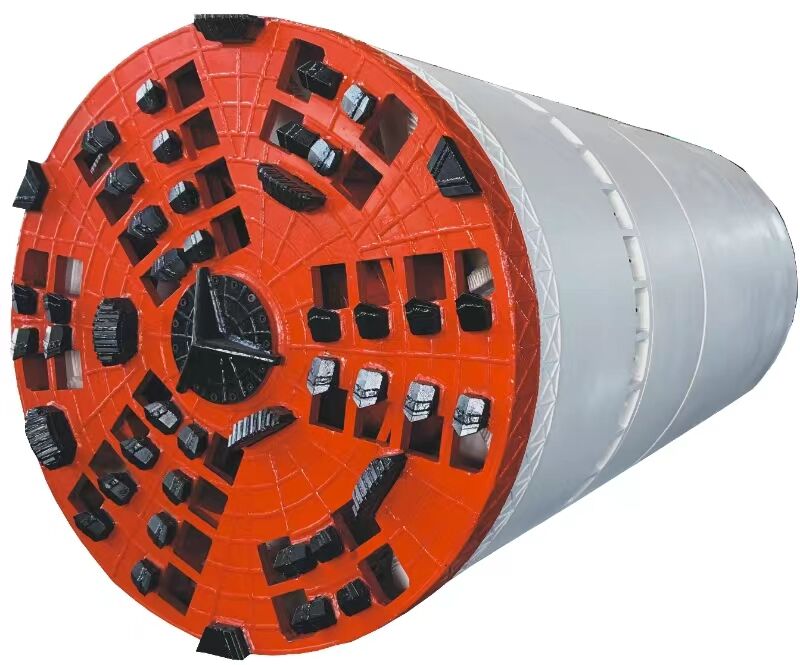
жер басымын теңестирүүчү ТБМ
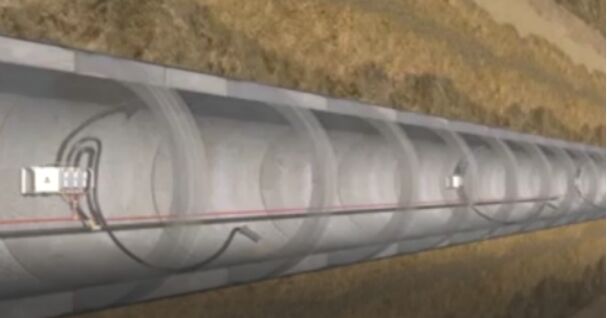
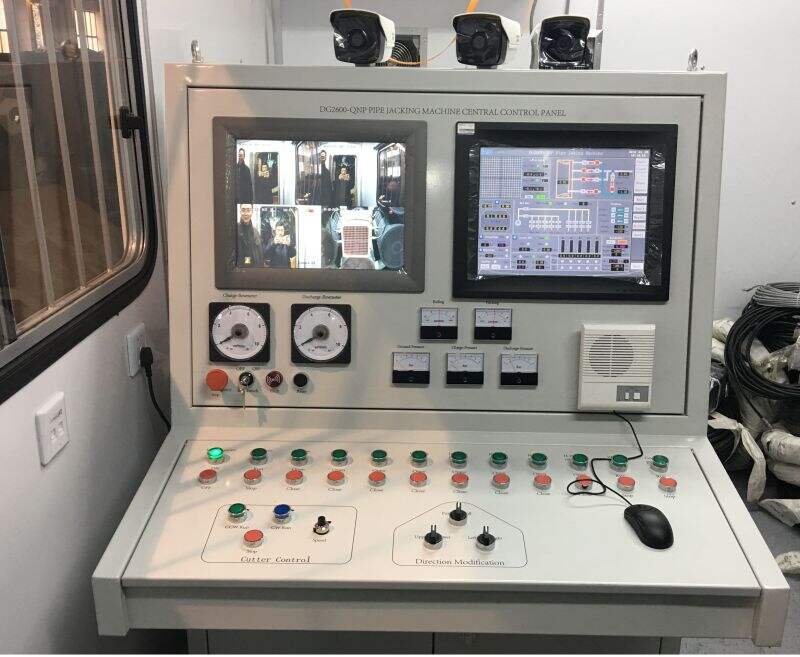
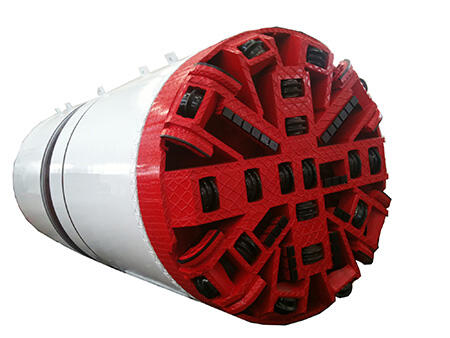
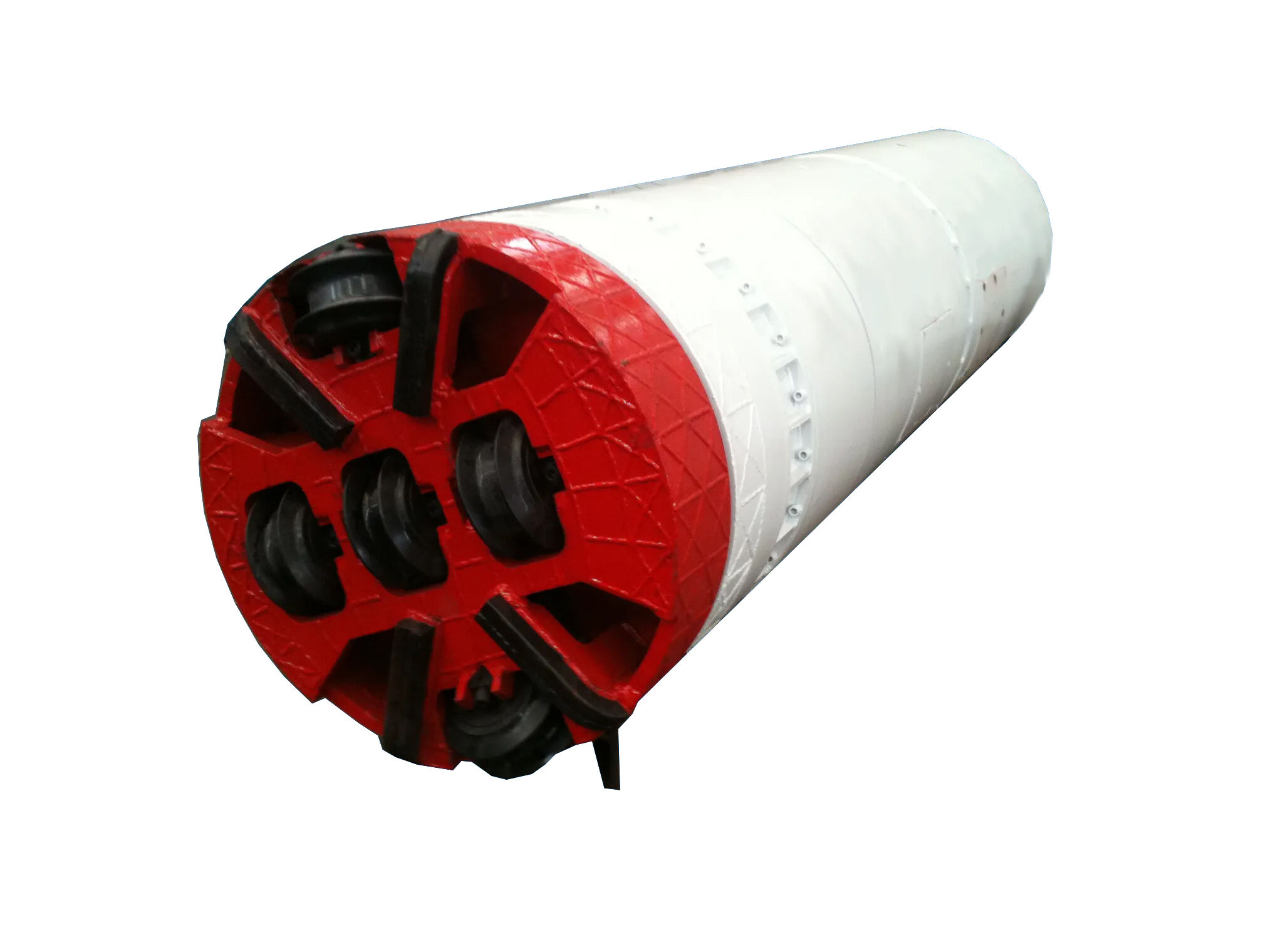
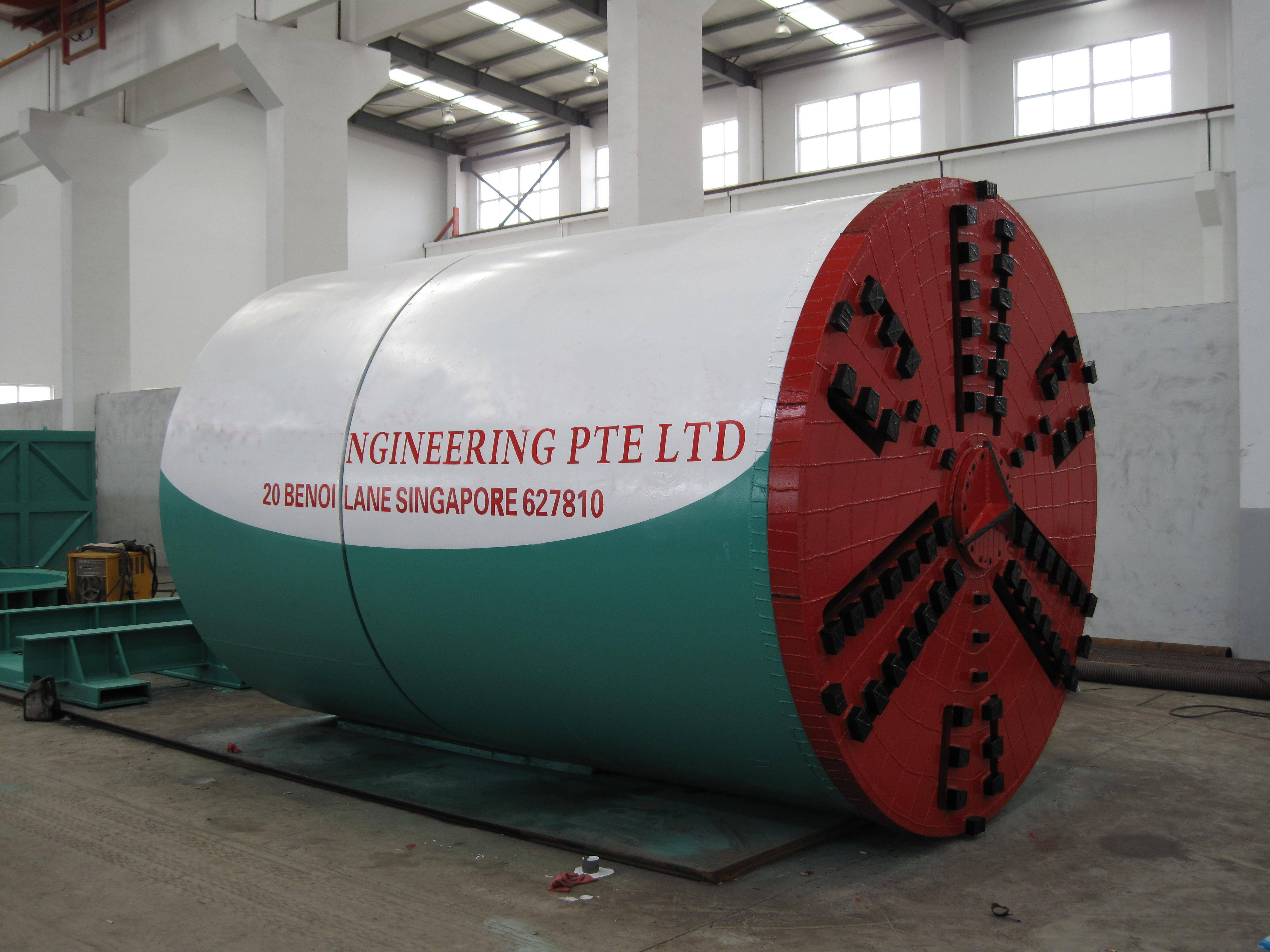
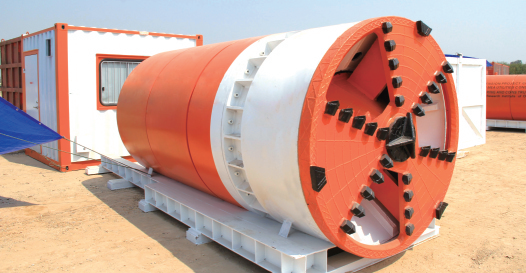
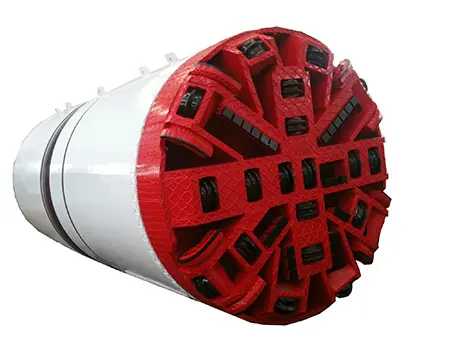
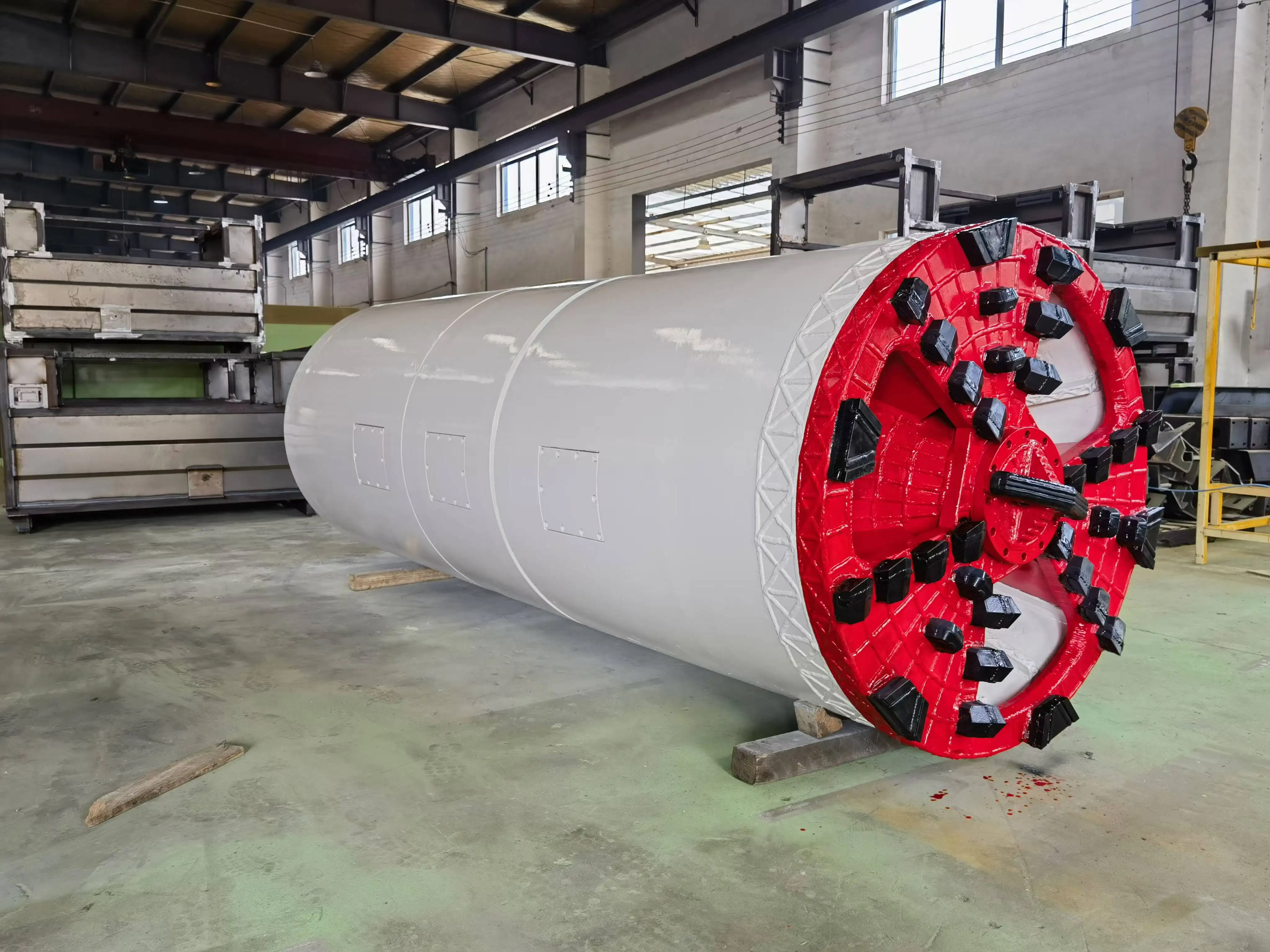
Жер басымын теңдөөчү ТБМ (туннельде токтотуучу машина) – жер астындагы куруу технологиясында революциялык илгерилөө, ал жер астында туннельдөөгө чыдамсыз топурак шарттарында оптималдуу туруктуулук жана коопсуздук сактоо үчүн өзгөчө иштелип чыгарылган. Бул күрөштүү туннельде токтотуучу машина кесилген жакта басымды так түрдө башкаруу аркылуу иштейт; бул жердин чөгүшүнөн сактап, бардык бордоо процесси боюнча конструкциялык бүтүндүктү камсыз кылат. Жер басымын теңдөөчү ТБМ кесилген дисктин арткасында жайгашкан инновациялык камералык системаны колдонот, анда кесилген топурак убактылуу сакталат жана басымды башкаруу үчүн идеалдуу консистенцияга жетишүү үчүн пена, полимерлер же башка кошулмалар менен шартталат. Бул күрөштүү туннельде токтотуучу техниканын негизги функциясы – табигый жер басымы менен басым камерасындагы кесилген материал тарабынан берилген колдоо басымы ортосундагы тепкичти сактоодон турат. Бул талаа татаал балансы жердин кыймылын токтотот, анткени бул жердин үстүндөгү курулмаларга зыян келтирет же куруу бригадасынын коопсуздугун коркунучка учуратат. Жер басымын теңдөөчү ТБМдин технологиялык өзгөчөлүктөрүнө басым деңгээли, топурак шарттары жана машинанын иштөө параметрлери тууралуу үзгүлтүз баалоо системалары кирет. Алдыңкы датчиктер операторлорго чын убакытта маалымат берет, андагы маалыматтар оптималдуу туннельдөө шарттарын сактоо үчүн так түзөтүүлөрдү мүмкүн кылат. Кесилген дисктин дизайнда геологиялык шарттарга ылайыкташтырылган атайын куралдар жана конфигурациялар колдонулган, бул эффективдүү кесилүүнү камсыз кылат жана износун жана кызмат көрсөтүү талаптарын минималдуу деңгээлде кармайт. Жер басымын теңдөөчү ТБМ шаардык метролордун курулушунда, канализация системаларын орнотуда, коммуналдык туннельдерди курууда жана жердин туруктуулугу эң маанилүү болгон башка инфраструктура долбоорлорунда кеңири колдонулат. Бул машиналар глина, кум, балчык жана аралаш топурак шарттарында, ошондой эле жумшактан орточо катуу топуракта иштейт. Жер басымын теңдөөчү ТБМдин универсалдуулугу жер үстүндөгү талаш-тартышты минималдуу деңгээлде кармай турган долбоорлор үчүн айрыкча баалуу, мисалы, кыйла кыймылдуу шаардык көчөлөрдүн астында, тарыхый райондордо же табигый чөйрөгө таасир этишүүгө төнүп турган сезгич аймактарда туннельдөө иштеринде, андагы традициялык кесилүү ыкмалары чөйрөгө жана жакынкы жашоо аймактарына зыян келтирет же практикада жүзөгө ашыруу мүмкүн эмес.

 EN
EN
 AR
AR BG
BG HR
HR CS
CS FR
FR DE
DE EL
EL HI
HI IT
IT JA
JA KO
KO RO
RO RU
RU ES
ES TL
TL ID
ID LT
LT SK
SK SL
SL UK
UK VI
VI ET
ET TH
TH TR
TR FA
FA AF
AF MS
MS HY
HY AZ
AZ KA
KA BN
BN LO
LO LA
LA MN
MN NE
NE MY
MY KK
KK UZ
UZ KY
KY