Advanced Pinch Valve Pipe Jacking Machines - Precision Trenchless Pipeline Installation Technology

Contact me immediately if you encounter problems!

All Categories

Get a Free Quote

Our representative will contact you soon.
Email
Name
Company Name
Message
0/1000

pinch valve pipe jacking machines

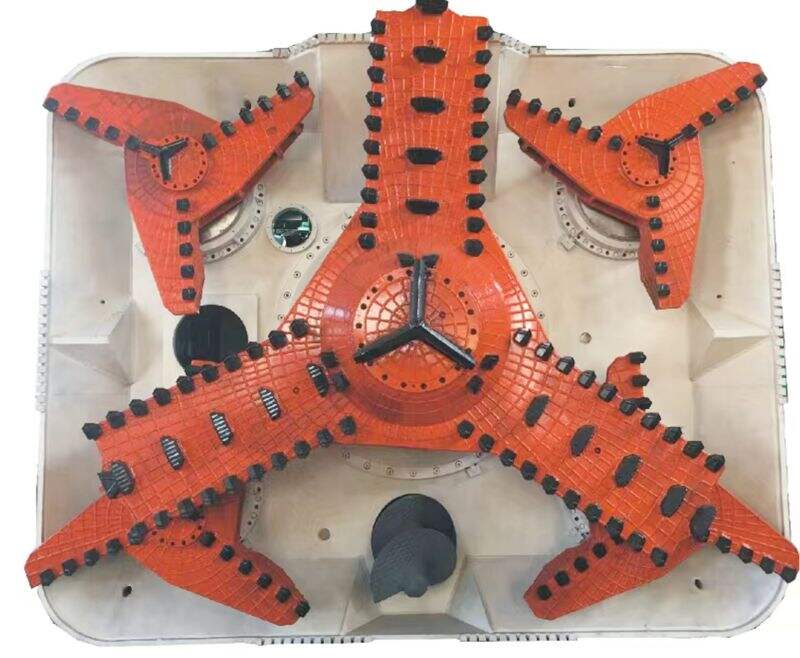
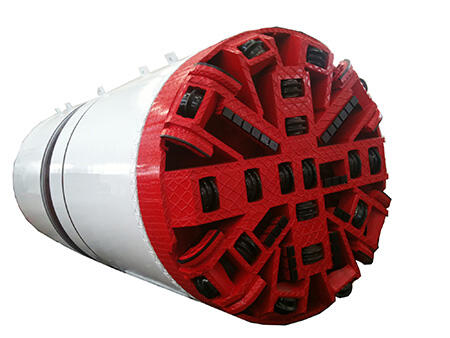
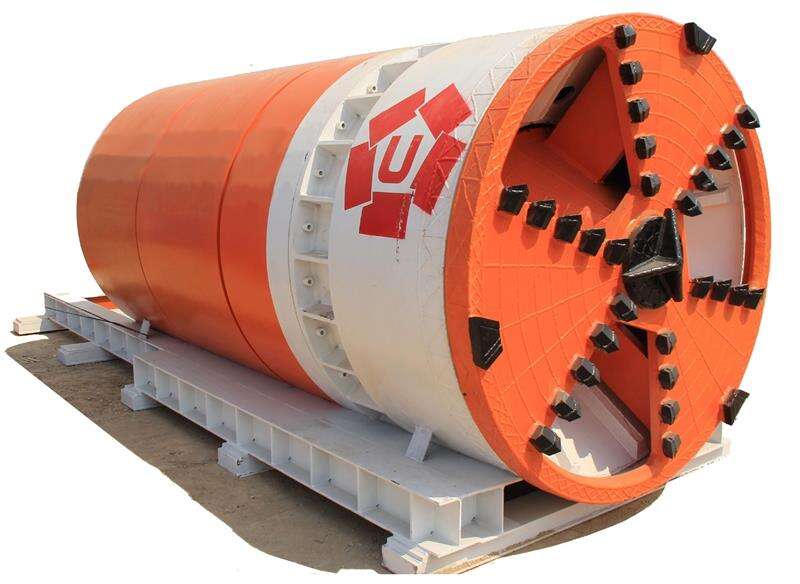
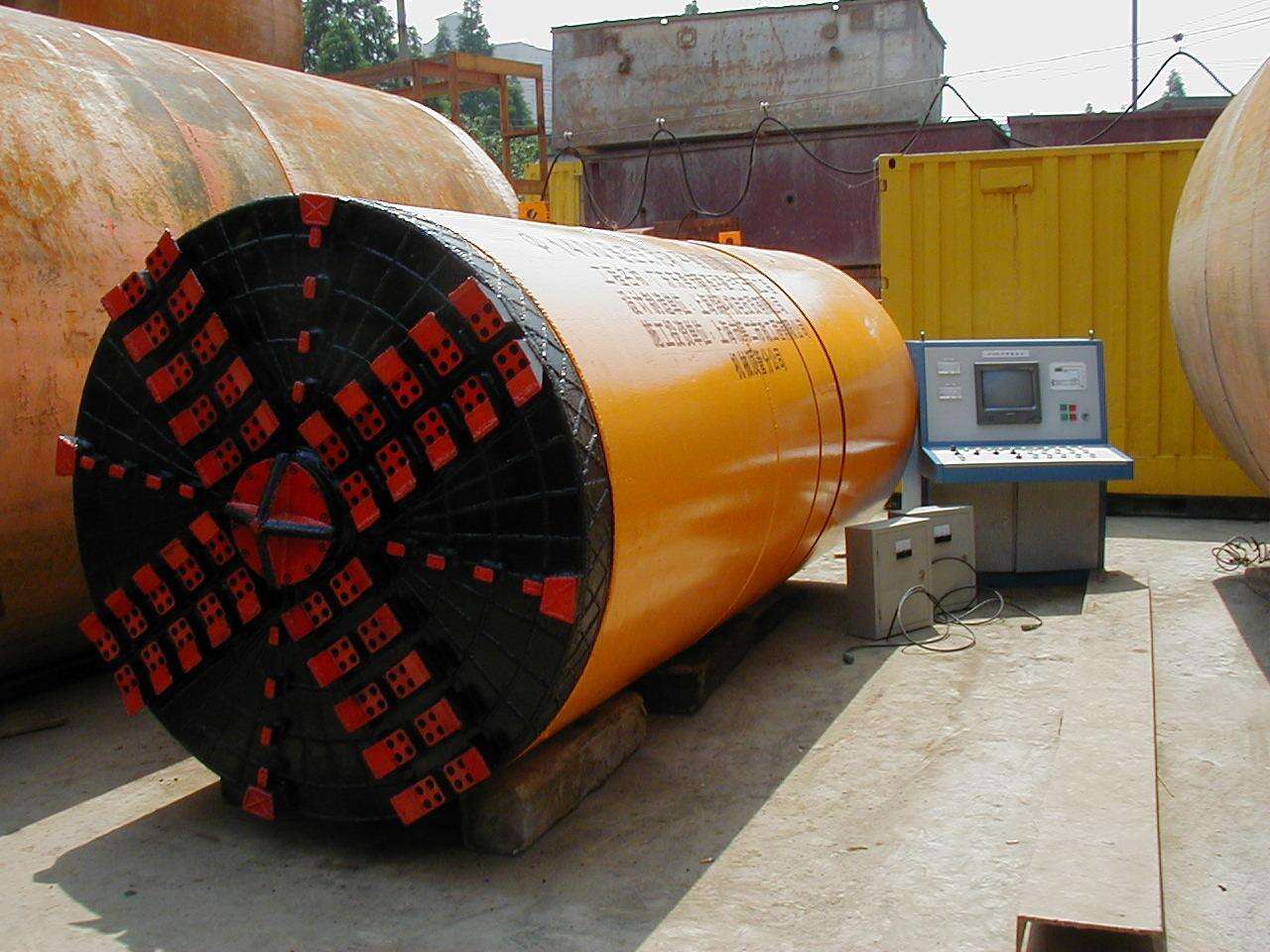
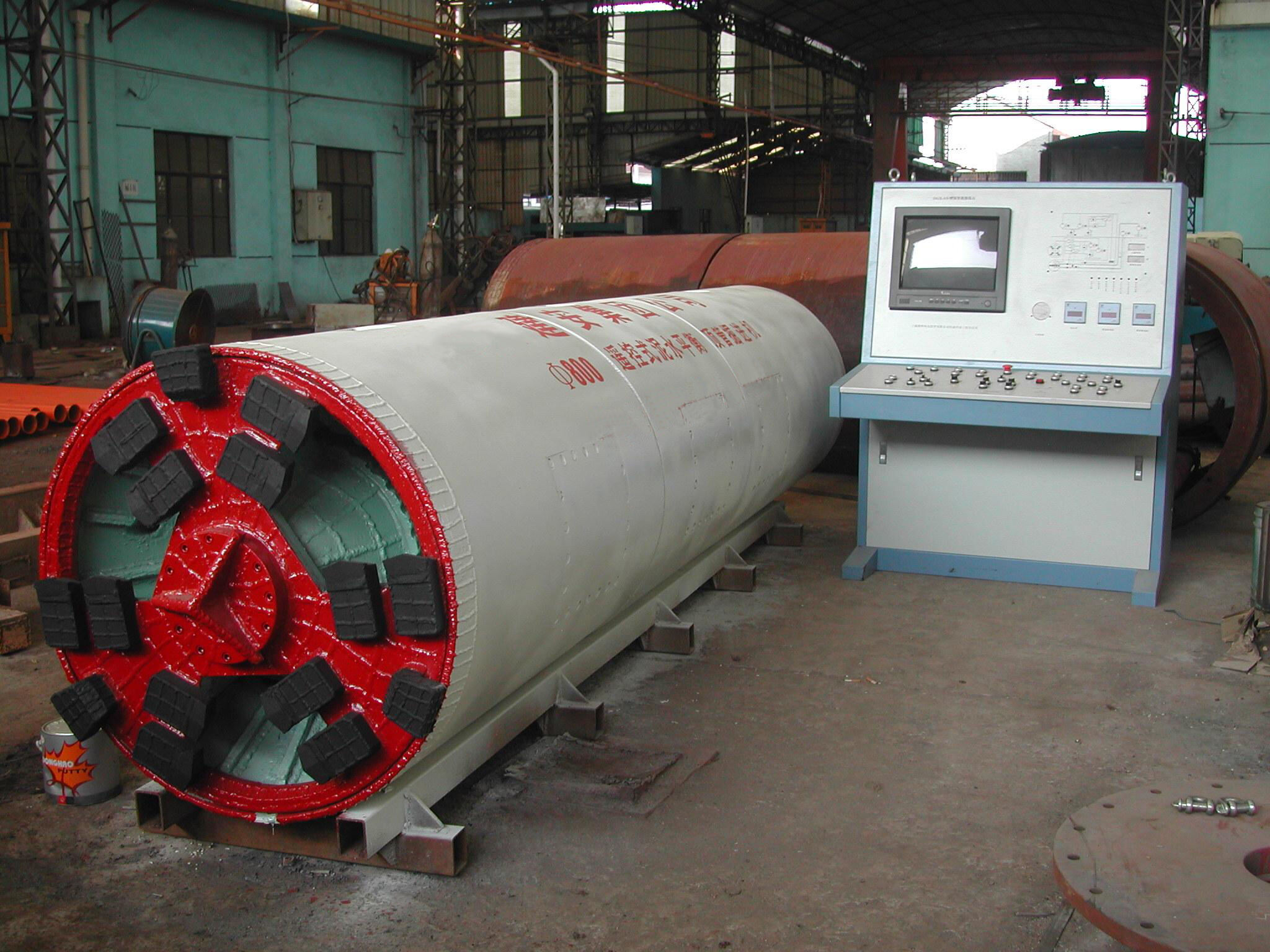
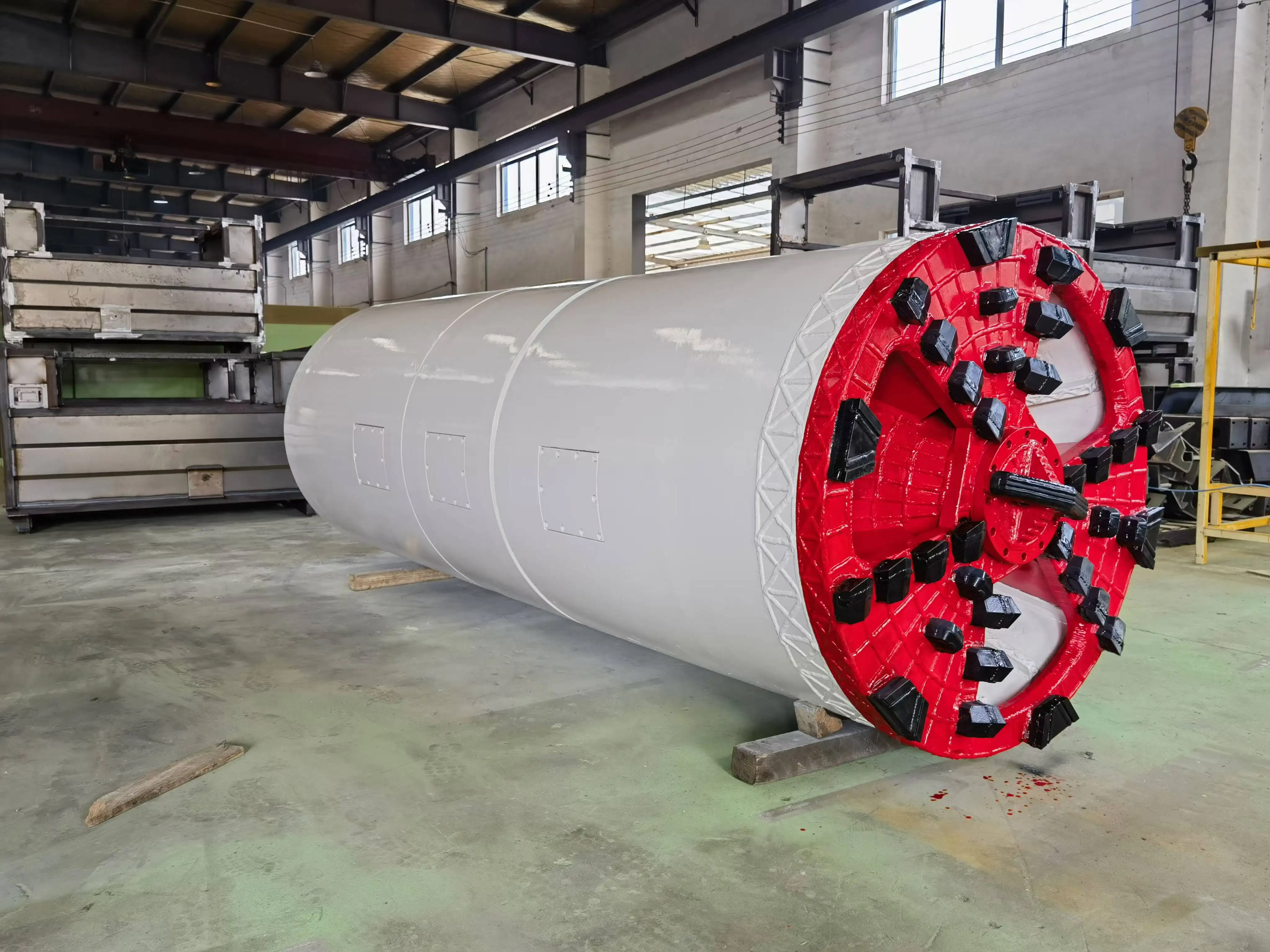
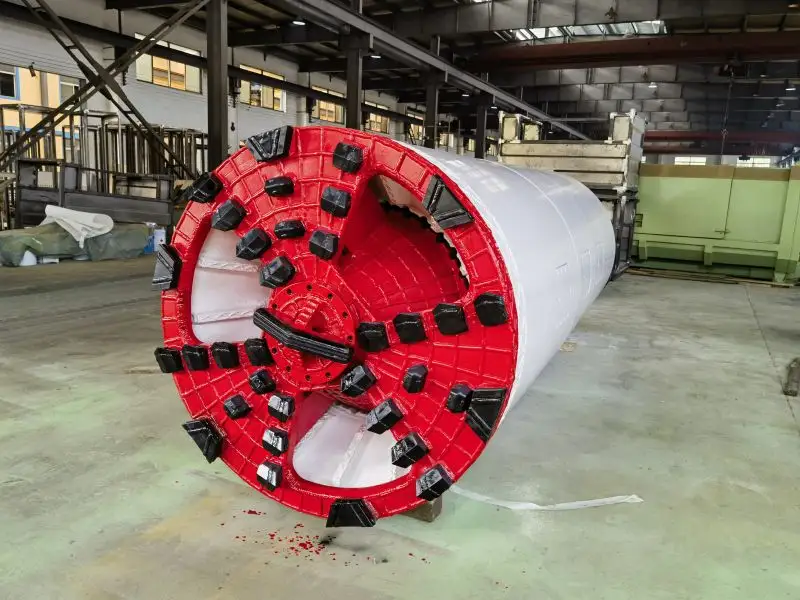
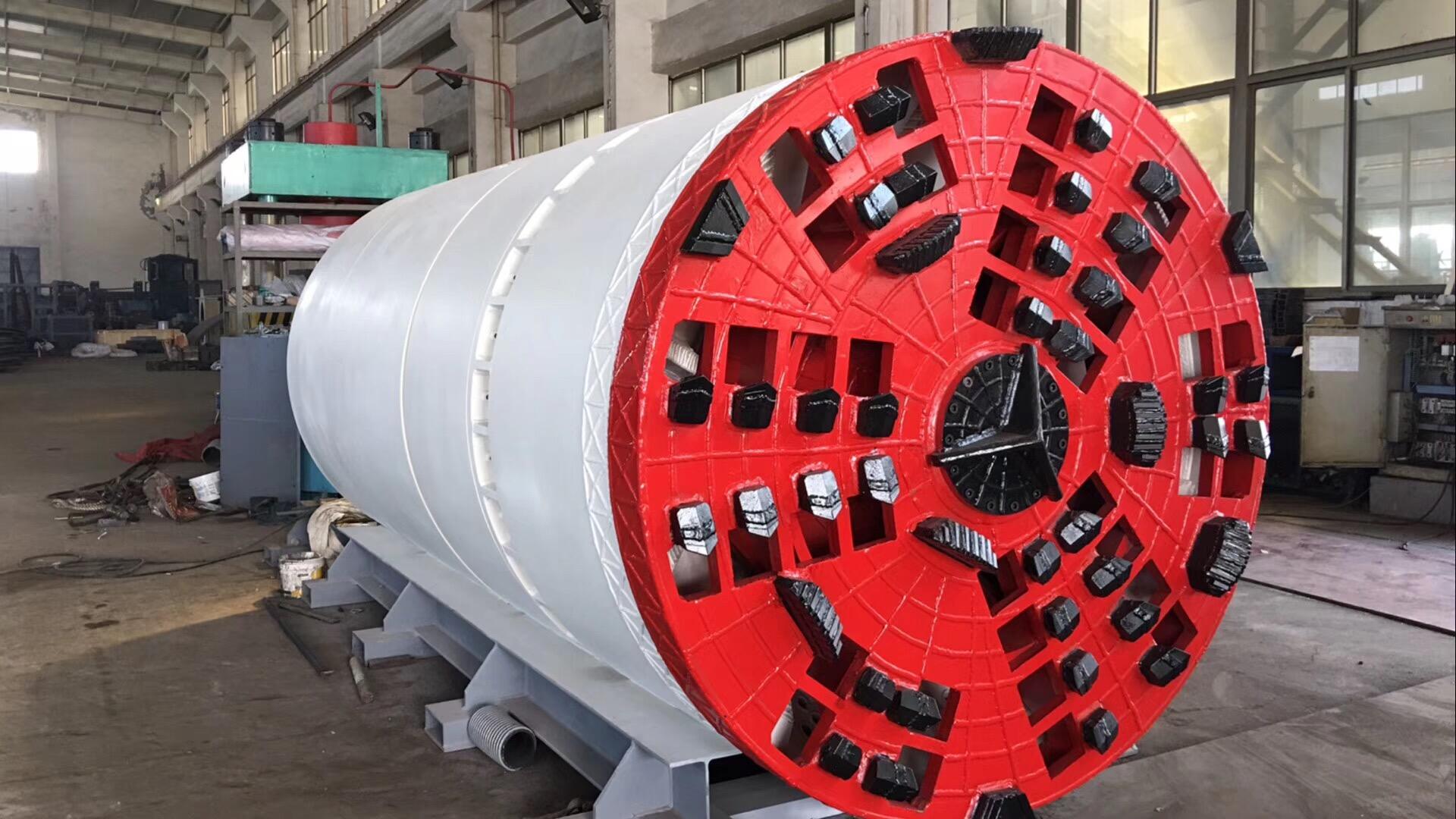
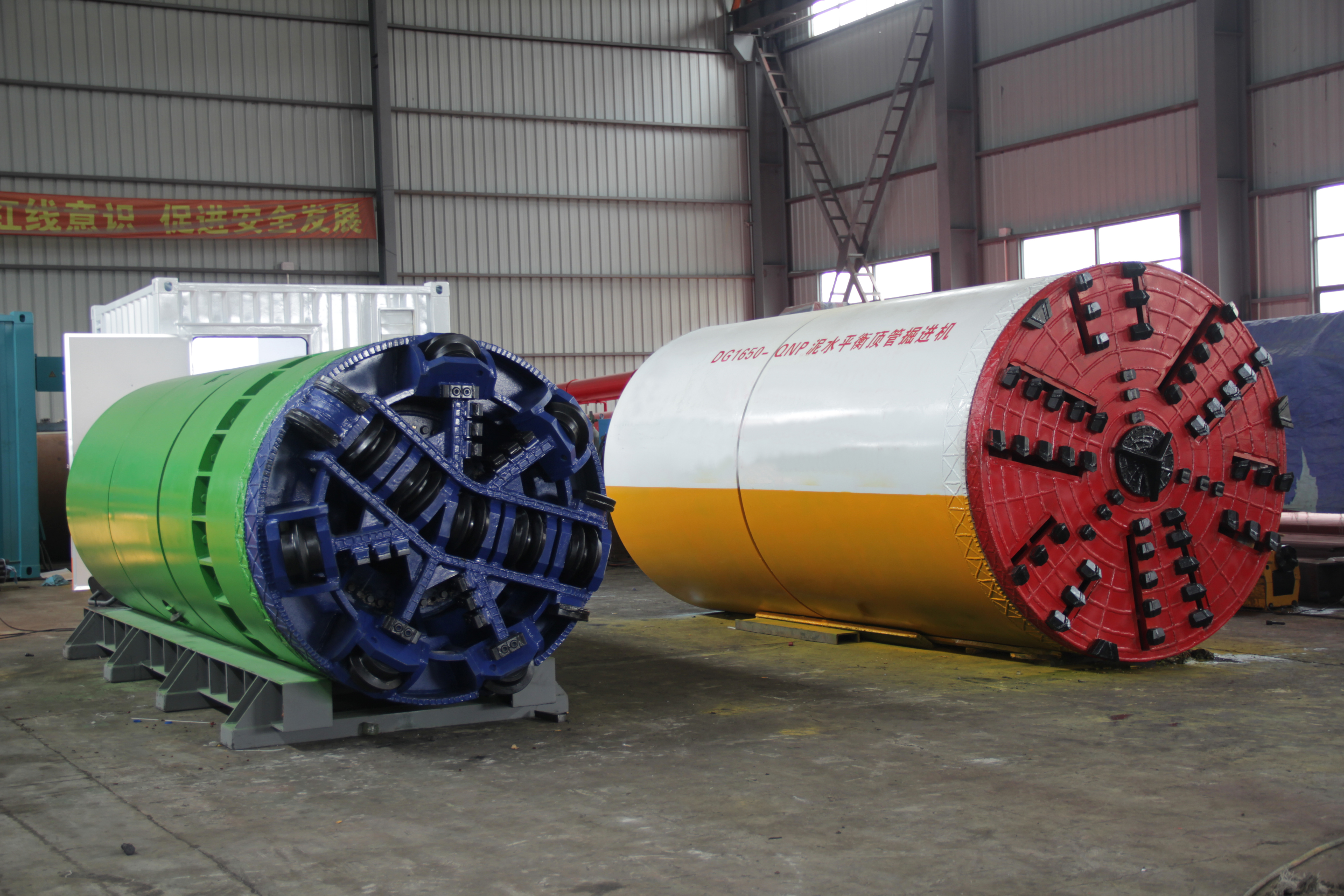
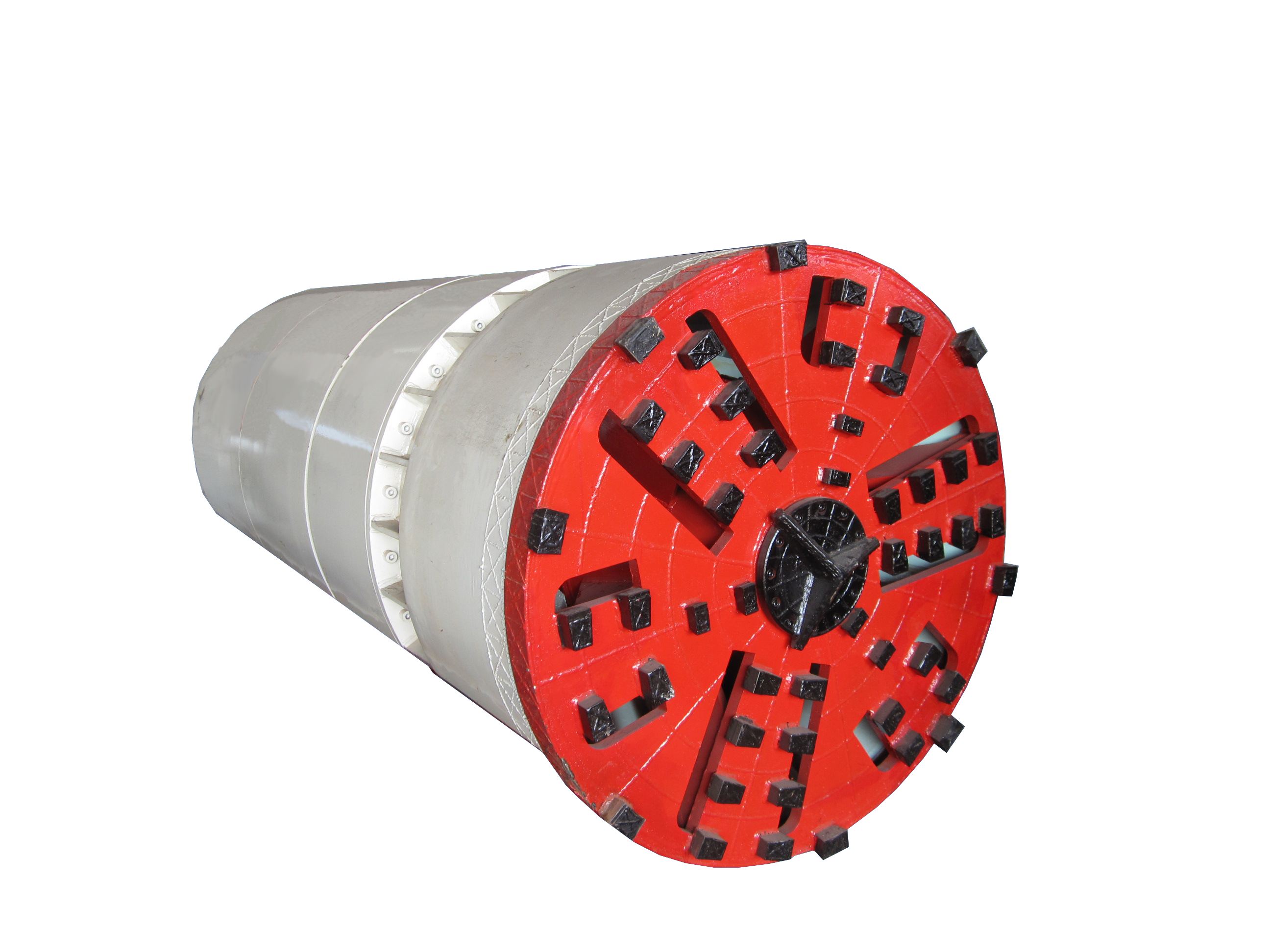
Pinch valve pipe jacking machines represent a revolutionary advancement in trenchless construction technology, specifically designed to facilitate the installation of underground pipelines without the need for extensive excavation. These sophisticated machines integrate specialized pinch valve systems with traditional pipe jacking methodologies, creating a highly efficient solution for urban infrastructure development. The primary function of pinch valve pipe jacking machines centers on their ability to control hydraulic flow during the pipe installation process. The pinch valve mechanism operates by compressing flexible tubing to regulate fluid movement, providing precise control over hydraulic pressure throughout the jacking operation. This control system enables operators to maintain optimal pressure levels while advancing pipes through various soil conditions, ensuring consistent performance and reducing the risk of ground settlement. Technologically, these machines feature advanced hydraulic systems that work in conjunction with laser guidance technology to maintain accurate alignment during installation. The pinch valve component utilizes pneumatic or hydraulic actuation to compress the valve sleeve, effectively stopping or controlling flow without internal contact with the conveyed medium. This design eliminates contamination risks and ensures reliable operation in challenging underground environments. Modern pinch valve pipe jacking machines incorporate computerized control systems that monitor real-time parameters including thrust force, advancement rate, and hydraulic pressure. These systems provide operators with comprehensive data to optimize performance and prevent potential complications during installation. The machines typically feature modular designs that accommodate various pipe diameters and installation requirements, making them versatile solutions for diverse construction projects. Applications for pinch valve pipe jacking machines span multiple infrastructure sectors, including municipal water systems, sewerage networks, gas distribution lines, and telecommunications conduits. These machines prove particularly valuable in urban environments where surface disruption must be minimized, such as beneath busy roadways, railway lines, or densely populated areas. The technology enables contractors to install pipelines efficiently while maintaining surface traffic flow and reducing environmental impact compared to traditional open-cut methods.

New Product Recommendations

Pinch valve pipe jacking machines deliver substantial operational benefits that directly translate to cost savings and improved project outcomes for construction companies and municipal authorities. These machines eliminate the need for extensive surface excavation, significantly reducing project costs associated with traffic management, surface restoration, and environmental mitigation measures. The controlled installation process minimizes ground disturbance, preserving existing infrastructure and reducing the risk of damaging utilities or affecting nearby structures. The precision control offered by pinch valve systems ensures consistent hydraulic pressure management throughout the installation process. This controlled approach prevents over-pressurization that could damage pipes or cause ground heave, while also avoiding under-pressurization that might result in installation delays or alignment issues. Operators benefit from real-time monitoring capabilities that provide immediate feedback on system performance, enabling quick adjustments to maintain optimal operating conditions. Construction projects utilizing pinch valve pipe jacking machines experience significantly reduced installation times compared to traditional excavation methods. The continuous advancement capability allows for faster project completion, reducing labor costs and minimizing disruption to surrounding communities. The machines operate efficiently in various soil conditions, from soft clays to dense gravels, providing consistent performance across diverse geological environments. Environmental advantages include minimal surface disturbance, reduced noise levels, and decreased dust generation compared to conventional excavation techniques. These factors make pinch valve pipe jacking machines ideal for projects in environmentally sensitive areas or urban locations where community impact must be minimized. The technology supports sustainable construction practices by reducing material waste and minimizing the carbon footprint associated with heavy excavation equipment. Safety benefits include reduced exposure risks for workers, as the controlled installation process eliminates the need for personnel to work in deep excavations. The enclosed system design prevents contamination of the installation environment and protects workers from potential hazardous conditions. Quality assurance improves through precise installation control, resulting in properly aligned pipelines with reduced risk of future maintenance issues. The machines maintain consistent installation parameters, ensuring uniform joint spacing and proper pipe orientation throughout the entire installation length. Long-term operational benefits include reduced maintenance requirements and extended service life for installed pipelines due to the controlled installation environment and reduced installation stress on pipe materials.

Practical Tips

What Makes No-Dig Solutions Ideal for Underground Piping?

23

Sep

What Makes No-Dig Solutions Ideal for Underground Piping?

Understanding Modern Underground Pipe Installation Methods The construction and maintenance of underground infrastructure have evolved significantly over the years, with no-dig solutions emerging as a revolutionary approach to pipe installation and r...
View More
Why Is A Micro Tunneling Machine Preferred For Complex Pipelines?

16

Oct

Why Is A Micro Tunneling Machine Preferred For Complex Pipelines?

Understanding Modern Pipeline Installation Technologies In the ever-evolving world of underground construction and infrastructure development, the micro tunneling machine has emerged as a revolutionary solution for installing complex pipeline systems...
View More
What Are the Top Applications for Micro Pipe Jacking Machines?

24

Oct

What Are the Top Applications for Micro Pipe Jacking Machines?

Urban Infrastructure Development with Micro Pipe Jacking MachinesThe Role of Trenchless Technology in Modern Urban DevelopmentTrenchless techniques such as micro pipe jacking are now pretty much a must when it comes to updating underground utilities ...
View More
What are the typical ground information requirements for the design and costing of a micro pipe jacking project?

24

Oct

What are the typical ground information requirements for the design and costing of a micro pipe jacking project?

Geotechnical Data Collection: Foundation for Micro Pipe Jacking FeasibilityThe Role of Subsurface Explorations in Early-Stage FeasibilityBefore starting any micro pipe jacking work, checking what's beneath the surface matters a lot for spotting geote...
View More

Get a Free Quote

Our representative will contact you soon.
Email
Name
Company Name
Message
0/1000

pinch valve pipe jacking machines

Advanced Hydraulic Control System with Pinch Valve Technology

Advanced Hydraulic Control System with Pinch Valve Technology

The integration of pinch valve technology within pipe jacking machines represents a significant technological breakthrough that transforms traditional installation methodologies. This advanced hydraulic control system utilizes sophisticated pinch valve mechanisms to provide unparalleled precision in managing hydraulic pressures during pipe installation operations. The pinch valve component operates through pneumatic or hydraulic actuation, compressing a flexible sleeve to control fluid flow without direct contact with the hydraulic medium. This contactless operation eliminates contamination risks and ensures consistent performance throughout extended installation campaigns. The system incorporates multiple pinch valves strategically positioned throughout the hydraulic circuit to provide comprehensive flow control and pressure regulation. Each valve responds to computerized control signals, enabling operators to make precise adjustments based on real-time installation conditions. The control system continuously monitors soil resistance, pipe advancement rates, and hydraulic pressures, automatically adjusting pinch valve positions to maintain optimal installation parameters. This automated response capability prevents over-pressurization events that could damage pipes or cause ground instability while ensuring sufficient pressure to advance through challenging soil conditions. The modular design of the hydraulic control system allows for easy maintenance and component replacement, minimizing downtime during construction projects. Operators benefit from intuitive control interfaces that display real-time system status and provide predictive maintenance alerts based on component usage and performance metrics. The pinch valve technology enables rapid system response to changing installation conditions, with valve actuation times measured in milliseconds rather than seconds typical of conventional hydraulic valves. This responsiveness proves critical when encountering unexpected soil conditions or obstacles that require immediate pressure adjustments. The system design incorporates multiple redundancy features, including backup power supplies and duplicate control circuits, ensuring continued operation even in the event of component failures. Quality control benefits include consistent hydraulic pressure delivery that results in uniform pipe installation with reduced joint stress and improved long-term pipeline integrity.
Precision Installation with Laser Guidance Integration

Precision Installation with Laser Guidance Integration

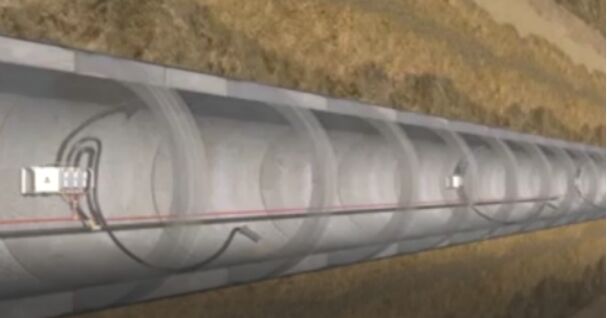
Pinch valve pipe jacking machines incorporate state-of-the-art laser guidance systems that work synergistically with hydraulic control technology to achieve unprecedented installation accuracy. The laser guidance integration provides real-time positional feedback that enables operators to maintain precise alignment throughout the entire installation process, regardless of pipe length or installation complexity. The system utilizes advanced laser transmitters positioned at predetermined reference points to establish accurate installation trajectories. Multiple laser receivers mounted on the pipe jacking machine continuously monitor position relative to the intended path, providing immediate feedback when deviations occur. The integration with pinch valve hydraulic controls enables automatic corrections through selective pressure adjustments that guide the installation back to the proper alignment. This automated correction capability eliminates the guesswork traditionally associated with underground pipe installation and reduces the skill level required for successful operation. The laser guidance system operates effectively in various environmental conditions, including dust, moisture, and temperature variations commonly encountered in underground construction. Advanced signal processing algorithms filter environmental interference to maintain accurate positional data throughout the installation process. The system provides both horizontal and vertical guidance, ensuring proper pipe grade and alignment in three-dimensional space. Operators receive continuous visual and audible feedback regarding installation progress and alignment status through sophisticated display systems that present complex positional data in easily interpretable formats. The precision achieved through laser guidance integration significantly reduces the need for costly corrections or reinstallation due to alignment errors. Project quality improves dramatically as installations consistently meet design specifications for grade, alignment, and positioning tolerances. The system maintains accuracy over extended installation distances, with cumulative positioning errors typically remaining within millimeter tolerances even for installations spanning several hundred meters. Documentation capabilities include automatic logging of installation parameters and positional data, providing comprehensive records for quality assurance and future maintenance reference. The integration enables installation of complex pipeline geometries, including curved alignments and variable grades that would be extremely challenging using conventional methods.
Versatile Modular Design for Multiple Applications

Versatile Modular Design for Multiple Applications

The modular architecture of pinch valve pipe jacking machines delivers exceptional versatility that enables contractors to adapt equipment configurations for diverse installation requirements across multiple infrastructure sectors. This design philosophy centers on interchangeable components that can be quickly reconfigured to accommodate different pipe diameters, installation depths, and soil conditions without requiring entirely separate machines for each application. The modular approach includes specialized jacking frames designed for specific pipe sizes, ranging from small diameter utility lines to large storm water or sewer mains. Each frame module incorporates optimized thrust distribution systems that ensure uniform force application across the pipe circumference, preventing deformation or damage during installation. The pinch valve hydraulic modules can be scaled to provide appropriate force levels for different pipe materials and installation conditions, with multiple modules combinable for high-force applications in challenging soil conditions. Soil conditioning modules integrate seamlessly with the base machine to provide specialized capabilities for specific geological conditions. These modules include bentonite injection systems for clay soils, polymer addition systems for sandy conditions, and foam injection capabilities for mixed soil environments. The modular design enables rapid deployment of appropriate conditioning systems based on geotechnical analysis results, optimizing installation performance for local conditions. Control system modularity allows for customization of operator interfaces and automation levels based on project requirements and operator preferences. Basic manual control modules provide essential functionality for straightforward installations, while advanced automated modules incorporate artificial intelligence algorithms that optimize installation parameters based on continuous performance monitoring. The modular architecture extends to auxiliary systems including power generation, lighting, and communication equipment. Contractors can select appropriate modules based on project size, duration, and site conditions, avoiding unnecessary equipment costs while ensuring adequate capability for successful completion. Maintenance benefits include the ability to service individual modules without affecting entire machine operation, reducing downtime and maintenance costs. Standardized interfaces between modules enable rapid component replacement using common tools and procedures, minimizing specialized maintenance requirements. The design facilitates equipment upgrades through module replacement rather than complete machine replacement, protecting capital investments while enabling access to latest technological improvements. Training requirements reduce significantly as operators familiar with one module configuration can quickly adapt to different configurations using the same fundamental operating principles.

Get a Free Quote

Our representative will contact you soon.
Email
Name
Company Name
Message
0/1000