ပင့်ခ် ဗာလ်ဗ် ပိုက် ဂျက်ကင်းစက်များ
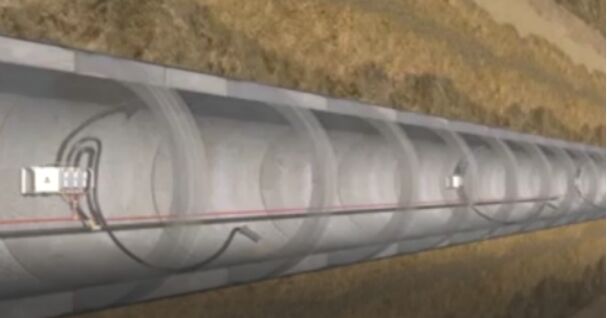
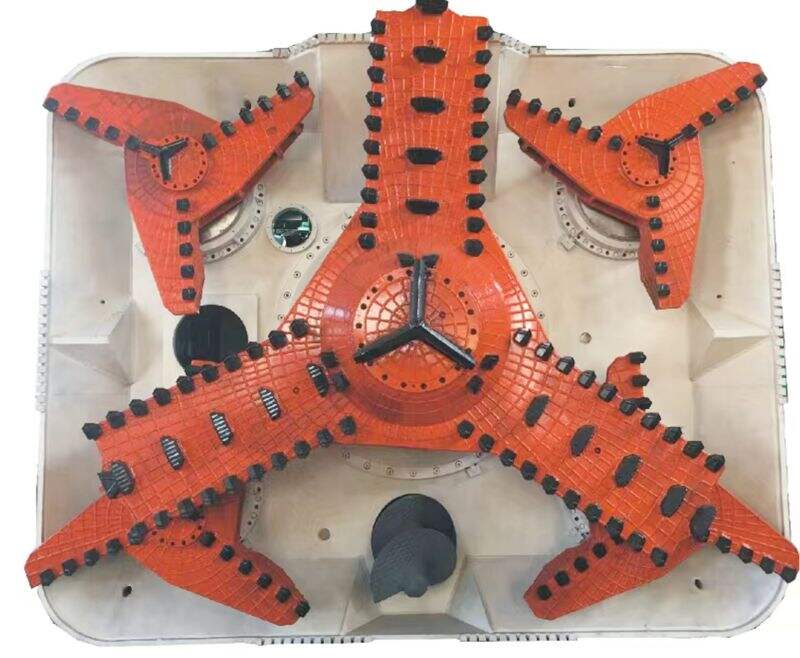
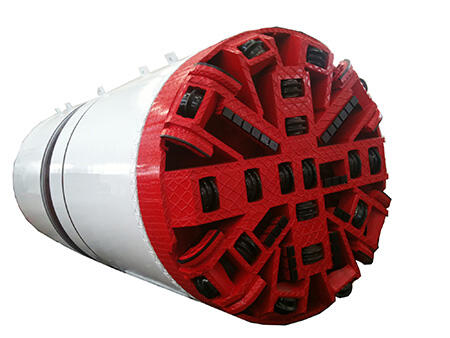
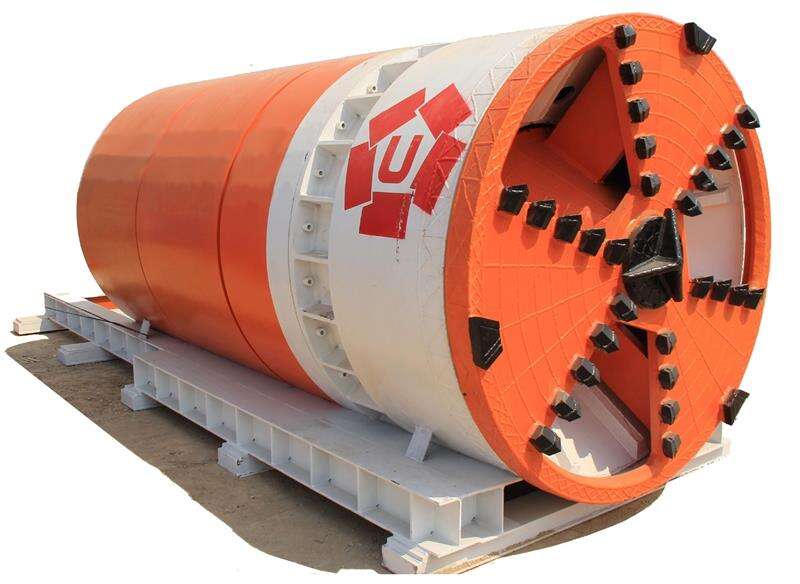
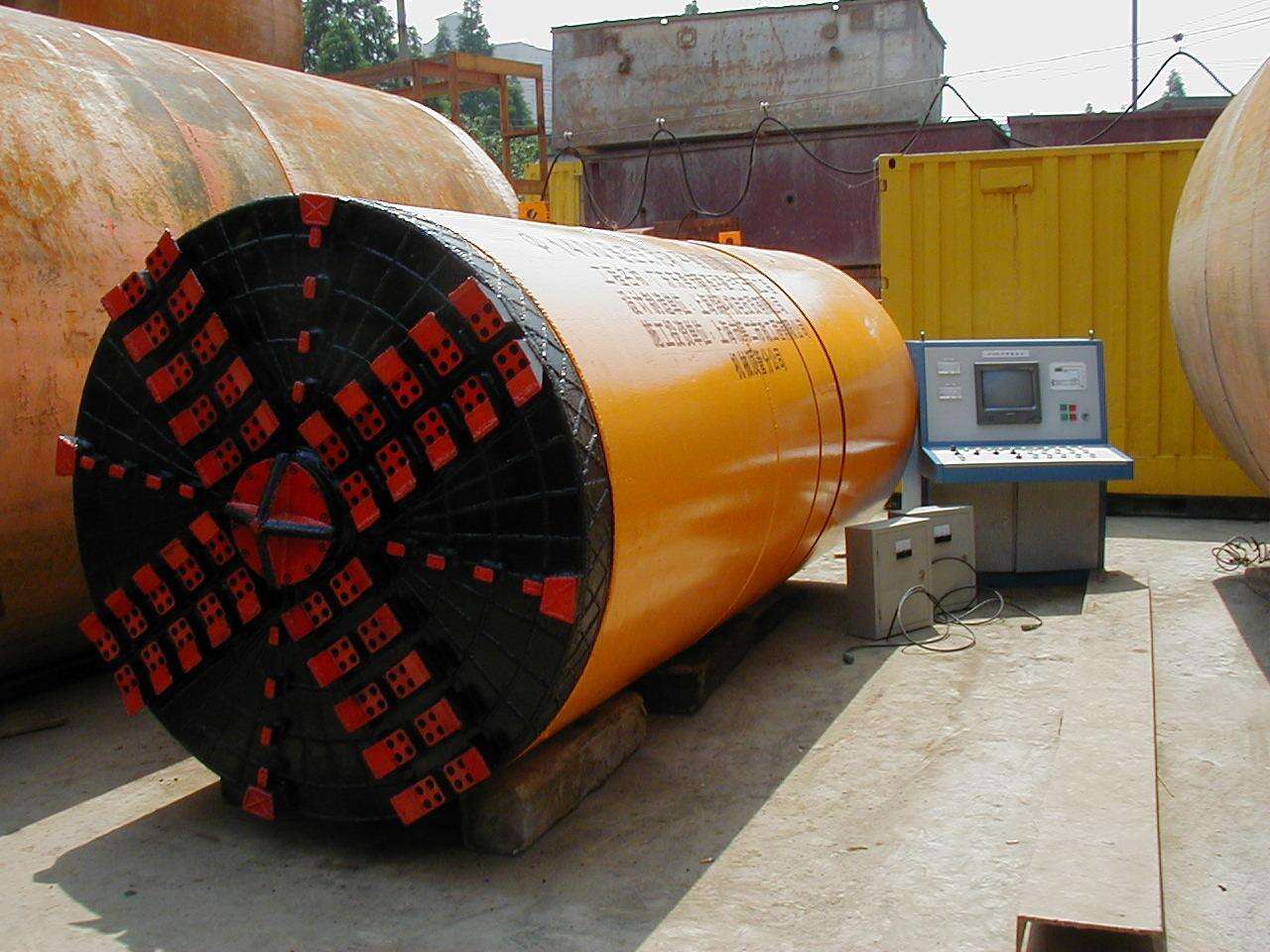
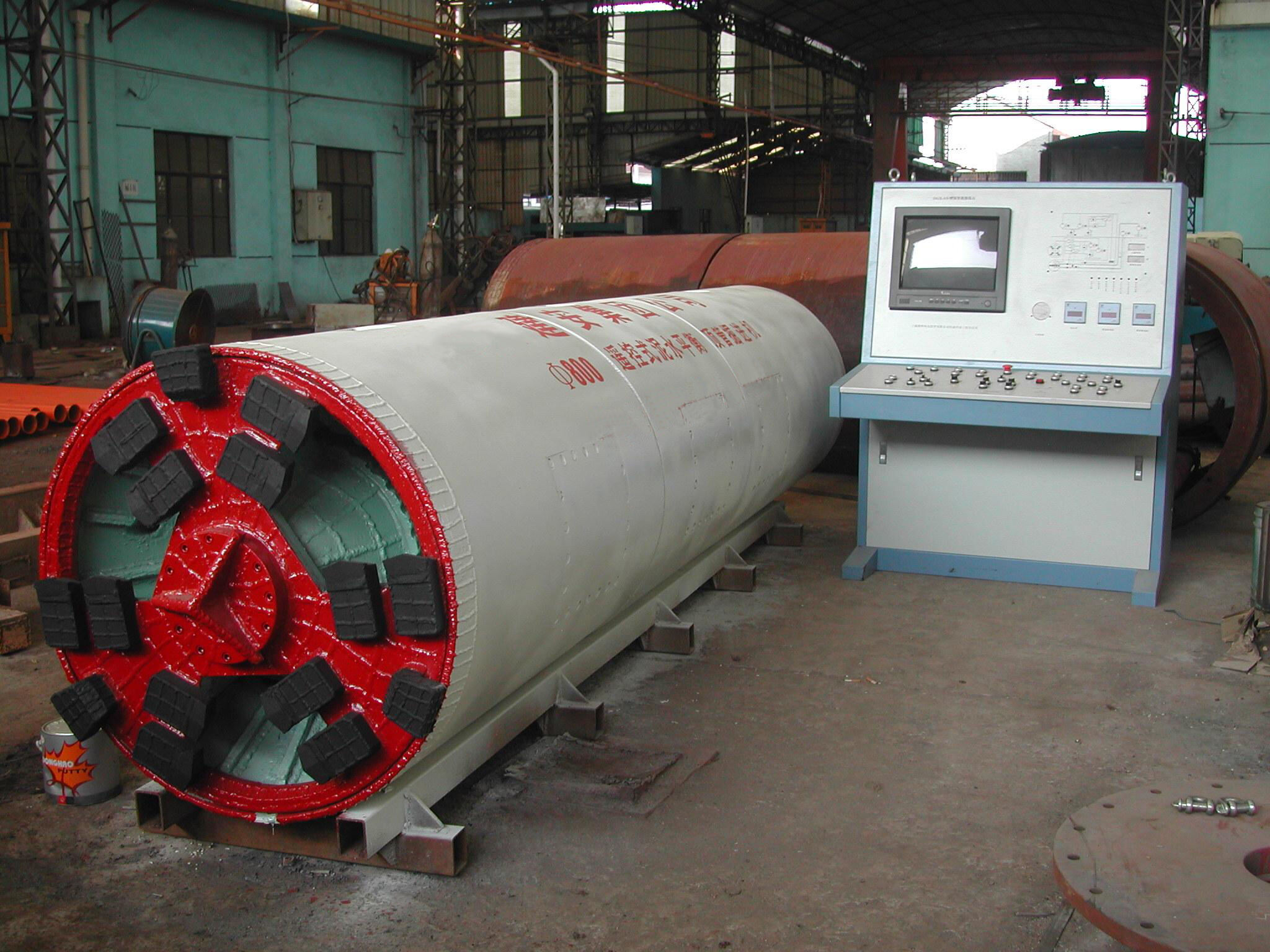
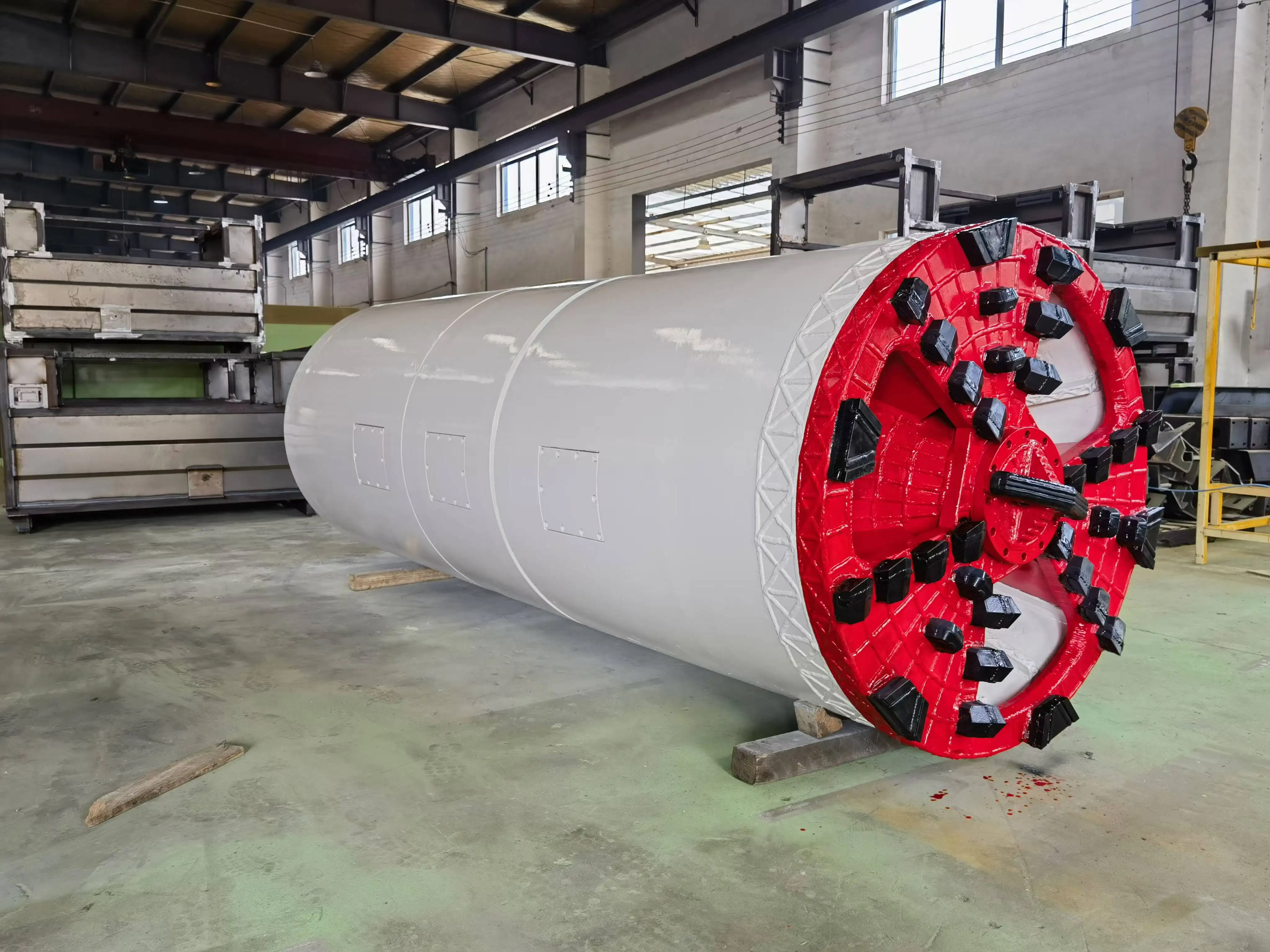
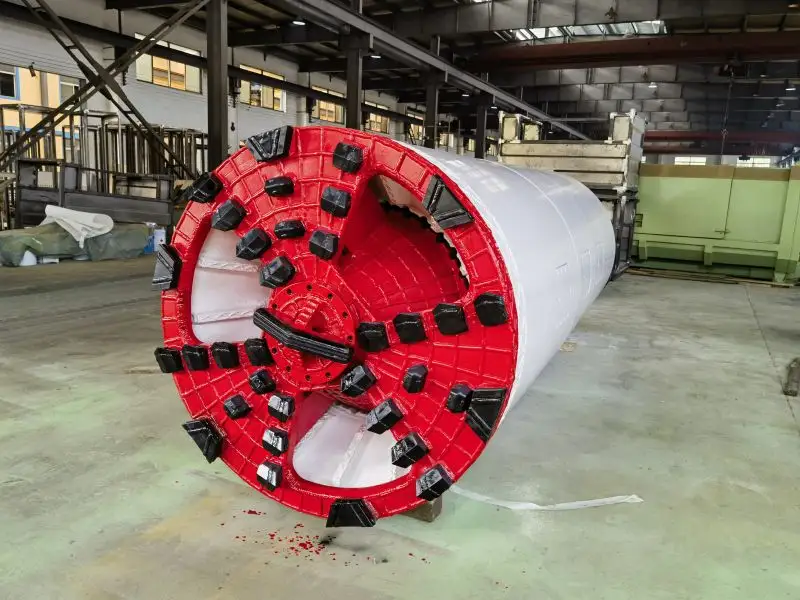
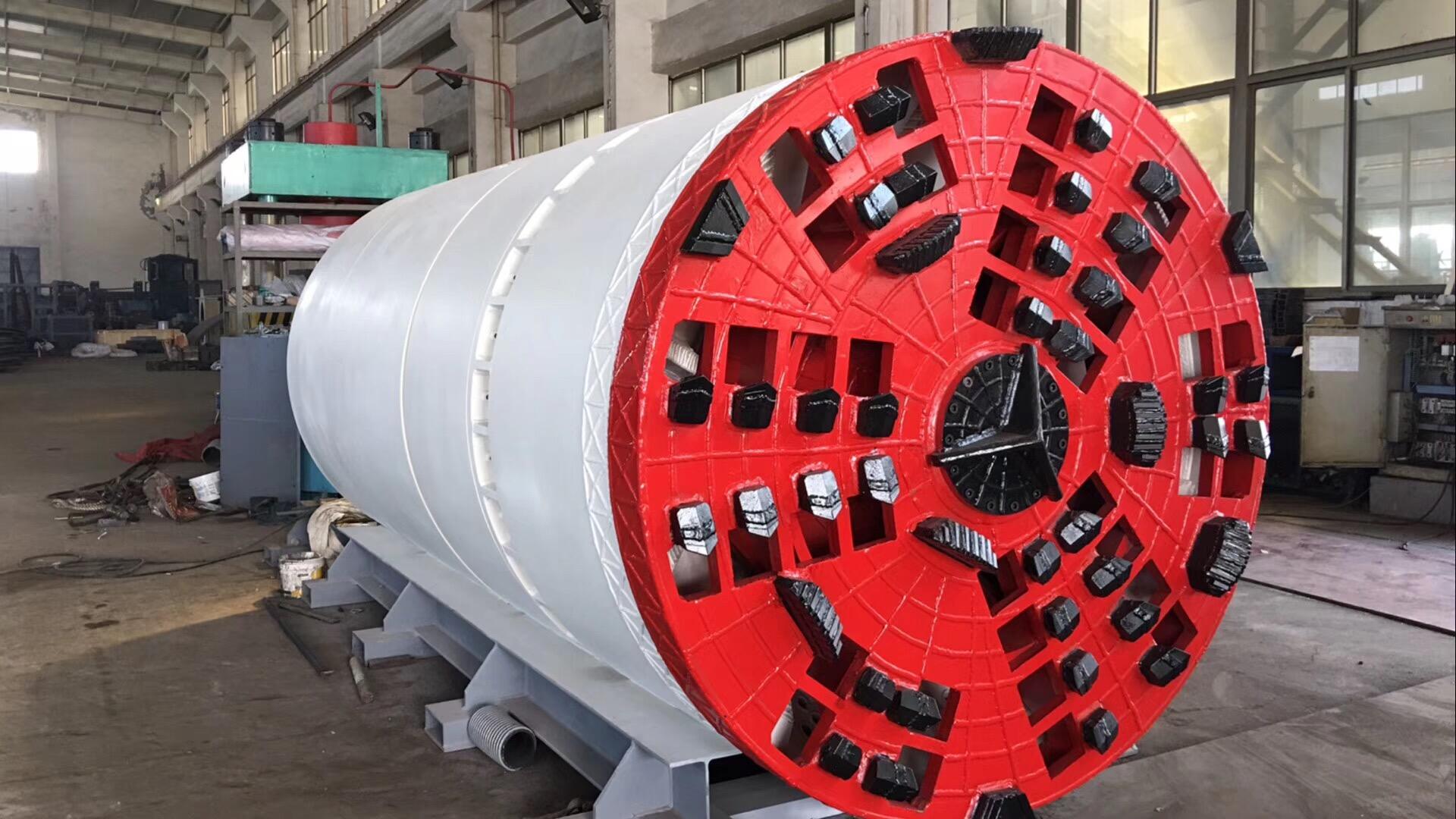
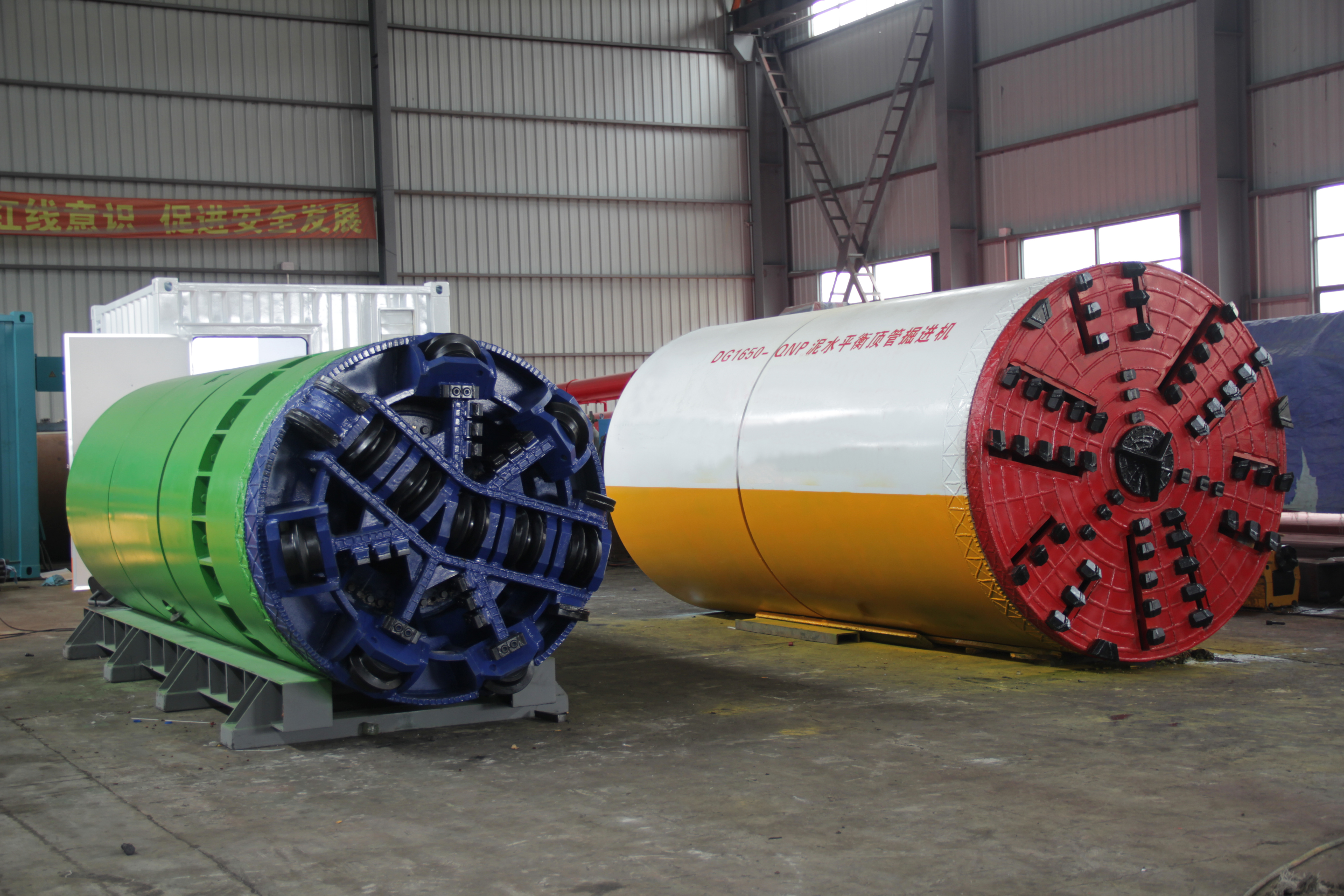
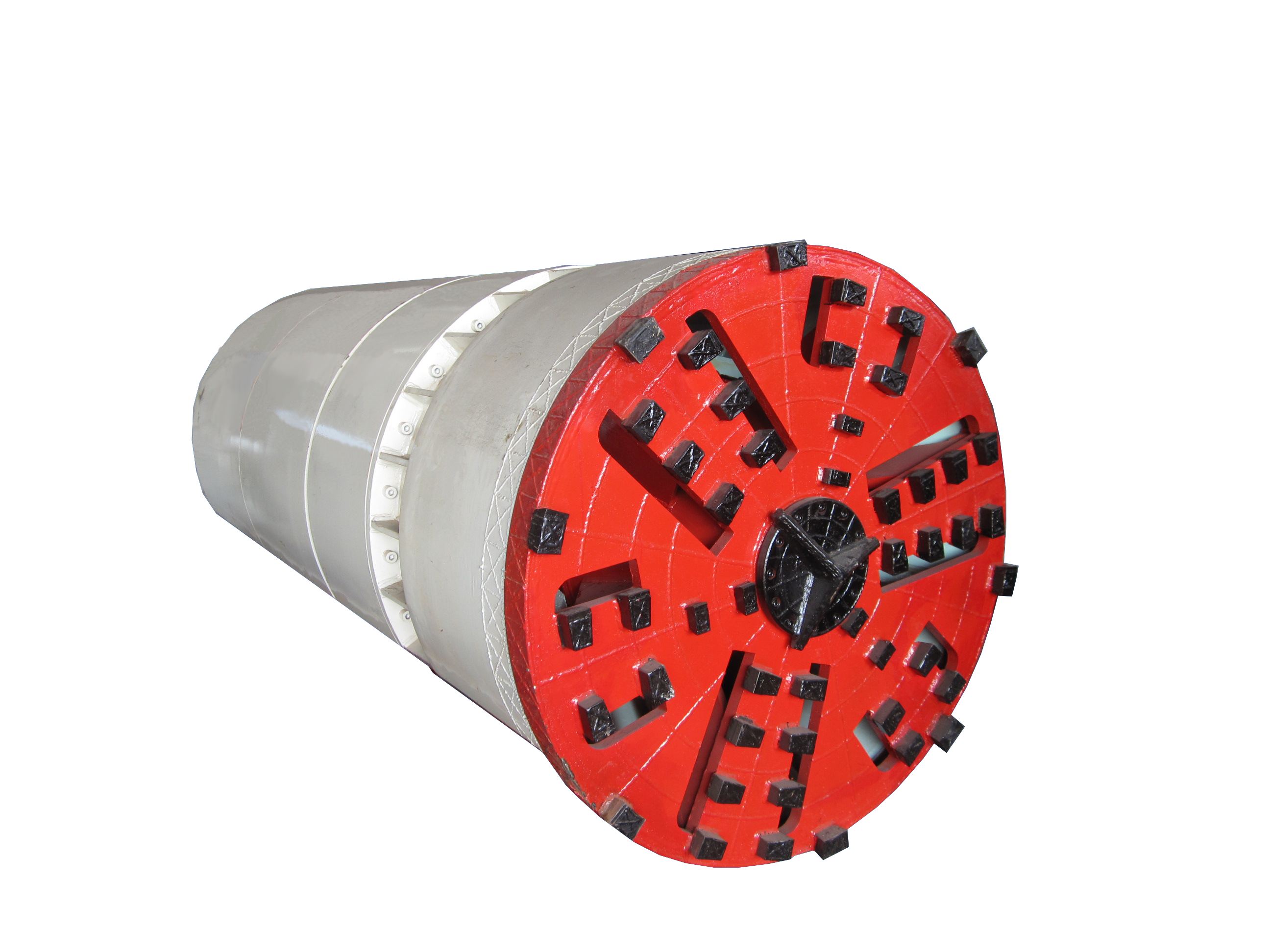
ပင့်ခ် ဖော်လ်ဗဲလ် ပိုက်ဂျက်ကင်းစက်များသည် အုန်းမြေအောက် ပိုက်လိုင်းများကို ကြီးမားသော မြေထုဖွင့်လှစ်မှုမရှိဘဲ တပ်ဆင်ရန်အတွက် အထူးဒီဇိုင်းထုတ်ထားသည့် အုန်းမြေအောက် တည်ဆောက်ရေးနည်းပညာတွင် တီထွင်မှုတစ်ရပ်ဖြစ်သည်။ ဤအဆင့်မြင့်စက်များသည် ပုံမှန်ပိုက်ဂျက်ကင်းနည်းလမ်းများနှင့် အထူးပိုက်ချုပ်ဖော်လ်ဗဲလ်စနစ်များကို ပေါင်းစပ်ထည့်သွင်းထားပြီး မြို့ပြအခြေခံအဆောက်အအိမ်များ တည်ဆောက်ရာတွင် အလွန်ထိရောက်မှုရှိသည့် ဖြေရှင်းနည်းကို ဖန်တီးပေးသည်။ ပင့်ခ် ဖော်လ်ဗဲလ် ပိုက်ဂျက်ကင်းစက်များ၏ အဓိကလုပ်ဆောင်ချက်များသည် ပိုက်များကို တပ်ဆင်သည့်အခါ ဟိုက်ဒရောလစ်စီးဆင်းမှုကို ထိန်းညှိနိုင်မှုပေါ်တွင် အခြေခံသည်။ ပင့်ခ် ဖော်လ်ဗဲလ် စနစ်သည် ပိုက်လိုင်းတွင် စီးဆင်းမှုကို ထိန်းညှိရန် ပုံစံပေါ်လီမာအောက်ခံပိုက်များကို ဖိညှပ်ခြင်းဖြင့် လုပ်ဆောင်ပြီး ဂျက်ကင်းလုပ်ဆောင်မှုအတွင်း ဟိုက်ဒရောလစ်ဖိအားကို တိကျစွာထိန်းညှိပေးနိုင်သည်။ ဤထိန်းညှိမှုစနစ်သည် စက်မှုသမားများအား မတ်မတ်ရပ်နေသည့် မြေအမျိုးမျိုးတွင် ပိုက်များကို တိုးတက်စေရန်အတွက် အကောင်းဆုံးဖိအားအဆင်းကို ထိန်းသိမ်းပေးနိုင်ပြီး စွမ်းဆောင်ရည်ကို တစ်သေးတစ်သေးထိန်းသိမ်းပေးနိုင်ကာ မြေမျက်နှာပြင် ကျဆင်းမှုအန္တရာယ်ကို လျော့နည်းစေသည်။ နည်းပညာအရ ဤစက်များတွင် တပ်ဆင်မှုအတွင်း တိကျသည့် လိုင်းနေရာချမှုကို ထိန်းသိမ်းရန်အတွက် လေဆာလမ်းညွှန်မှုနည်းပညာနှင့် အတူ အဆင့်မြင့် ဟိုက်ဒရောလစ်စနစ်များပါဝင်သည်။ ပင့်ခ် ဖော်လ်ဗဲလ်အစိတ်အပိုင်းသည် ပိုက်အိတ်ကို လေဖိအား (သို့) ဟိုက်ဒရောလစ်ဖိအားဖြင့် ဖိညှပ်ခြင်းဖြင့် အလုပ်လုပ်ပြီး ပိုက်လိုင်းတွင် စီးဆင်းမှုကို ရပ်တန်းခြင်း (သို့) ထိန်းညှိခြင်းကို ပိုက်အတွင်းရှိ အရေးကြီးသည့် အရာဝတ္ထုနှင့် ထိတွေ့မှုမရှိဘဲ လုပ်ဆောင်ပေးသည်။ ဤဒီဇိုင်းသည် ညစ်ညမ်းမှုအန္တရာယ်များကို ဖယ်ရှားပေးပြီး အုန်းမြေအောက် အခက်အခဲရှိသည့် ပတ်ဝန်းကျင်များတွင် ယုံကြည်စိတ်ချရသည့် လုပ်ဆောင်မှုကို အာမခံပေးသည်။ ခေတ်မှီ ပင့်ခ် ဖော်လ်ဗဲလ် ပိုက်ဂျက်ကင်းစက်များတွင် အားထုတ်မှု၊ တိုးတက်မှုနှုန်းနှင့် ဟိုက်ဒရောလစ်ဖိအား စသည့် အချိန်နှင့်တစ်ပေါ် ပါရှိသည့် အချက်အလက်များကို စောင်းကြည့်နိုင်သည့် ကွန်ပျူတာစနစ်များ ပါဝင်သည်။ ဤစနစ်များသည် စက်မှုသမားများအား စွမ်းဆောင်ရည်ကို အကောင်းဆုံးဖြစ်အောင် လုပ်ဆောင်ရန်နှင့် တပ်ဆင်မှုအတွင်း ဖြစ်နိုင်သည့် အခက်အခဲများကို ကာကွယ်ရန်အတွက် အသုံးဝင်သည့် အချက်အလက်များကို ပေးပေးသည်။ ဤစက်များသည် ပိုက်အချင်းအမျိုးမျိုးနှင့် တပ်ဆင်မှုလိုအပ်ချက်များကို လွယ်ကူစွာ လုပ်ဆောင်နိုင်ရန်အတွက် မော်ဂျူလာဒီဇိုင်းများဖြင့် ပုံစံထုတ်ထားပြီး အမျိုးမျိုးသည့် တည်ဆောက်ရေးစီမံကိန်းများအတွက် လုံးဝကွဲပြားသည့် ဖြေရှင်းနည်းများကို ပေးပေးသည်။ ပင့်ခ် ဖော်လ်ဗဲလ် ပိုက်ဂျက်ကင်းစက်များကို မြို့ပြရေပေးဝါးစနစ်များ၊ စွန်းပေးစနစ်များ၊ ဂါစ်ဖြန့်ဖြူးရေးလိုင်းများနှင့် ဆက်သွယ်ရေးပိုက်လိုင်းများ စသည့် အခြေခံအဆောက်အအိမ်များ အုပ်စုများတွင် အသုံးပြုကြသည်။ ဤစက်များသည် မြို့ပြနေရာများတွင် မြေမျက်နှာပြင်ပေါ်ရှိ အန်တာယ်များကို အနည်းဆုံးဖြစ်အောင် ထိန်းသိမ်းရန် အထူးအသုံးဝင်ပြီး အထူးသဖြင့် အလုပ်များသည့် လမ်းမကြီးများ၊ မီးရထားလိုင်းများ သို့မဟုတ် လူနေသိပ်သည့် ဧရိယာများအောက်တွင် အသုံးပြုကြသည်။ ဤနည်းပညာသည် အုန်းမြေအောက် ပိုက်လိုင်းများကို ထိရောက်စွာ တပ်ဆင်နိုင်စေပြီး မြေမျက်နှာပြင်ပေါ်ရှိ လုပ်ဖော်ကိုင်ဖက်များကို ဆက်လက်လုပ်ဆောင်နိုင်စေကာ အုန်းမြေအောက် ပိုက်လိုင်းများကို ဖွင့်လှစ်တပ်ဆင်ခြင်းနည်းလမ်းများနှင့် နှိုင်းယှဉ်ပါက ပတ်ဝန်းကျင်အပေါ် သက်ရောက်မှုကို လျော့နည်းစေသည်။

 EN
EN
 AR
AR BG
BG HR
HR CS
CS FR
FR DE
DE EL
EL HI
HI IT
IT JA
JA KO
KO RO
RO RU
RU ES
ES TL
TL ID
ID LT
LT SK
SK SL
SL UK
UK VI
VI ET
ET TH
TH TR
TR FA
FA AF
AF MS
MS HY
HY AZ
AZ KA
KA BN
BN LO
LO LA
LA MN
MN NE
NE MY
MY KK
KK UZ
UZ KY
KY