Versatile Pipe Compatibility for Diverse Infrastructure Applications
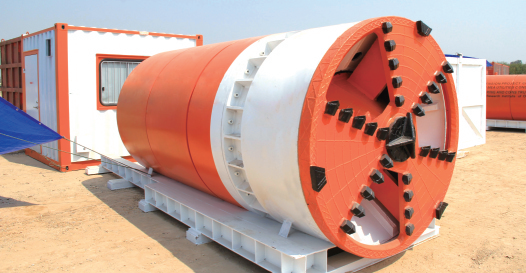
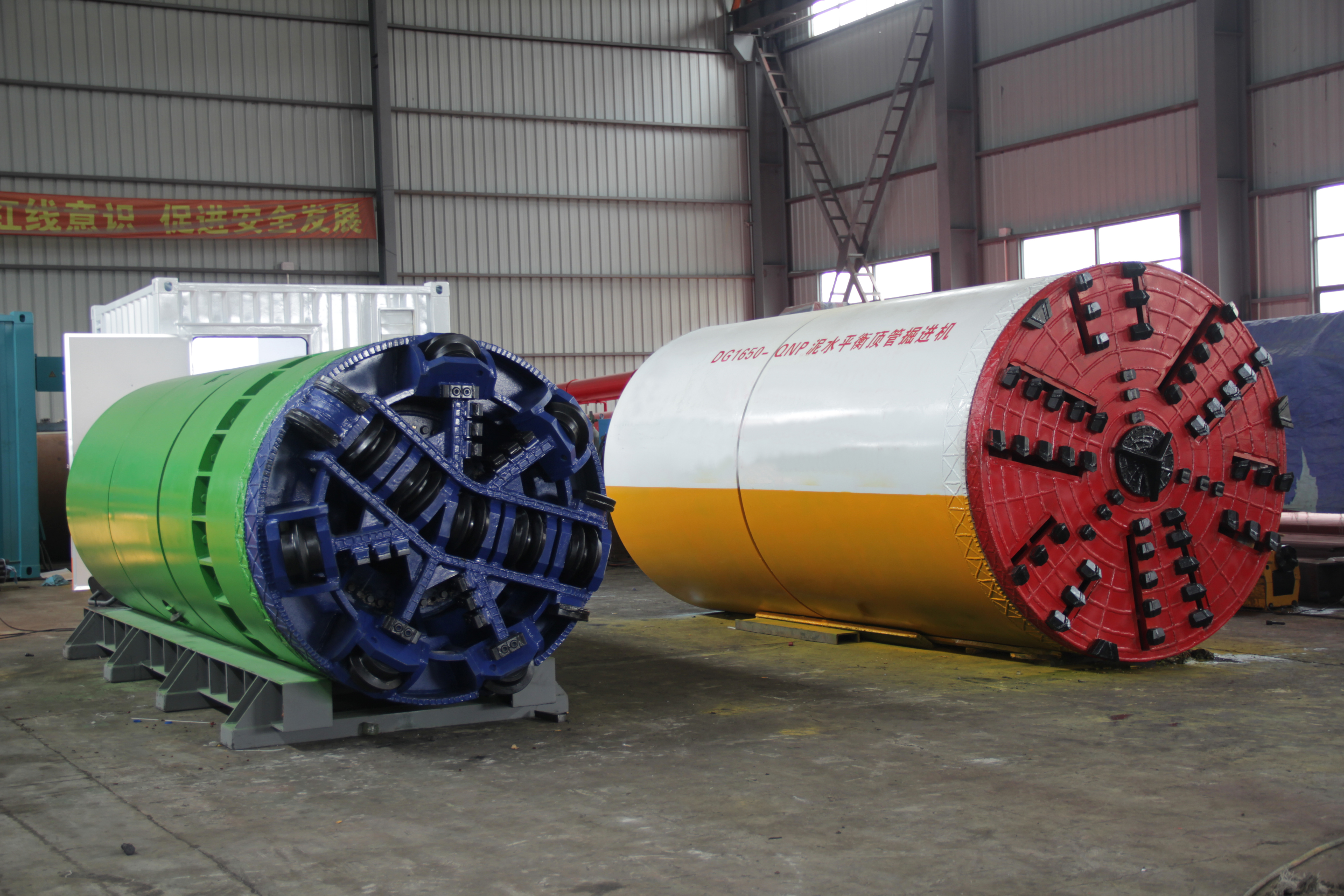
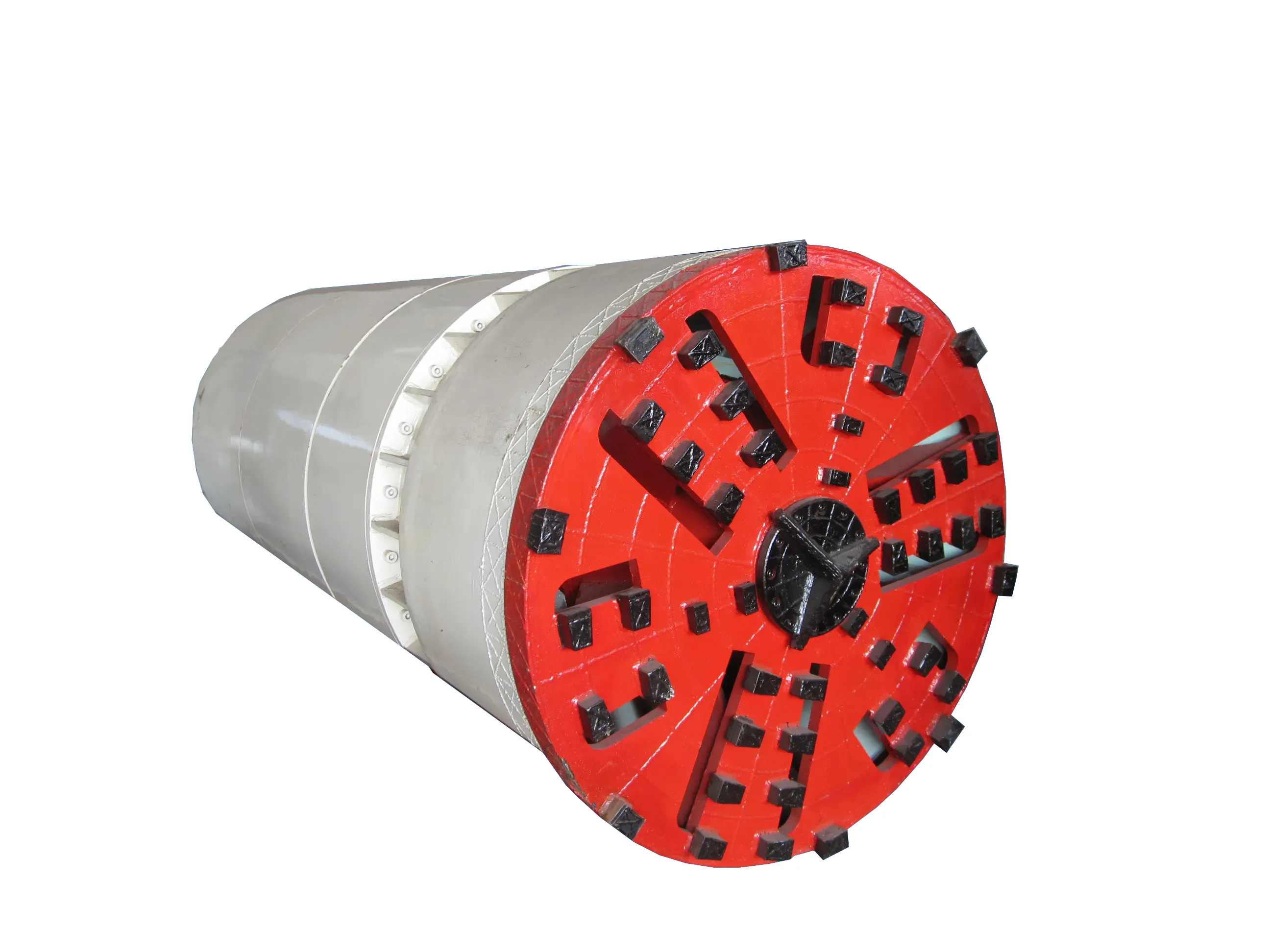
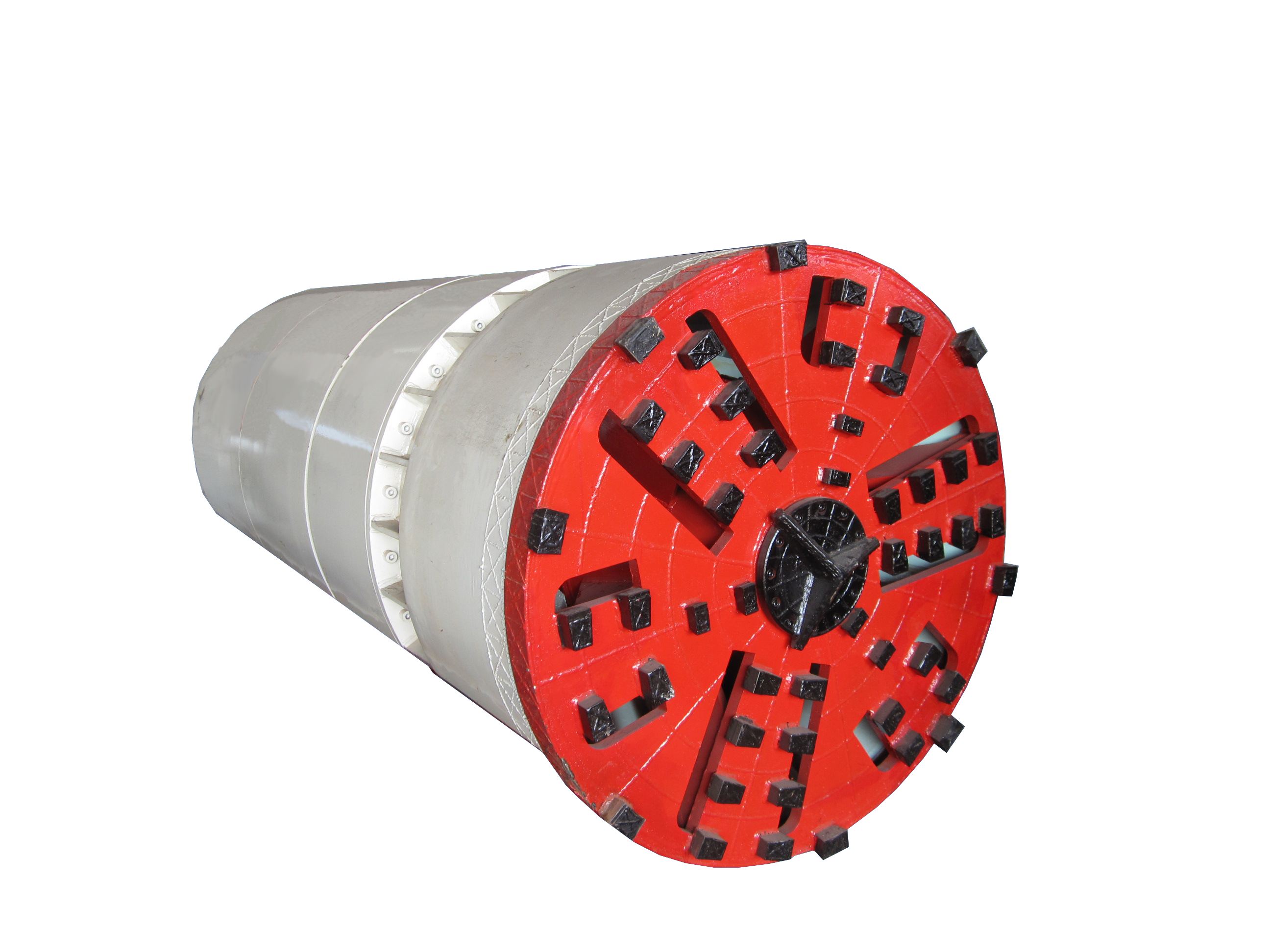
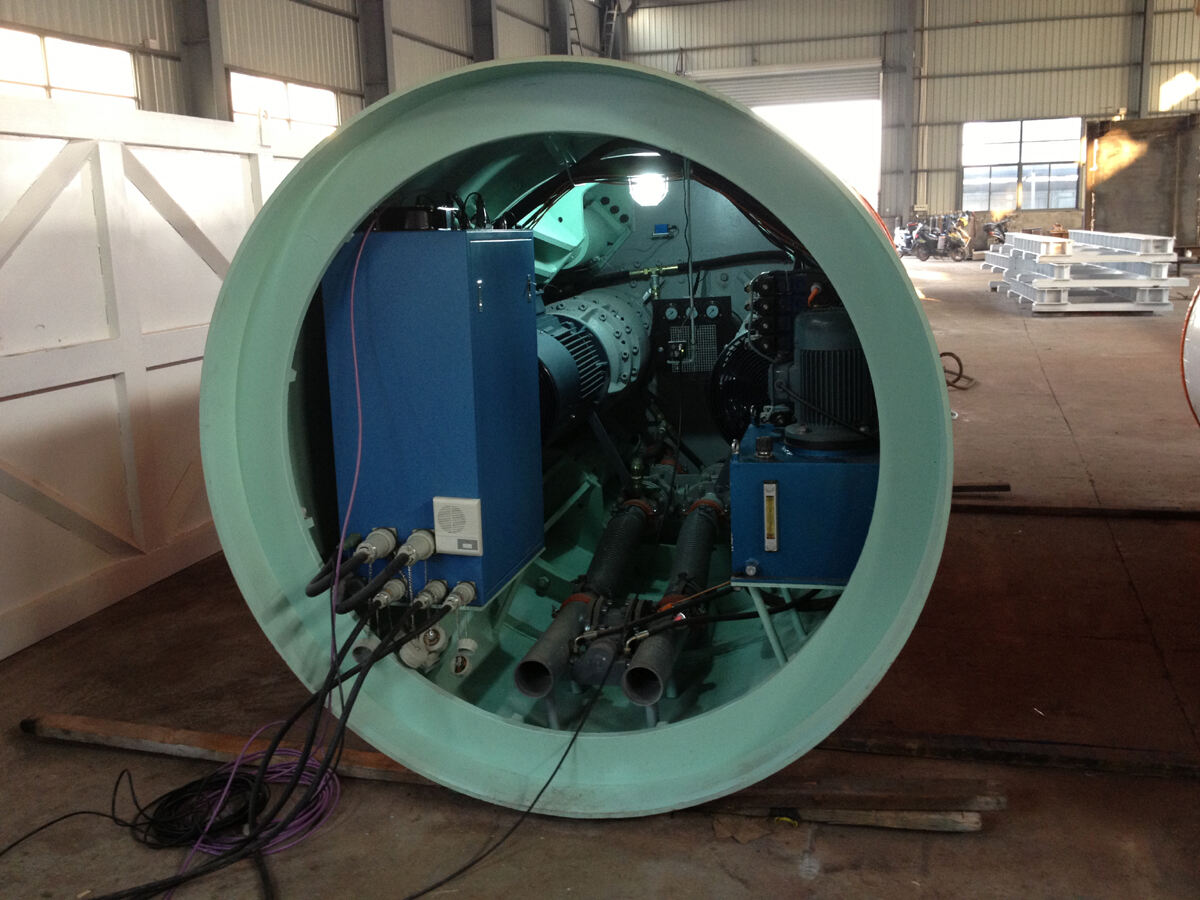
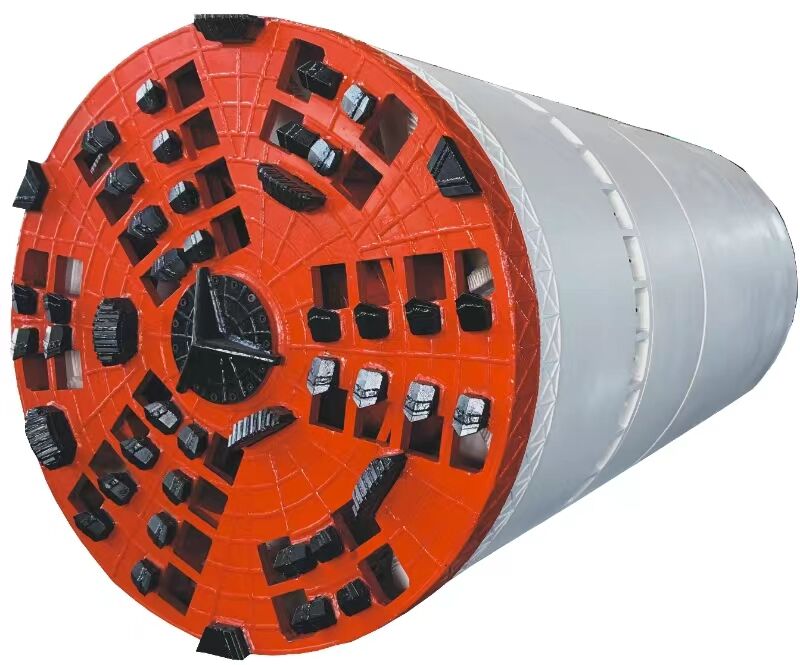
Slurry pipe jacking technology demonstrates exceptional versatility through its compatibility with numerous pipe materials and diameter ranges, making it the preferred solution for diverse infrastructure applications across multiple industries. This adaptability stems from the system's flexible design that accommodates concrete pipes, steel casings, polymer composites, and specialized materials while maintaining consistent installation quality regardless of pipe specifications. The technology handles pipe diameters ranging from small utility connections to large-scale transportation tunnels, with jacking forces adjustable to match specific material requirements and ground conditions. Concrete pipes represent the most common application for slurry pipe jacking, with the system expertly managing the substantial weights and precise handling requirements of precast sections. The controlled jacking process prevents damage to concrete pipes while ensuring proper joint alignment and sealing throughout the installation. Steel pipes benefit from the system's ability to maintain structural integrity during installation, preventing deformation that could compromise long-term performance. The jacking forces distribute evenly across pipe sections, avoiding stress concentrations that might cause buckling or joint separation. Composite and polymer pipes present unique handling challenges that slurry pipe jacking addresses through specialized equipment configurations and installation procedures. These lightweight materials require careful pressure control to prevent crushing while maintaining adequate advance rates for efficient installation. The system's adaptability extends to custom pipe configurations, including pipes with integrated services, special coatings, or unique joint systems. Installation procedures adjust automatically to accommodate varying pipe lengths, with the system capable of handling both standard sections and custom-length pieces as project requirements dictate. Quality control measures ensure proper pipe installation regardless of material type, with monitoring systems tracking installation parameters specific to each pipe specification. The versatility benefits extend beyond material compatibility to include diverse application sectors such as water transmission, sewerage systems, gas distribution, telecommunications infrastructure, and transportation facilities. Municipal utilities rely on slurry pipe jacking for water main installations that require minimal service disruptions and precise depth control. Industrial applications benefit from the technology's ability to install process piping beneath active facilities without interrupting operations. The system accommodates special requirements such as cathodic protection for steel pipes, joint sealing systems for water-tight installations, and temperature-resistant materials for industrial applications. Maintenance considerations receive attention during the installation planning phase, with access provisions and monitoring capabilities integrated into the pipe jacking system design. The technology's flexibility enables future system modifications and expansions through compatible installation methods and connection procedures that maintain system integrity throughout the infrastructure's operational lifespan.