Simultaneous Excavation and Pipe Installation Technology
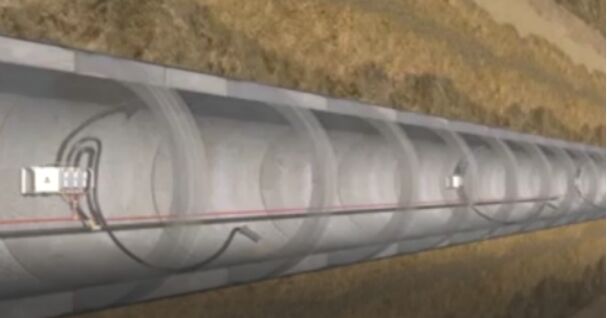
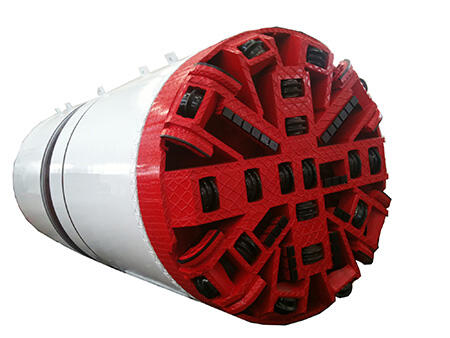
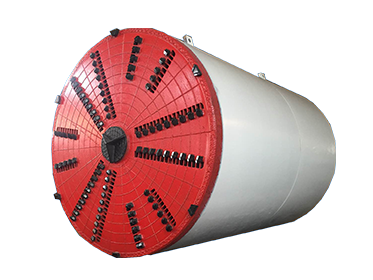
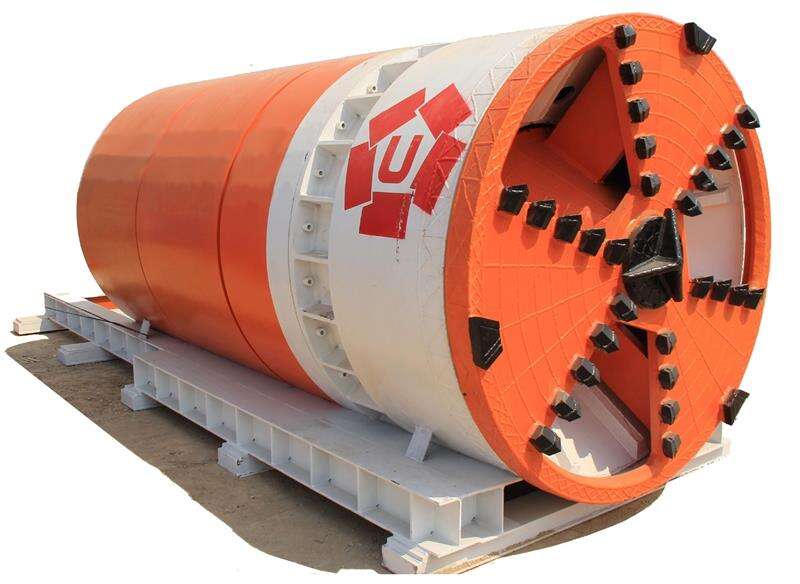
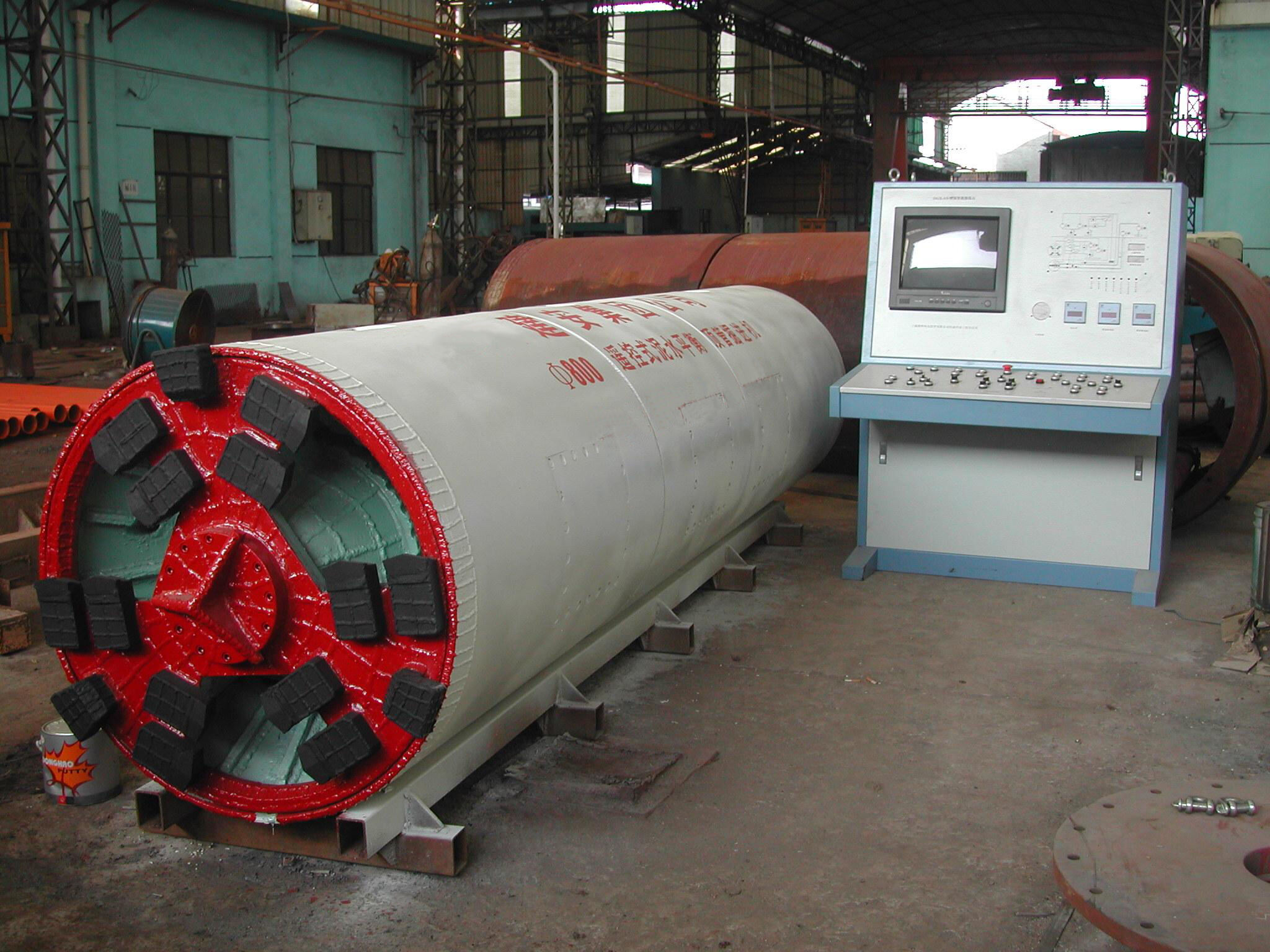
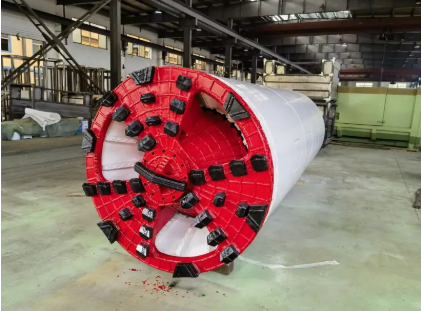
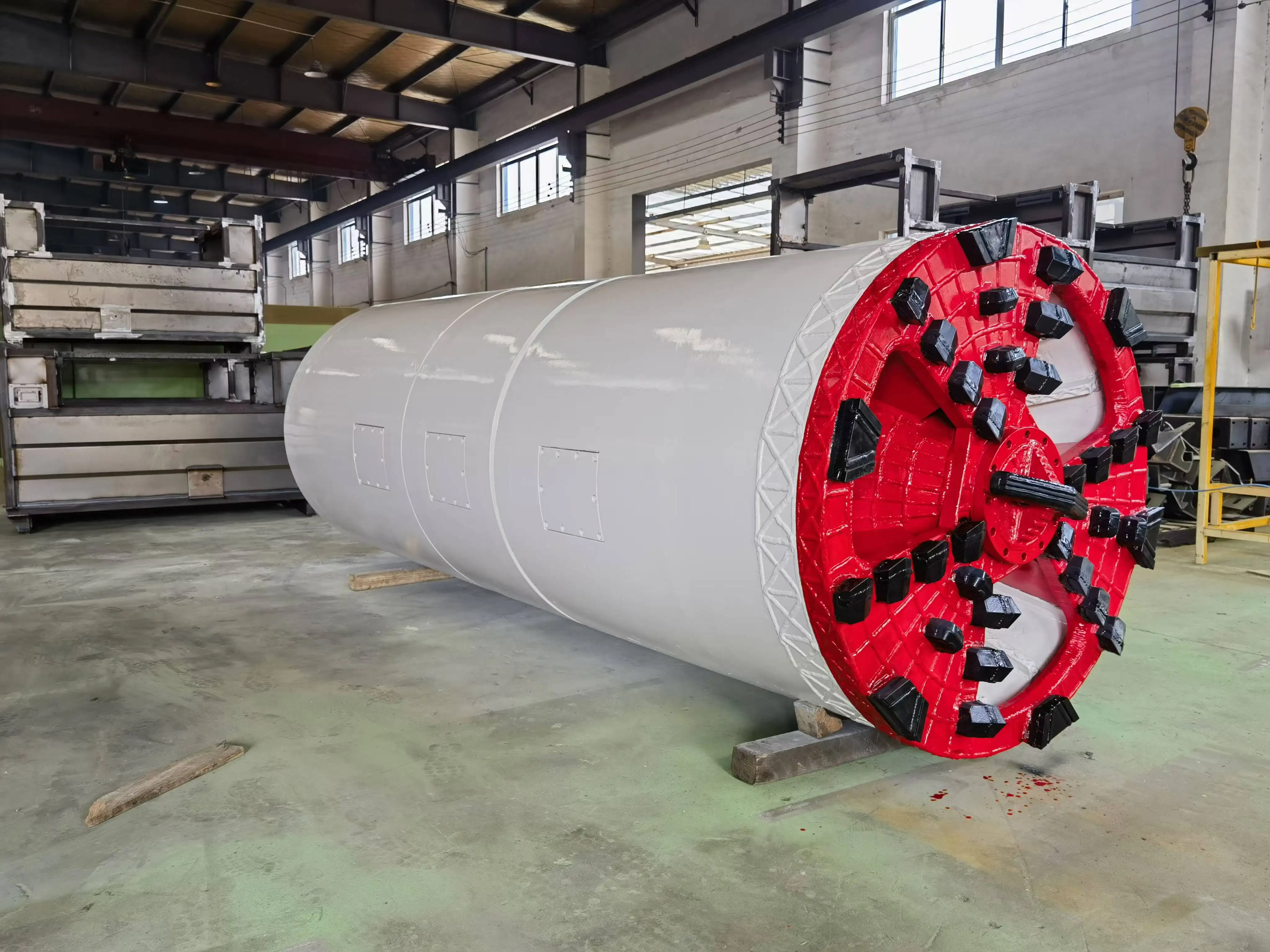
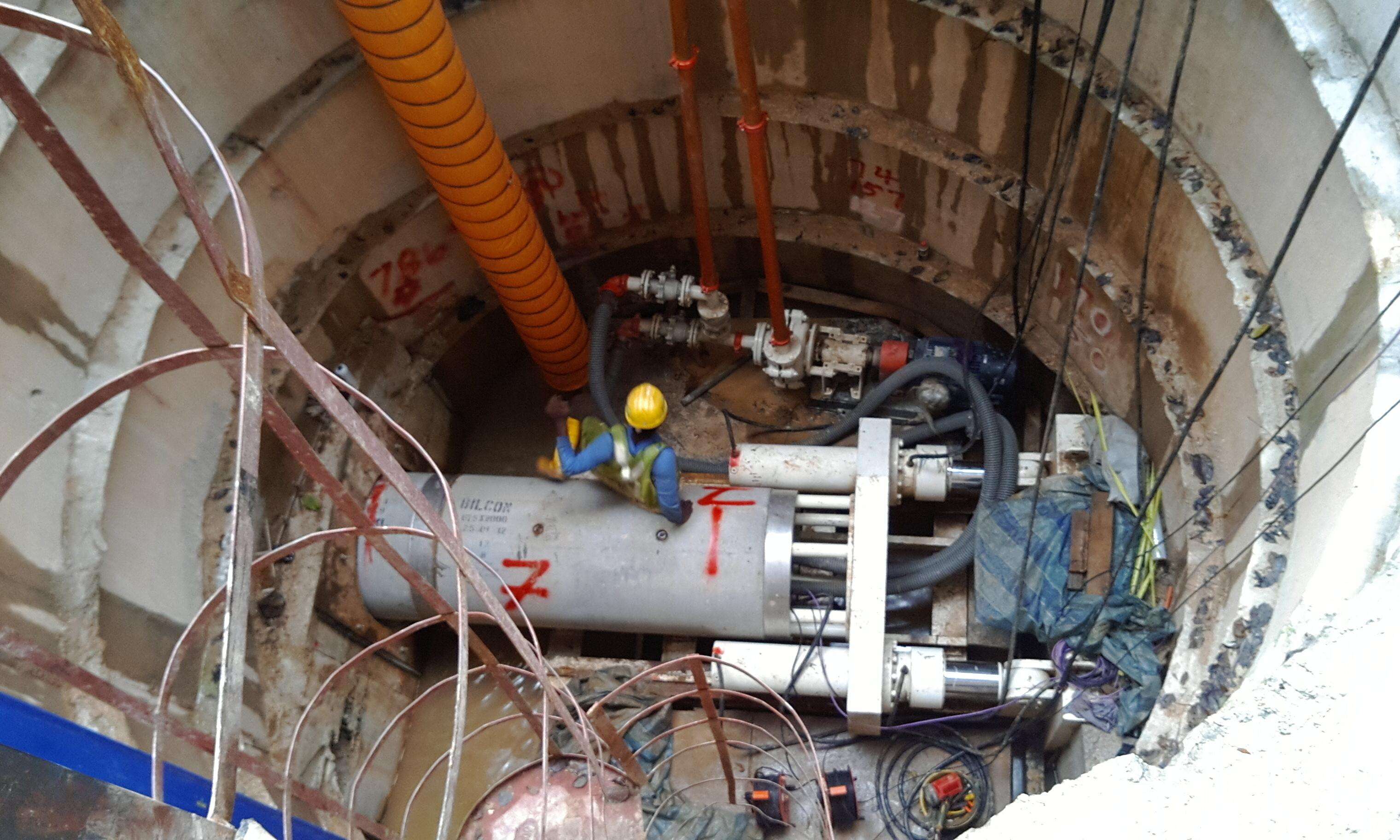
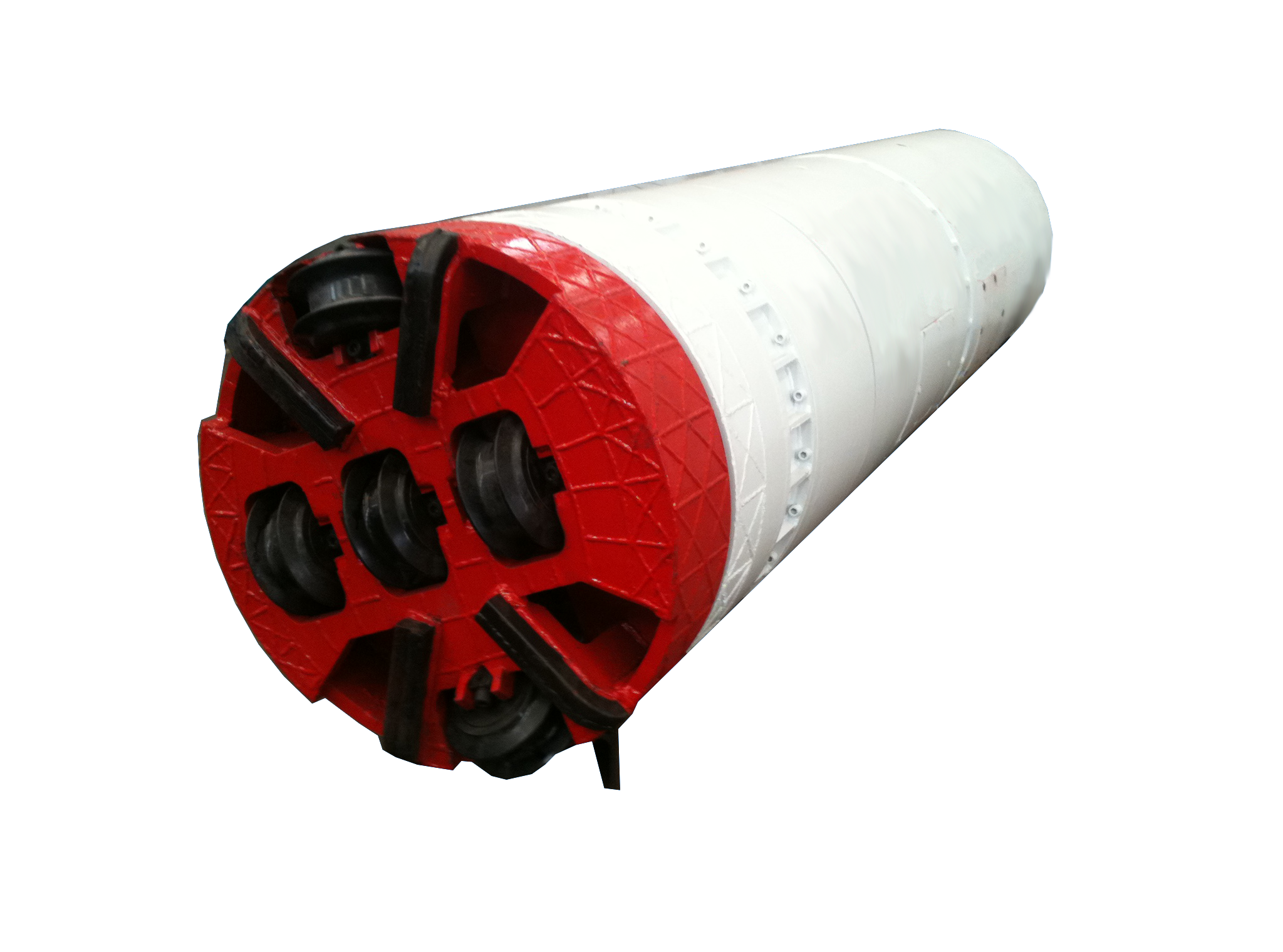
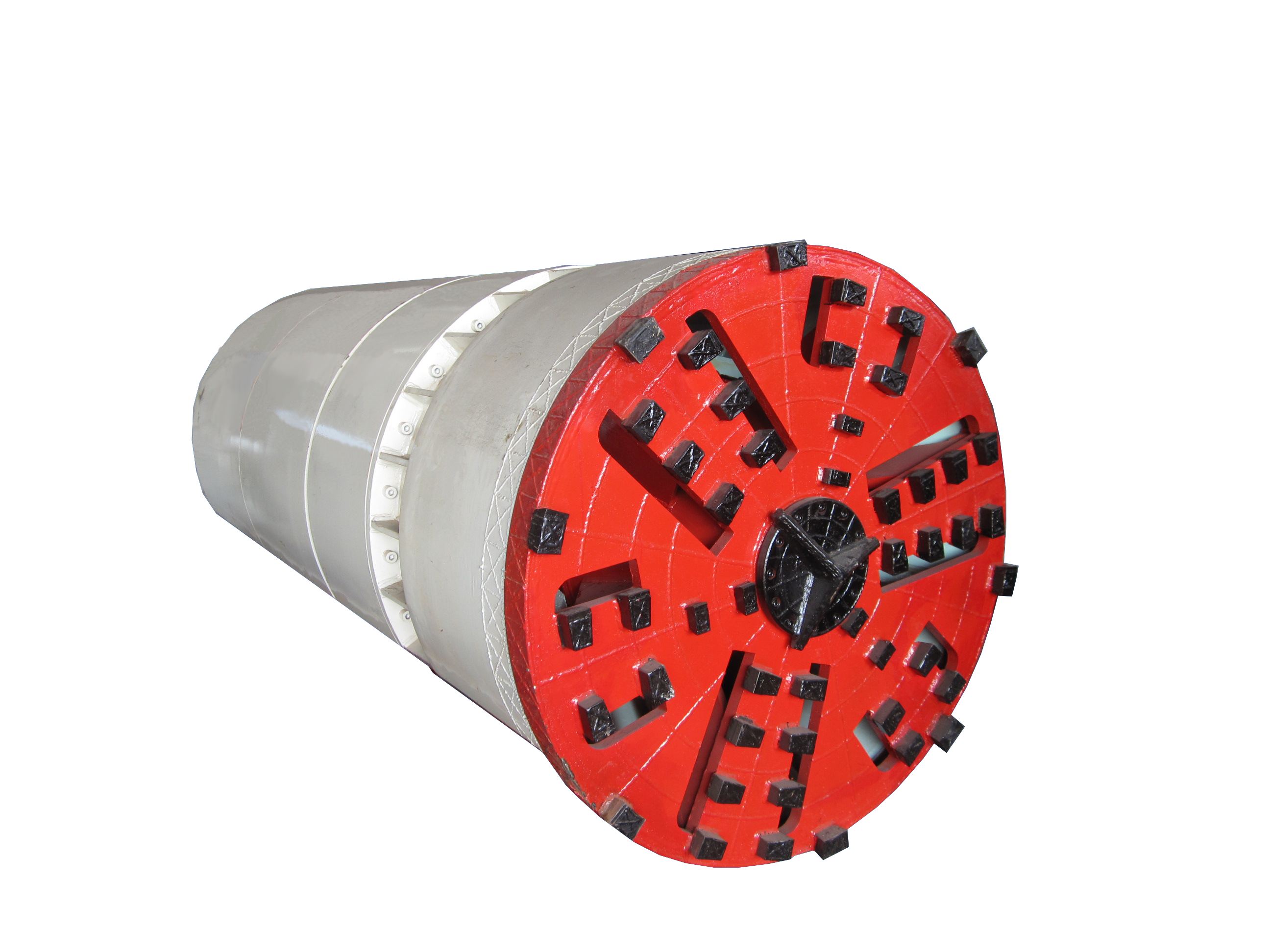
The revolutionary simultaneous excavation and pipe installation capability of micro tunneling machines transforms traditional underground construction methodology by combining multiple construction phases into a single, continuous operation. This integrated approach eliminates the time-consuming cycle of excavate, remove soil, install pipe, and backfill that characterizes conventional tunneling methods. Instead, micro tunneling machines continuously advance the cutting head while simultaneously jacking pre-fabricated pipe segments into the completed tunnel section, creating a finished installation in one seamless process. The pipe jacking system utilizes powerful hydraulic cylinders that generate tremendous forward thrust, pushing concrete or steel pipes through the tunnel as excavation progresses. This constant forward motion maintains tunnel stability and prevents cave-ins that could occur if the tunnel remained open for extended periods. The system accommodates various pipe materials and diameters, from reinforced concrete pipes for storm water management to steel casings for utility protection applications. Specialized sealing systems between pipe joints ensure watertight connections that meet or exceed traditional installation quality standards. The economic advantages of simultaneous excavation and pipe installation become immediately apparent in reduced labor requirements, shortened project timelines, and minimized equipment mobilization costs. Traditional methods require separate crews for excavation, soil removal, pipe handling, and installation, while micro tunneling machines accomplish all these tasks with a smaller, more specialized team. This efficiency translates into cost savings that often offset the initial equipment investment within the first major project. The continuous pipe installation process also eliminates the structural challenges associated with temporary tunnel support systems, as the installed pipe immediately provides permanent tunnel reinforcement. This immediate stabilization proves particularly valuable in challenging soil conditions where temporary supports might fail or require expensive over-engineering to ensure safety. The system's ability to handle large-diameter pipes makes it suitable for major infrastructure projects, including trunk sewer lines, water transmission mains, and utility corridors that would otherwise require massive open excavations with corresponding traffic disruptions and environmental impacts.

 EN
EN
 AR
AR BG
BG HR
HR CS
CS FR
FR DE
DE EL
EL HI
HI IT
IT JA
JA KO
KO RO
RO RU
RU ES
ES TL
TL ID
ID LT
LT SK
SK SL
SL UK
UK VI
VI ET
ET TH
TH TR
TR FA
FA AF
AF MS
MS HY
HY AZ
AZ KA
KA BN
BN LO
LO LA
LA MN
MN NE
NE MY
MY KK
KK UZ
UZ KY
KY