small shield tunneling machine
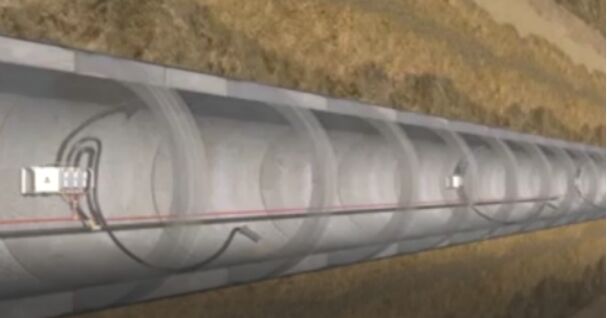
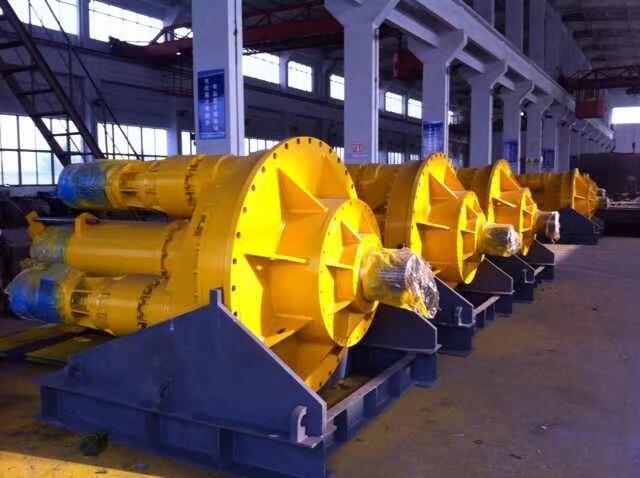
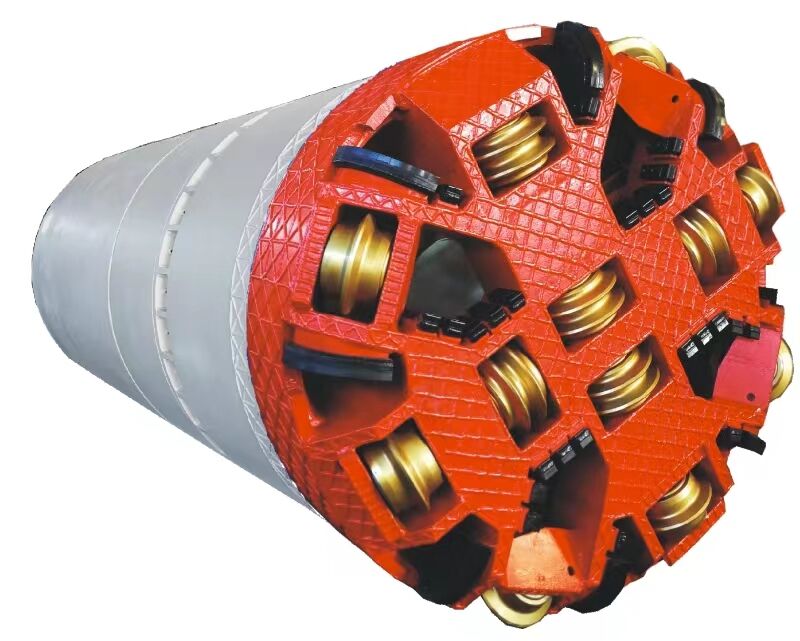
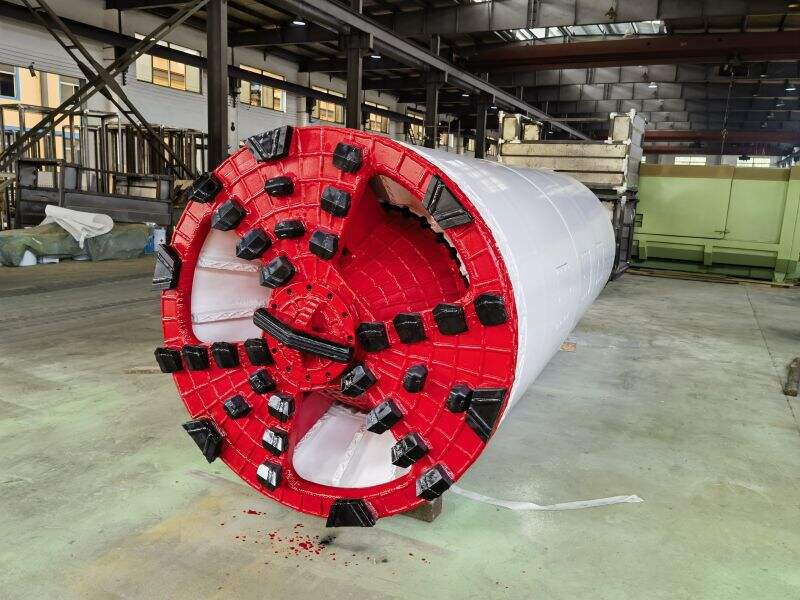
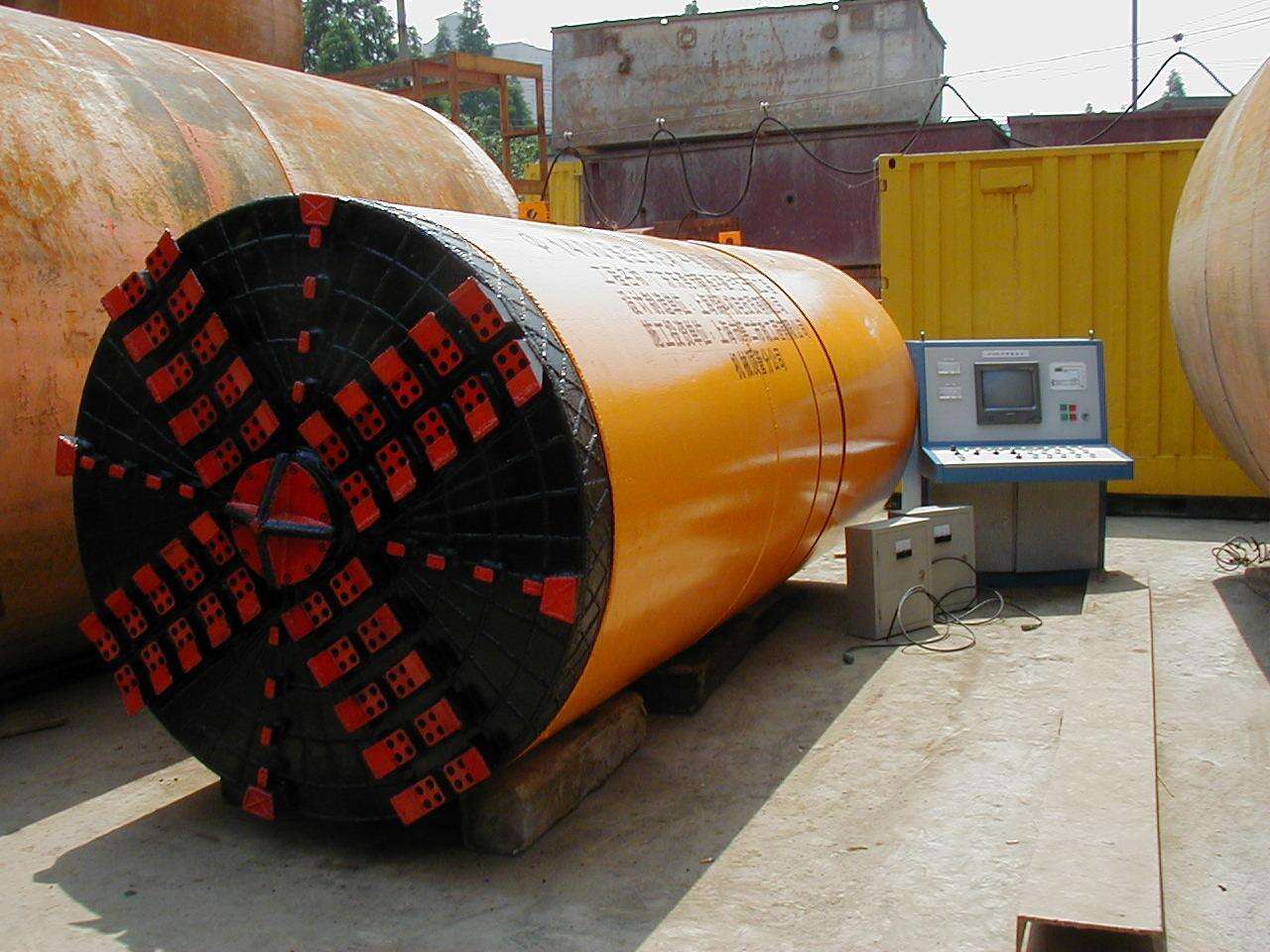
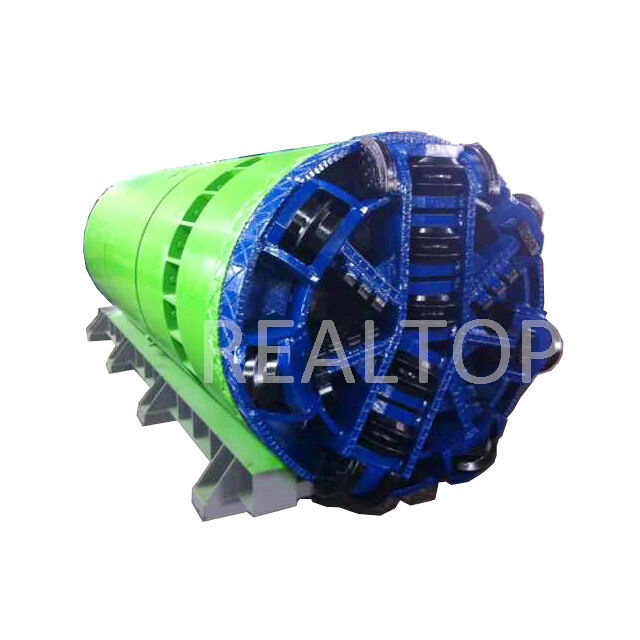
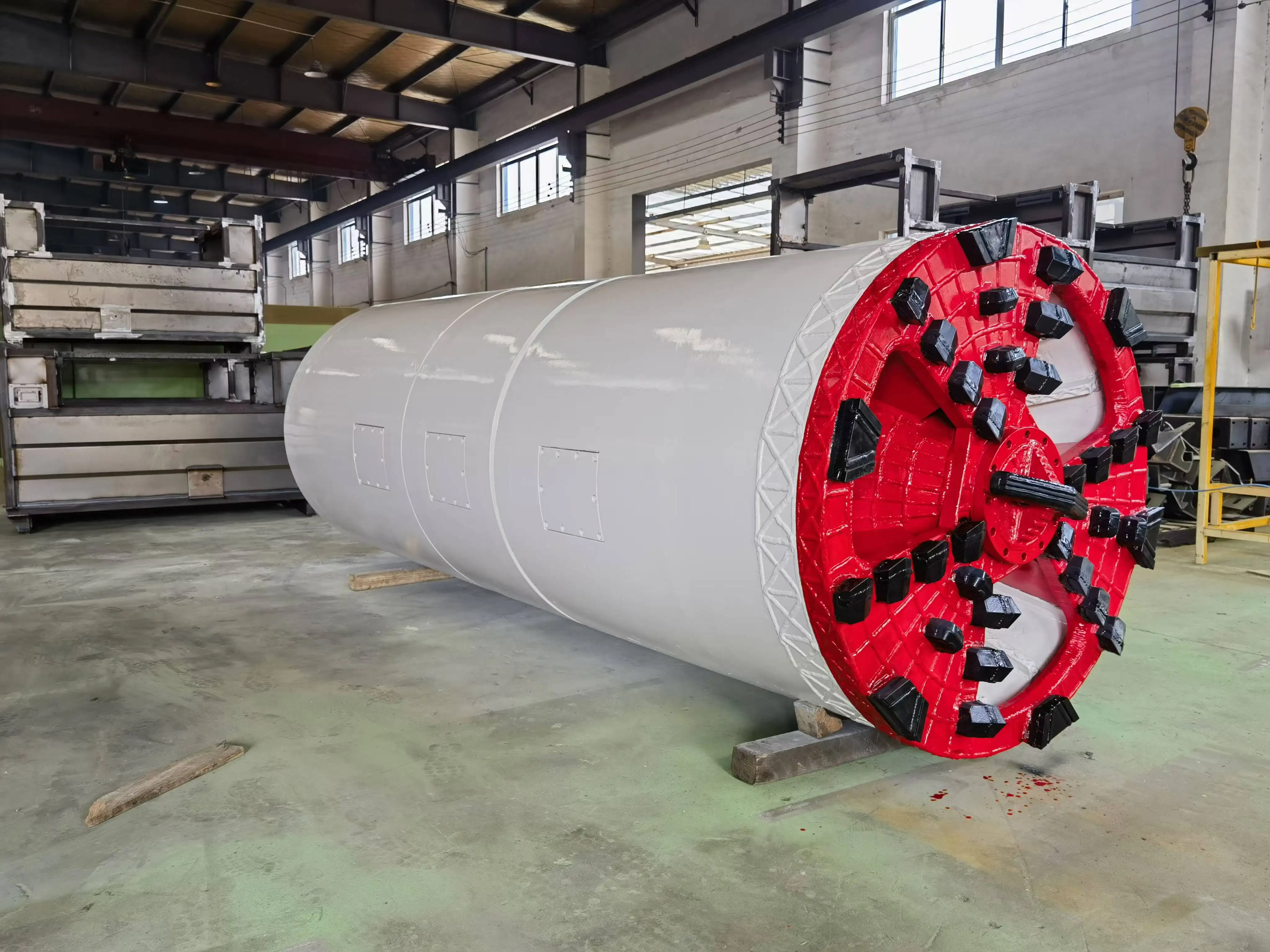
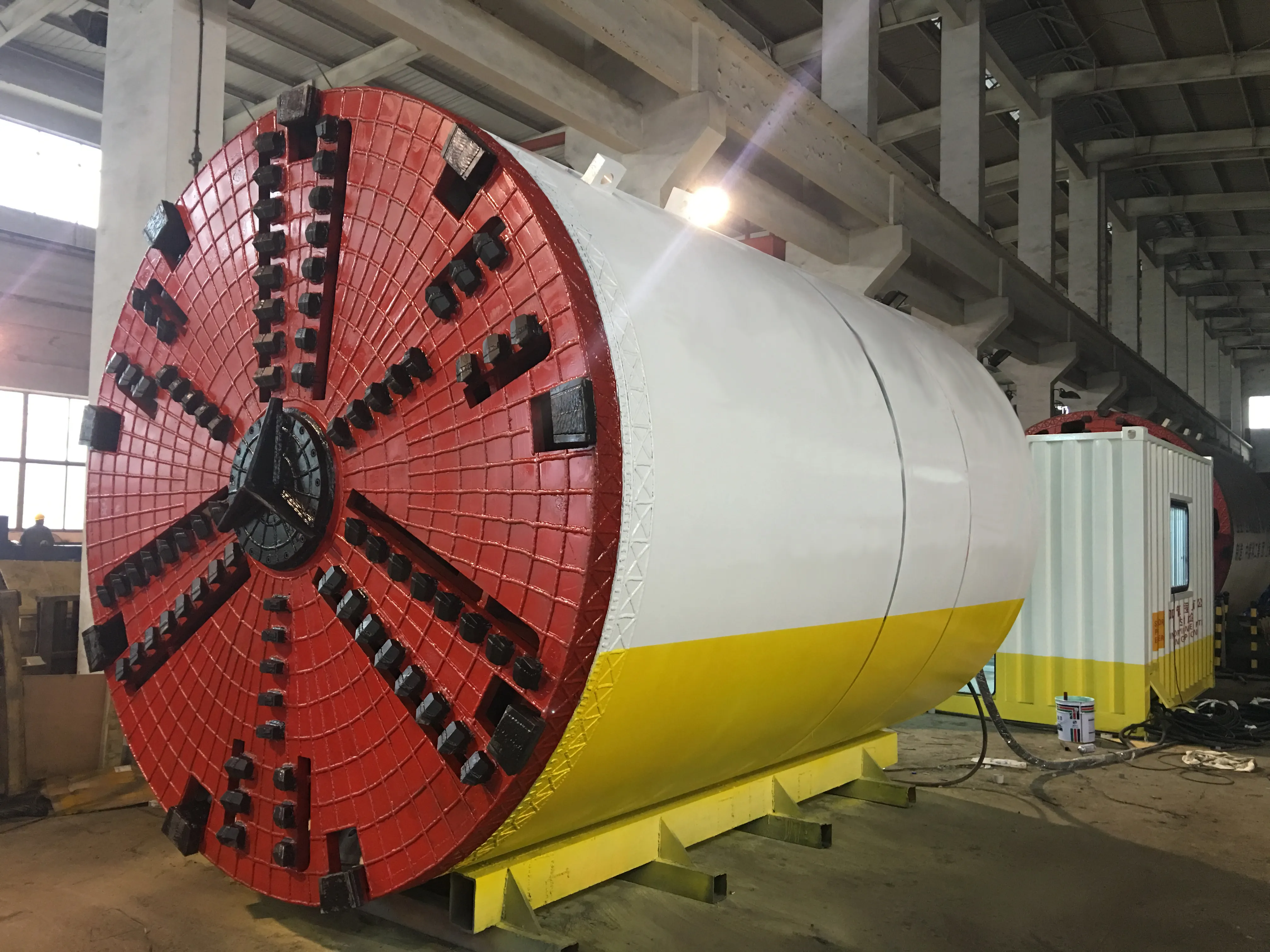
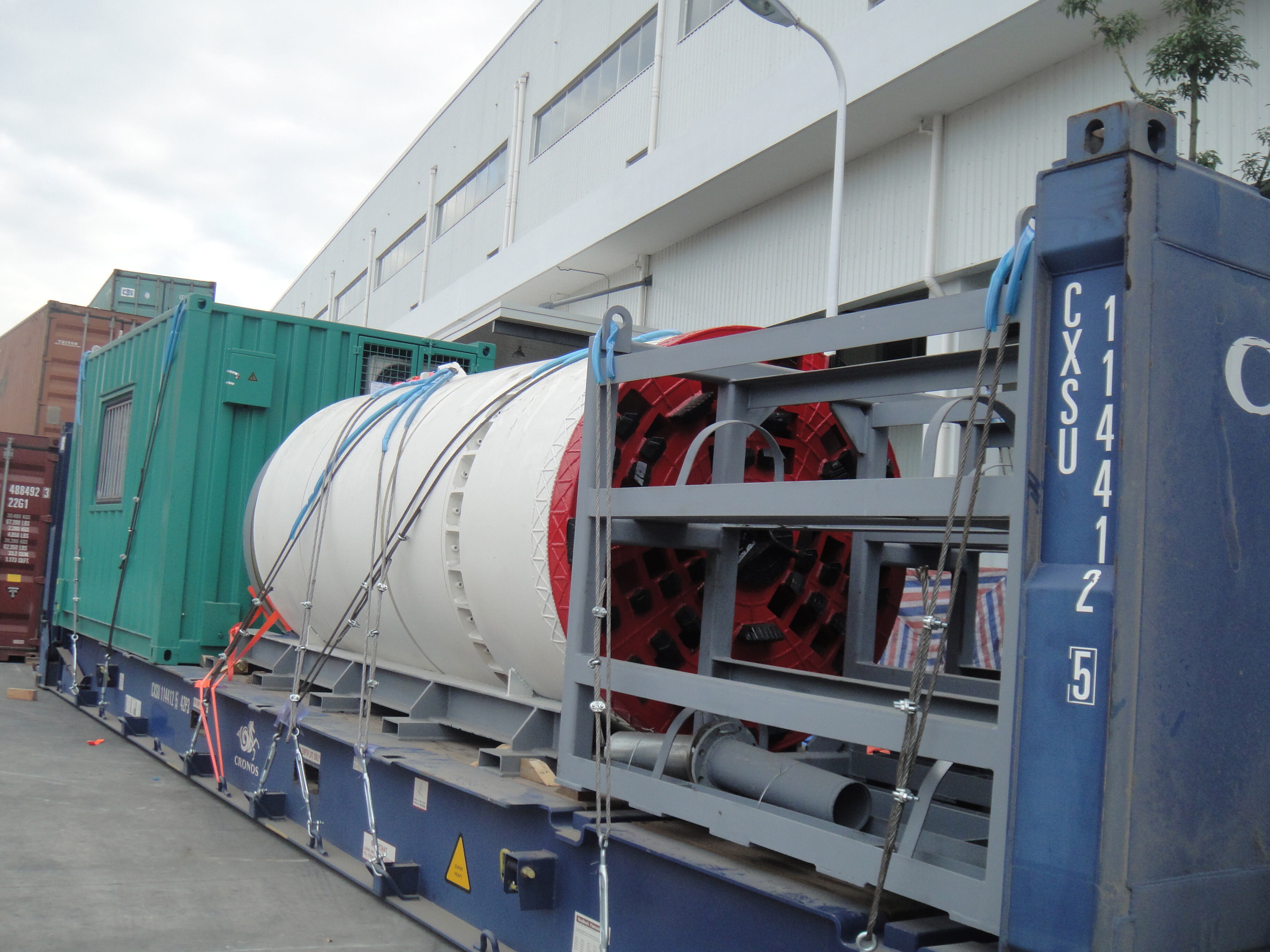
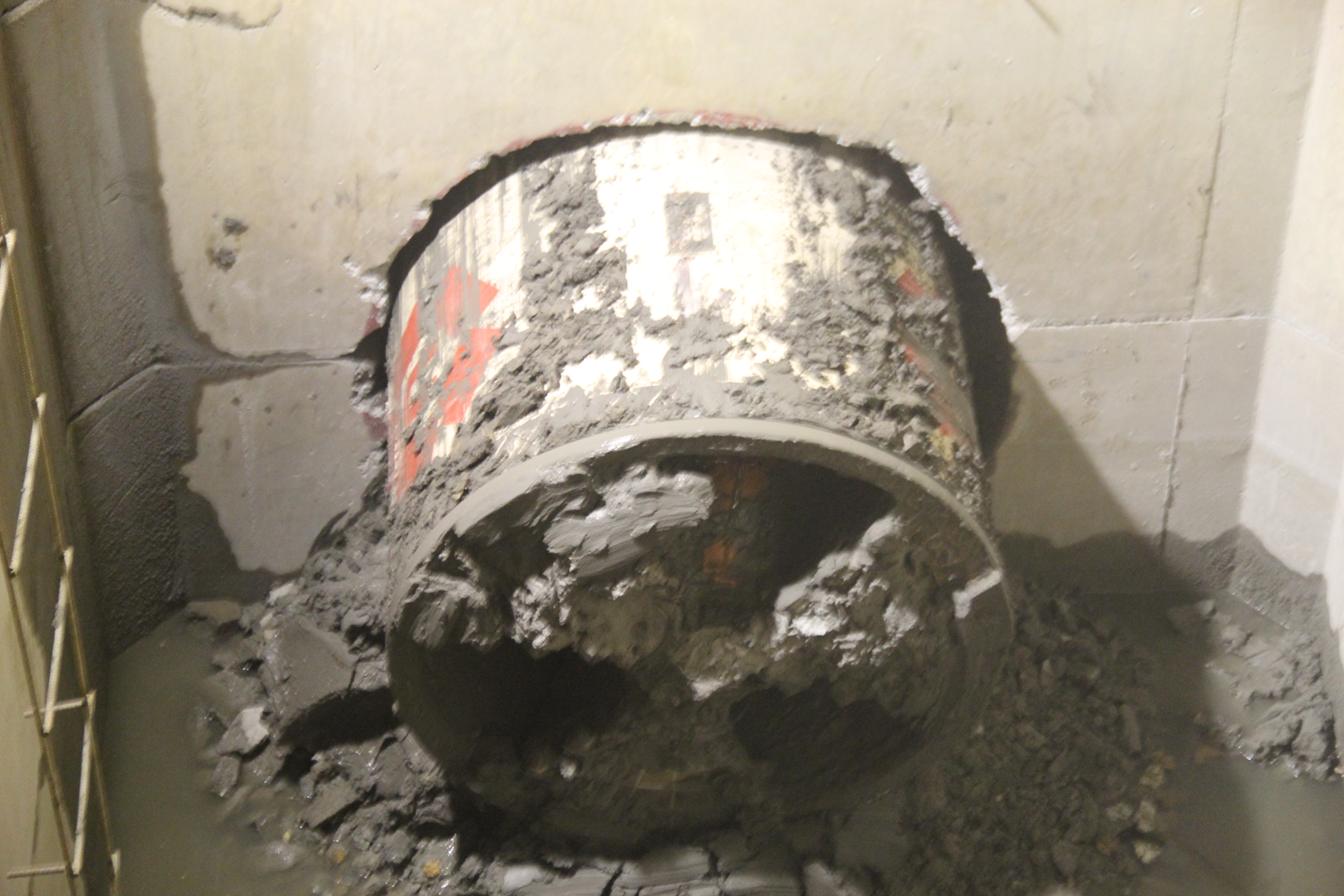
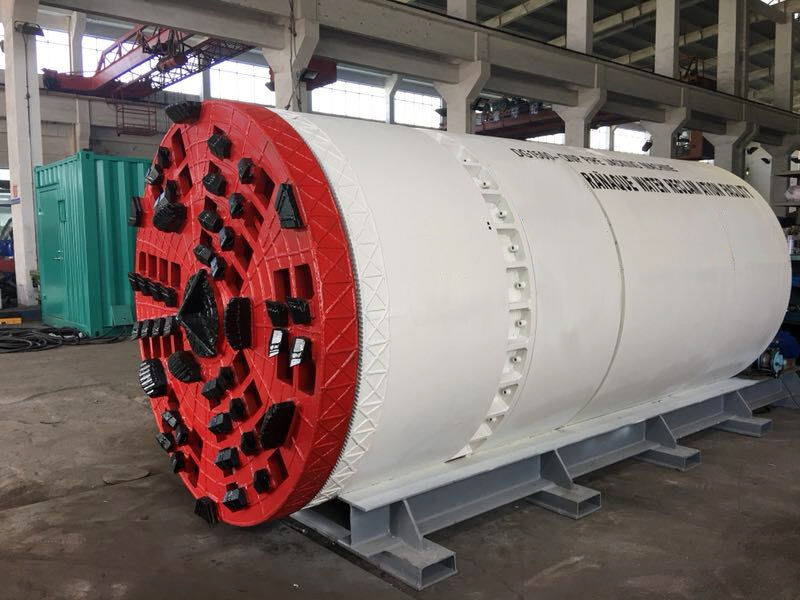
The small shield tunneling machine represents a revolutionary advancement in underground construction technology, designed specifically for efficient excavation of small-diameter tunnels in urban environments. This compact yet powerful equipment operates by combining mechanical excavation with simultaneous tunnel support installation, creating a continuous and safe tunneling process. The machine features a cylindrical steel shell that protects workers and equipment while advancing through various soil conditions, from soft clay to hard rock formations. Its sophisticated cutting head rotates at optimal speeds, breaking down material while sensors monitor ground conditions in real-time. The small shield tunneling machine incorporates advanced hydraulic systems that control thrust forces, ensuring precise navigation and minimal ground disturbance. Modern units include computerized guidance systems that maintain accurate alignment throughout the excavation process, reducing the need for manual corrections. These machines typically range from 2 to 6 meters in diameter, making them ideal for utility tunnels, pedestrian passages, and small transportation corridors. The automated segment installation system places precast concrete rings immediately behind the cutting head, providing immediate structural support. This technology significantly reduces construction time compared to traditional excavation methods while maintaining superior safety standards. Environmental benefits include reduced surface disruption, lower noise levels, and minimal impact on existing infrastructure. The small shield tunneling machine operates with remarkable precision, capable of following predetermined paths with millimeter accuracy. Its versatile design accommodates various geological conditions through adjustable cutting tools and excavation parameters. Modern versions feature enhanced operator cabins with ergonomic controls and comprehensive monitoring systems that display real-time data on machine performance, ground conditions, and excavation progress.

 EN
EN
 AR
AR BG
BG HR
HR CS
CS FR
FR DE
DE EL
EL HI
HI IT
IT JA
JA KO
KO RO
RO RU
RU ES
ES TL
TL ID
ID LT
LT SK
SK SL
SL UK
UK VI
VI ET
ET TH
TH TR
TR FA
FA AF
AF MS
MS HY
HY AZ
AZ KA
KA BN
BN LO
LO LA
LA MN
MN NE
NE MY
MY KK
KK UZ
UZ KY
KY