Compact Design with Maximum Versatility
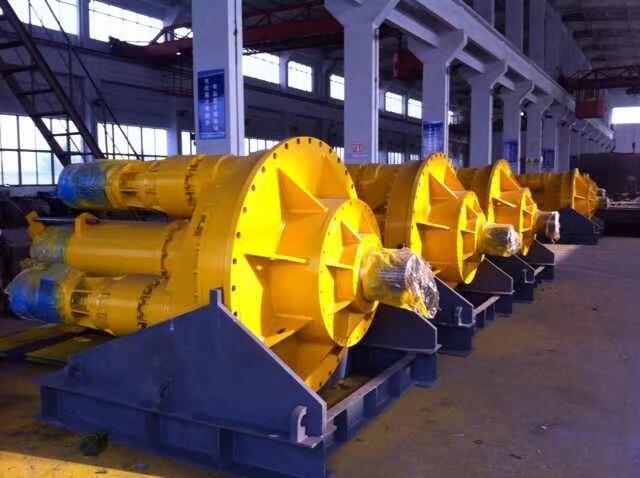
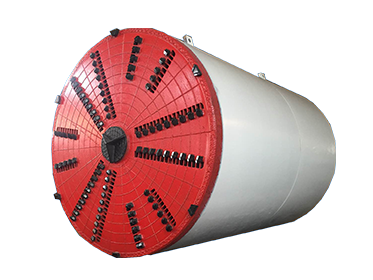
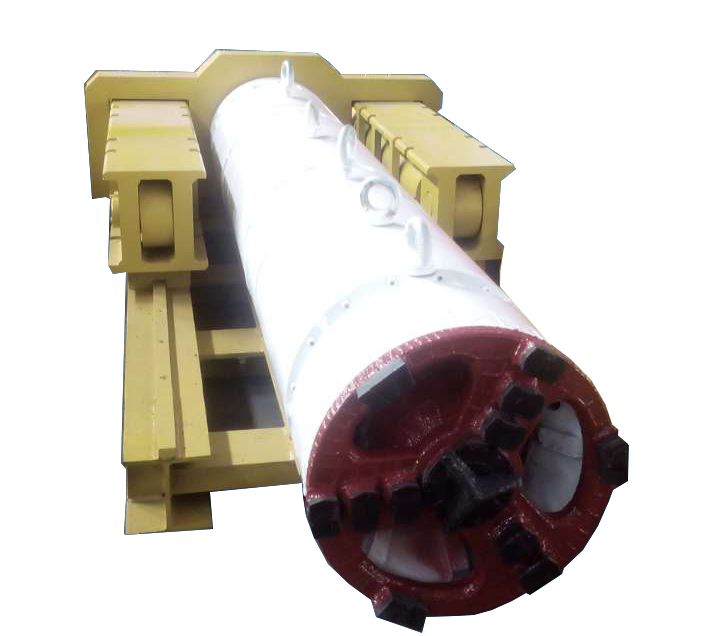
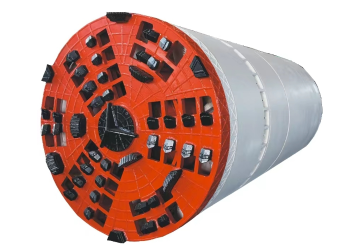
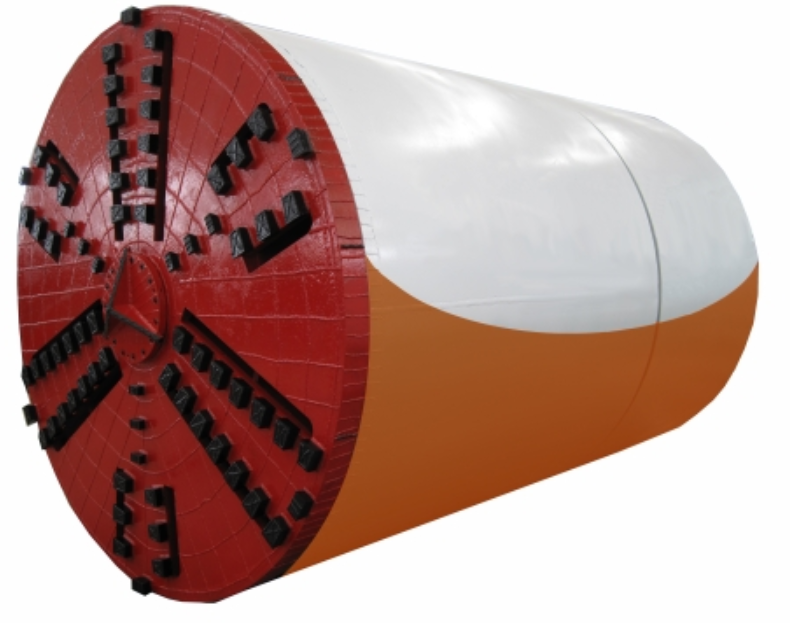
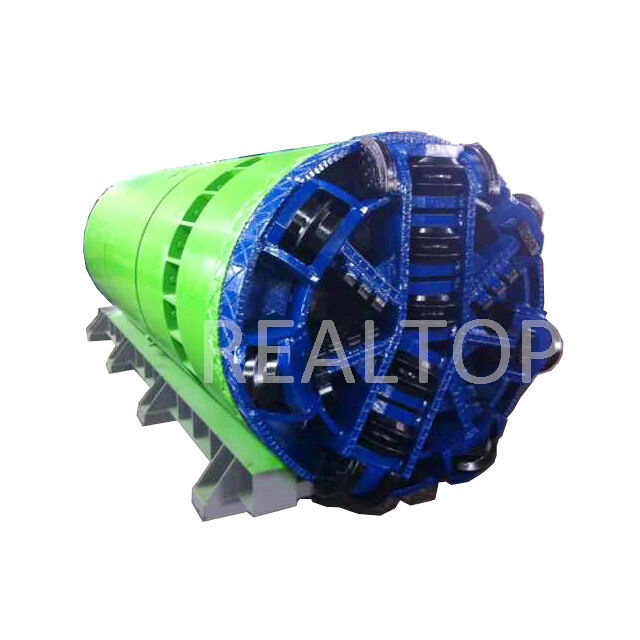
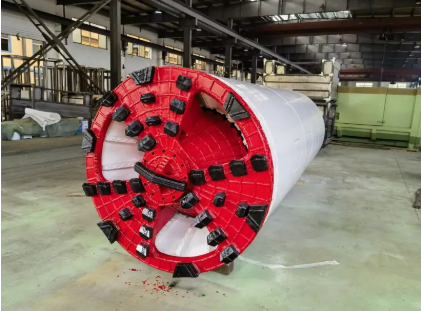
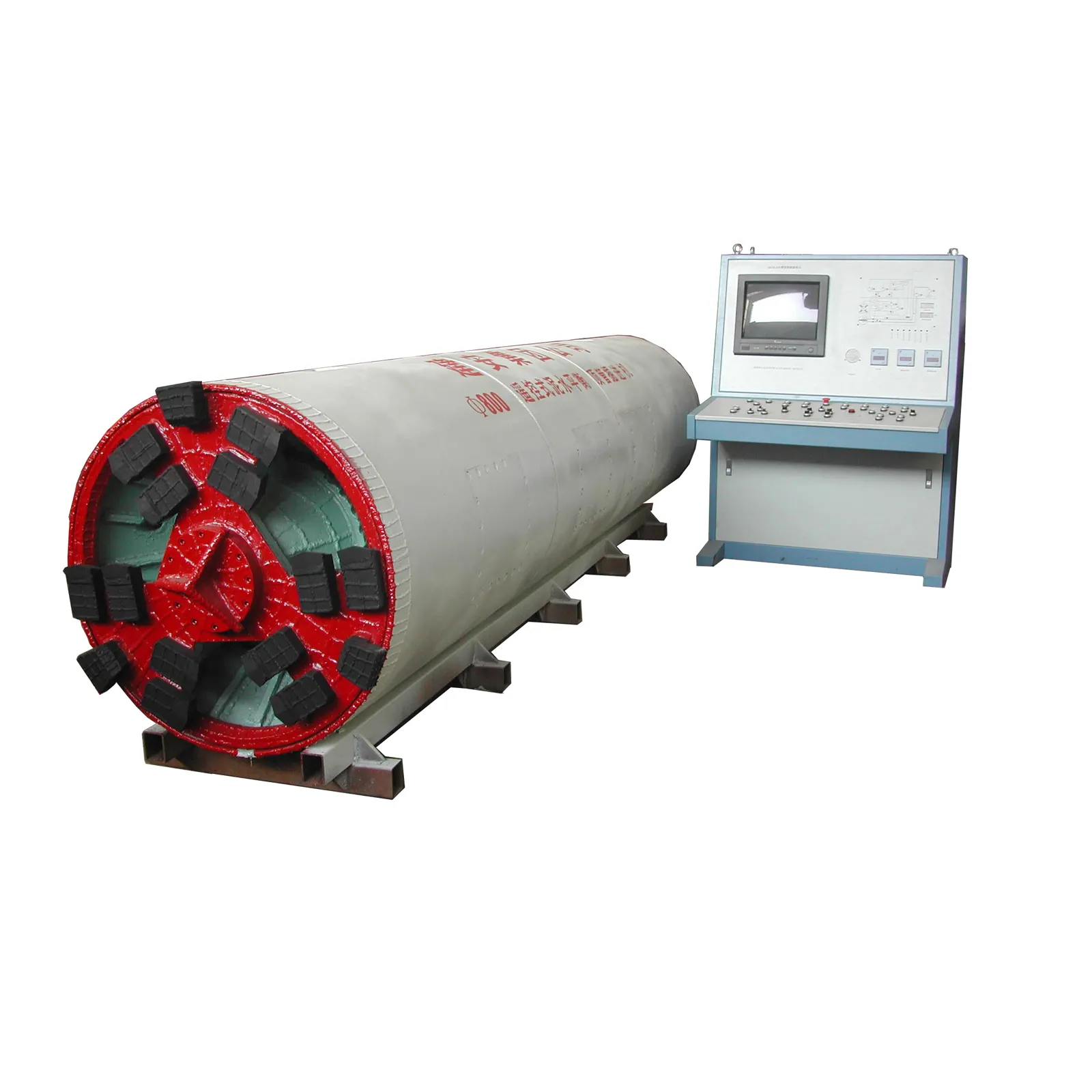
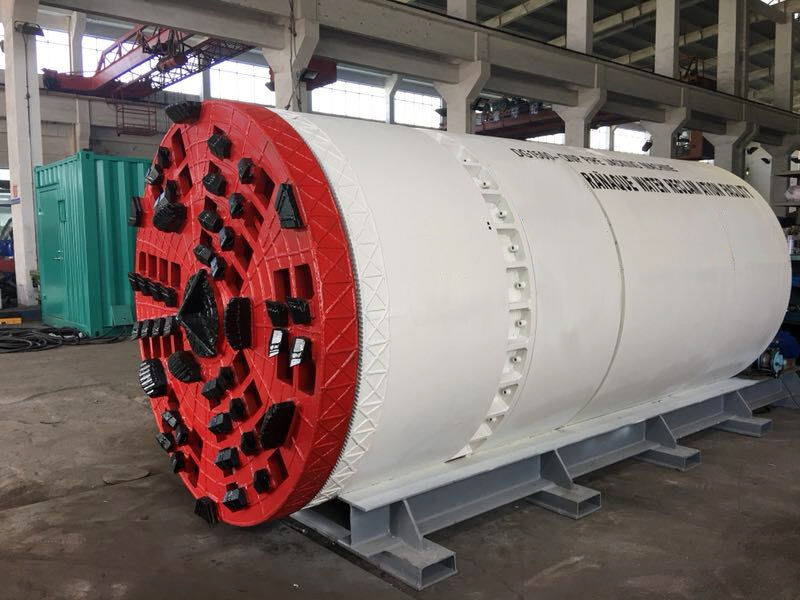
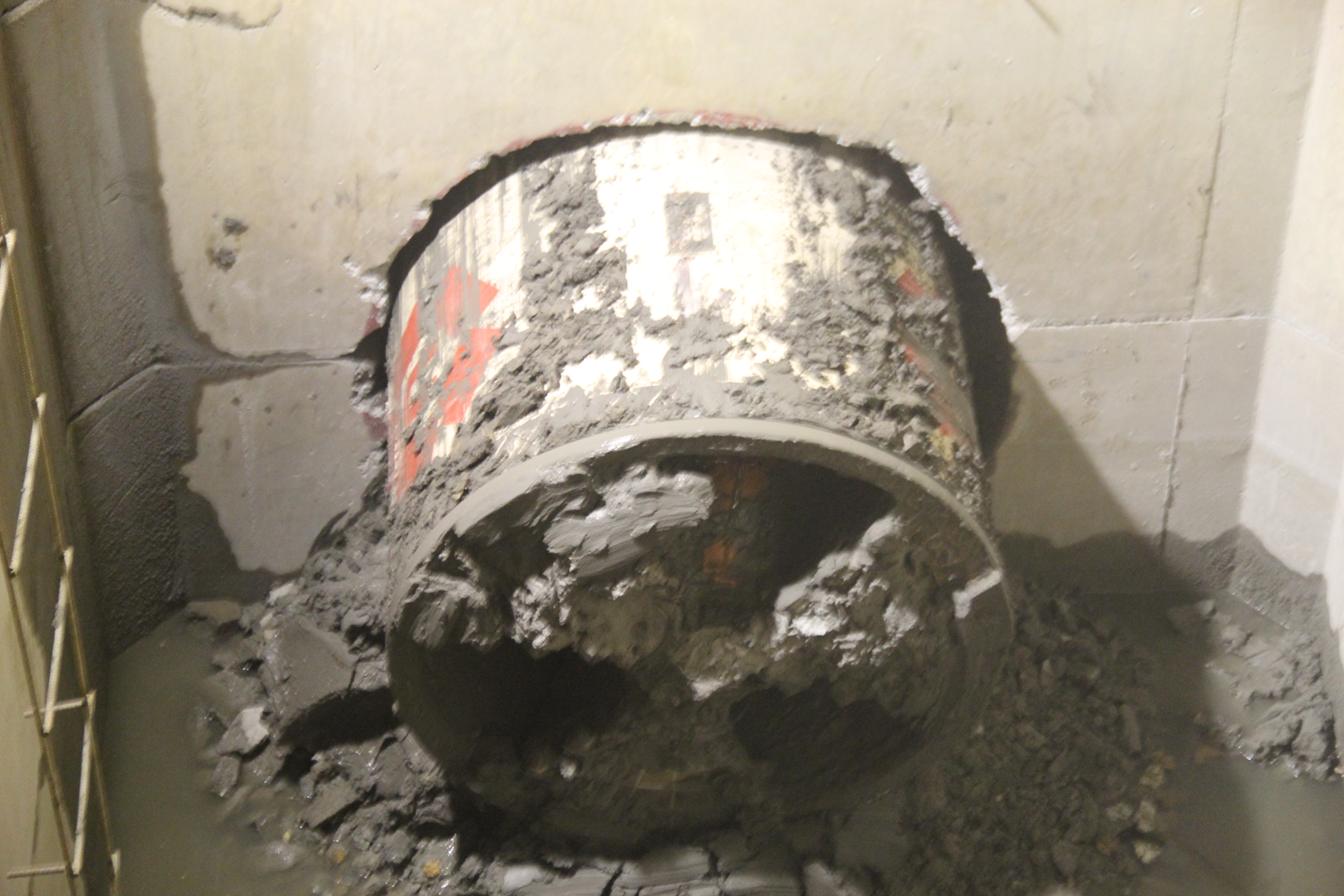
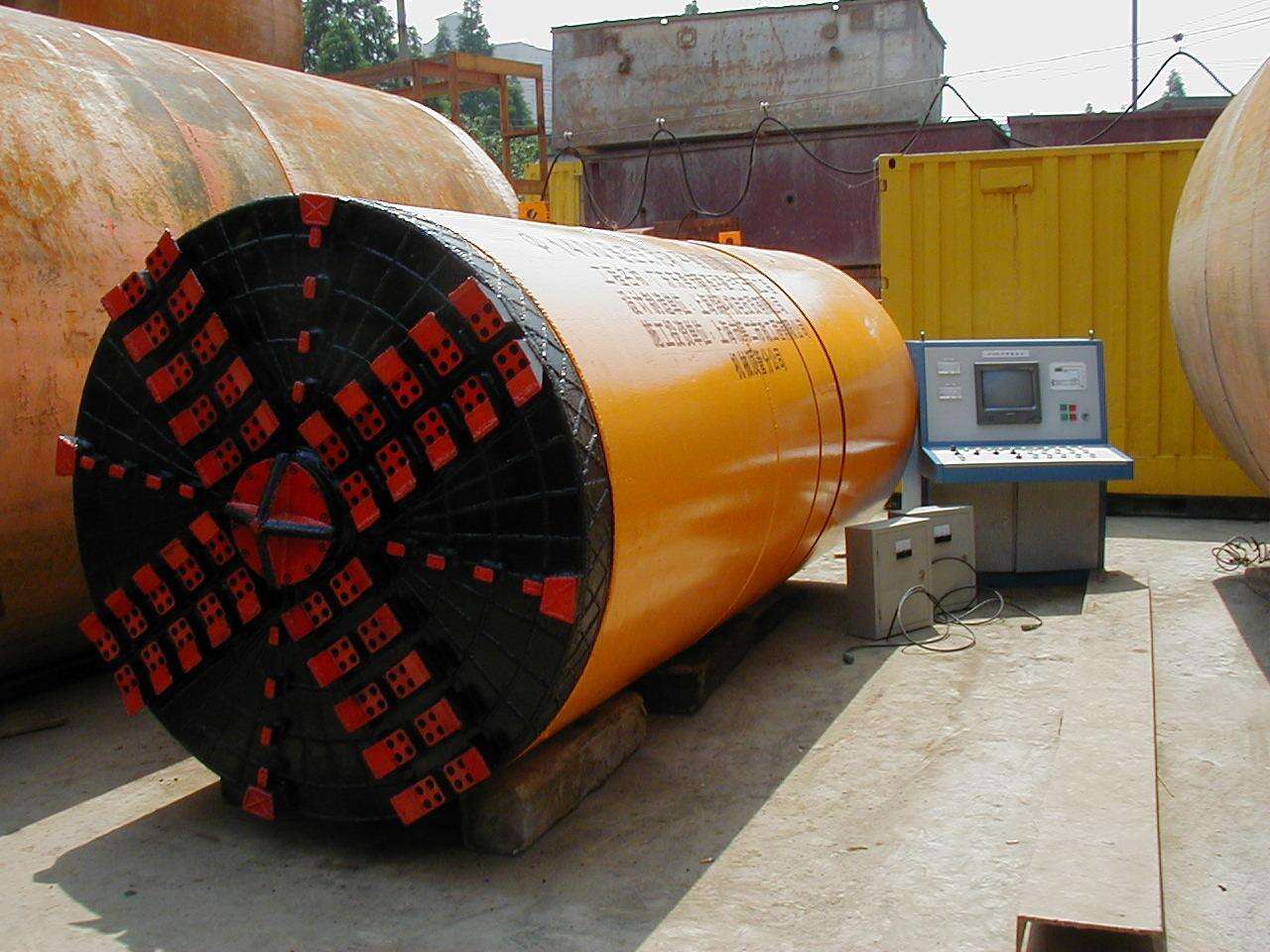
The innovative compact design philosophy behind small tunnel digging machines delivers unprecedented versatility that enables contractors to tackle projects previously considered impossible or economically unfeasible due to space constraints and access limitations. This engineering achievement combines powerful excavation capabilities with a footprint small enough to navigate through standard doorways, operate in basement areas, and work within existing building foundations without requiring structural modifications. The compact dimensions do not compromise performance, as these machines incorporate the same advanced cutting technologies and material handling systems found in larger tunnel boring equipment, but package them in a space-efficient configuration that maximizes job site flexibility. The modular design approach allows for quick reconfiguration to match specific project requirements, with interchangeable cutting heads, conveyor systems, and support installation mechanisms that adapt to different tunnel diameters and construction methods. This versatility proves especially valuable for contractors serving diverse markets, as a single machine can handle sewer installations, utility conduits, pedestrian passages, and specialized industrial applications without requiring separate equipment investments. The transportation benefits of compact design reduce project mobilization costs significantly, as these machines can be moved between job sites using standard trailers without requiring special permits or escort vehicles typically needed for oversized construction equipment. Setup time at new locations is minimized due to the self-contained nature of compact tunnel digging machines, which arrive ready to work with minimal assembly requirements. The ability to operate in restricted spaces opens new market opportunities for contractors, including work in historic districts where preservation requirements limit excavation options, urban environments with underground utility congestion, and industrial facilities where production cannot be interrupted by major construction activities. Maintenance advantages include easier access to components for routine service and repairs, with many systems designed for field maintenance using standard tools and readily available replacement parts. The compact design also reduces storage requirements between projects and lowers insurance costs due to decreased equipment values and reduced transportation risks compared to larger specialized tunnel construction equipment.

 EN
EN
 AR
AR BG
BG HR
HR CS
CS FR
FR DE
DE EL
EL HI
HI IT
IT JA
JA KO
KO RO
RO RU
RU ES
ES TL
TL ID
ID LT
LT SK
SK SL
SL UK
UK VI
VI ET
ET TH
TH TR
TR FA
FA AF
AF MS
MS HY
HY AZ
AZ KA
KA BN
BN LO
LO LA
LA MN
MN NE
NE MY
MY KK
KK UZ
UZ KY
KY