microtunnelling
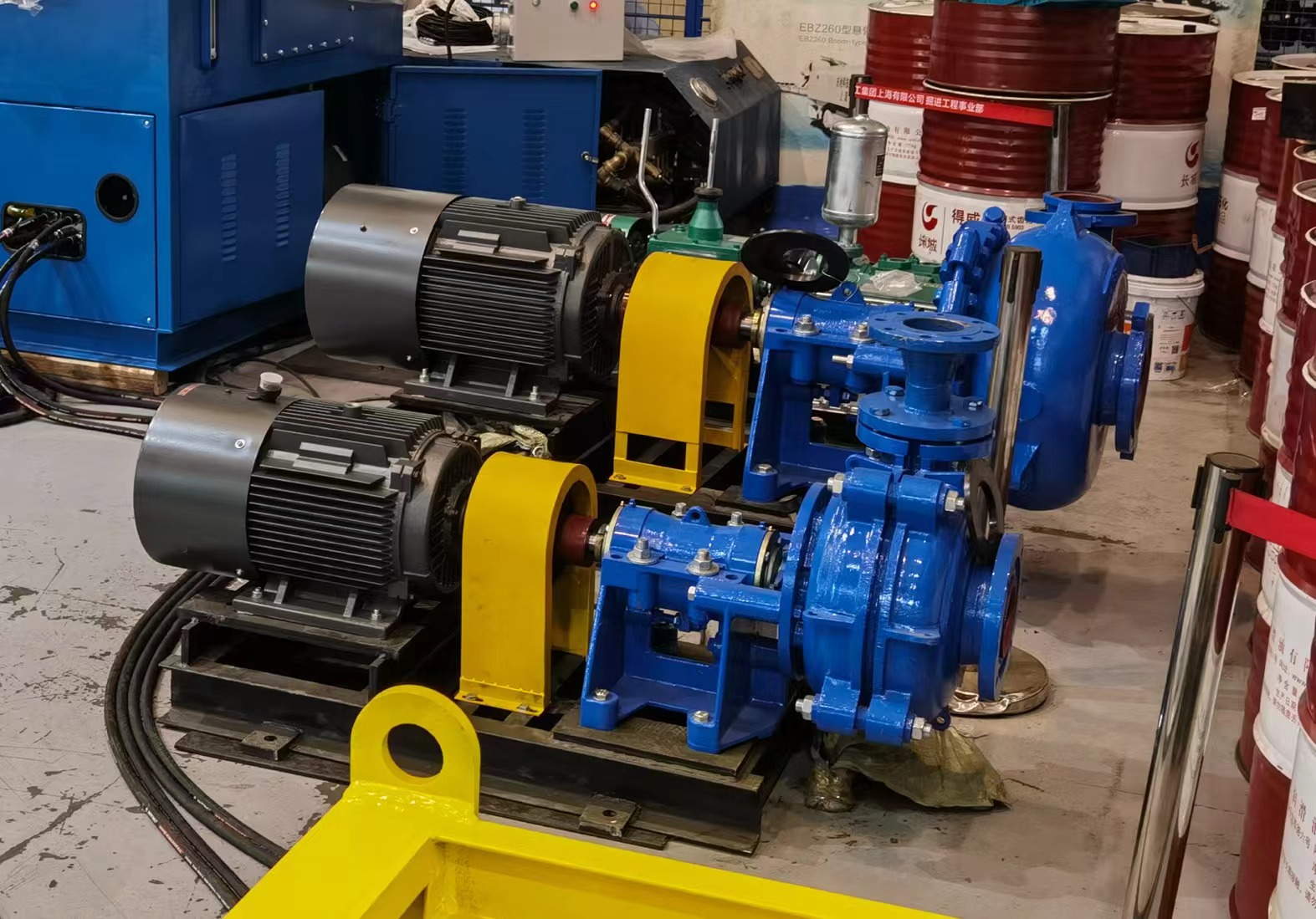
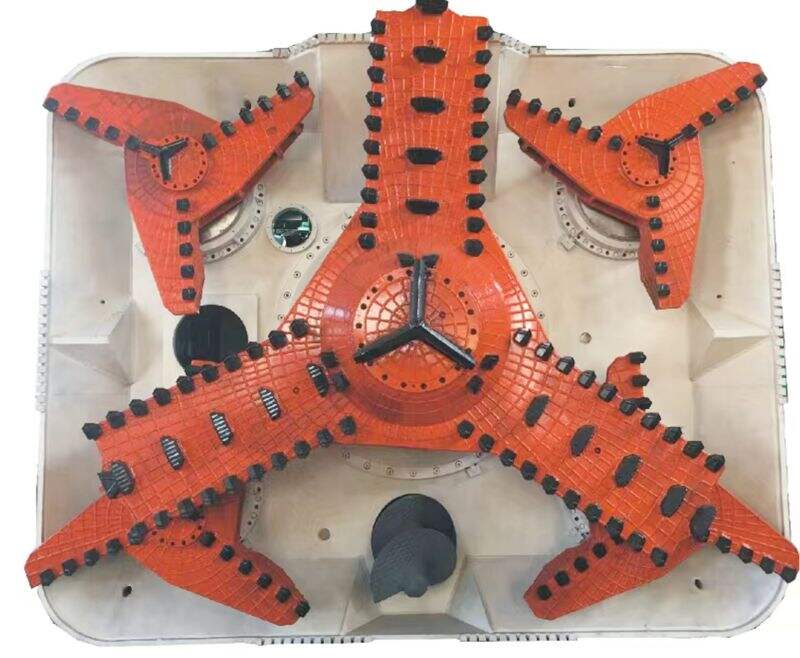
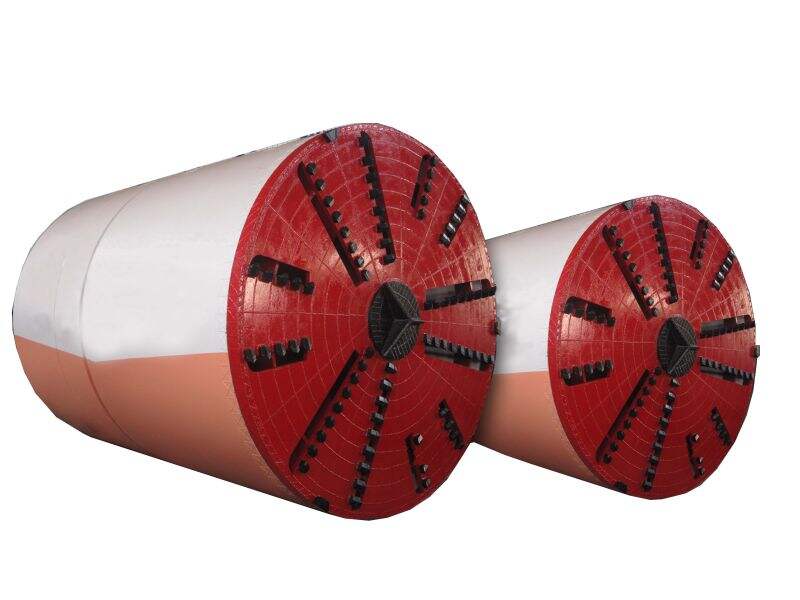
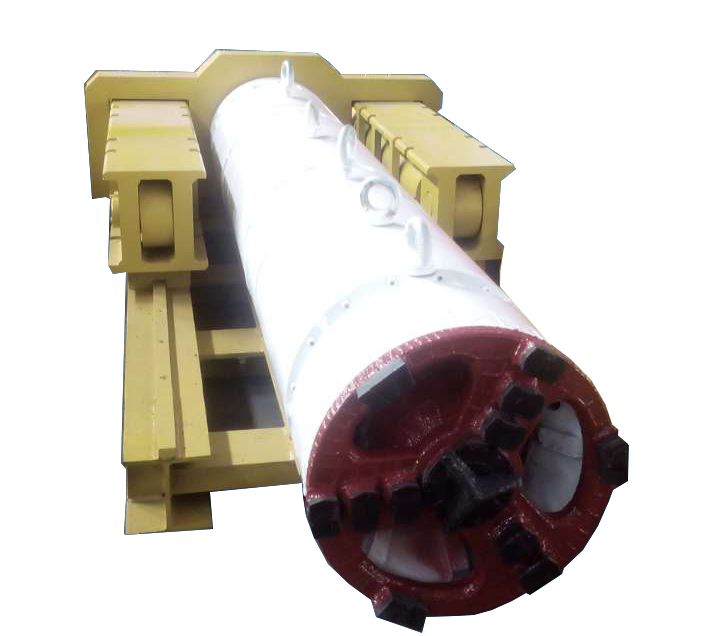
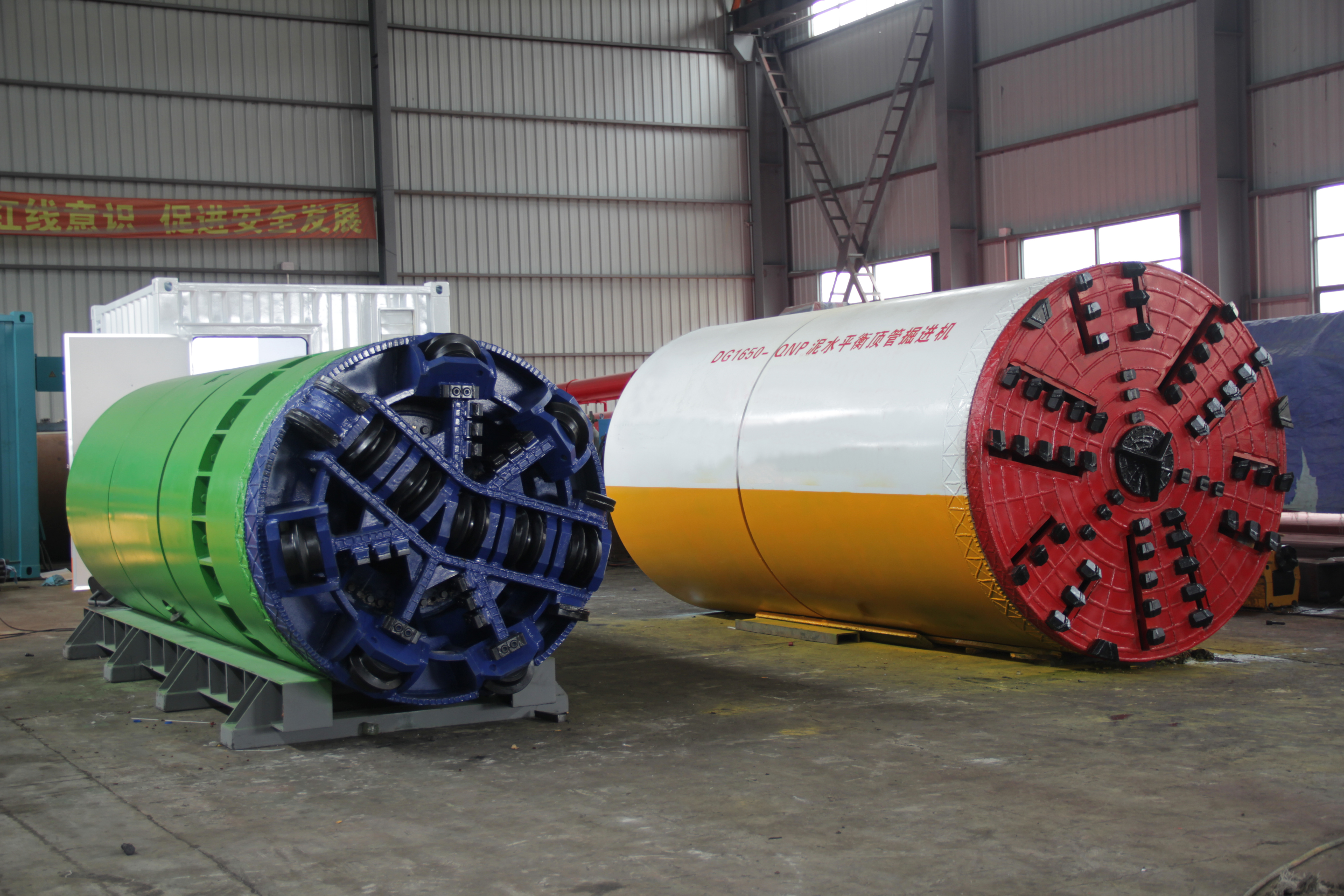
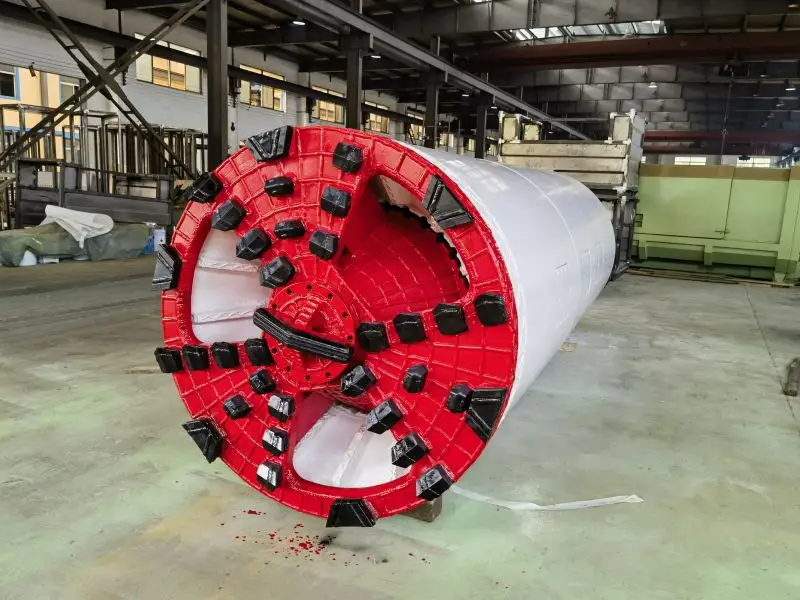
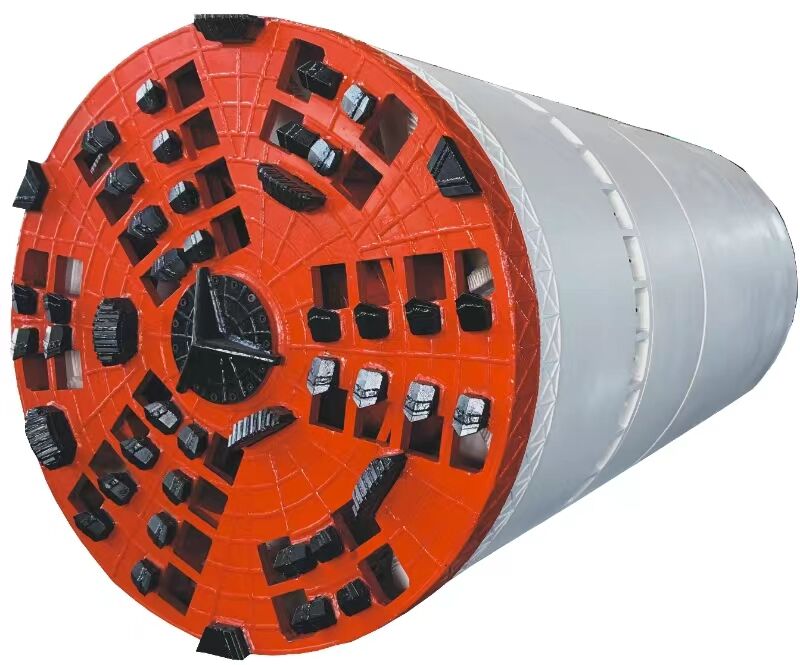
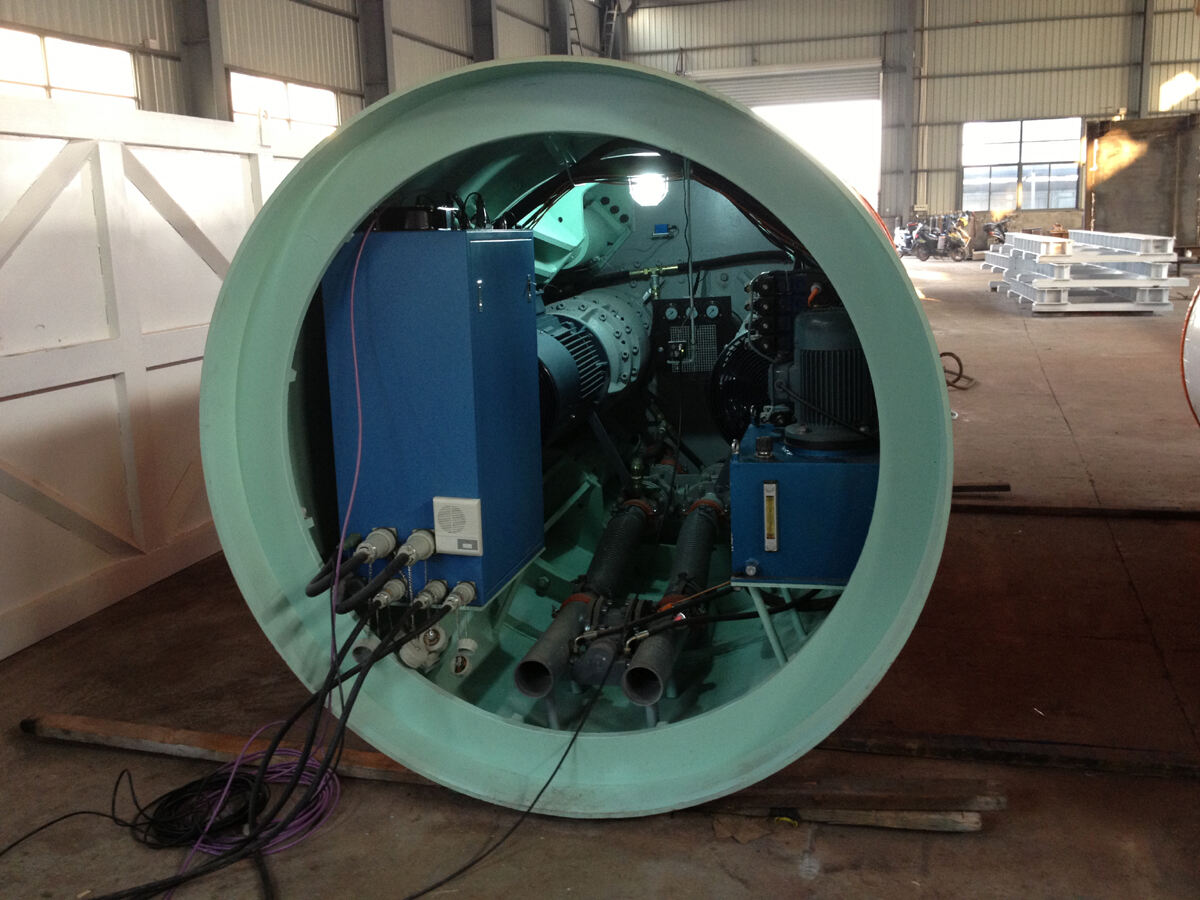
Microtunnelling represents a revolutionary trenchless construction method that creates precise underground tunnels using remote-controlled tunnel boring machines. This advanced technology enables contractors to install utilities, pipelines, and conduits beneath surface obstacles without traditional excavation methods. The microtunnelling process involves launching a specialized boring machine from a starting shaft, which excavates soil while simultaneously installing pipe segments behind the cutting head. Computer-guided laser systems ensure exceptional accuracy throughout the entire tunneling operation, maintaining precise alignment and grade control. The technology functions through a closed-loop system where excavated material gets transported back through the installed pipeline using pumping systems. Microtunnelling machines can navigate through various soil conditions, from soft clays to hard rock formations, making them versatile solutions for diverse geological environments. The main functions include creating pathways for water mains, sewer lines, gas pipelines, electrical conduits, and telecommunications cables. Technological features encompass real-time monitoring systems that track machine position, soil pressure, and cutting tool performance. Advanced guidance systems utilize theodolites and laser technology to maintain tunnel alignment within millimeter tolerances. The machines incorporate powerful cutting heads with replaceable tools designed for specific soil types, ensuring optimal excavation efficiency. Automated pipe jacking systems reduce manual labor while maintaining consistent installation speed. Environmental monitoring sensors detect potential issues before they become problematic. Applications span municipal infrastructure projects, industrial facilities, highway crossings, railway underpasses, and airport runway installations. Urban environments particularly benefit from microtunnelling because it minimizes surface disruption in congested areas. The method proves invaluable for crossing beneath existing structures, waterways, and environmentally sensitive zones where traditional excavation would cause significant complications or regulatory challenges.

 EN
EN
 AR
AR BG
BG HR
HR CS
CS FR
FR DE
DE EL
EL HI
HI IT
IT JA
JA KO
KO RO
RO RU
RU ES
ES TL
TL ID
ID LT
LT SK
SK SL
SL UK
UK VI
VI ET
ET TH
TH TR
TR FA
FA AF
AF MS
MS HY
HY AZ
AZ KA
KA BN
BN LO
LO LA
LA MN
MN NE
NE MY
MY KK
KK UZ
UZ KY
KY