TBM in Rock: Advanced Tunnel Boring Solutions for Efficient Underground Excavation

Contact me immediately if you encounter problems!

All Categories

Get a Free Quote

Our representative will contact you soon.
Email
Name
Company Name
Message
0/1000

tbm in rock

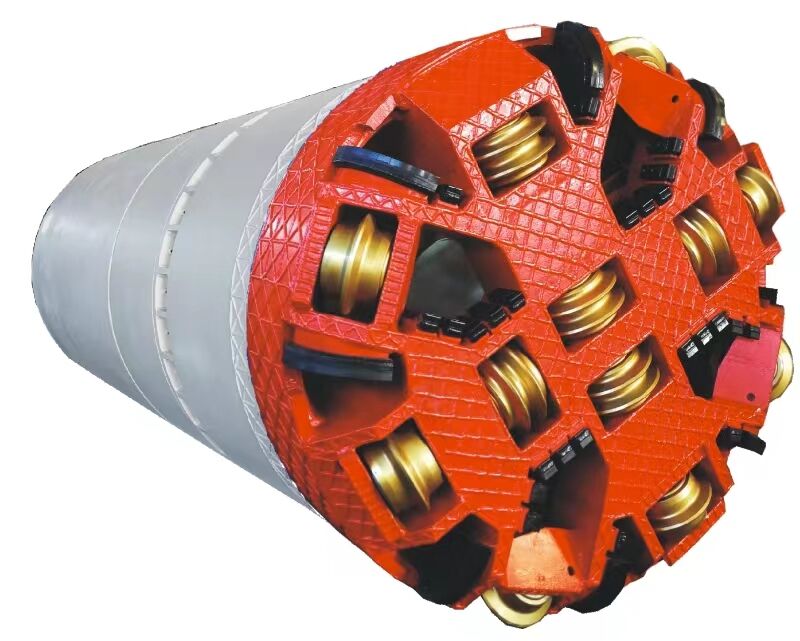
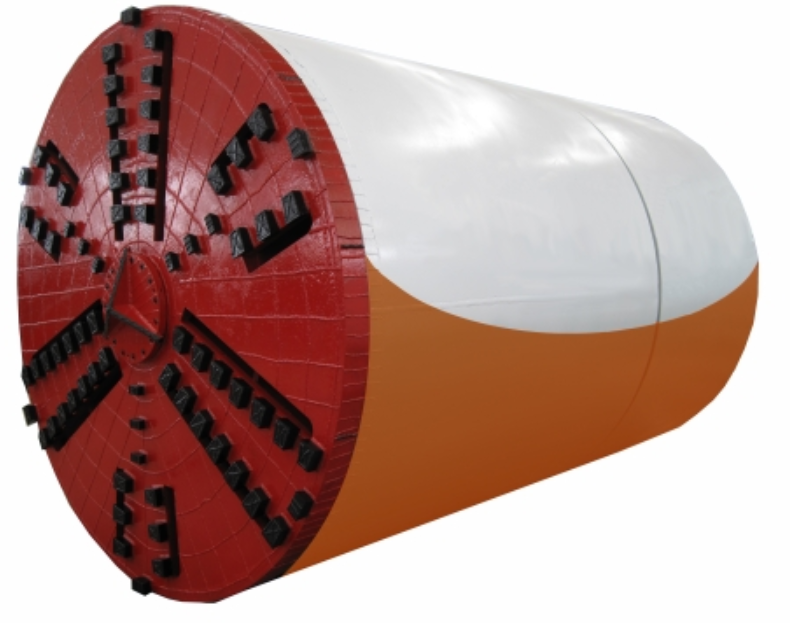
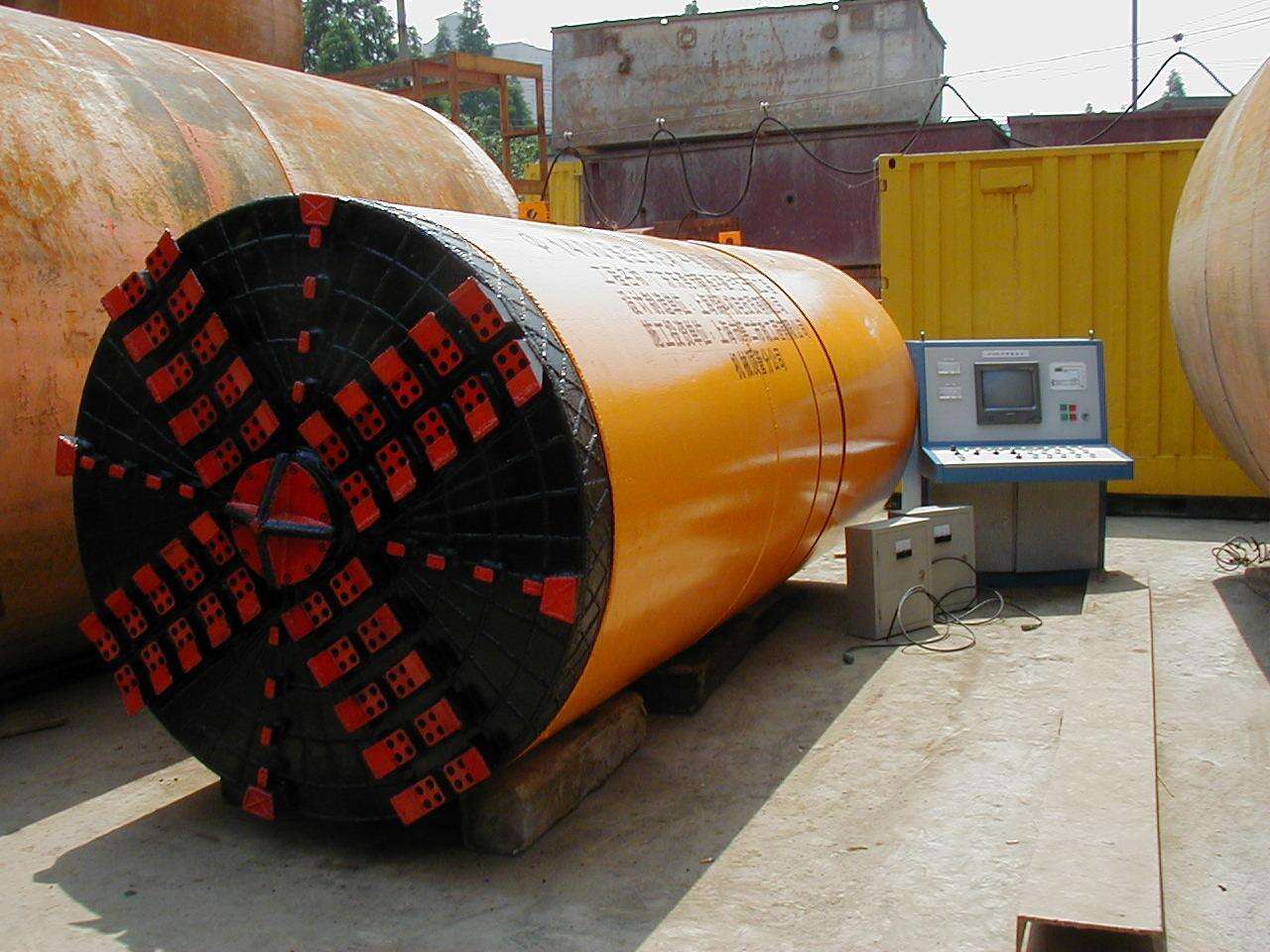
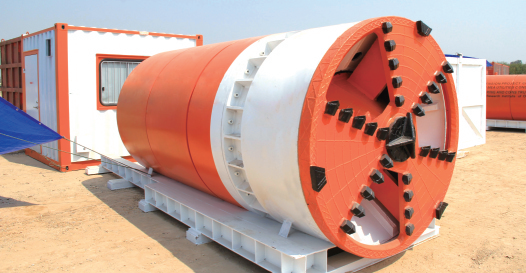
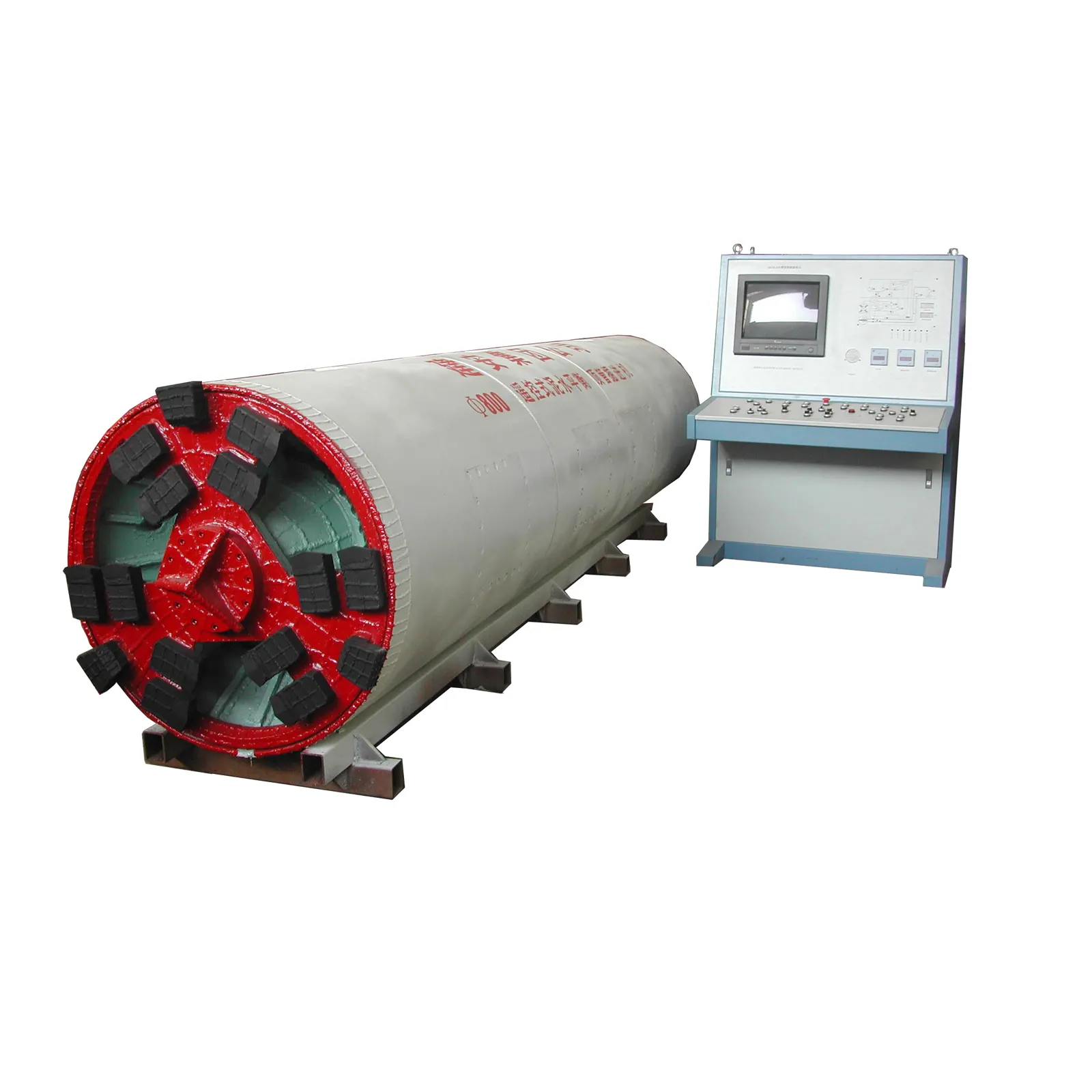
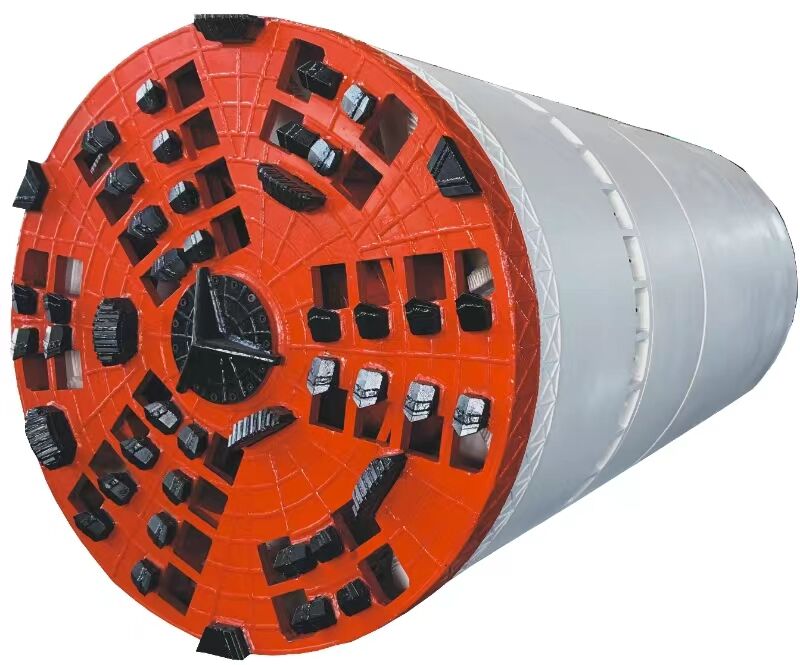
A tunnel boring machine (TBM) in rock represents one of the most sophisticated engineering solutions for underground excavation projects. This specialized mechanical excavator operates by rotating cutting tools against the rock face while simultaneously providing ground support through segmental lining installation. The TBM in rock functions as a comprehensive tunneling system that combines excavation, muck removal, and tunnel support in a single integrated operation. The main functions of a TBM in rock include continuous excavation through various geological formations, precise tunnel alignment control, and immediate structural support installation. The machine operates by advancing its rotating cutterhead equipped with disc cutters or roller cutters that break and chip away rock material. As excavation progresses, the TBM in rock simultaneously installs precast concrete segments to form the tunnel lining, ensuring structural integrity throughout the boring process. The technological features of modern TBM in rock systems encompass advanced navigation systems utilizing laser guidance and GPS technology for precise tunnel alignment. These machines incorporate sophisticated hydraulic systems that provide optimal thrust force distribution across the tunnel face while maintaining consistent advance rates. The cutterhead design varies depending on rock hardness and abrasiveness, with some TBM in rock models featuring interchangeable cutting tools to adapt to changing geological conditions. Additionally, modern units include comprehensive muck handling systems with conveyor belts and rail-mounted cars for efficient material removal. Applications for TBM in rock technology span across multiple infrastructure sectors including subway construction, water supply tunnels, sewer systems, and highway tunnels. Mining operations frequently utilize TBM in rock systems for access tunnel development and ore extraction pathways. The versatility of these machines makes them suitable for projects ranging from small-diameter utility tunnels to large-scale transportation infrastructure, demonstrating their adaptability across diverse geological conditions and project requirements.

New Product Recommendations

The TBM in rock offers numerous practical benefits that make it the preferred choice for modern tunneling projects across various industries. First and foremost, these machines deliver exceptional excavation speed compared to traditional drilling and blasting methods. A well-operated TBM in rock can advance continuously, achieving daily progress rates that significantly exceed conventional techniques while maintaining consistent tunnel quality throughout the entire bore length. This increased speed translates directly into reduced project timelines and lower overall construction costs for clients. Safety represents another crucial advantage of TBM in rock operations. Unlike explosive-based excavation methods, these machines eliminate the risks associated with blasting operations, including flying debris, toxic fumes, and structural damage to surrounding areas. The enclosed working environment within the TBM in rock provides operators with protection from falling rocks and hazardous gases while maintaining controlled atmospheric conditions throughout the tunneling process. This enhanced safety profile reduces insurance costs and minimizes project delays caused by safety incidents. Environmental benefits make TBM in rock technology particularly attractive for urban construction projects. These machines generate minimal noise pollution compared to traditional methods, making them suitable for tunneling beneath populated areas without disturbing residents or businesses above. The TBM in rock also produces less ground vibration, reducing the risk of damage to existing structures and infrastructure. Additionally, the precise excavation process minimizes overbreak, reducing material waste and environmental impact while maintaining the structural integrity of surrounding rock formations. Cost efficiency emerges as a significant long-term advantage of TBM in rock systems. While initial equipment investment may be substantial, the reduced labor requirements, faster completion times, and lower maintenance needs of tunnel infrastructure create substantial savings over project lifecycles. The consistent tunnel profile produced by TBM in rock operations reduces the need for extensive finishing work, further contributing to cost savings. Quality control benefits include the ability to maintain precise tunnel dimensions and alignment throughout the boring process, ensuring optimal functionality for the intended application whether for transportation, utilities, or mining purposes.

Practical Tips

What Technologies Drive the Efficiency of No-Dig Tunnel Drills?

18

Sep

What Technologies Drive the Efficiency of No-Dig Tunnel Drills?

Advancing Underground Construction Through Modern Drilling Innovation The evolution of no-dig tunnel drills has revolutionized underground construction and infrastructure development. These sophisticated machines have transformed how we approach tunn...
View More
What Makes No-Dig Solutions Ideal for Underground Piping?

23

Sep

What Makes No-Dig Solutions Ideal for Underground Piping?

Understanding Modern Underground Pipe Installation Methods The construction and maintenance of underground infrastructure have evolved significantly over the years, with no-dig solutions emerging as a revolutionary approach to pipe installation and r...
View More
Top Benefits Of Using A Pipe Jacking Machine For Underground Infrastructure Works

16

Oct

Top Benefits Of Using A Pipe Jacking Machine For Underground Infrastructure Works

Revolutionizing Underground Construction Through Advanced Pipe Jacking Technology The modern urban landscape demands innovative solutions for installing underground infrastructure while minimizing surface disruption. Pipe jacking machines have emerge...
View More
How does a micro tunneling machine compare to traditional tunneling methods?

24

Oct

How does a micro tunneling machine compare to traditional tunneling methods?

What Is a Micro Tunneling Machine and How Does It Operate?Micro tunneling machines, or MTMs as they're commonly called, are remote controlled systems built specifically for installing underground pipes without digging trenches. These machines dig t...
View More

Get a Free Quote

Our representative will contact you soon.
Email
Name
Company Name
Message
0/1000

tbm in rock

Advanced Cutterhead Technology for Optimal Rock Excavation

Advanced Cutterhead Technology for Optimal Rock Excavation

The cutterhead technology incorporated in modern TBM in rock systems represents a revolutionary advancement in underground excavation capabilities. This critical component serves as the primary interface between the machine and the rock face, utilizing sophisticated engineering principles to achieve efficient material removal across diverse geological conditions. The cutterhead design for TBM in rock applications features strategically positioned disc cutters manufactured from high-grade steel alloys that can withstand extreme pressures and abrasive conditions. These cutting tools operate through a rolling action that creates fractures in the rock face, breaking material into manageable sizes for efficient removal through the muck handling system. The spacing and arrangement of cutters on the TBM in rock cutterhead follow precise mathematical calculations that optimize cutting efficiency while minimizing wear rates and energy consumption. Advanced cutterhead designs incorporate variable cutter spacing to accommodate different rock types, ensuring consistent performance whether boring through soft sedimentary formations or hard crystalline rock. The rotational speed of the cutterhead can be adjusted based on rock hardness and project requirements, allowing operators to maintain optimal advance rates while preserving cutter life. Modern TBM in rock systems feature cutterheads with integrated wear detection systems that monitor cutter condition in real-time, enabling proactive maintenance scheduling and preventing costly downtime. The hydraulic drive systems that power these cutterheads provide precise torque control, ensuring consistent cutting force application across the entire tunnel face. This technological sophistication extends to the cutterhead's ability to handle mixed face conditions, where the TBM in rock encounters varying rock types within a single tunnel section. Specialized cutterhead designs incorporate both hard rock disc cutters and soft ground cutting tools, providing versatility for challenging geological transitions. The value proposition of advanced cutterhead technology lies in its direct impact on project economics through increased penetration rates, reduced maintenance requirements, and improved tunnel quality. Customers benefit from faster project completion, lower operational costs, and enhanced safety through reduced manual intervention requirements during the excavation process.
Integrated Ground Support Systems for Enhanced Structural Integrity

Integrated Ground Support Systems for Enhanced Structural Integrity

The integrated ground support systems featured in modern TBM in rock technology provide unparalleled structural stability and safety during tunnel construction operations. This comprehensive support methodology represents a fundamental advantage over traditional excavation techniques by providing immediate structural reinforcement as excavation progresses. The TBM in rock incorporates an automated segment erector that installs precast concrete lining segments directly behind the cutterhead, creating a continuous structural shell that supports the tunnel opening against ground pressures and geological instabilities. This integrated approach eliminates the vulnerable period between excavation and support installation that characterizes conventional tunneling methods. The segment erector system within the TBM in rock utilizes precision hydraulic mechanisms to position and install concrete segments with millimeter accuracy, ensuring proper joint alignment and structural continuity throughout the tunnel length. The precast concrete segments themselves are engineered to specific project requirements, incorporating reinforcement patterns and concrete grades suitable for anticipated ground conditions and long-term loading scenarios. The TBM in rock ground support system also includes provision for additional reinforcement measures such as rock bolts, steel mesh, and grouting systems when geological conditions require enhanced stability measures. The machine's backup systems include equipment for installing systematic rock bolting patterns and applying shotcrete where specified by project requirements. Advanced monitoring systems integrated into the TBM in rock continuously assess ground conditions and structural performance, providing real-time feedback on support adequacy and potential stability concerns. The immediate support installation capability of TBM in rock systems provides significant safety benefits by eliminating worker exposure to unsupported tunnel faces and reducing the risk of ground collapse incidents. This integrated support approach also ensures consistent tunnel geometry and structural performance, as the standardized segment installation process eliminates variations that can occur with manual support methods. The economic benefits of integrated ground support systems include reduced material waste, faster construction progress, and lower long-term maintenance requirements due to superior initial construction quality. Customers appreciate the predictable structural performance and reduced risk profile associated with TBM in rock ground support systems, particularly in challenging geological conditions where traditional support methods may prove inadequate or unsafe.
Precision Navigation and Control Systems for Accurate Tunnel Alignment

Precision Navigation and Control Systems for Accurate Tunnel Alignment

The precision navigation and control systems integrated into modern TBM in rock technology deliver unprecedented accuracy in tunnel alignment and positioning, representing a significant technological advancement that directly impacts project success and cost efficiency. These sophisticated guidance systems utilize a combination of laser measurement technology, gyroscopic sensors, and advanced computational algorithms to maintain tunnel alignment within millimeter tolerances throughout the boring process. The TBM in rock navigation system continuously monitors machine position relative to the designed tunnel centerline, providing real-time feedback to operators and automated steering corrections when deviations are detected. This precision control capability ensures that the completed tunnel meets exact specifications for grade, alignment, and cross-sectional geometry, eliminating costly corrections and rework that can occur with less accurate excavation methods. The laser guidance component of TBM in rock navigation systems establishes a reference beam that serves as the primary alignment control throughout the tunneling operation. This system maintains accuracy over extended distances, enabling successful completion of long tunnel drives without accumulating significant positional errors. Advanced TBM in rock models incorporate redundant navigation systems that provide backup positioning data, ensuring continued operation even if primary systems experience temporary malfunctions. The gyroscopic sensors integrated into these navigation systems provide precise measurement of machine orientation and movement, enabling accurate steering corrections in three-dimensional space. The control systems processing this navigation data utilize sophisticated algorithms that account for geological conditions, machine characteristics, and operational parameters to optimize steering decisions and maintain smooth tunnel profiles. The TBM in rock steering system responds to navigation inputs through precise adjustment of shield jacks and articulated joints, providing gentle course corrections that minimize stress on the tunnel lining and surrounding ground. The economic value of precision navigation systems becomes evident through reduced survey requirements, elimination of alignment corrections, and improved tunnel functionality for its intended purpose. Transportation tunnels benefit from precise alignment through optimized vehicle flow and reduced maintenance requirements, while utility tunnels achieve better hydraulic performance through accurate grade control. The TBM in rock navigation systems also provide comprehensive data logging capabilities that document tunnel construction progress and quality metrics, supporting project management decisions and future maintenance planning. Customers value the reliability and predictability that precision navigation systems bring to tunnel construction projects, particularly in urban environments where strict tolerances are essential for integration with existing infrastructure and minimal surface disruption.

Get a Free Quote

Our representative will contact you soon.
Email
Name
Company Name
Message
0/1000