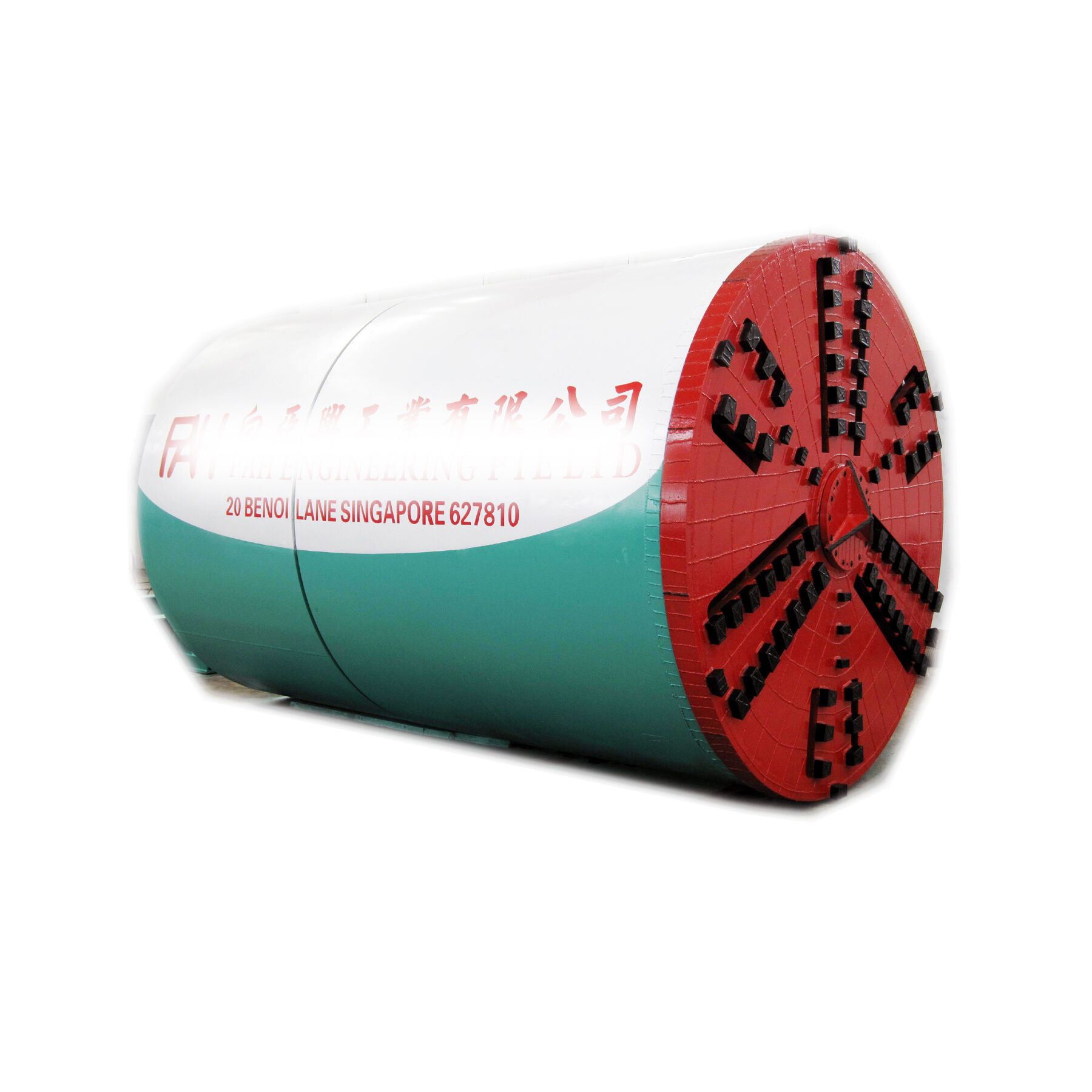
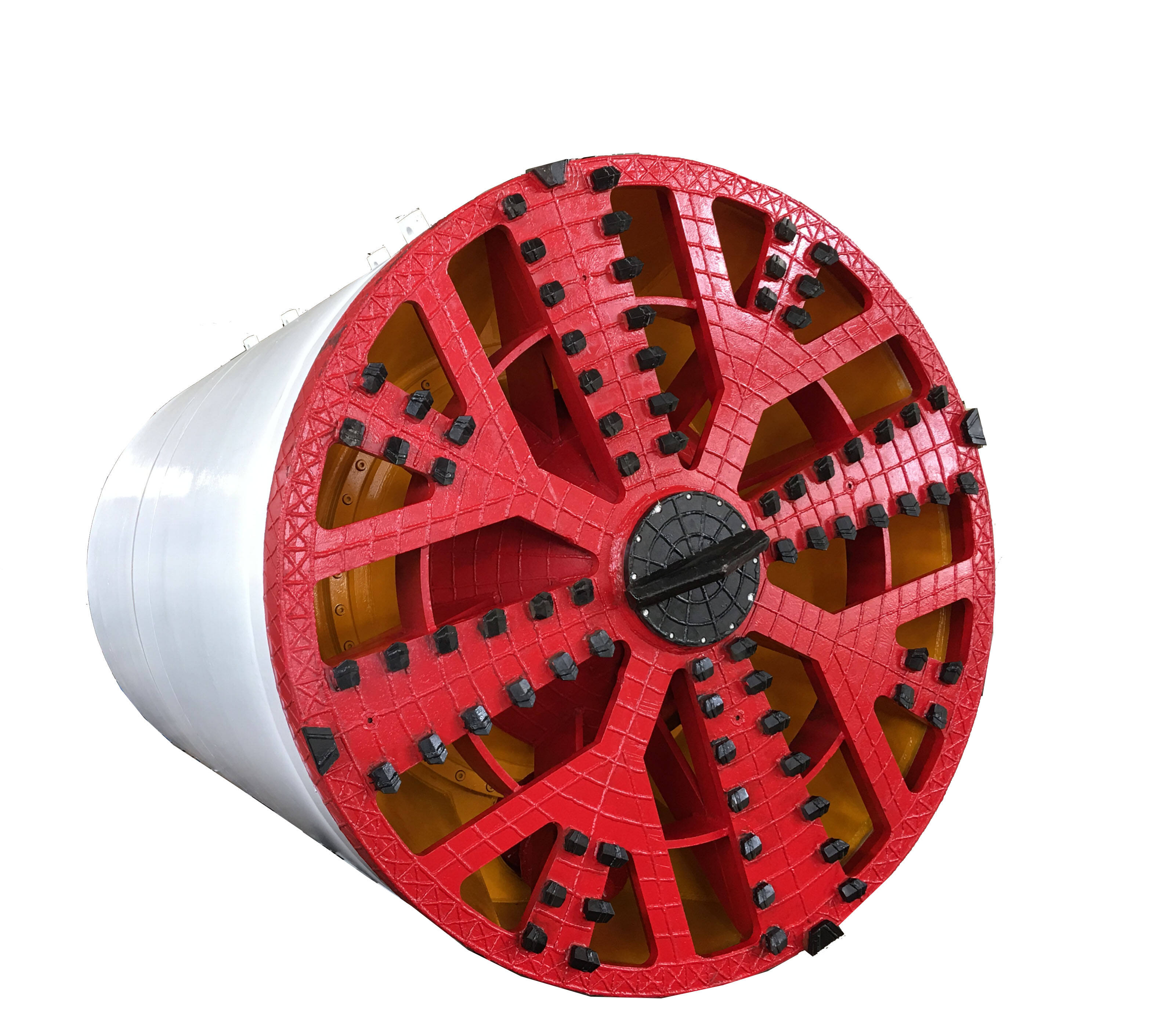
пробиване на тръби чрез контролирано земно налягане
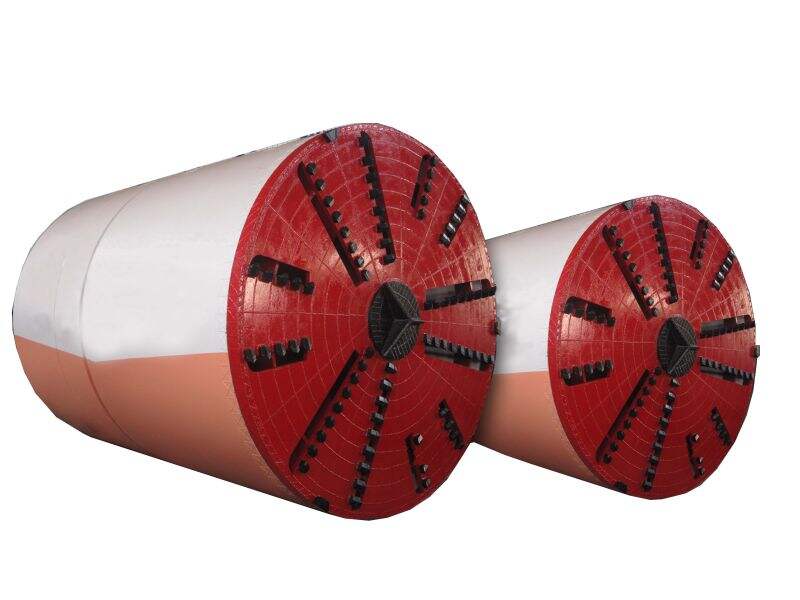
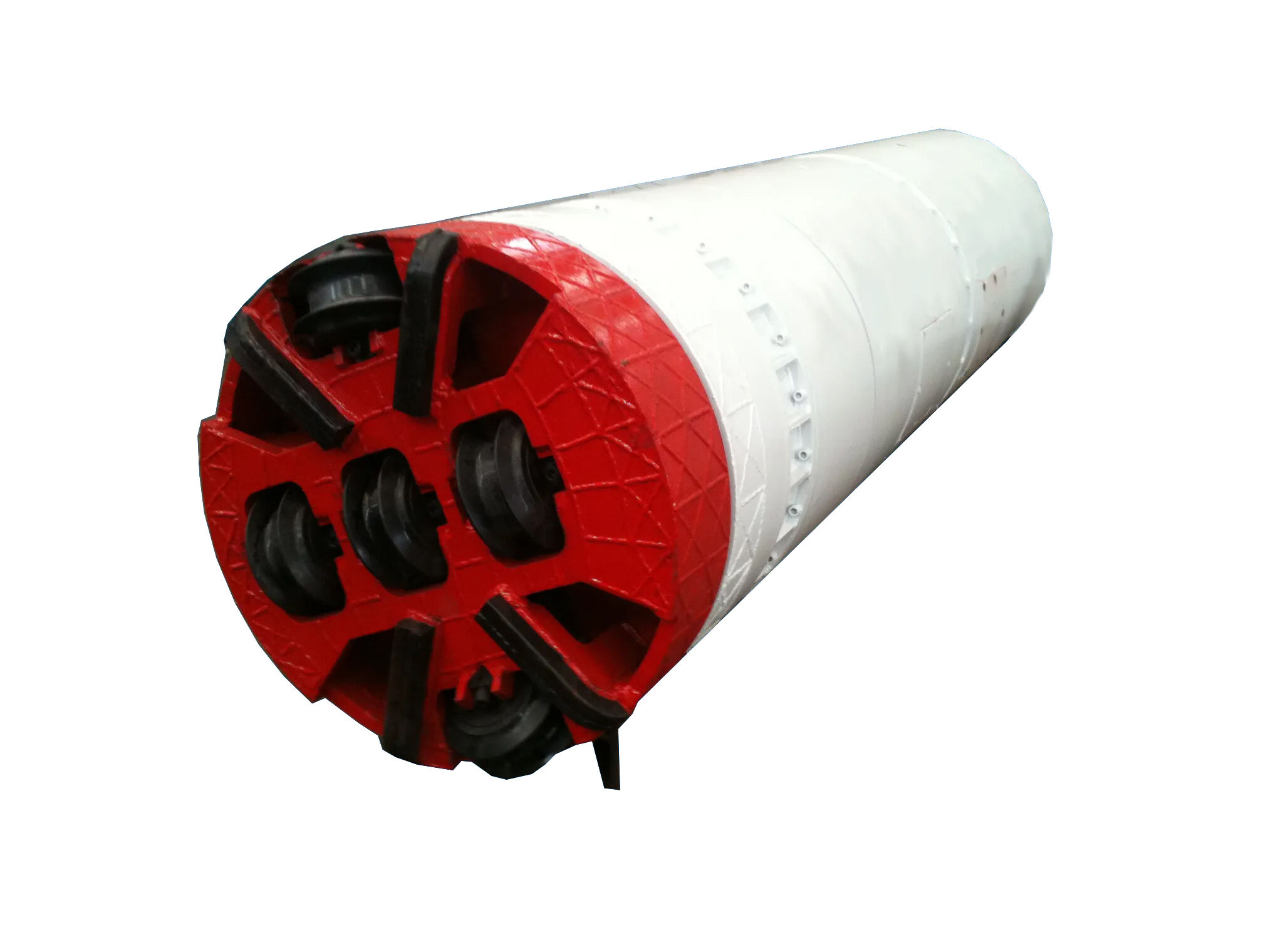
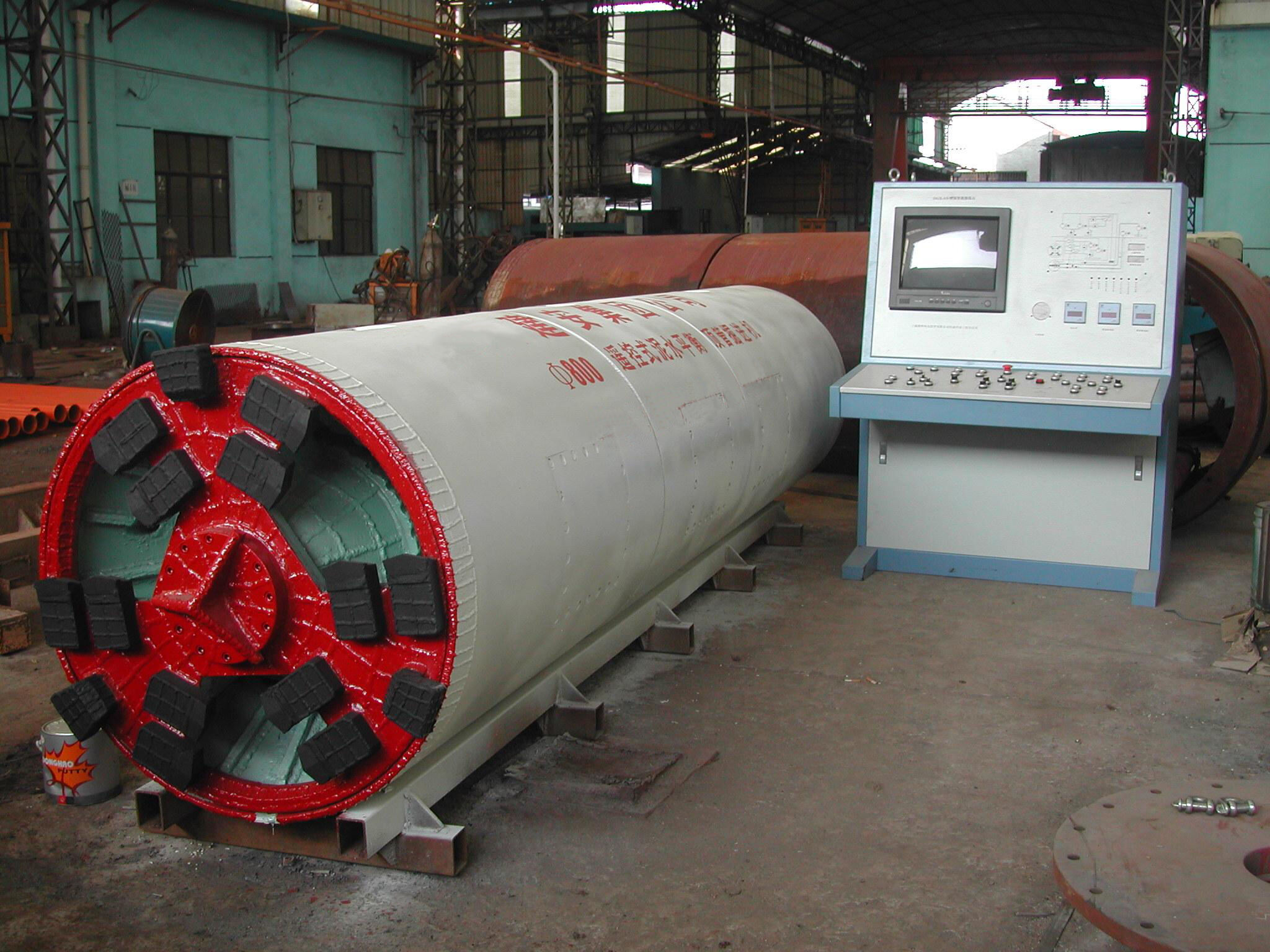
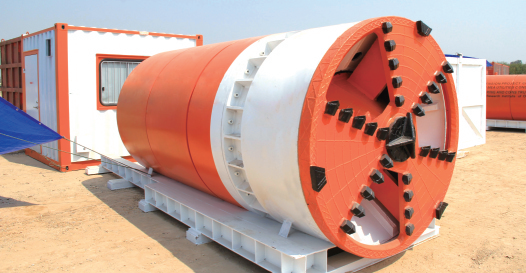
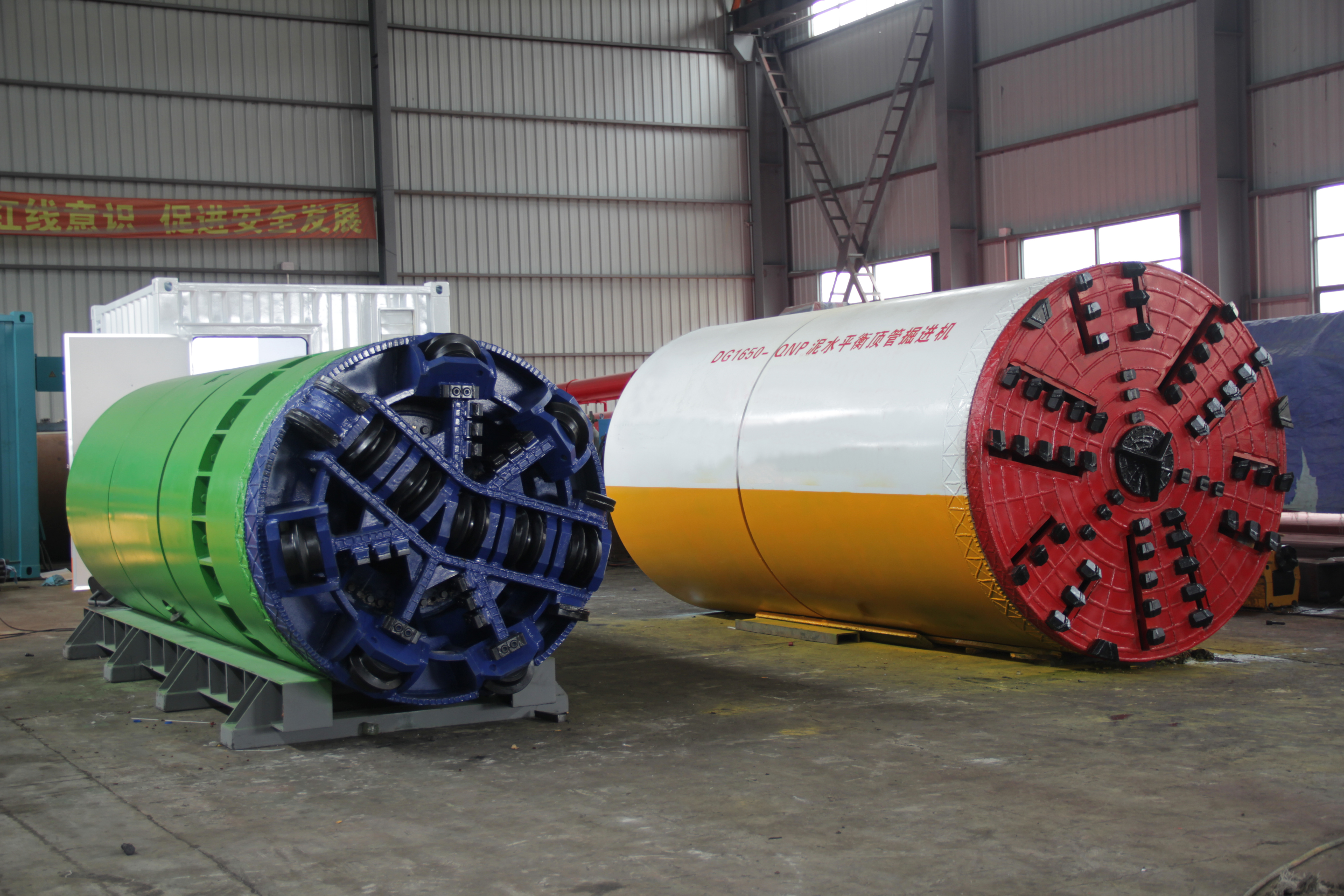
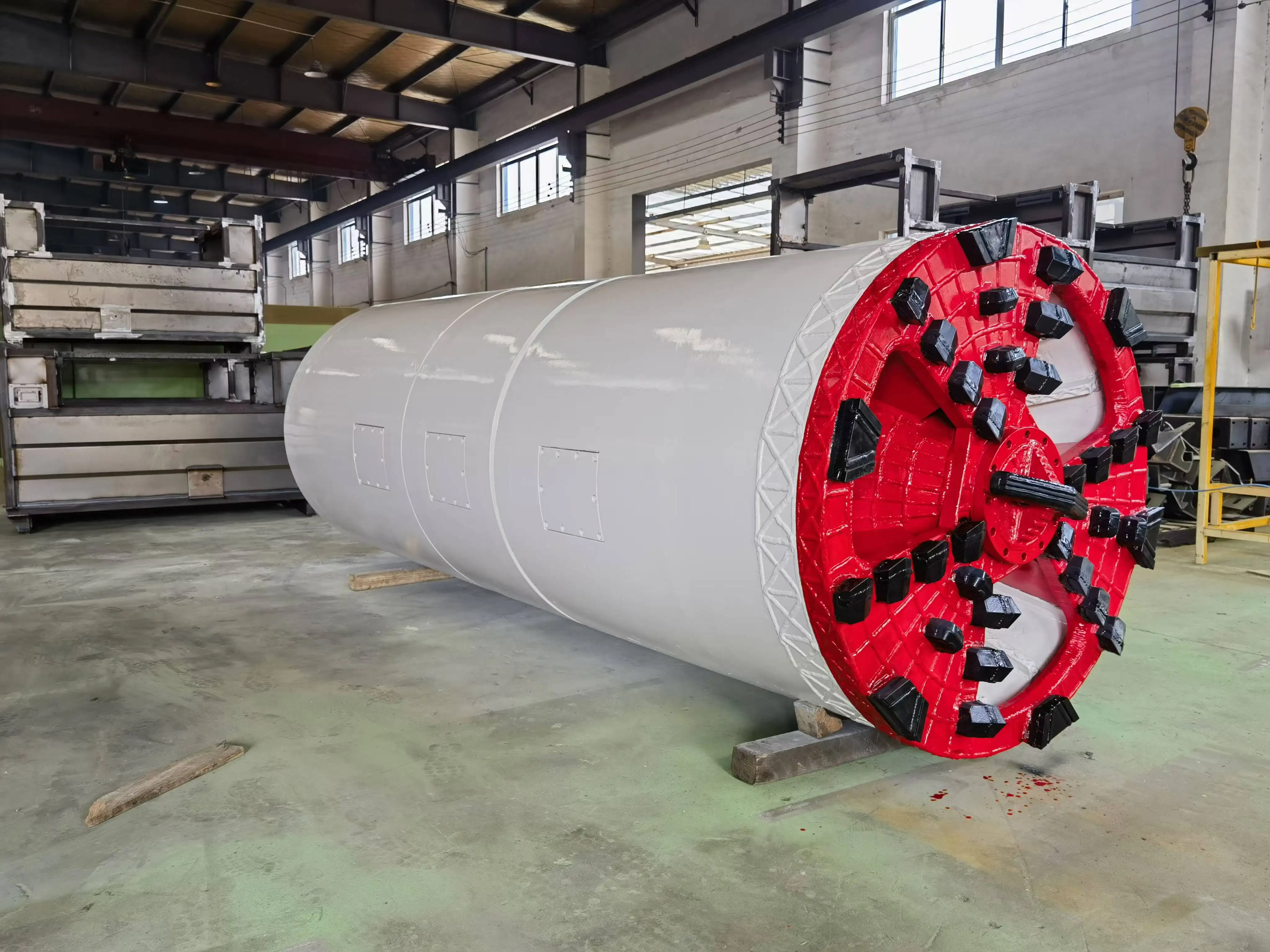
Пробиването на тръби под налягане на почвата представлява революционна безтраншейна строителна технология, която позволява монтирането на подземни тръбопроводи без изкопаване на традиционни открити траншеи. Този сложен метод използва специализирано оборудване за пробиване, за да бута предварително изработени тръбни сегменти през почвата, като едновременно поддържа непрекъснато равновесие на налягането в почвата по време на целия процес на инсталация. Системата за пробиване на тръби под налягане на почвата се състои от стартов шахт, приемен шахт, хидравлична пробивна станция и режеща глава, която извършва изкопаване на почвата, докато едновременно монтира участъците от тръбопровода. Технологията работи чрез поддържане на равновесие между естественото налягане на почвата и налягането, прилагано от пробивната система, което гарантира структурната цялост на заобикалящата почва и съществуващата инфраструктура. По време на експлоатация машината за пробиване на тръби под налягане на почвата напредва през различни почвени условия, включително глина, пясък, чакъл и смесени геоложки формации. Режещата глава отстранява изкопания материал чрез сложна система за премахване на отпадъците, докато хидравличните домкрати бутат тръбните участъци напред стъпка по стъпка. Този метод се оказва особено ценен в урбани среди, където трябва да се минимизира повърхностното разстройство, а съществуващите комунални мрежи изискват защита. Процесът на пробиване на тръби под налягане на почвата започва с внимателна подготовката на площадката и прецизно геодезично измерване, за да се установят точните изисквания за подравняване и наклон. Инженерите изчисляват оптималните пробивни сили въз основа на почвените условия, диаметъра на тръбата, дължината на инсталацията и прогнозираното почвено съпротивление. Технологията е подходяща за различни материали на тръбите, включително бетон, стомана и композитни материали, с диаметри, вариращи от малки комунални тръби до големи буреносни канали и транспортни тунели. Съвременните системи за пробиване на тръби под налягане на почвата включват напреднали мониторингови устройства, които проследяват подравняването, наклона и пробивните сили в реално време, осигурявайки прецизна инсталация и предотвратявайки отклонения от проектните спецификации. Методът успешно инсталира тръбопроводи под пътища, железопътни линии, водни пътища и чувствителни екологични зони, без да нарушава повърхностната дейност или да компрометира цялостта на съществуващата инфраструктура.

 EN
EN
 AR
AR BG
BG HR
HR CS
CS FR
FR DE
DE EL
EL HI
HI IT
IT JA
JA KO
KO RO
RO RU
RU ES
ES TL
TL ID
ID LT
LT SK
SK SL
SL UK
UK VI
VI ET
ET TH
TH TR
TR FA
FA AF
AF MS
MS HY
HY AZ
AZ KA
KA BN
BN LO
LO LA
LA MN
MN NE
NE MY
MY KK
KK UZ
UZ KY
KY