Modulares Design und schnelle Einsatzmöglichkeiten
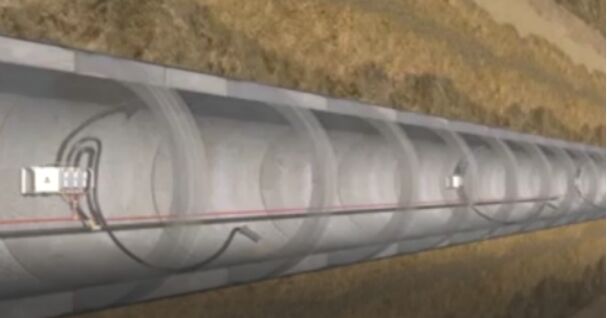
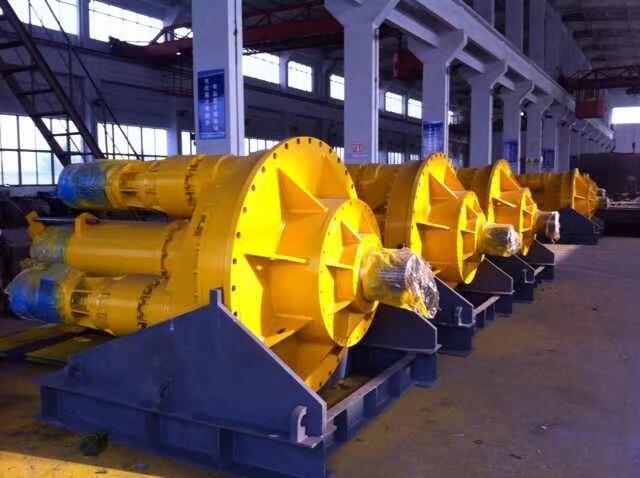
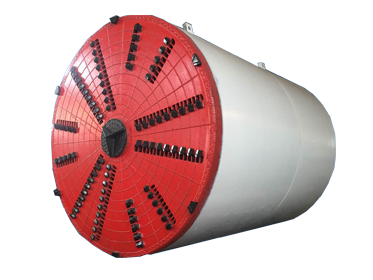
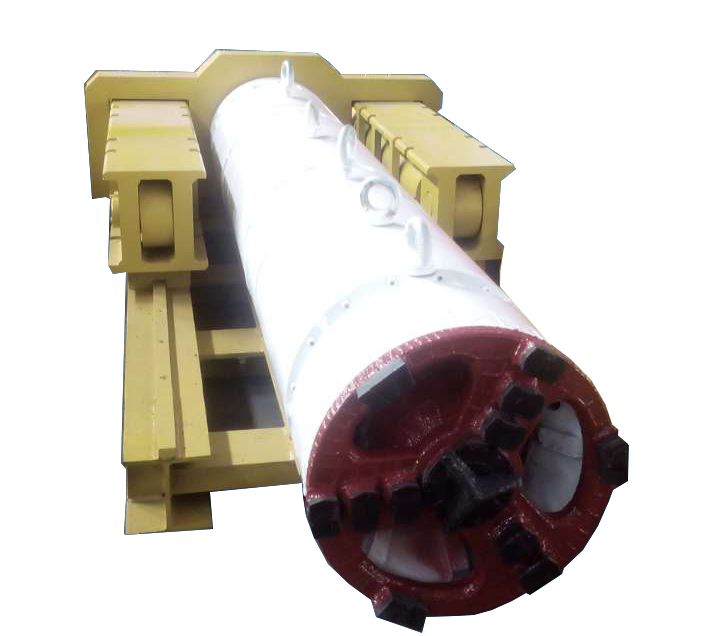
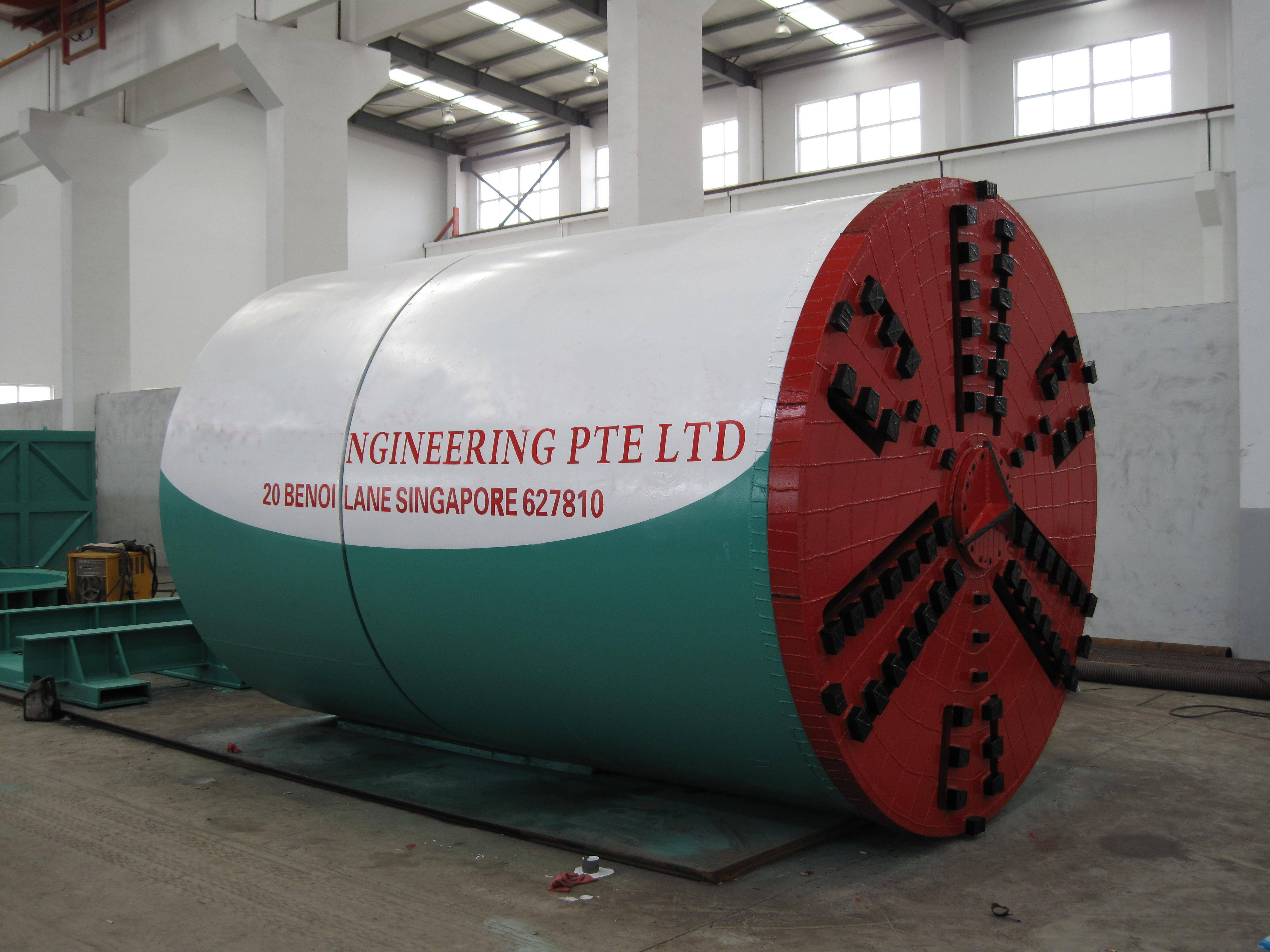
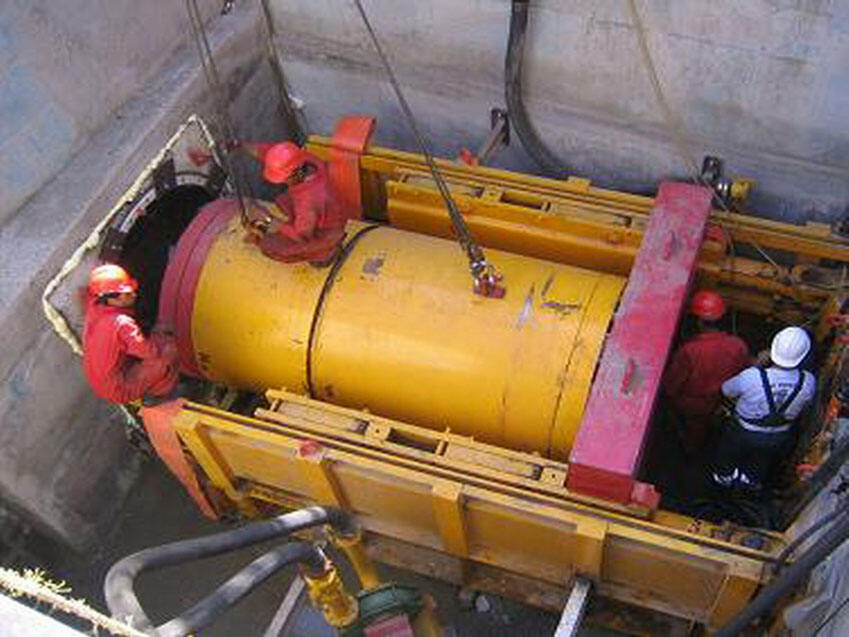
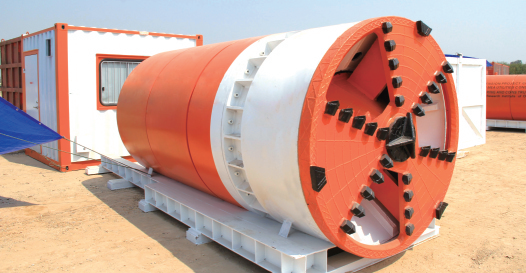
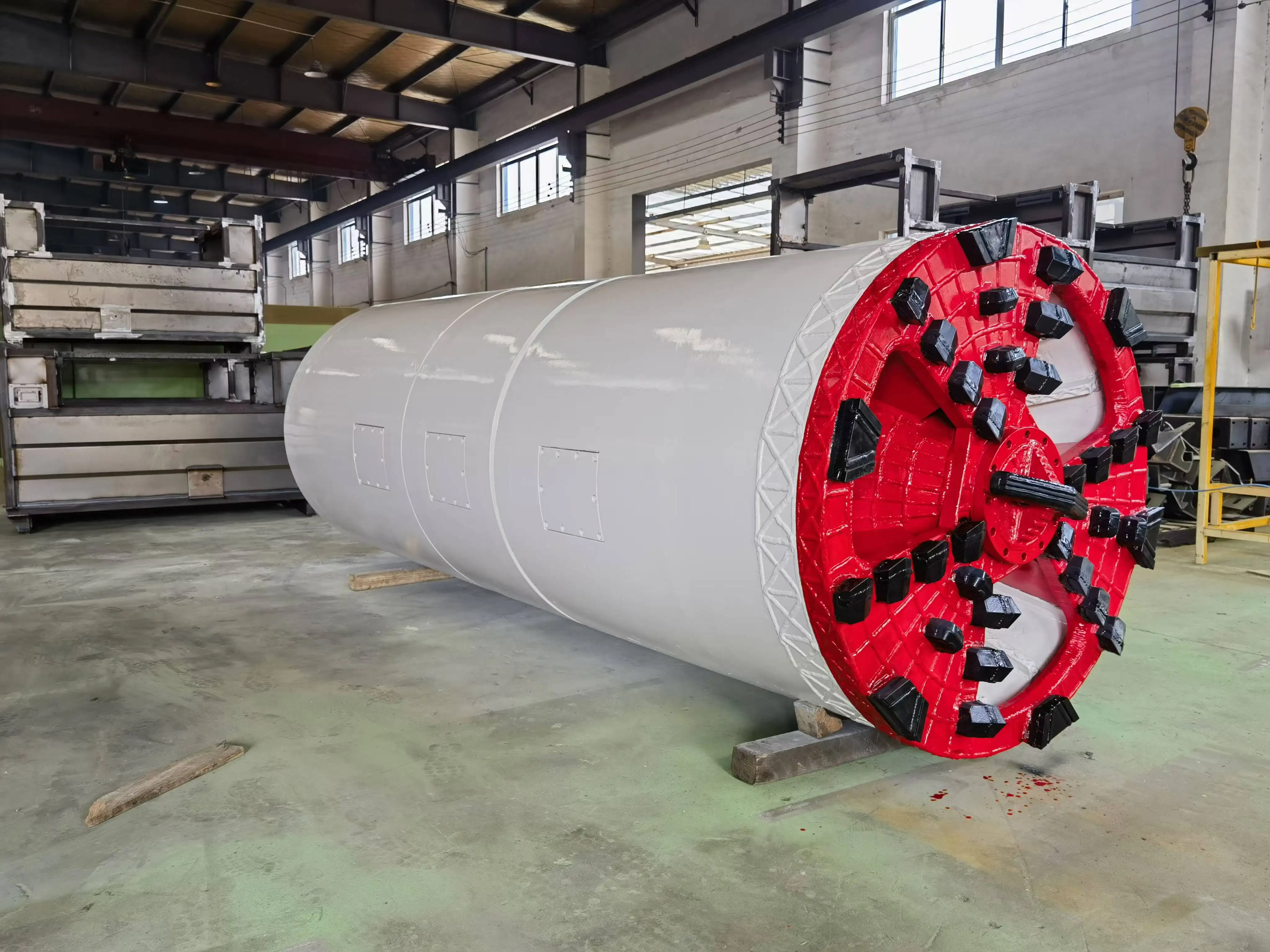
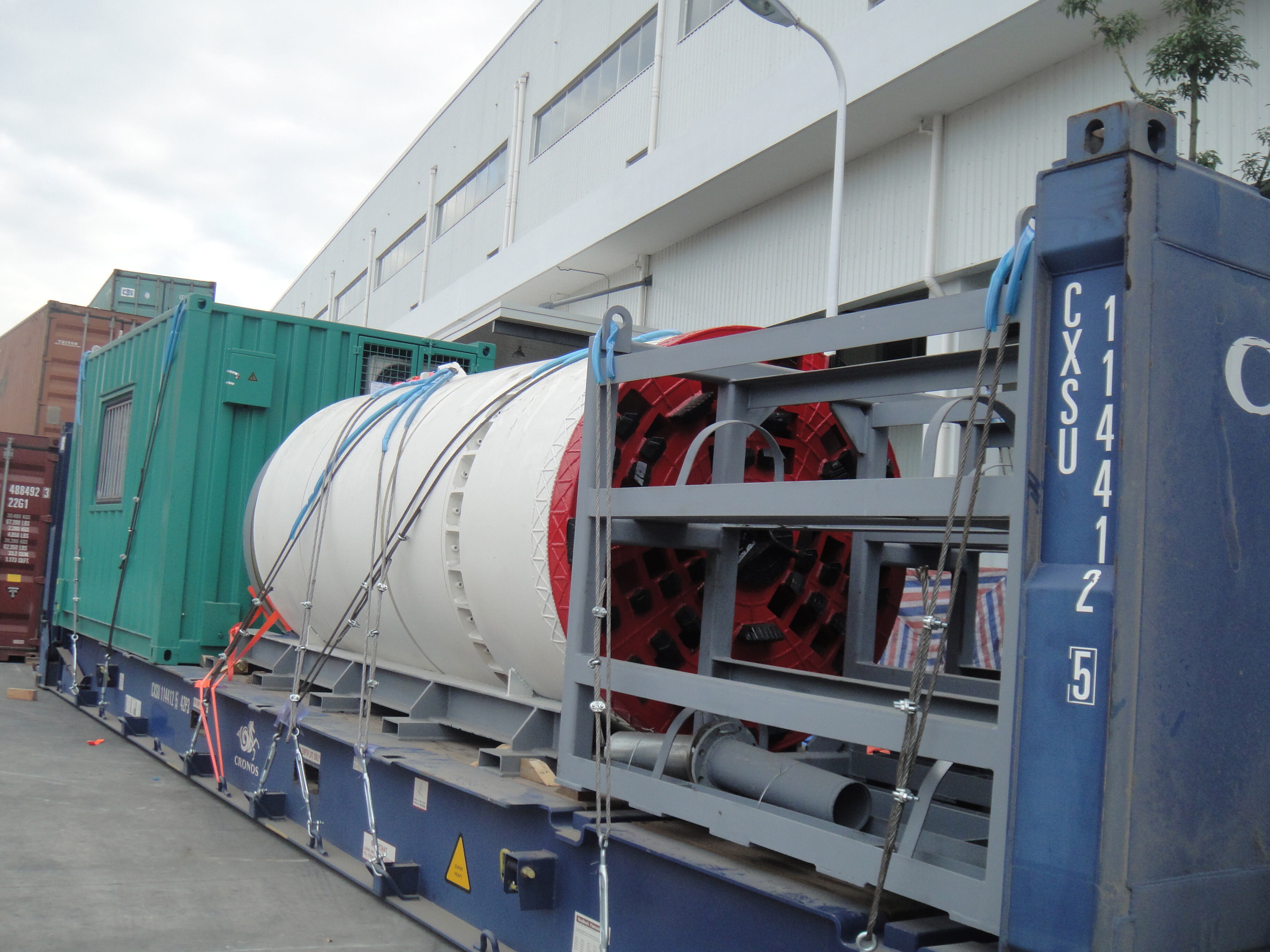
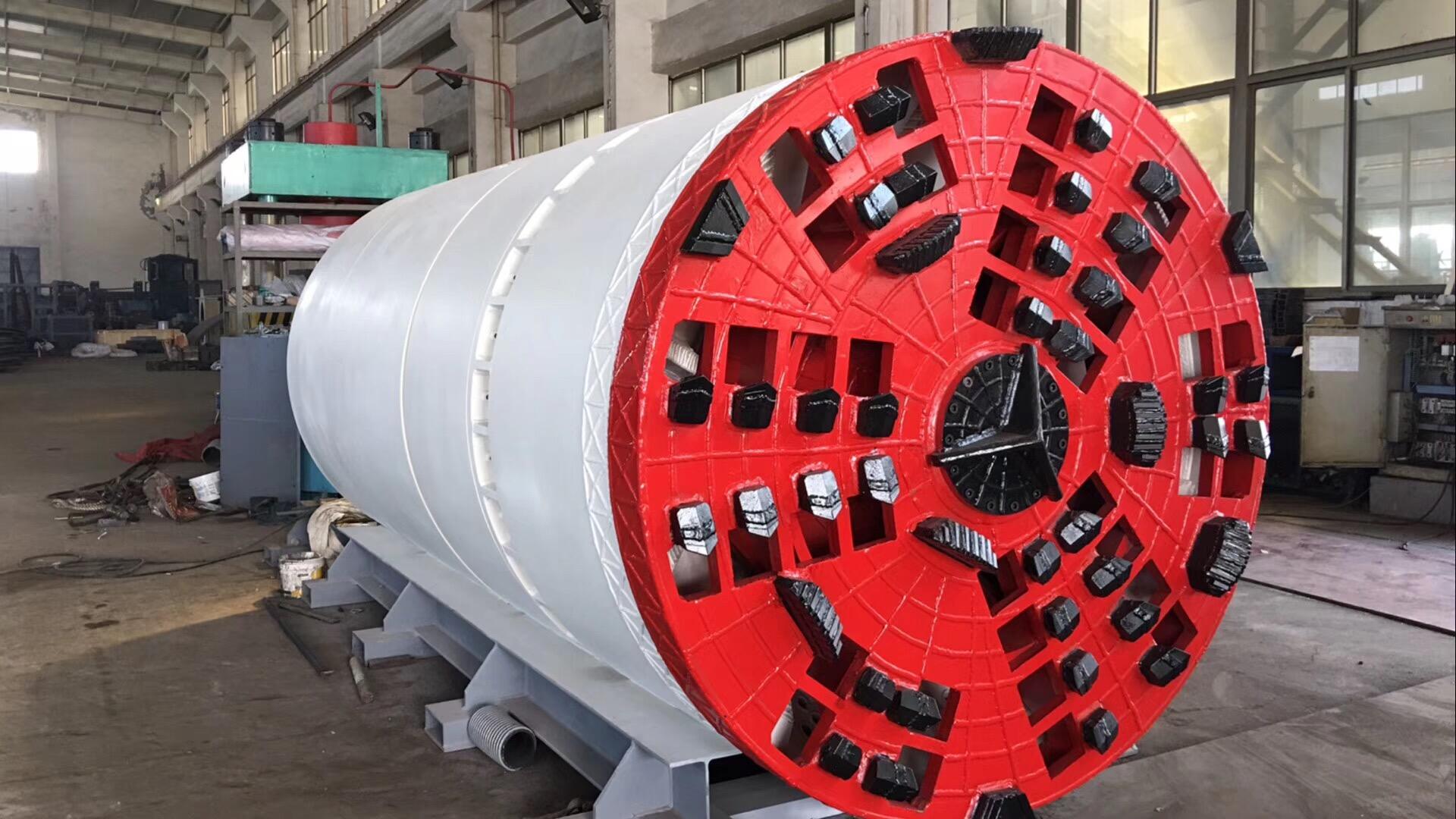
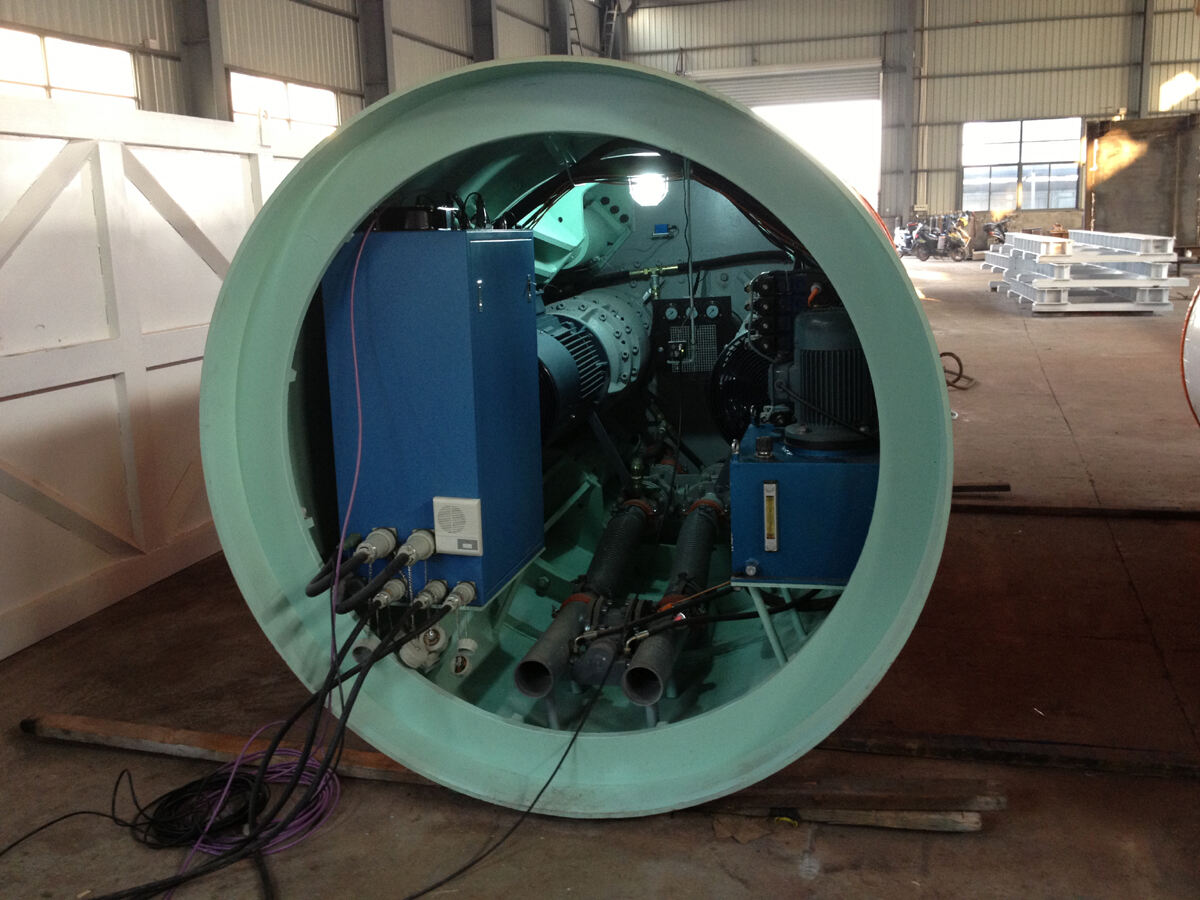
Die in die Rohrvortreibmaschinen mit Pinch-Ventil integrierte modulare Konstruktionsphilosophie ermöglicht eine beispiellose Flexibilität und schnelle Einsatzfähigkeit, die Terminplanung und Ressourcenallokation für Rohrleitungsinstallationsunternehmen in unterschiedlichen Einsatzumgebungen revolutioniert. Dieser innovative Ansatz zerlegt komplexe Anlagensysteme in standardisierte, austauschbare Komponenten, die schnell montiert, transportiert und an spezifische Projektanforderungen angepasst werden können – ohne umfangreiche Vorbereitungszeiten oder spezielle Montageverfahren. Jede modulare Komponente unterzieht sich strengen Qualitätsprüfungen, um eine nahtlose Integration und optimale Leistung bei der Kombination mit anderen Systemelementen sicherzustellen; dadurch entstehen zuverlässige Anlagenkonfigurationen, die verschiedene Rohrdurchmesser, Bodenbedingungen und Installationsherausforderungen bewältigen können. Die Transportvorteile zeigen sich unmittelbar: Modulare Komponenten passen in Standard-Container und Lkw-Anhänger, wodurch der Einsatz spezieller Transportausrüstung entfällt und die Logistikkosten im Vergleich zu herkömmlichen monolithischen Baumaschinen erheblich gesenkt werden. Die Inbetriebnahme erfordert nur minimale Zeit und Personal, da die Komponenten standardisierte Verbindungsschnittstellen und intuitive Montagesequenzen aufweisen, die erfahrene Bediener effizient ohne umfangreiche technische Unterstützung abschließen können. Das modulare Design der Rohrvortreibmaschinen mit Pinch-Ventil ermöglicht zukünftige technologische Aufrüstungen durch den Austausch einzelner Komponenten, ohne dass eine komplette Systemüberholung erforderlich ist; dies schützt die Investitionen in die Ausrüstung und verlängert die betriebliche Lebensdauer deutlich. Zu den Wartungsvorteilen zählen vereinfachte Diagnoseverfahren, da Techniker gezielte Komponentenprobleme isolieren und beheben können, ohne die Gesamtverfügbarkeit des Systems zu beeinträchtigen; dadurch verringern sich Ausfallzeiten und die produktiven Betriebsstunden werden maximiert. Die Lageranforderungen reduzieren sich drastisch, da modulare Komponenten platzsparend in Lagerhallen gestapelt werden können, was die Lagerkosten senkt und die Bestandsverwaltungskapazitäten für Gerätevermieter und Bauunternehmen verbessert. Das System unterstützt gleichzeitige Mehrprojektoperationen, da Komponenten auf verschiedene Baustellen verteilt werden können, während an jedem Standort volle Betriebsfähigkeit erhalten bleibt – dies maximiert die Auslastungsrate der Ausrüstung und verbessert die Gewinnspannen. Individualisierungsoptionen ermöglichen es Auftragnehmern, Ausrüstungspakete gezielt an die Anforderungen einzelner Projekte anzupassen, um optimale Leistung zu gewährleisten und unnötige Komponentenkosten infolge überdimensionierter Ausrüstungsspezifikationen zu vermeiden. Zu den Schulungsvorteilen zählt die Standardisierung der Verfahren für alle modularen Komponenten, wodurch der Schulungsaufwand reduziert und Bediener in die Lage versetzt werden, effektiv mit verschiedenen Ausrüstungskonfigurationen zu arbeiten. Der modulare Ansatz erleichtert internationale Geschäftstätigkeiten, da Komponenten separat versandt werden können, um verschiedenen Einfuhrvorschriften und Transportbeschränkungen Rechnung zu tragen, wie sie häufig in globalen Bau- und Infrastrukturmärkten auftreten.

 EN
EN
 AR
AR BG
BG HR
HR CS
CS FR
FR DE
DE EL
EL HI
HI IT
IT JA
JA KO
KO RO
RO RU
RU ES
ES TL
TL ID
ID LT
LT SK
SK SL
SL UK
UK VI
VI ET
ET TH
TH TR
TR FA
FA AF
AF MS
MS HY
HY AZ
AZ KA
KA BN
BN LO
LO LA
LA MN
MN NE
NE MY
MY KK
KK UZ
UZ KY
KY